Artikel: Texture Painting: The Rise of 3D Textured Art in Modern Interiors
Texture Painting: The Rise of 3D Textured Art in Modern Interiors
n today’s design world, walls are no longer meant to be flat and silent. They are becoming expressive surfaces that invite depth, movement, and emotion. This is where 3D textured art and texture painting step into the spotlight.
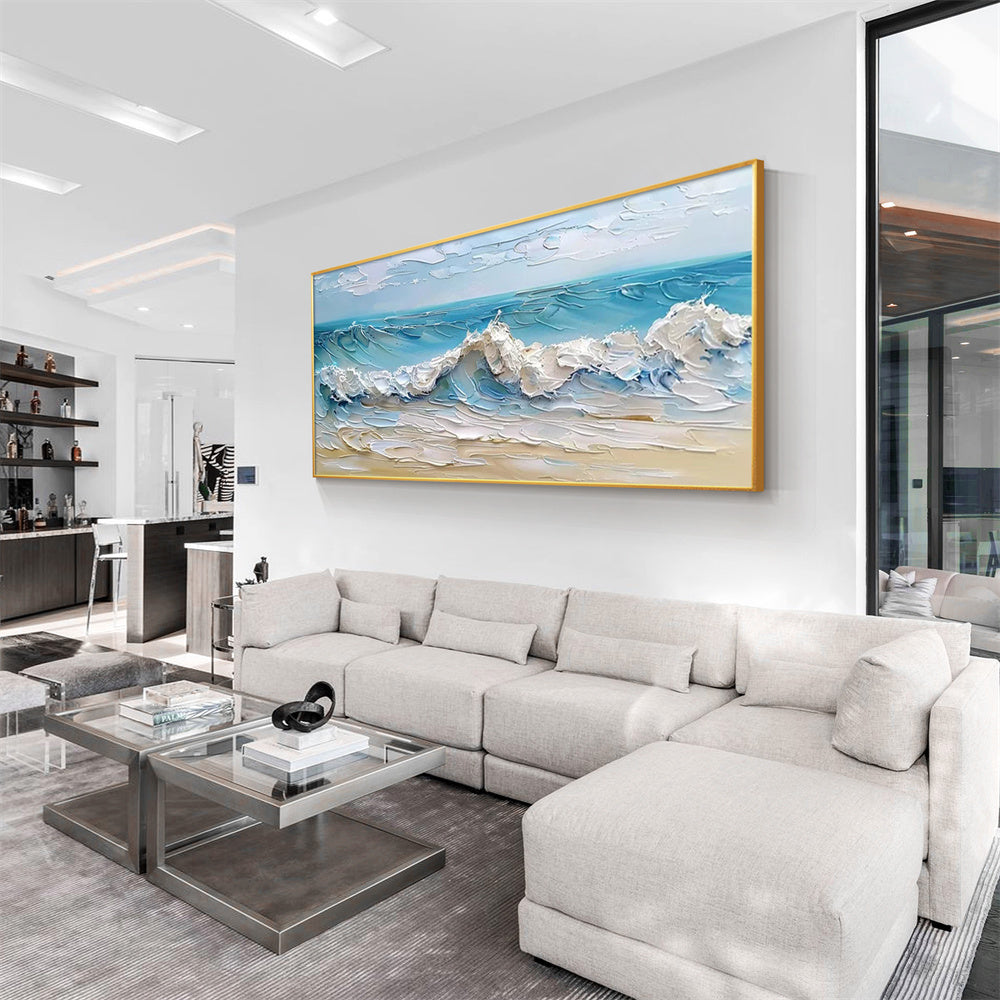
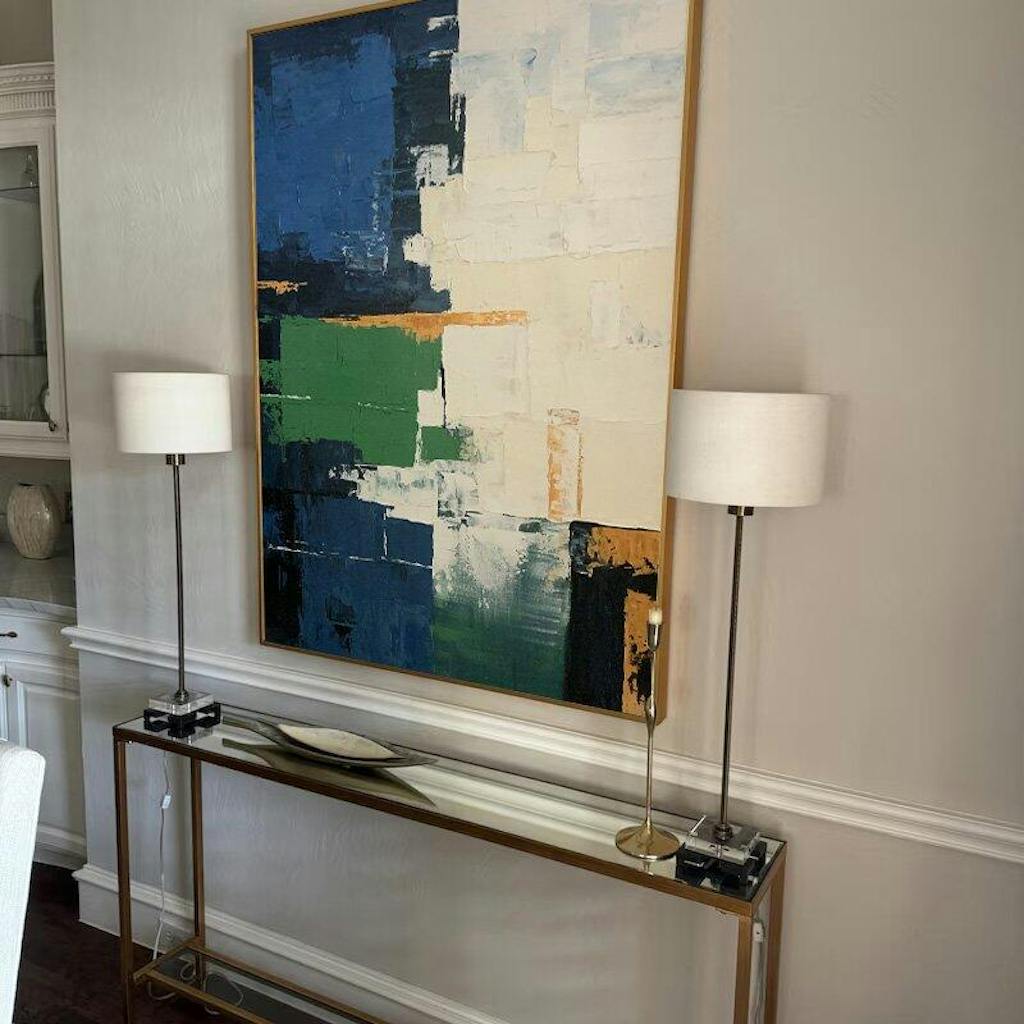
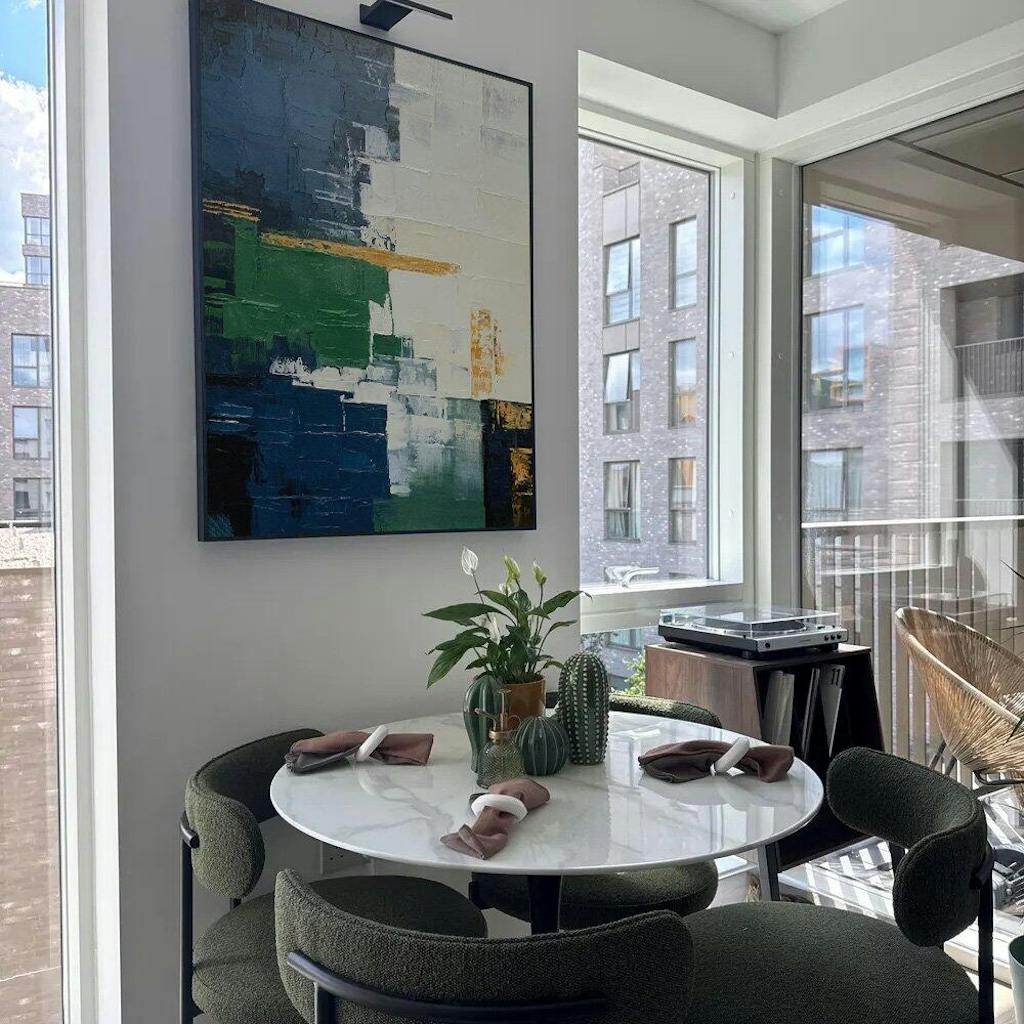
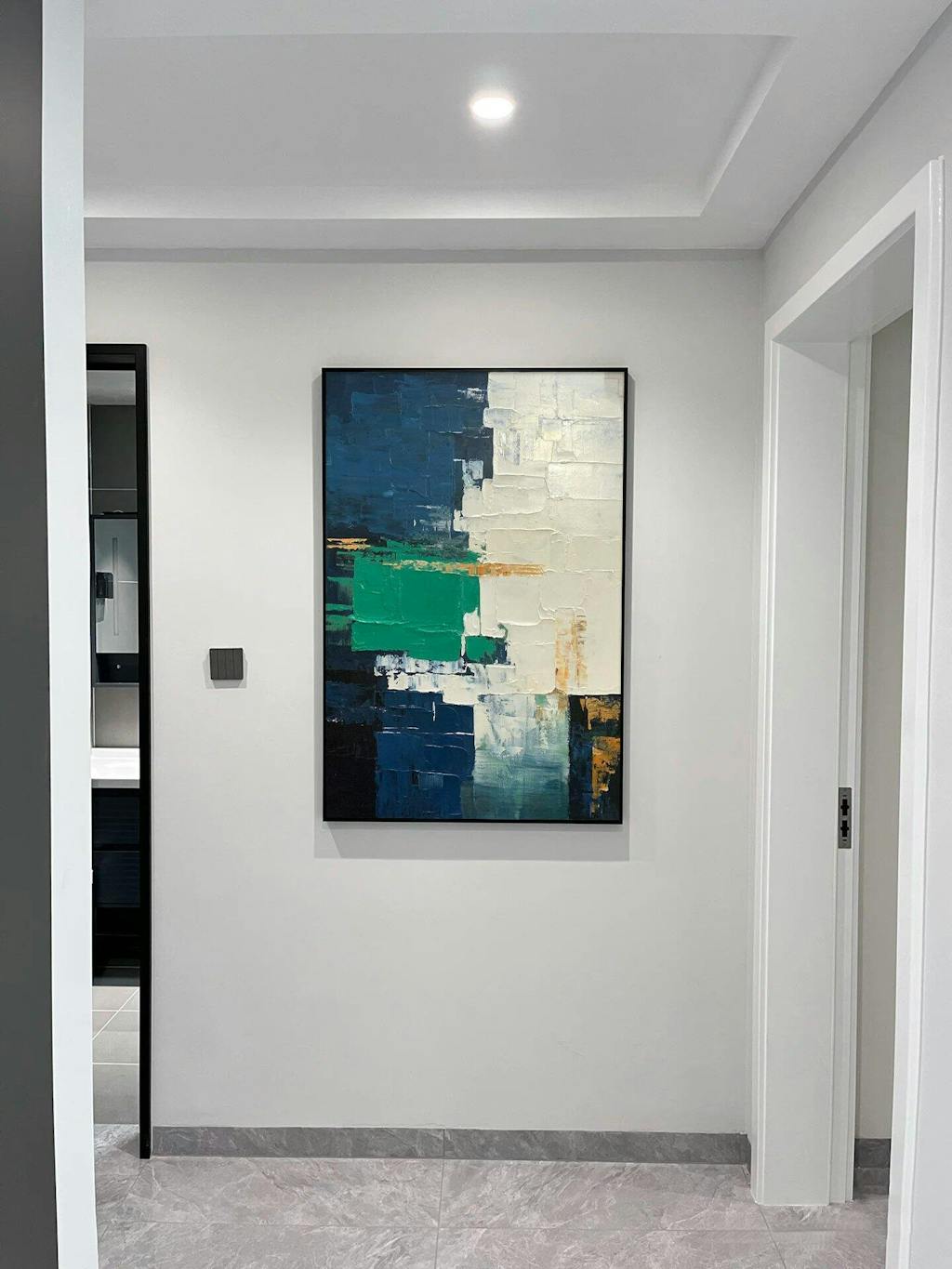
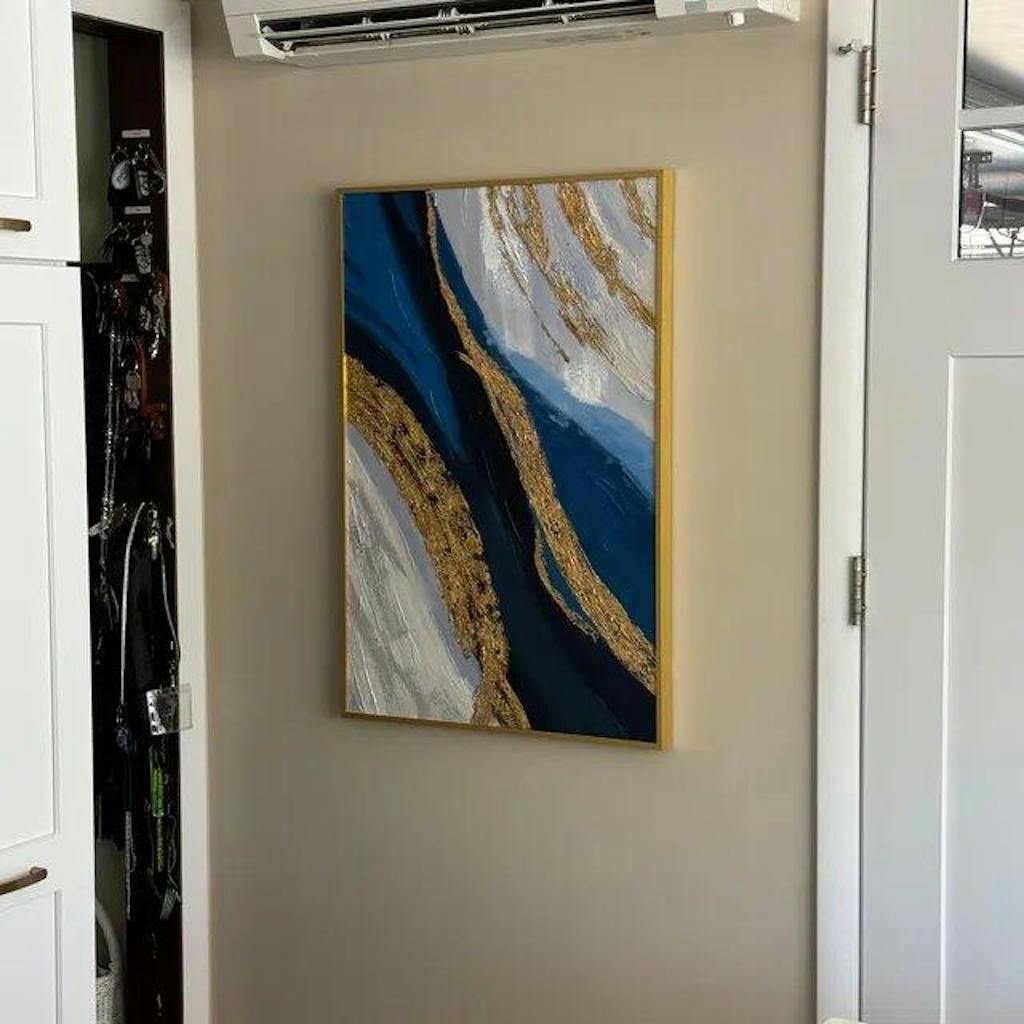
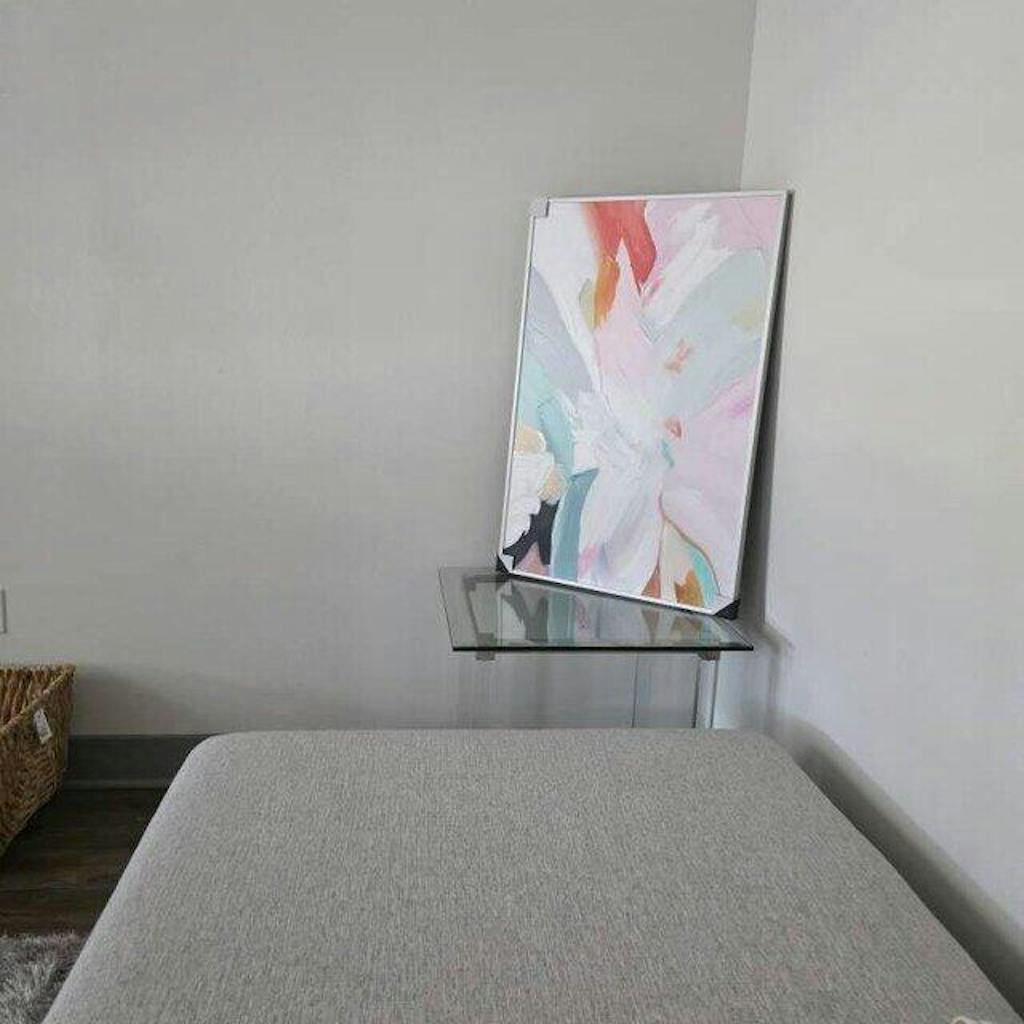
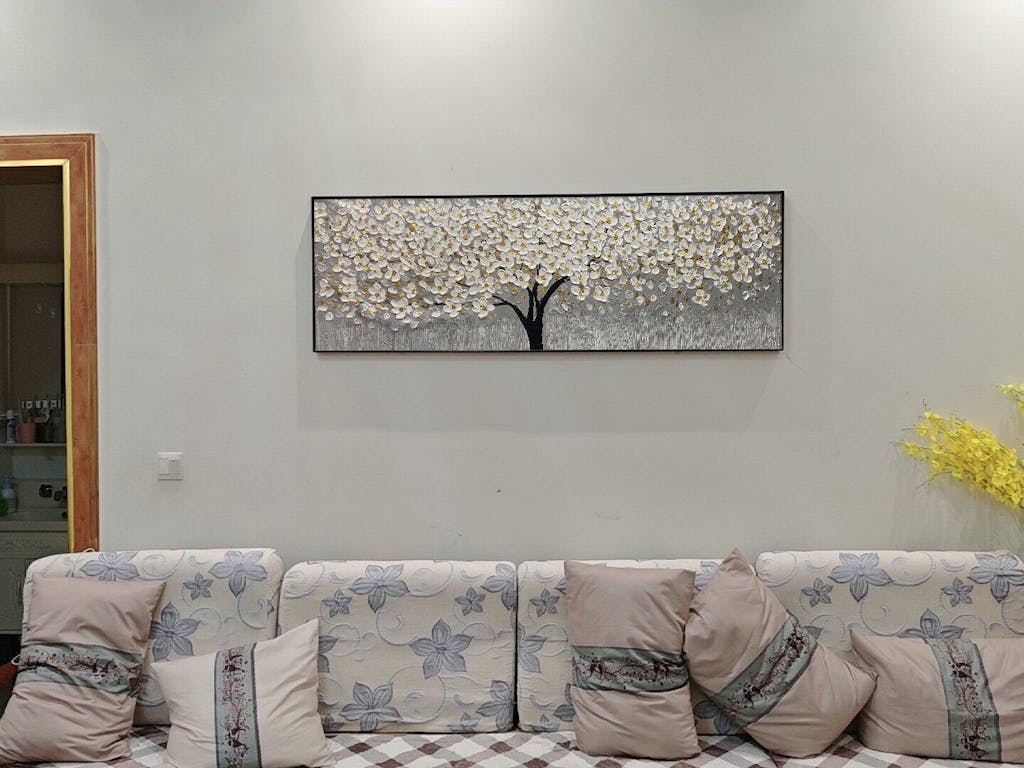
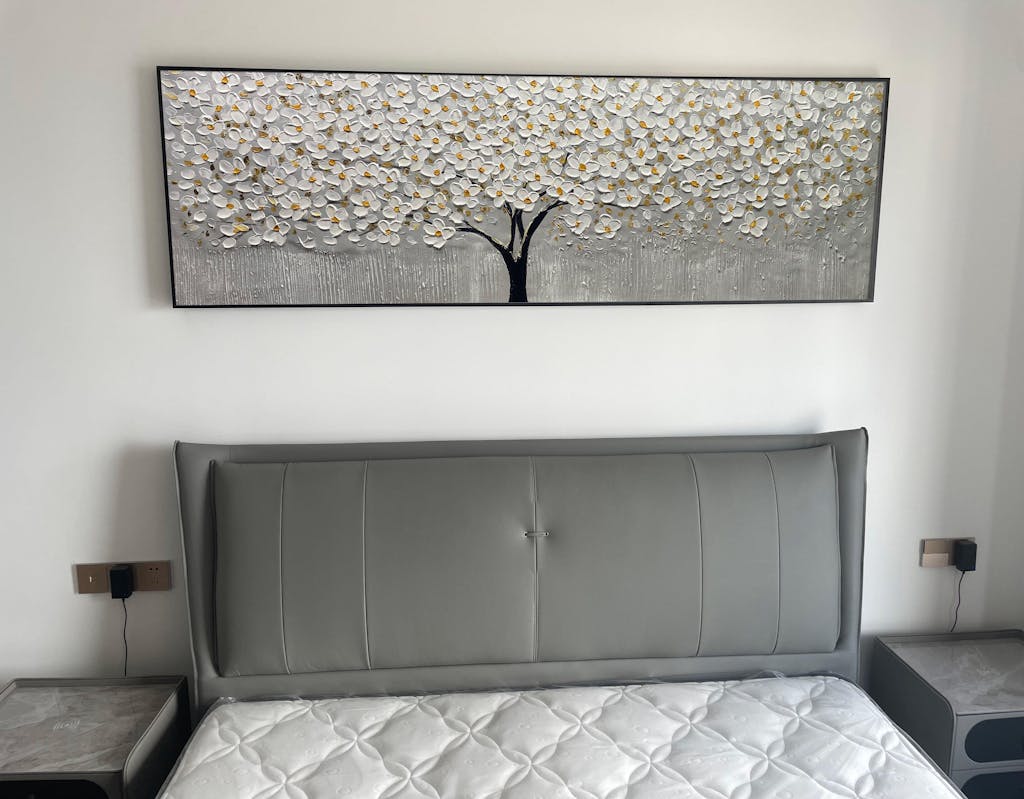
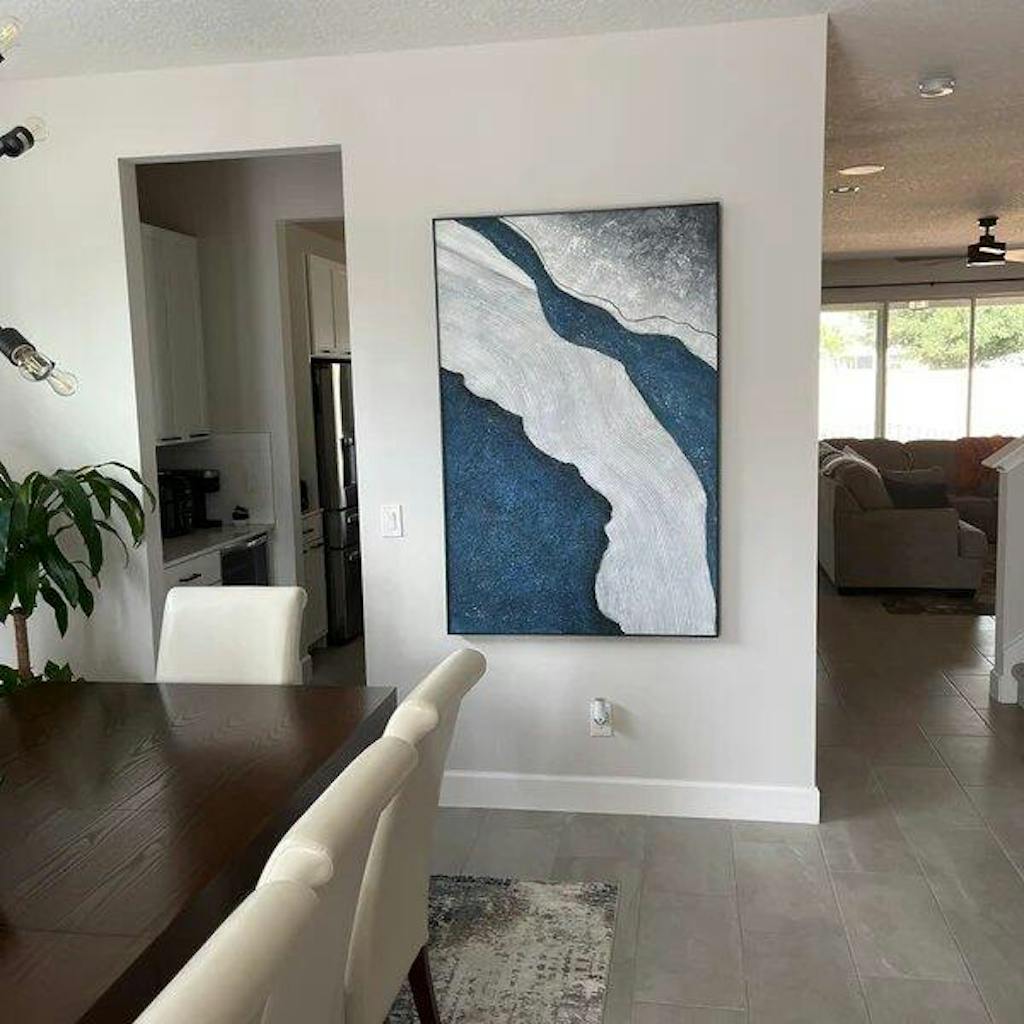
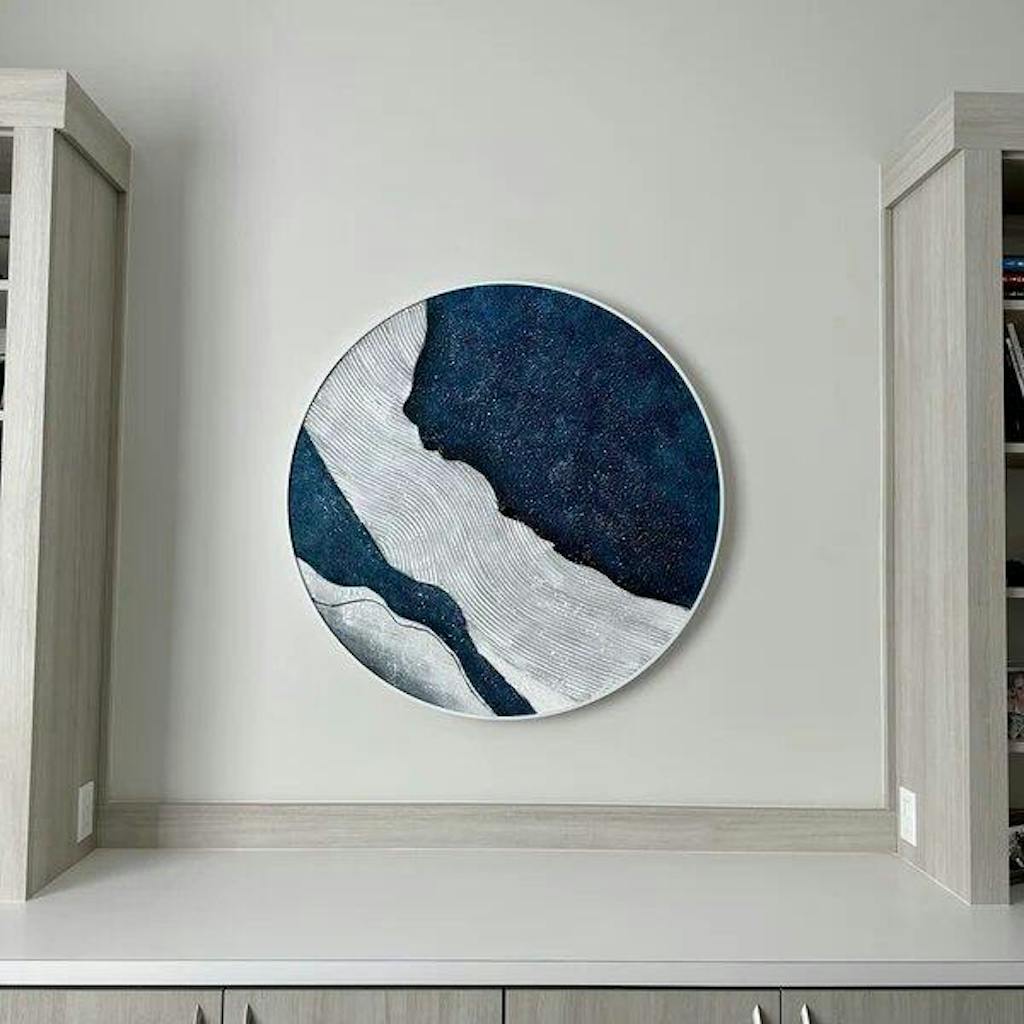
3D textured wall art breaks the flat confines of traditional painting. Instead of relying solely on color and composition, texture painting uses materials to build tangible, sculptural surfaces that you can see and feel. Each piece of 3D texture art creates dynamic shadows and a captivating tactile experience, bringing a unique sense of depth and dimension directly to your walls.

What Is Texture Painting?
Texture painting is an art form that incorporates raised surfaces and layered materials to create dimension. Artists may use thick acrylic mediums, plaster, modeling paste, palette knife techniques, or mixed media elements to build sculptural forms directly onto canvas.
Unlike traditional paintings that depend primarily on visual illusion, texture painting introduces physical depth. The surface itself becomes part of the composition.
The result? Artwork that transforms as light shifts throughout the day.

Why 3D Textured Art Is Trending
Interior design in recent years has moved toward multi-sensory experiences. Homeowners are looking for pieces that feel authentic, handcrafted, and emotionally engaging. 3D textured art delivers exactly that.
Here’s why texture painting is increasingly popular:
1. Dynamic Light & Shadow
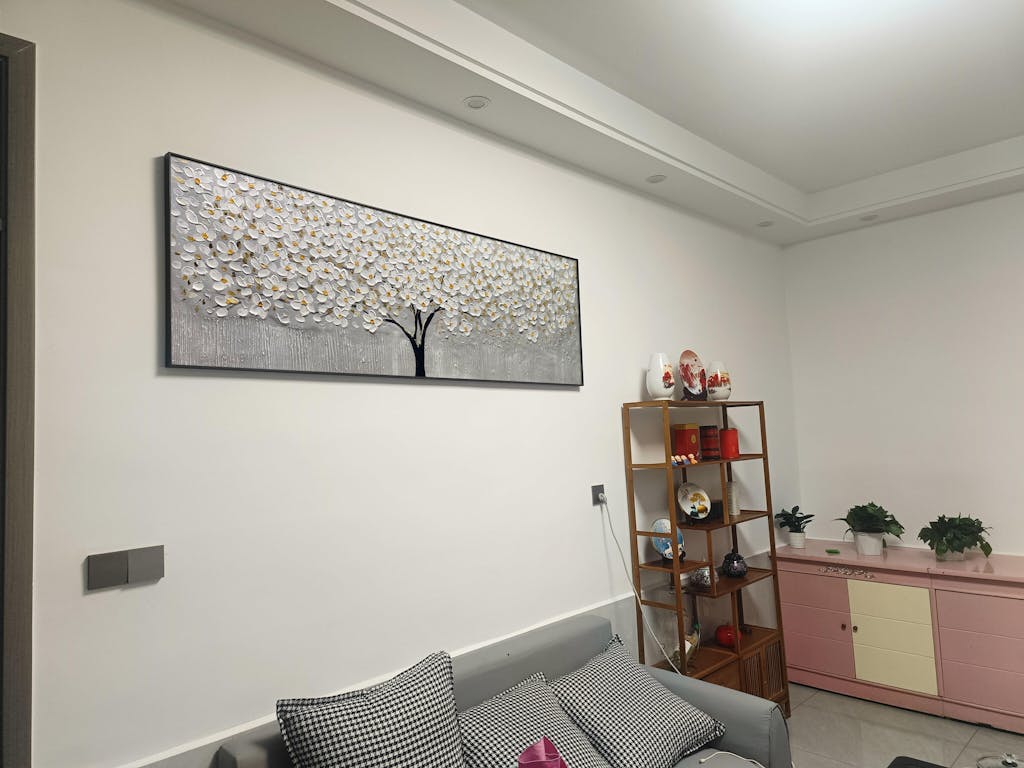
Raised textures interact with natural and artificial light, creating subtle shadows that add movement. A single artwork can look different in the morning sun versus evening lighting.
2. A Sculptural Presence
Texture paintings blur the line between painting and sculpture. They command attention without relying on bold color.
3. Elevated Minimalism
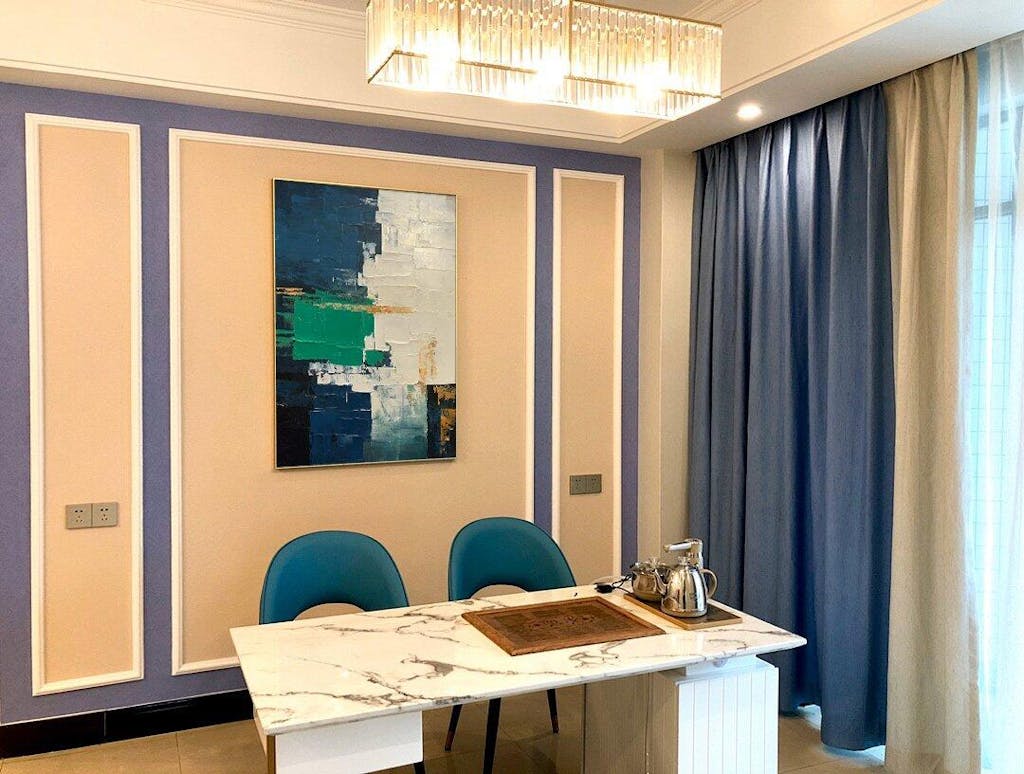
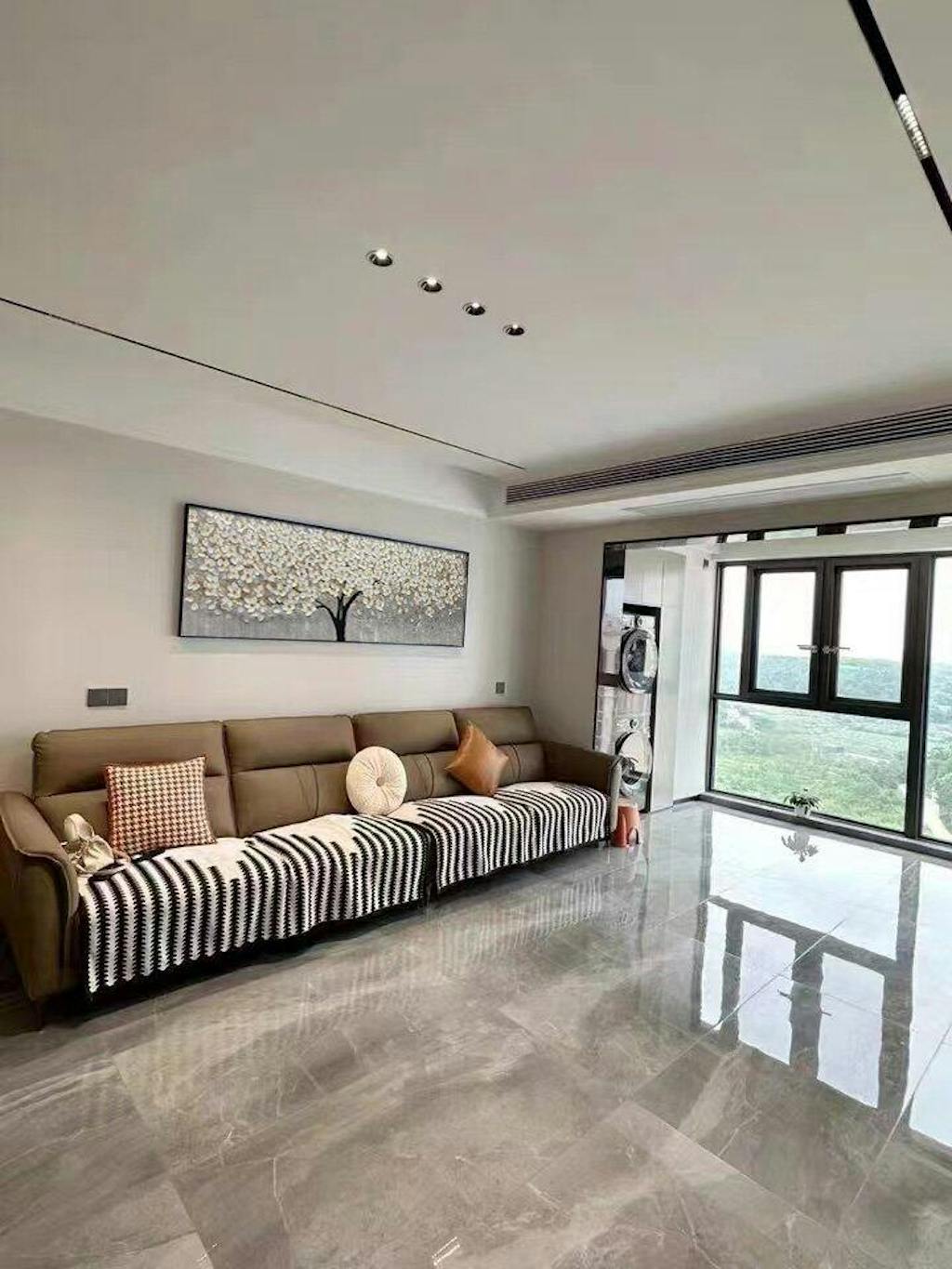
Neutral textured pieces—think white, beige, sand, or soft gray—are especially sought after. They add richness to minimalist interiors without overwhelming the space.

The Emotional Power of Texture
Texture adds more than dimension—it adds feeling.
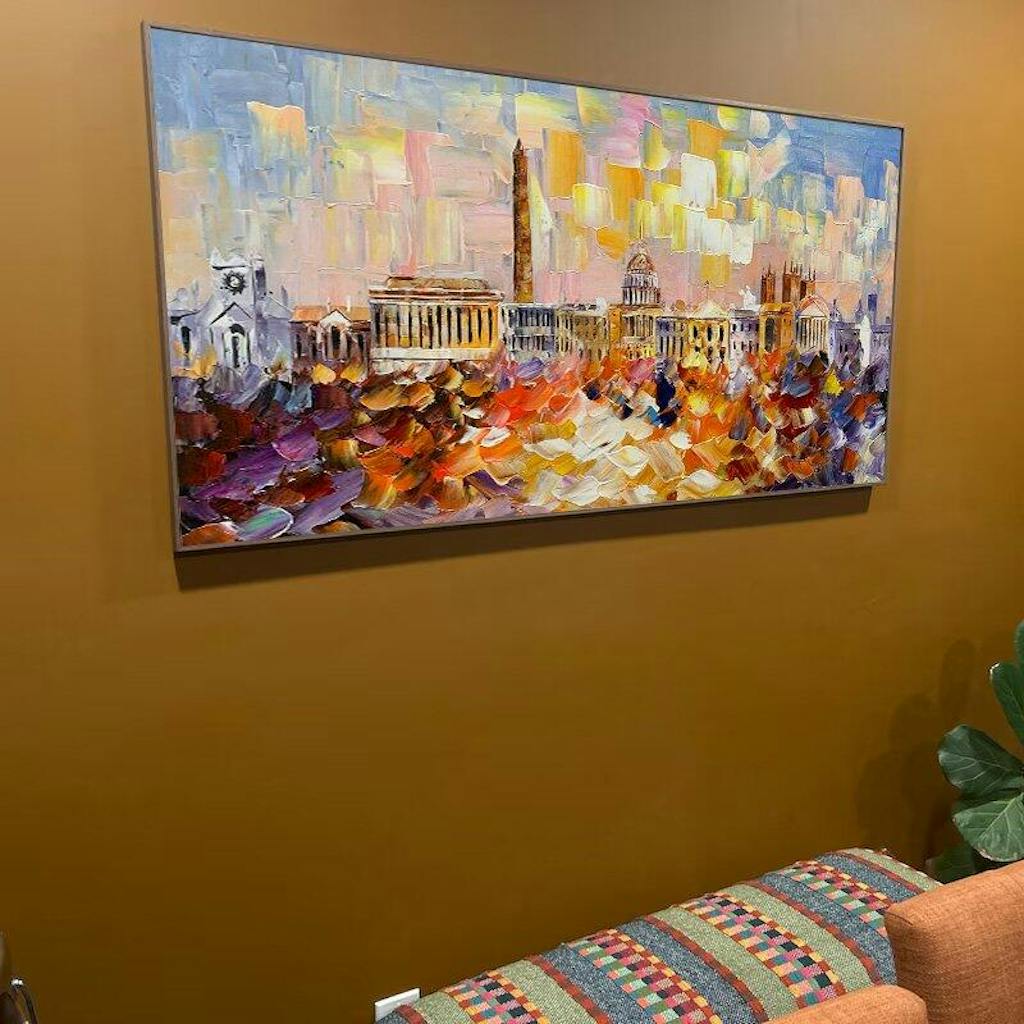
Soft curved forms can feel calming and organic. Bold, sharp ridges can feel powerful and expressive. Heavy palette-knife strokes suggest energy and movement, while smooth plaster finishes evoke tranquility.
In modern living rooms, bedrooms, and even offices, textured wall art brings warmth and personality that flat prints simply cannot replicate.

How to Style Texture Painting in Your Home
If you’re incorporating 3D textured art into your space, consider these tips:
-
Go Larger: Oversized textured pieces create a strong focal point.
-
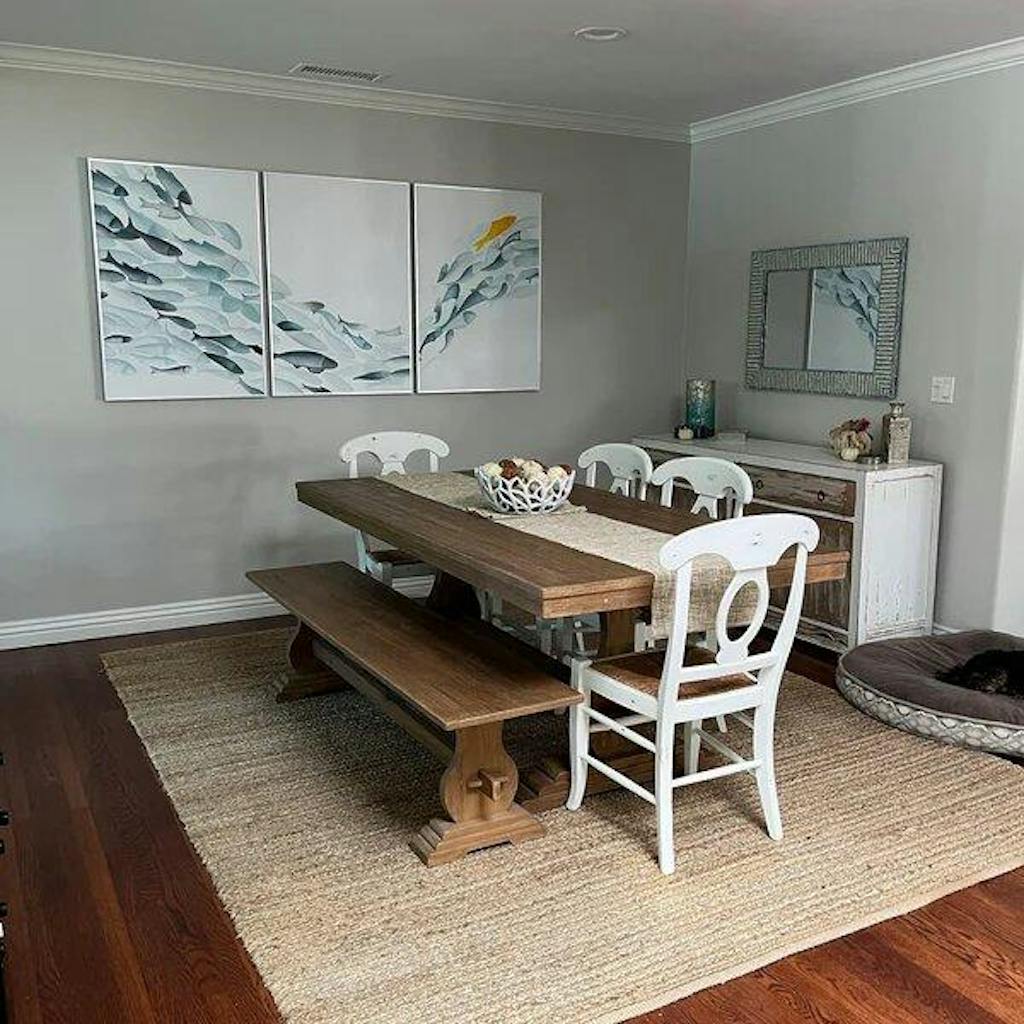
Keep Surroundings Simple: Let the texture shine by avoiding busy patterns nearby.
-
Use Strategic Lighting: Wall-mounted lights or natural side lighting enhance shadows.
-
Choose Neutral Frames: Floating frames or frameless finishes maintain a modern look.
Texture painting works beautifully with natural materials like linen sofas, wooden furniture, stone accents, and soft textiles.

Texture Painting as a Statement of Craftsmanship
In an era of mass production, texture painting celebrates craftsmanship. Every ridge, curve, and layered detail is shaped by hand. No two pieces are ever exactly alike.
This individuality makes 3D textured art more than decoration—it becomes a statement of authenticity and artistic expression.

Final Thoughts
Texture painting redefines what wall art can be. By breaking free from flat surfaces and embracing sculptural depth, 3D textured art creates immersive, living compositions that transform with light and perspective.
If you’re looking to elevate your space with art that offers dimension, movement, and tactile beauty, textured wall art may be the perfect choice in Ridyart.
Because sometimes, the most powerful art isn’t just seen—it’s felt.







Laat een reactie achter
Deze site wordt beschermd door hCaptcha en het privacybeleid en de servicevoorwaarden van hCaptcha zijn van toepassing.