
التعبيرات المتعددة للون الأزرق: 5 لوحات محيطية مزخرفة للديكورات الداخلية العصرية
تعبيرات الأزرق المتعددة: 5 لوحات محيطية ذات ملمس للديكورات الداخلية العصرية
لطالما ارتبط اللون الأزرق ارتباطًا وثيقًا بالمحيط. فقد يبدو هادئًا ومطمئنًا، أو عميقًا وغامضًا، أو قويًا ودراميًا. لكن الأعمال الفنية التي تصور المحيط بالأزرق لا يجب أن تبدو متشابهة.
من خلال اختلاف التكوينات والملمس وضربات الفرشاة ومستويات التجريد، يمكن للوحة الألوان الزرقاء نفسها أن تعبّر عن أجواء وتفسيرات مختلفة تمامًا للبحر.
تستكشف هذه اللوحات البحرية الخمس ذات الملمس المحيطَ كلٌّ بطريقتها الخاصة، مع اشتراكها في عنصر مميز واحد: ملمس غني وواضح يضفي الحياة على سطح الماء.
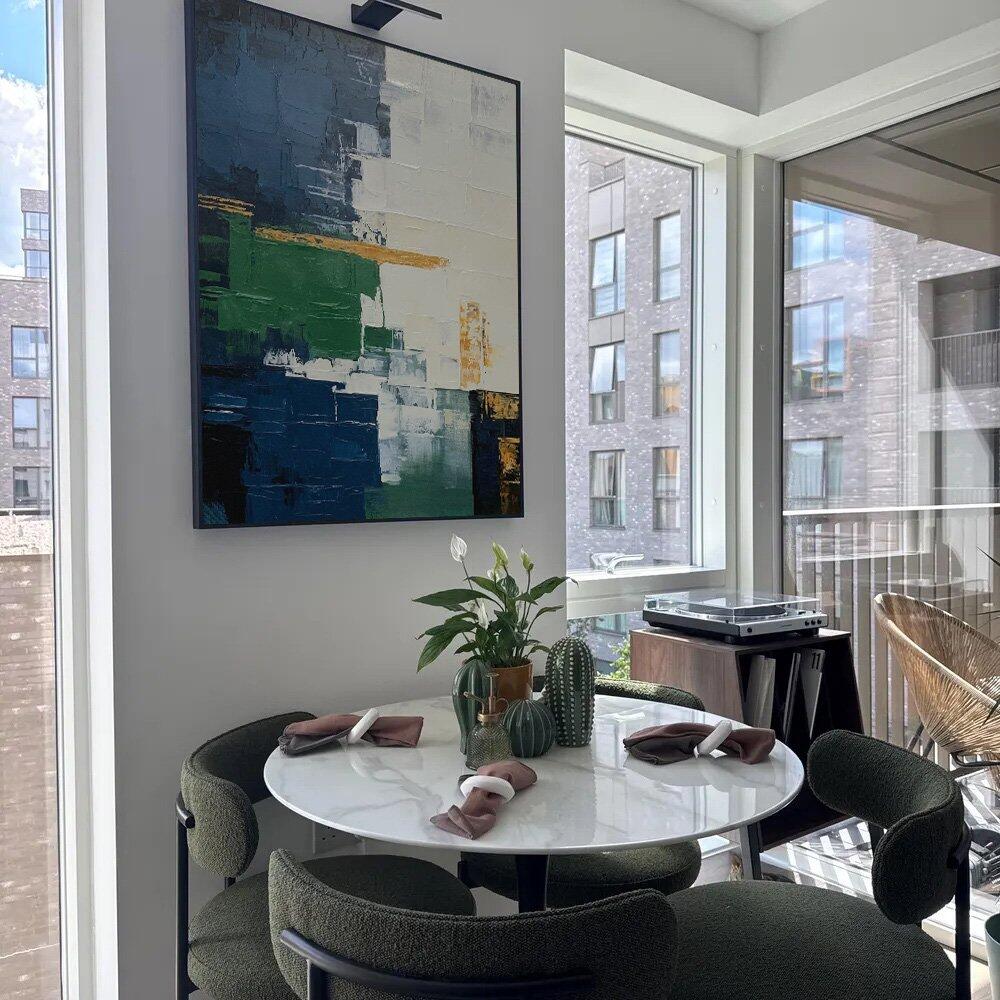
1. الأفق الهادئ — الجانب الساكن من المحيط
تتخذ اللوحة الأولى نهجًا أكثر هدوءًا تجاه البحر.
يخلق التكوين الواسع ودرجات الأزرق المتعددة إحساسًا بالمسافة والانفتاح. وبدلًا من التركيز على الأمواج الدرامية، يبرز العمل الفني الإيقاع الهادئ للمحيط والشعور بالامتداد الذي يخلقه الأفق.
يضيف السطح ذو الملمس حركة subtle إلى الماء، مما يتيح للضوء أن ينعكس على مناطق مختلفة من اللوحة. ومن مسافة بعيدة، يبدو التكوين هادئًا ومتقنًا؛ أما عن قرب، فتكشف طبقات الملمس عن مزيد من التفاصيل.

يُعد هذا النوع من الأعمال الفنية البحرية مثاليًا لغرف النوم وغرف المعيشة والديكورات الداخلية البسيطة، حيث يكون الهدف خلق أجواء هادئة.
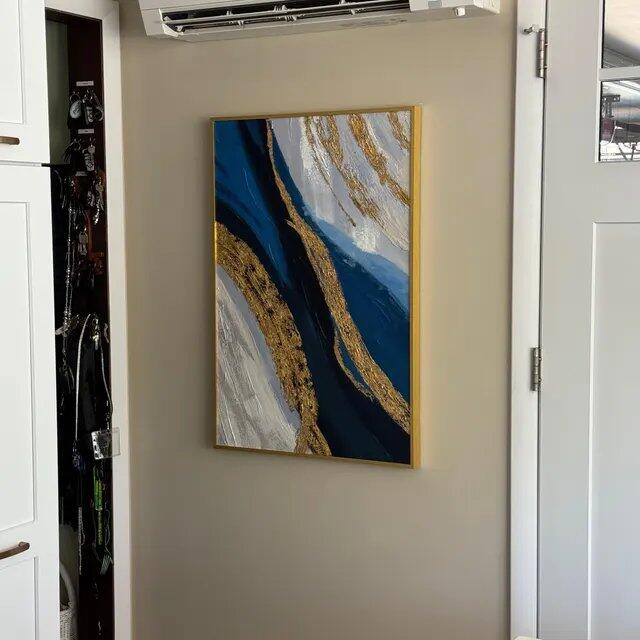
2. الماء المتحرك — التقاط إيقاع الأمواج
تركّز اللوحة الثانية بدرجة أكبر على الحركة.
بدلًا من تقديم المحيط على هيئة منظر طبيعي ساكن، يستخدم العمل الفني خطوطًا انسيابية وضربات فرشاة تعبيرية ذات ملمس للإيحاء بأمواج تتحرك عبر سطح الماء.
تتداخل درجات مختلفة من الأزرق وتتفاعل معًا، فتخلق إحساسًا ديناميكيًا بالعمق. ويبرز النسيج المرتفع اتجاه ضربات الفرشاة، مما يتيح للمشاهد أن يكاد يتتبع حركة الأمواج.
يناسب هذا الأسلوب بشكل خاص الديكورات الداخلية المعاصرة، حيث يُراد للعمل الفني أن يضفي حيوية وحركة بصرية على الغرفة.

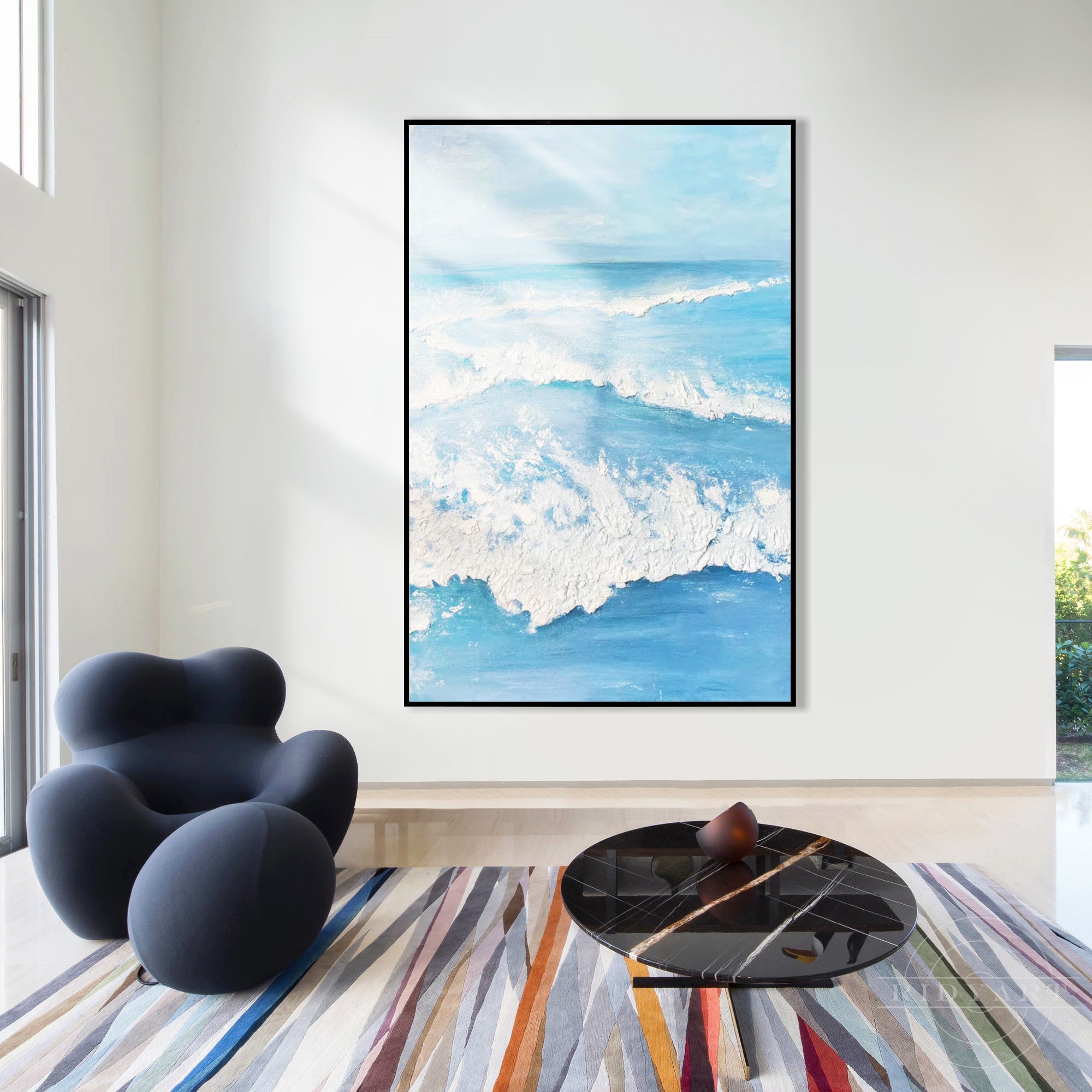
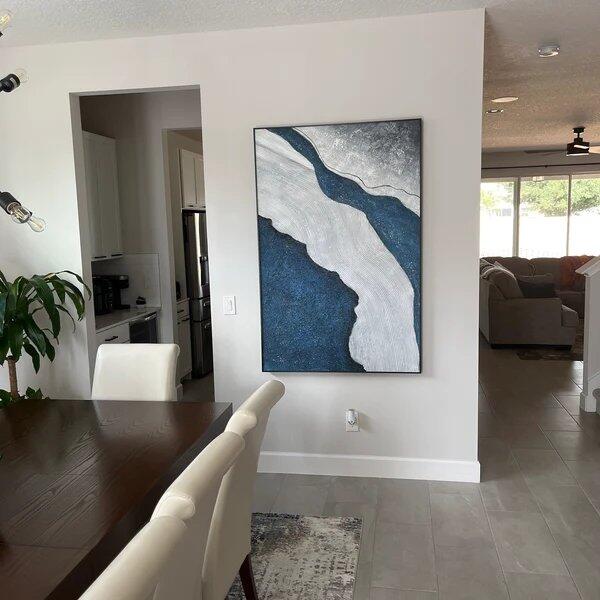
3. زبد المحيط — الملمس هو الموضوع الرئيسي
في اللوحة الثالثة، يصبح الملمس هو العنصر المحوري.
يتباين الماء الأزرق العميق مع المناطق السميكة والبارزة التي تمثل الزبد وحركة الأمواج المتكسرة. وبدلاً من الاكتفاء برسم مظهر المحيط، يستخدم العمل الفني ملمسًا فعليًا لإعادة خلق طابعه الملموس.
يخلق التباين الأقوى بين المناطق الناعمة وتلك ذات الملمس الكثيف تأثيرًا نحتيًا. ومع تحرك الضوء الطبيعي عبر السطح، تُنشئ التفاصيل البارزة لمحات وظلالًا متغيرة.
يجعل هذا اللوحة فعّالة بشكل خاص كقطعة بارزة فوق أريكة أو سرير أو مدفأة أو وحدة كونسول كبيرة.

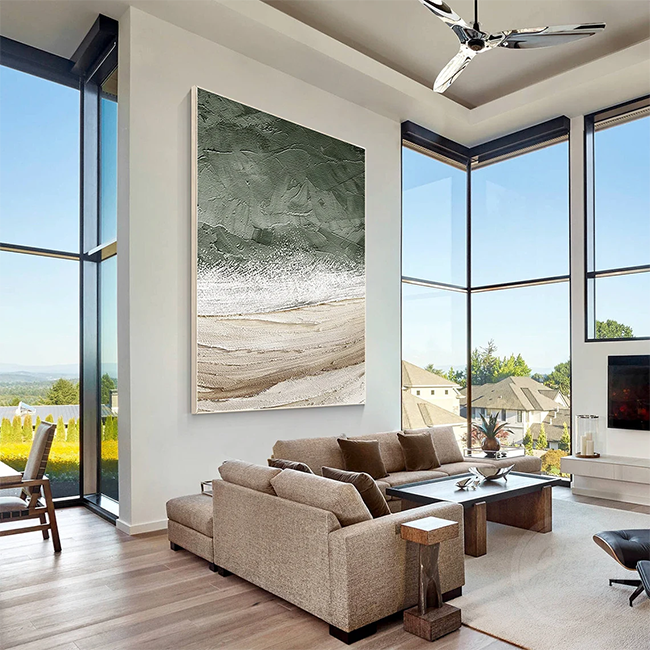
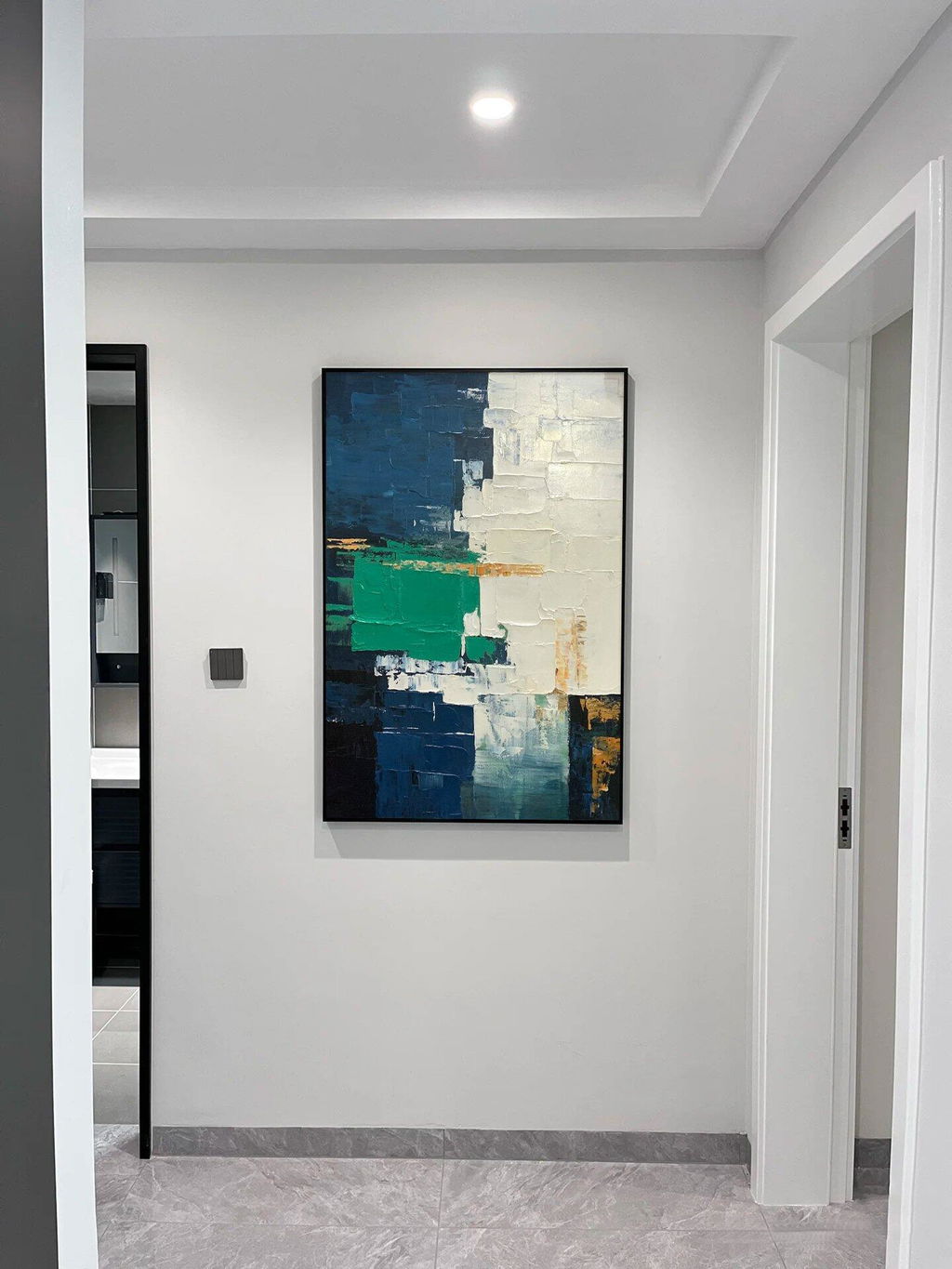
4. بحر أخضر أزرق — تفسير أكثر أجواءً
يستكشف العمل الفني الرابع الطابع الأعمق والأكثر غموضًا للمحيط.
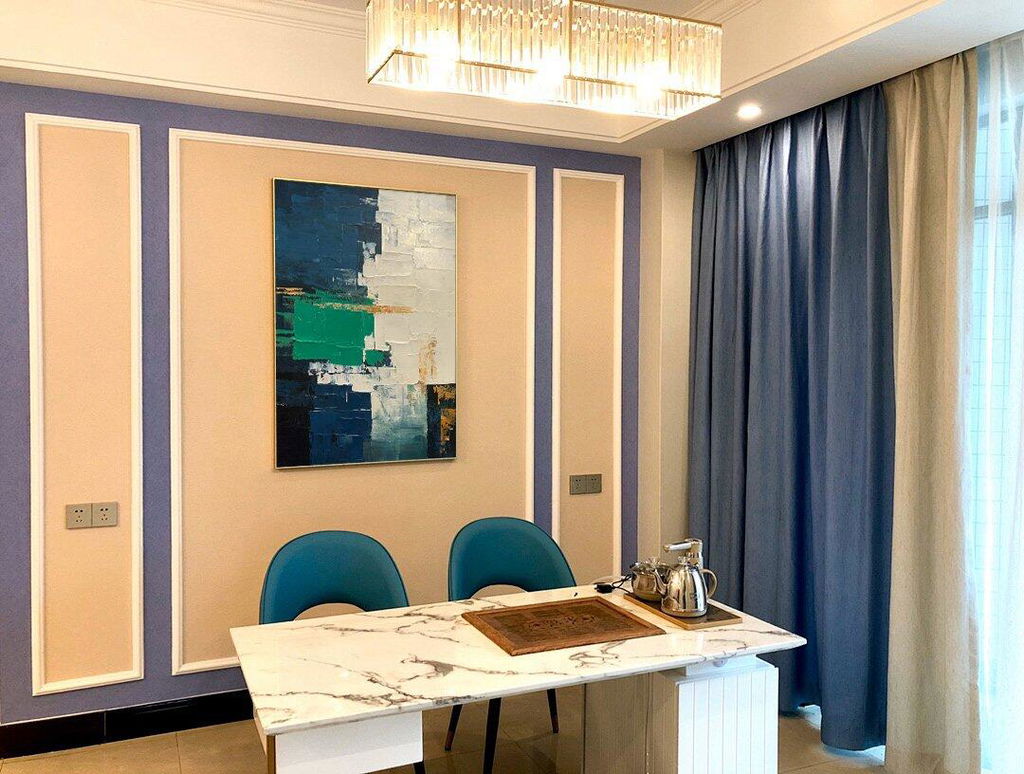
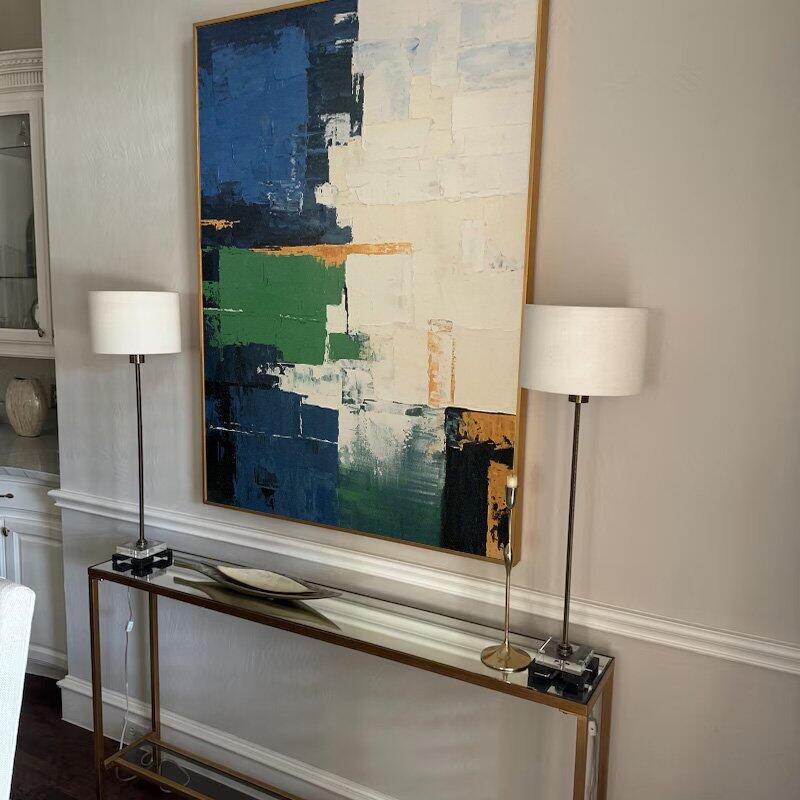
بدلاً من إبراز الأمواج الفردية، يستخدم التكوين طبقات متعددة من الأزرق الداكن والمتوسط لخلق إحساس جوي بالعمق. ويمنح السطح ذو الملمس اللوحة شعورًا بالحركة تحت السطح، كما لو أن الماء يتغير باستمرار.
تجعل ألوانها الداكنة منها خيارًا مناسبًا بشكل خاص للتصميمات الداخلية الراقية التي تضم ألوان الفحم والخشب الطبيعي والألوان المحايدة الدافئة أو غيرها من ألوان اللمسات العميقة.
هذا فن محيطي بطابع أكثر هدوءًا وتأملًا.

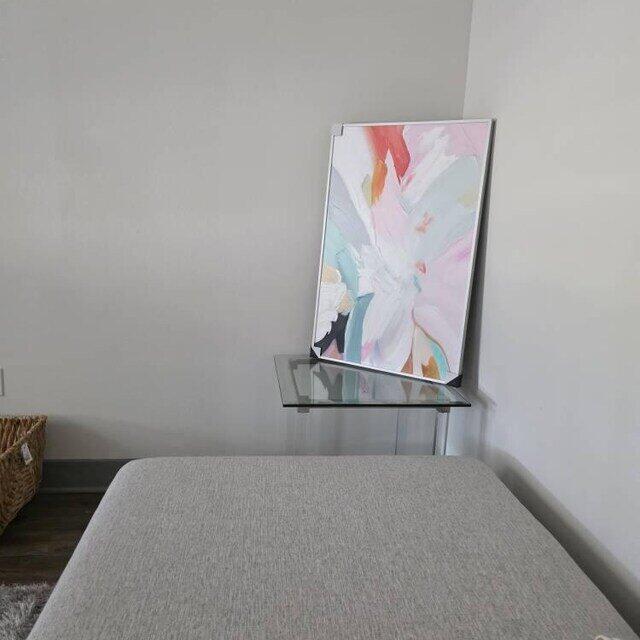
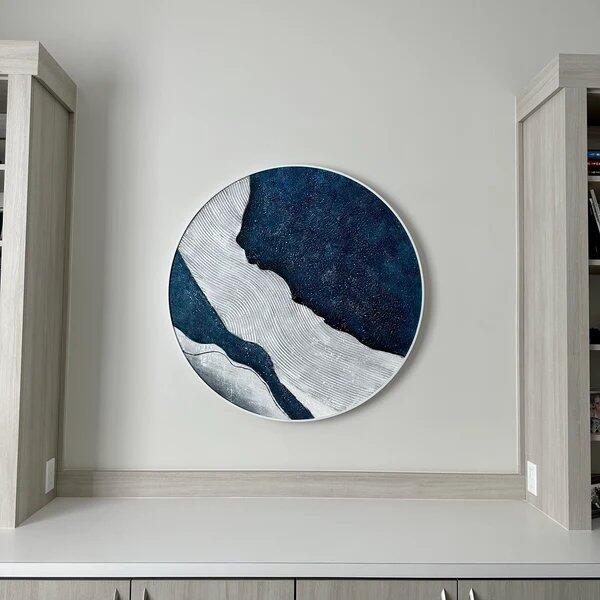
5. موجة تجريدية — محيط بلا حدود
تتخذ اللوحة الخامسة النهج الأكثر تجريدًا.
بدلاً من تصوير ساحل محدد أو مشهد بحري واقعي، يحوّل هذا العمل المحيط إلى أشكال وحركة وملمس. توحي الأشكال المتدفقة بالأمواج، بينما تخلق درجات الأزرق المتراكبة إحساسًا بالإيقاع والعمق.
يتيح غياب الأفق المحدد بوضوح للمشاهد تفسير العمل الفني بطريقته الخاصة. فقد يبدو كأمواج أو ماء أو رياح، أو ببساطة كتعبير تجريدي عن الطبيعة.
وهذا ما يجعلها متعددة الاستخدامات بشكل خاص في المساحات الداخلية العصرية والمعاصرة وتصاميم الجاباندي والبسيطة.

لون واحد، خمس قصص مختلفة
على الرغم من أن اللوحات الخمس جميعها تتمحور حول لوحة ألوان زرقاء مستوحاة من المحيط، يعبّر كل عمل فني عن شيء مختلف.
تركّز إحدى القطع على السكون والأفق.
وتلتقط قطعة أخرى إيقاع المياه وحركتها.
تركّز إحدى القطع على الملمس وزبد المحيط.
وتستكشف قطعة أخرى عمق البحر وغموضه.
أما القطعة الأخيرة فتحوّل المحيط إلى تعبير تجريدي خالص عن الحركة والشكل.
ما يجمع بينها هو استخدام ملمس غني مطبّق يدويًاوتتيح الأسطح البارزة للضوء التفاعل مع العمل الفني، مما يخلق تغيرات دقيقة في اللون والظل والعمق على مدار اليوم.
لماذا ينجح فن المحيط المزخرف بشكل كبير في المساحات الداخلية العصرية
الأزرق لون متعدد الاستخدامات بطبيعته. فهو يضفي إحساسًا بالهدوء من دون أن يجعل الغرفة تبدو عادية، بينما تضيف الأسطح المزخرفة دفئًا وعمقًا.
تتناسق الأعمال الفنية المستوحاة من المحيط بشكل رائع مع الأثاث الكريمي والبيج والرمادي الداكن والخشب الطبيعي والكتان والحجر والألوان المحايدة الهادئةوفي مساحة داخلية أكثر دراماتيكية، يمكن للأعمال الفنية باللون الأزرق الداكن أن تنسجم أيضًا بشكل رائع مع الفحمي أو الأسود أو الخشب الداكن.
ولأن هذه اللوحات تعتمد على الملمس بقدر اعتمادها على اللون، فيمكن أن تؤدي دور العمل الفني والعنصر النحتي على الجدار في آنٍ واحد.
استحضار إحساس المحيط إلى المنزل
لا تحتاج إلى العيش بالقرب من الساحل للاستمتاع بأجواء البحر.
يمكن للوحة محيط زرقاء مزخرفة أن تضفي إحساسًا بالاتساع والحركة والسكينة على أي مساحة داخلية عادية. وعلى الرغم من أن هذه الأعمال الفنية الخمسة تشترك في موضوع المحيط الأزرق نفسه، فإن أساليبها المختلفة توضح عدد الطرق التي يمكن من خلالها تفسير البحر عبر الفن.
من الآفاق الهادئة إلى الأمواج العاتية، ومن المياه الزرقاء العميقة إلى الأشكال التجريدية التعبيرية، تحكي كل لوحة قصة مختلفة عن المحيط.






اترك تعليقًا
This site is protected by hCaptcha and the hCaptcha Privacy Policy and Terms of Service apply.