
How Wabi-Sabi Art Complements Japandi Interiors in Modern Homes
In 2026, interior design is moving toward calm, intentional living. One of the most influential styles leading this shift is Japandi—a fusion of Japanese minimalism and Scandinavian comfort.
At the heart of Japandi lies an essential philosophy: Wabi-Sabi—the appreciation of imperfection, simplicity, and natural beauty.
This makes Wabi-Sabi wall art not just compatible with Japandi interiors—but essential to completing the aesthetic.

What Is Wabi-Sabi in Art?
Wabi-Sabi is a Japanese aesthetic philosophy centered on “imperfect, impermanent, and incomplete” beauty.
In art, this translates into:
- Organic, irregular shapes
- Natural textures (stone, clay, wood-inspired surfaces)
- Muted, earthy color palettes
- Handcrafted, imperfect finishes
Rather than perfection, Wabi-Sabi values authenticity and time-worn character.

What Defines Japandi Interior Design?
Japandi combines:
- Japanese Wabi-Sabi (simplicity, imperfection)
- Scandinavian Hygge (comfort, warmth)
The result is a design style focused on:
- Clean lines and uncluttered spaces
- Natural materials and textures
- Neutral, calming color palettes
- Functional yet beautiful objects
In short:
Japandi = Minimal + Warm + Natural + Intentional

Why Wabi-Sabi Art Fits Japandi Perfectly
1. Shared Philosophy: Simplicity & Imperfection
Wabi-Sabi and Japandi both reject excess and perfection.
- Wabi-Sabi → embraces imperfection
- Japandi → simplifies and refines
Together, they create spaces that feel calm, human, and real
As design experts note, Wabi-Sabi emphasizes natural simplicity and authenticity—core principles also found in Japandi interiors.
2. Natural Materials & Texture Alignment
Japandi interiors rely heavily on:
- Wood
- Linen
- Stone
- Neutral fabrics
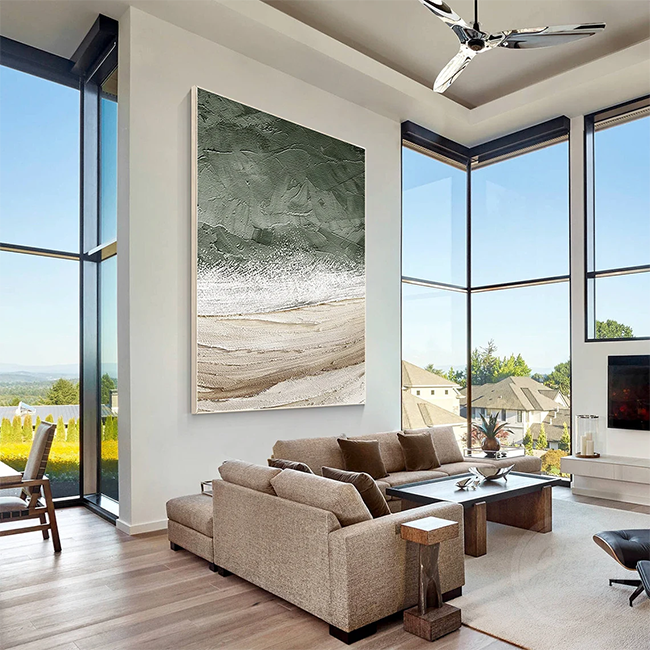
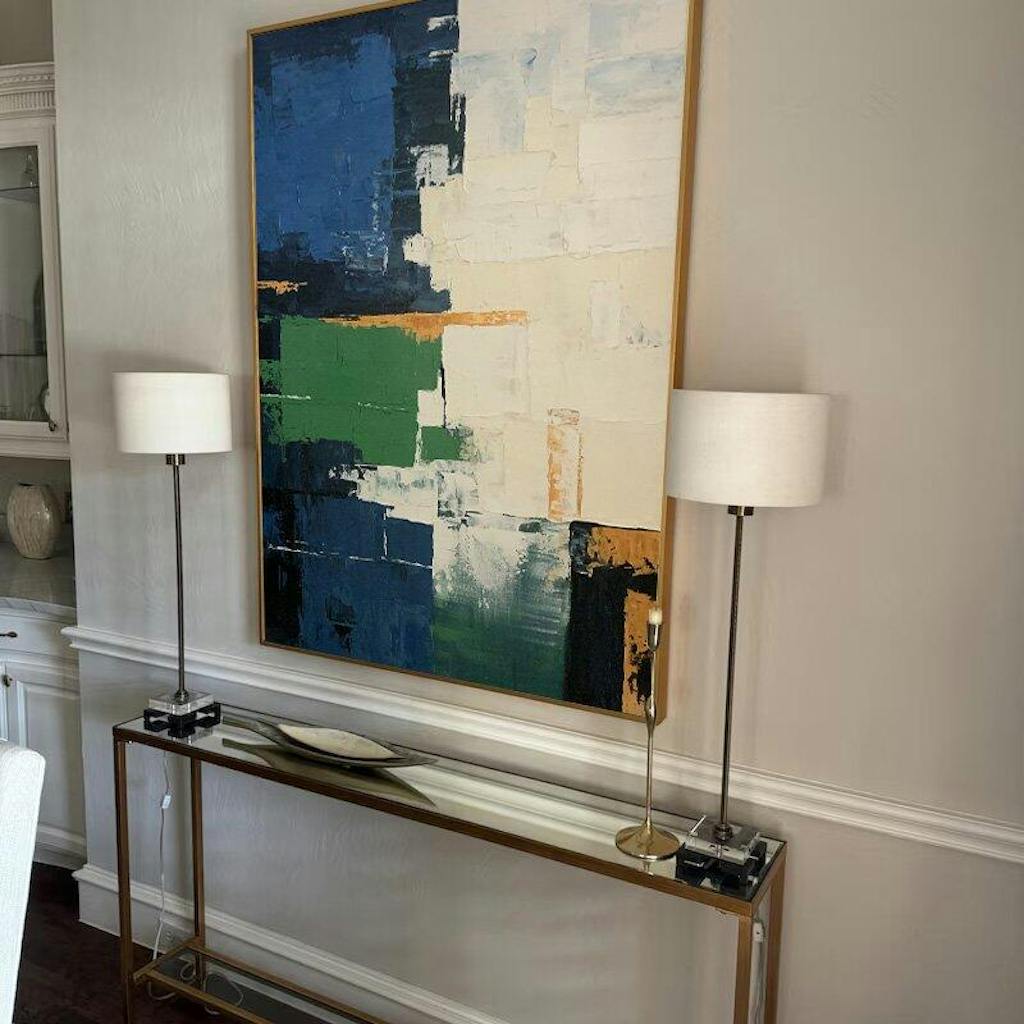
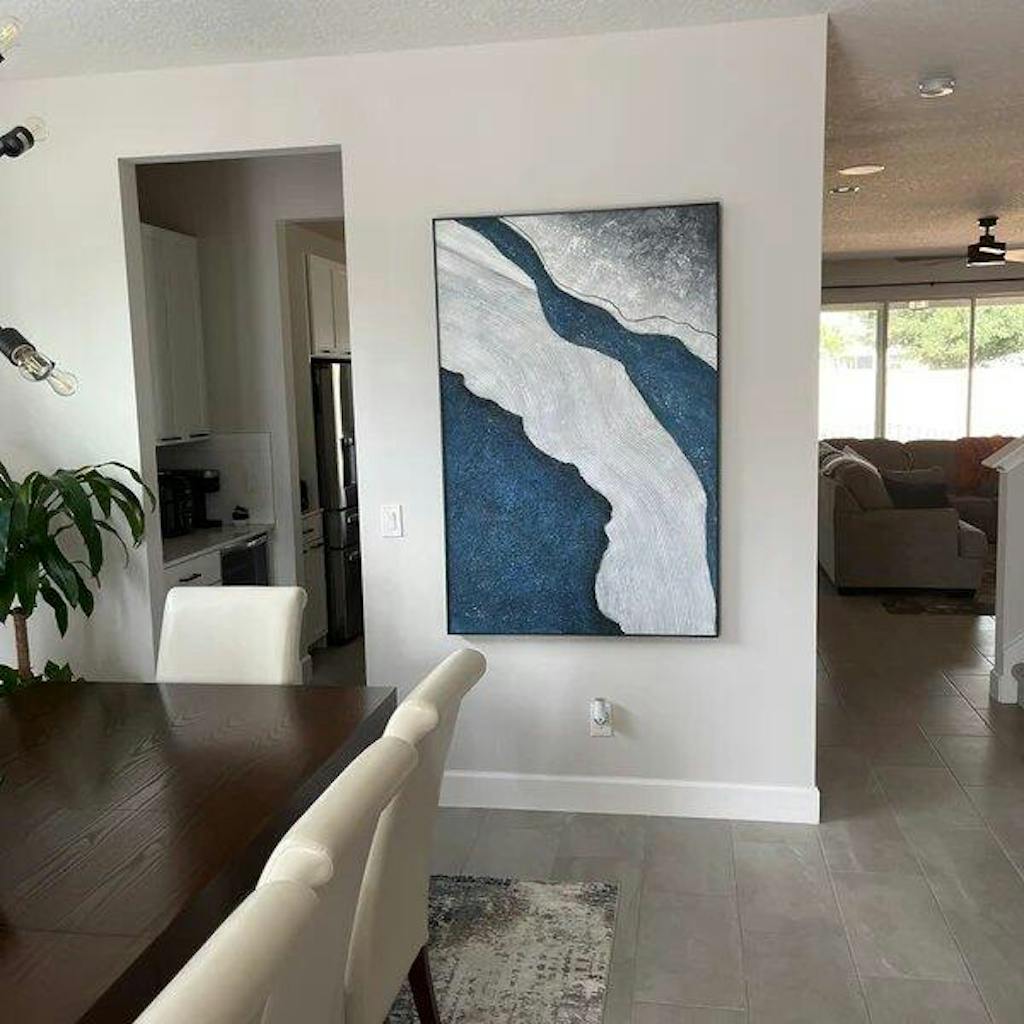
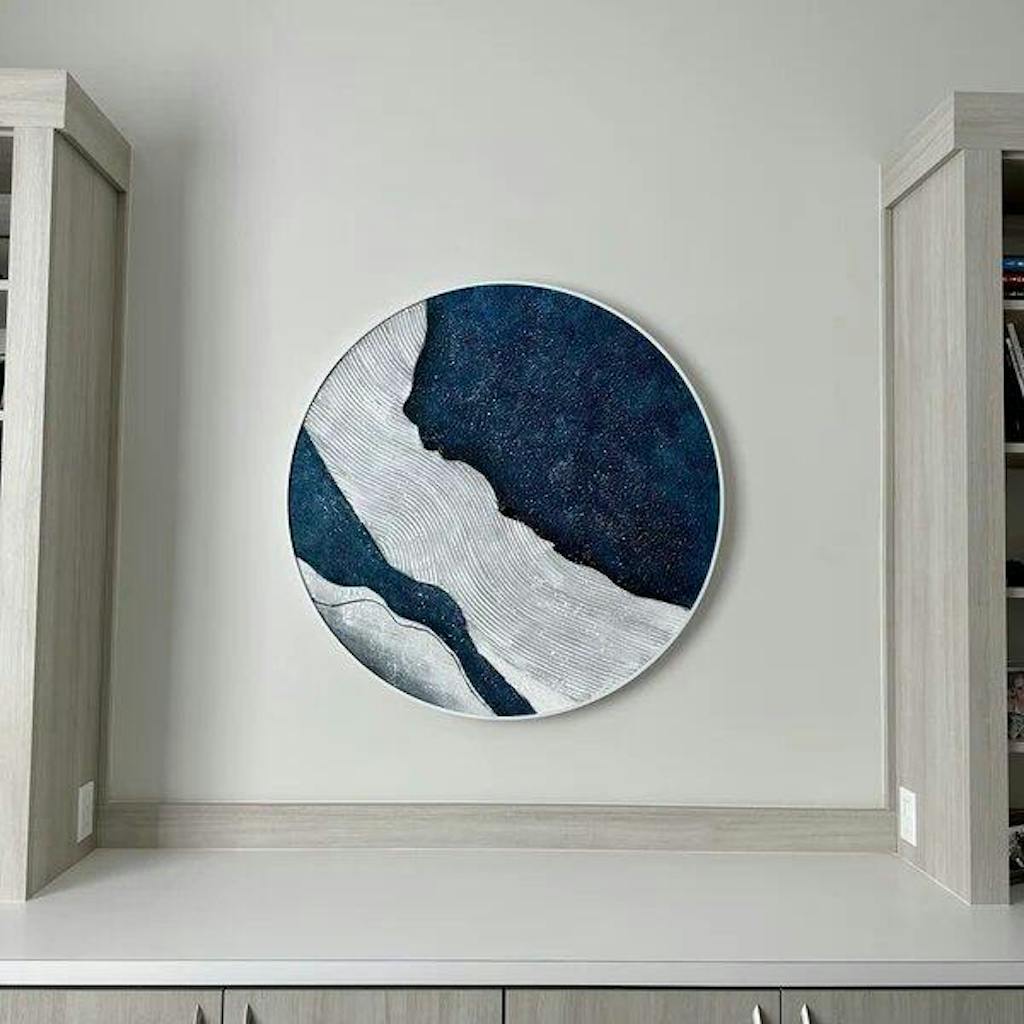
Wabi-Sabi paintings—especially textured, hand-painted artworks—mirror these materials visually.
Example:
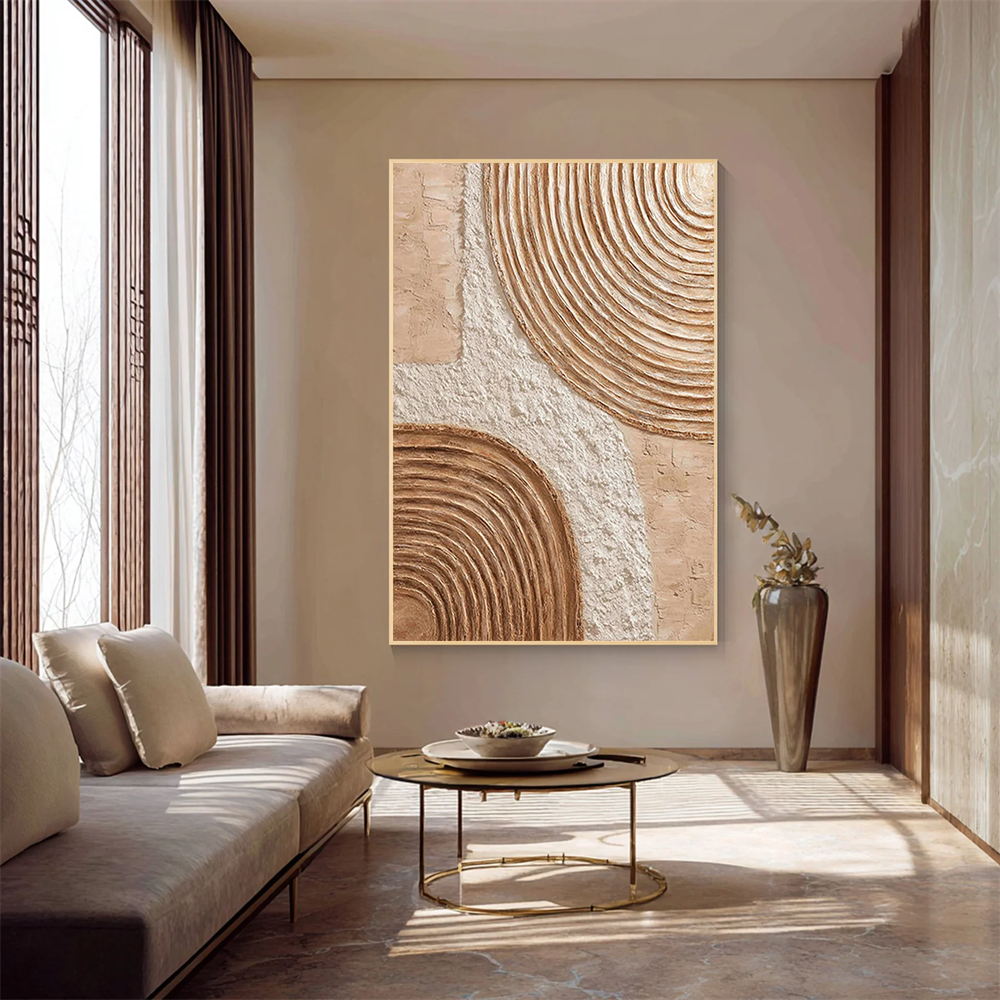
- A textured beige abstract painting = similar feel to plaster walls
- Rough brushstrokes = echo natural surfaces
This creates visual harmony across the entire space

3. Color Palette Compatibility
Both styles share a similar color direction:
- Warm neutrals (beige, cream, taupe)
- Earth tones (brown, muted green)
- Soft gray and off-white
Wabi-Sabi art naturally fits this palette, making it easy to integrate without disrupting the room.
Insight:
Japandi spaces rely on calm, muted tones to promote tranquility and balance.

4. Organic vs Structured Balance
A key difference actually creates the perfect synergy:
- Japandi → clean, structured lines
- Wabi-Sabi → organic, imperfect forms
When combined:
- Furniture provides structure
- Art adds softness and emotion
This balance prevents Japandi interiors from feeling too “cold” or rigid.

5. Emotional Design & Atmosphere
Modern interiors are increasingly designed around feeling, not just function.
Wabi-Sabi art adds:
- Calmness
- Depth
- A sense of time and story
This aligns with Japandi’s goal of creating peaceful, mindful living environments.

How to Use Wabi-Sabi Paintings in Japandi Homes
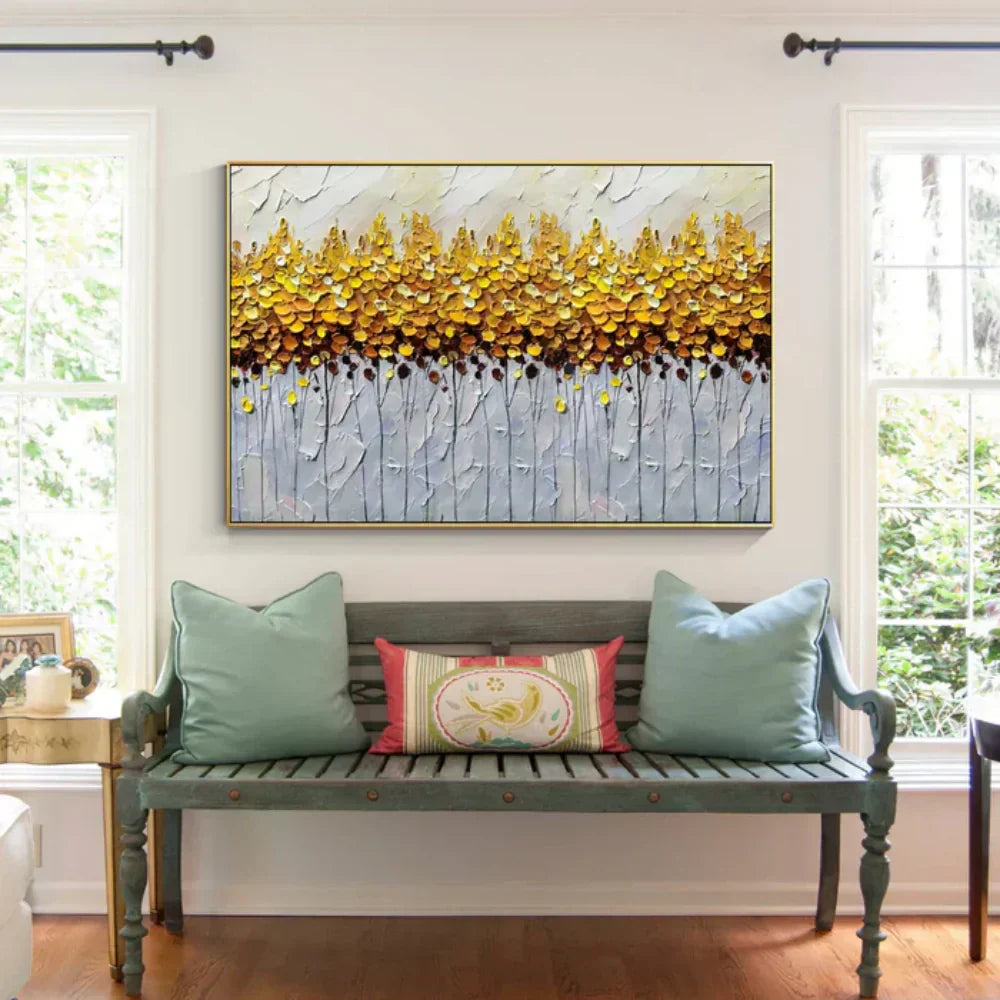
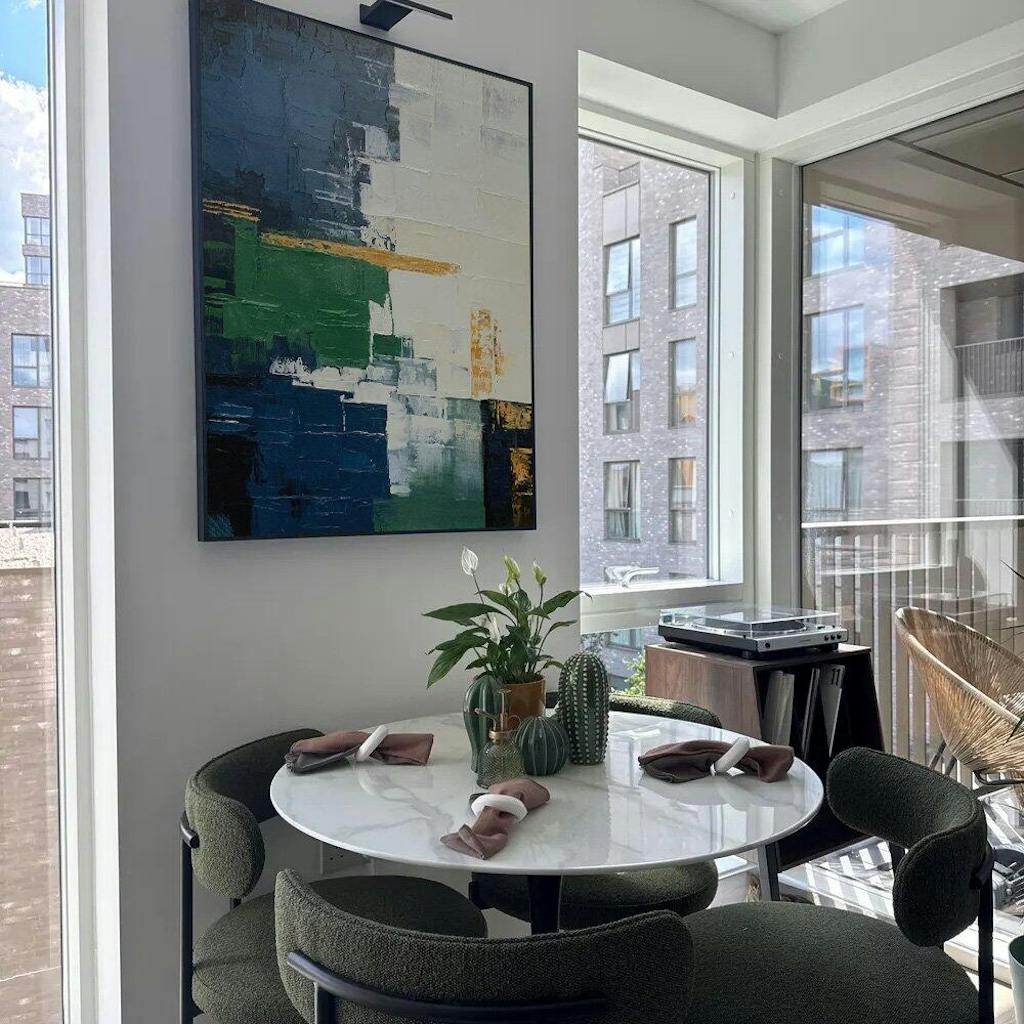
✔ Choose Large, Minimalist Pieces
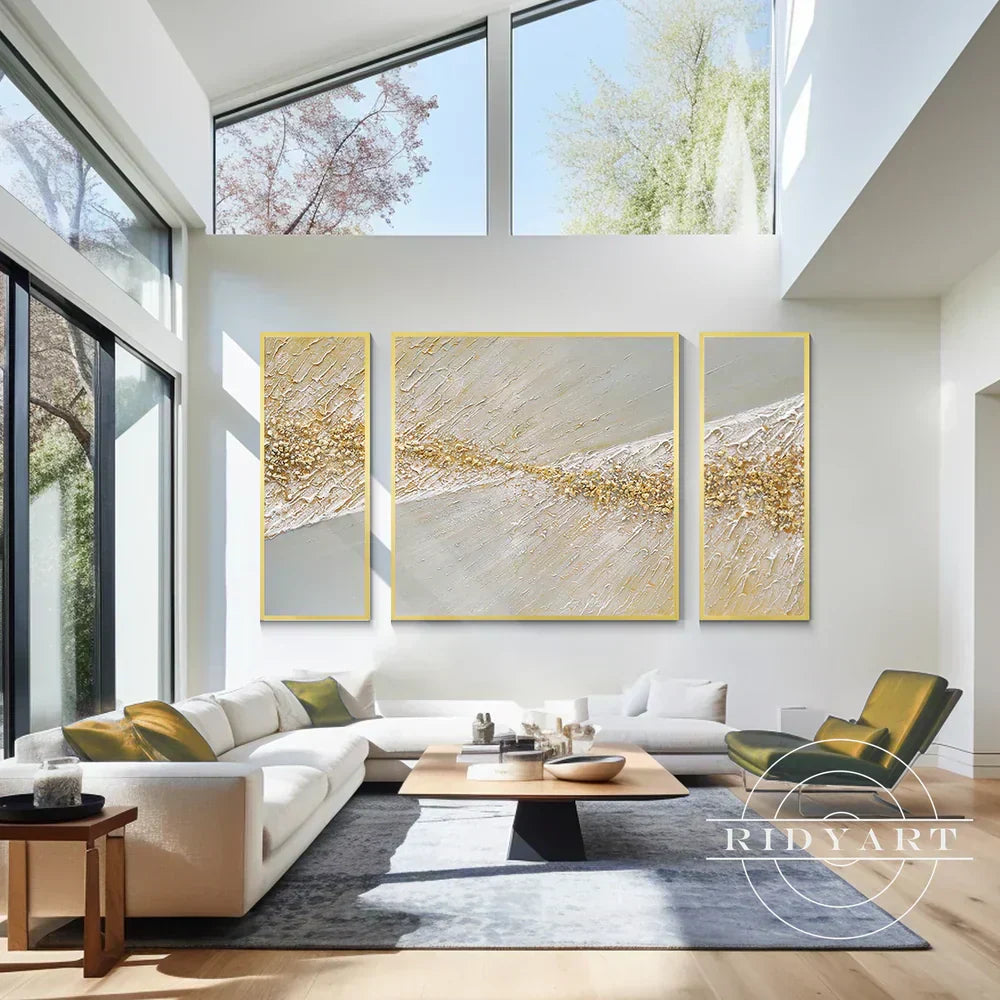
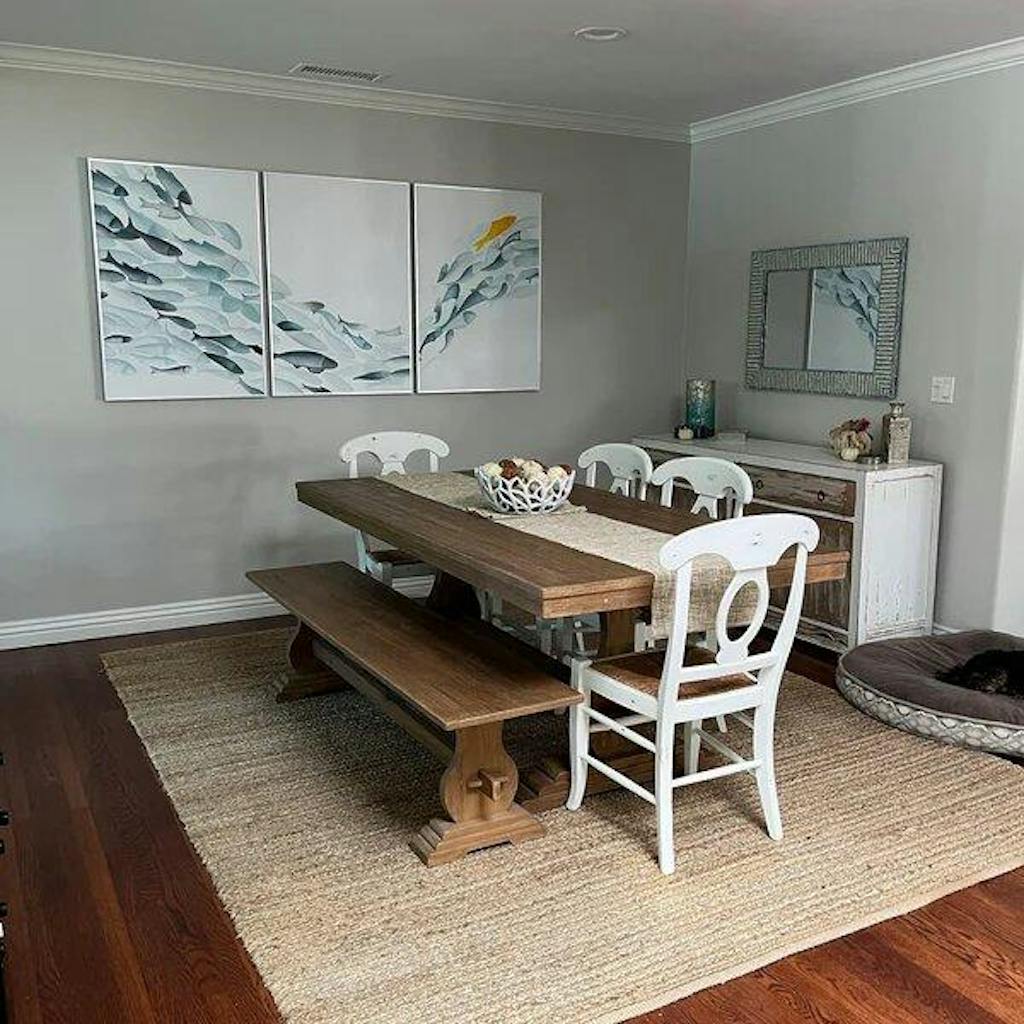
- One large painting works better than many small ones
- Keeps the space uncluttered
✔ Focus on Texture Over Detail
- Heavy texture > complex imagery
- Adds depth without visual noise
✔ Stay Within Neutral & Earth Tones
Best colors:
- Beige
- Warm white
- Soft gray
- Muted green
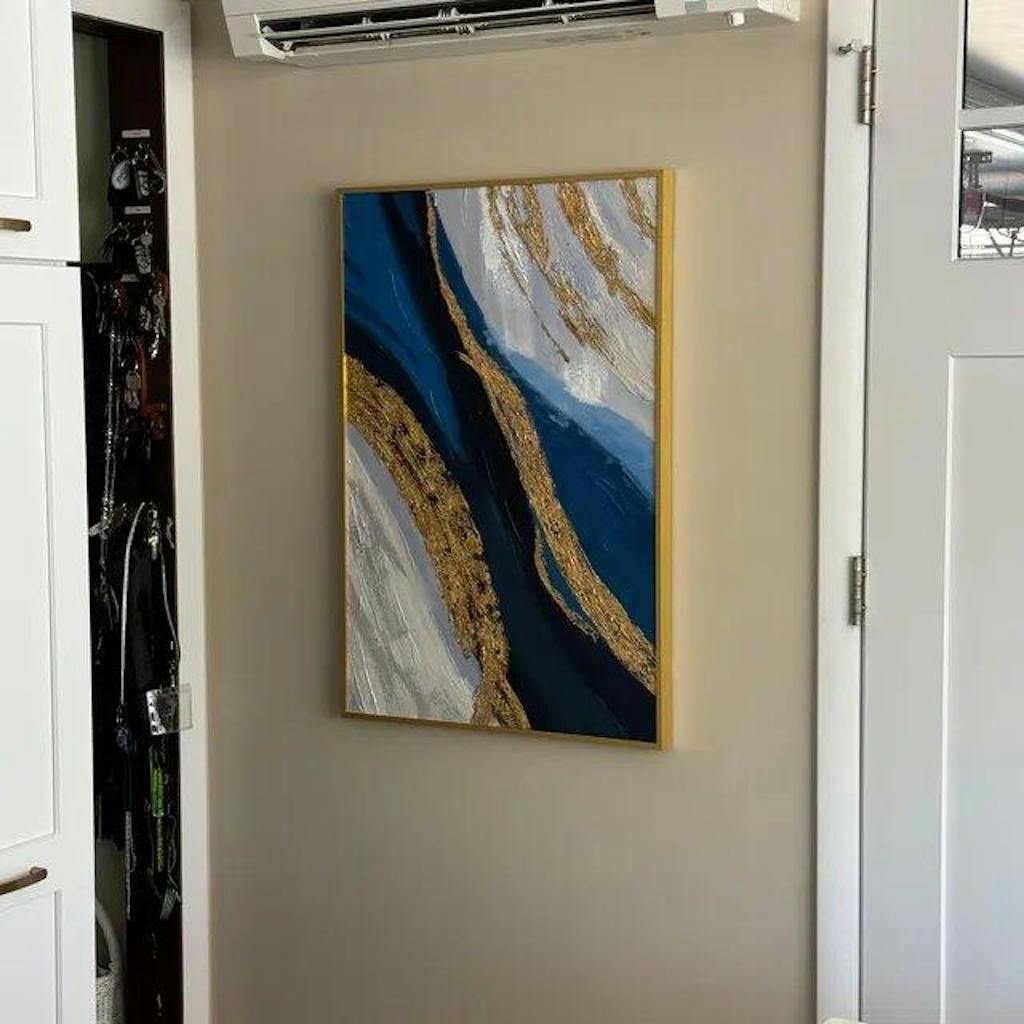
✔ Embrace Imperfection
Look for:
- Uneven textures
- Raw brush strokes
- Asymmetrical composition
These are not flaws—they are the essence of Wabi-Sabi
✔ Placement Matters
Best locations:
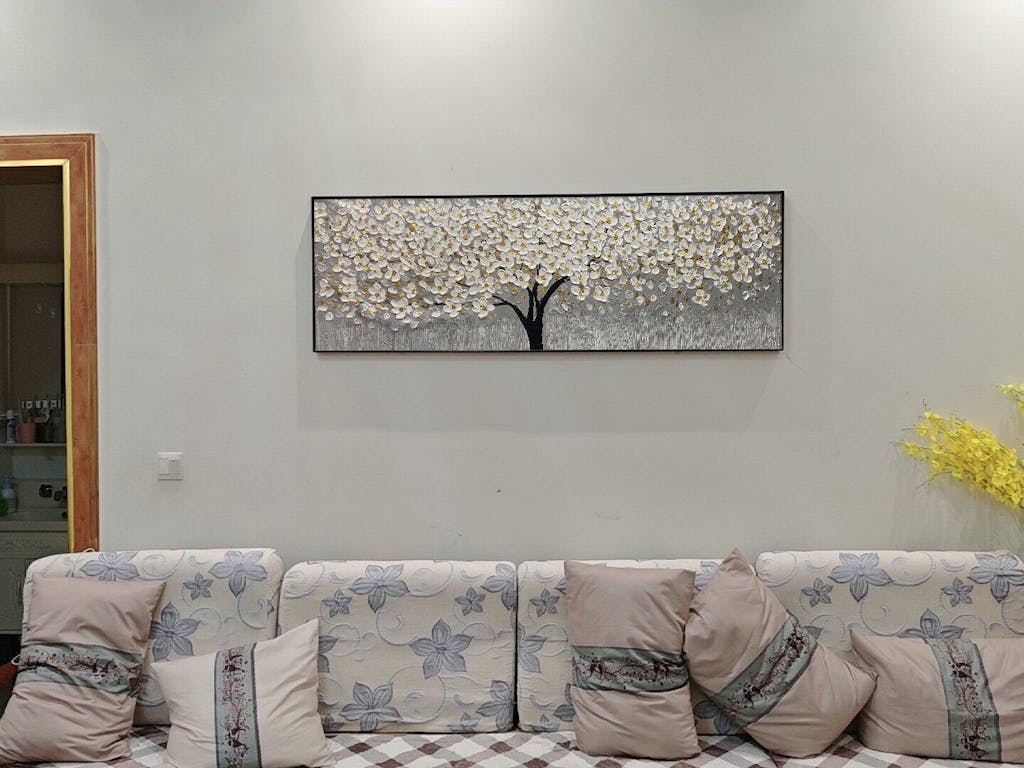
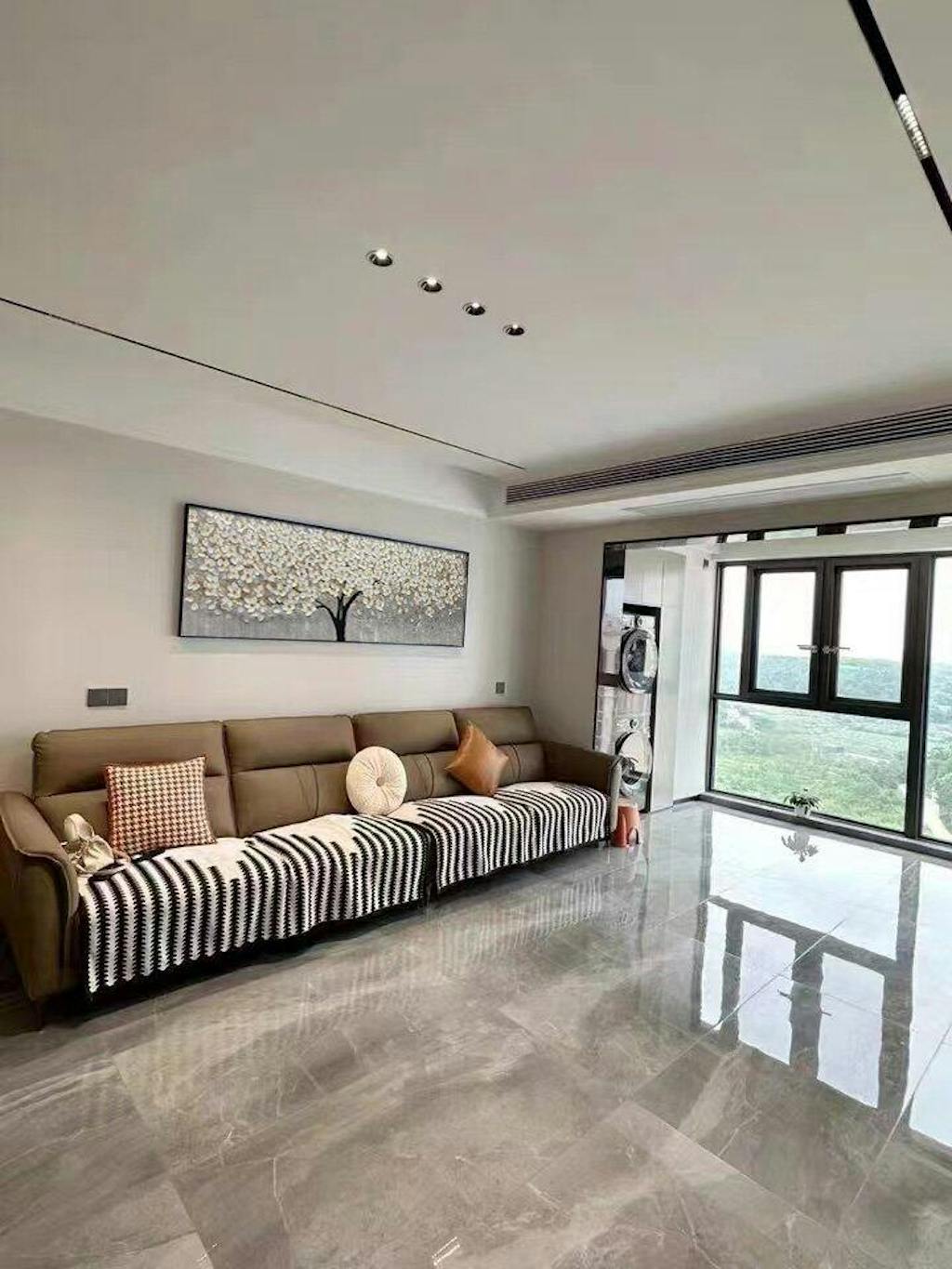
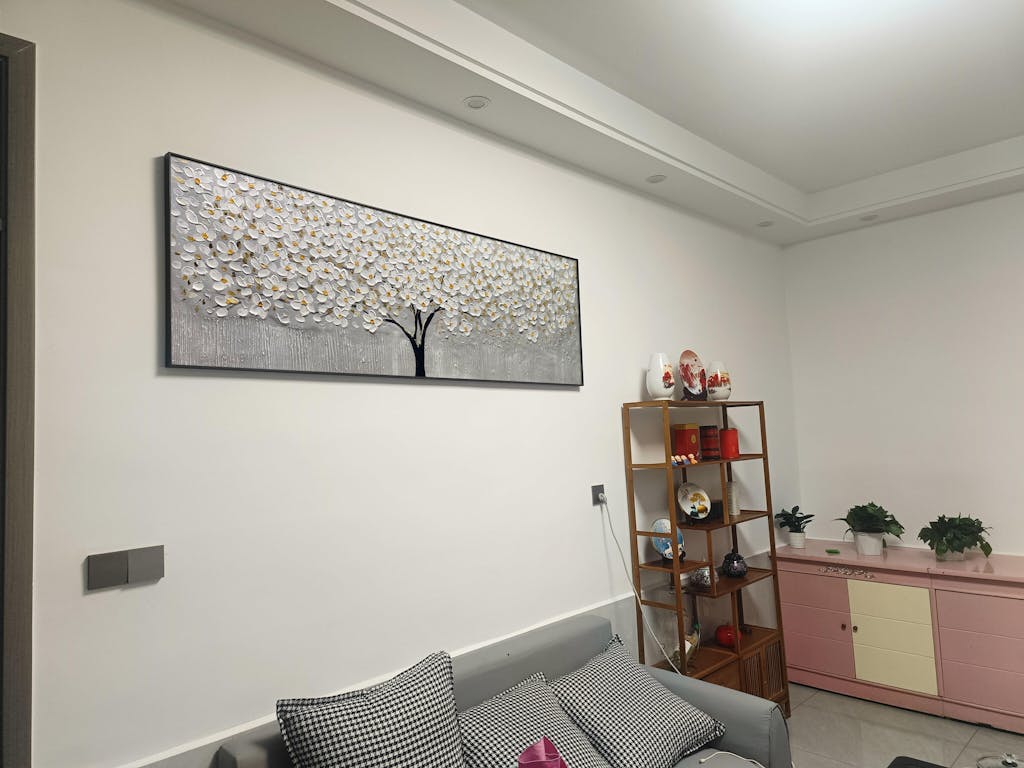
- Above the sofa (main focal point)
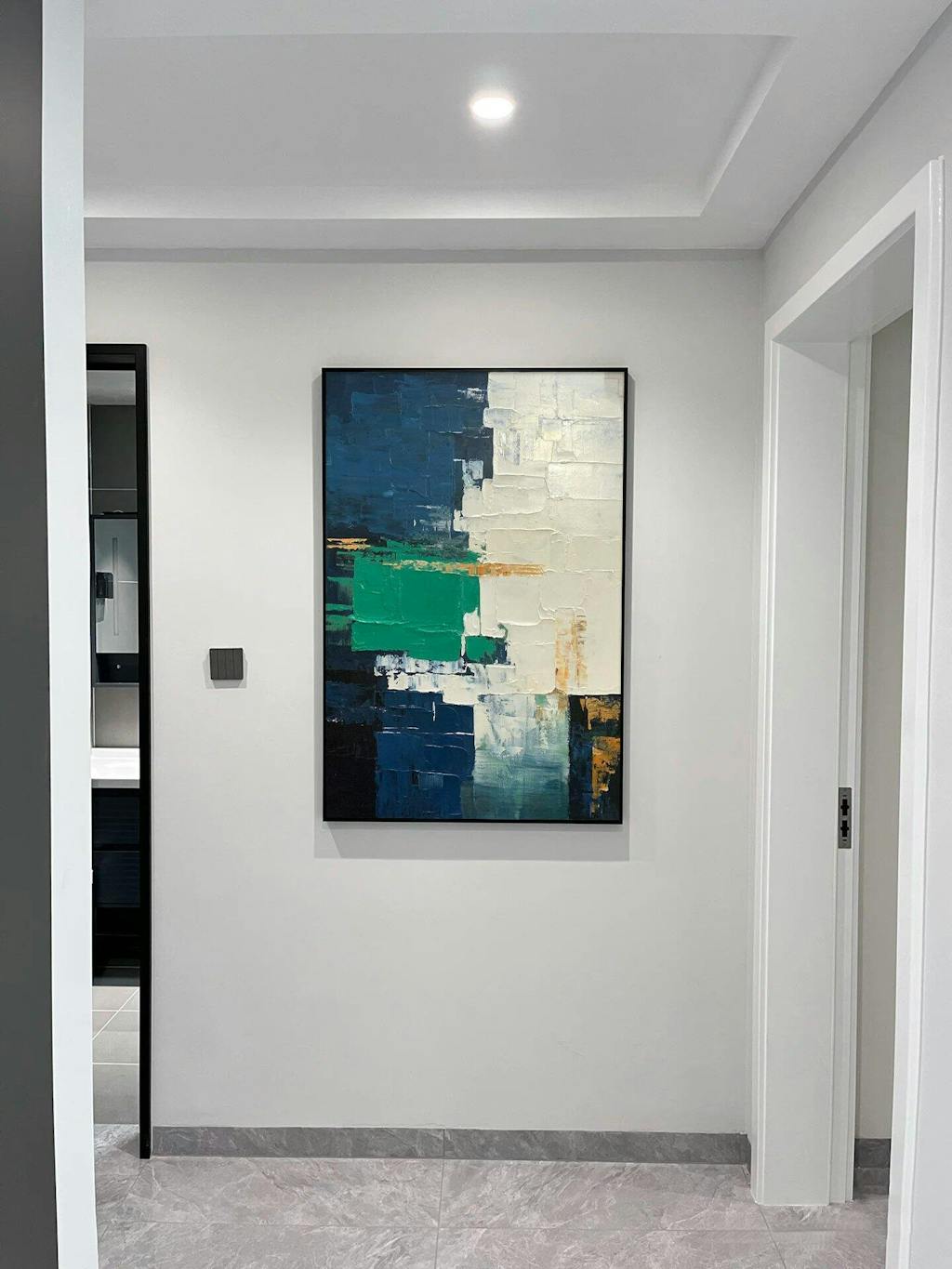
- Entryway (first impression)
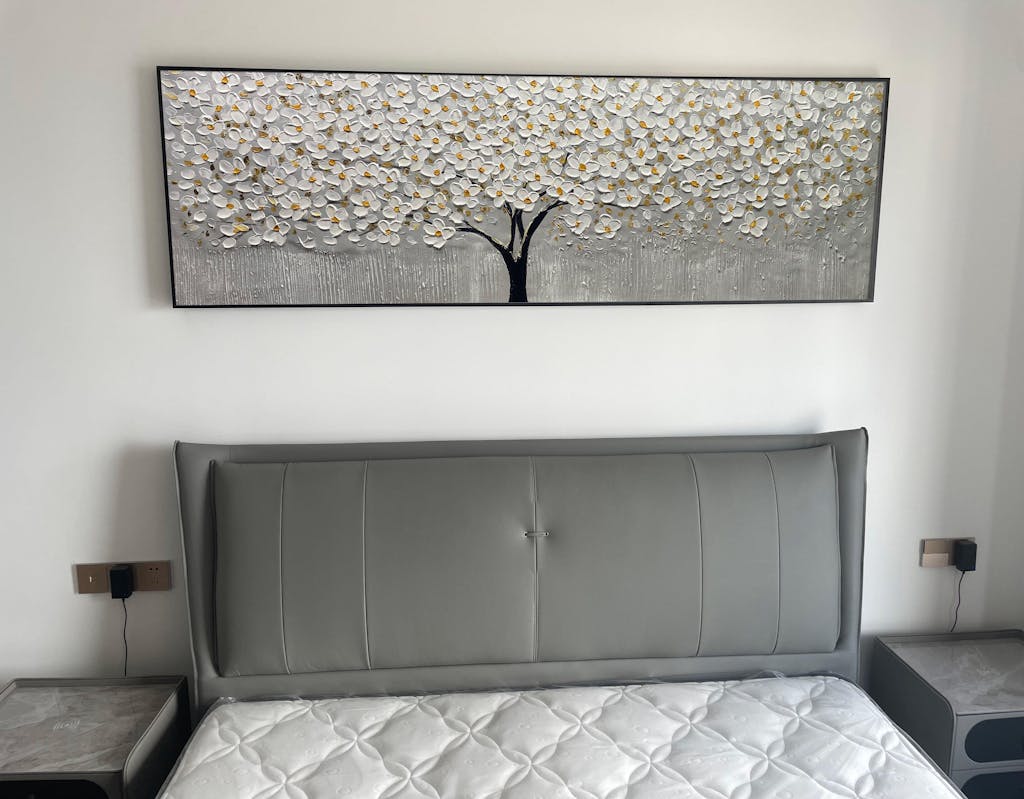
- Bedroom (calm atmosphere)

2026 Insight: Why This Combination Is Trending
Design trends show a shift toward:
- Slower living
- Emotional spaces
- Natural materials
- Authentic craftsmanship
Wabi-Sabi + Japandi perfectly represents this movement—
making textured, hand-painted wall art one of the most relevant décor choices today.
Final Thoughts
Wabi-Sabi art doesn’t compete with Japandi interiors—it completes them.
By adding texture, imperfection, and natural expression, these artworks transform minimalist spaces into environments that feel warm, balanced, and deeply human.
In a world moving toward intentional living, this combination is not just a trend—
it’s a lasting design philosophy.






Leave a comment
This site is protected by hCaptcha and the hCaptcha Privacy Policy and Terms of Service apply.