
Warm Minimalism vs. Traditional Minimalism: What’s the Difference?
Minimalist interiors are known for clean lines, simple spaces, and a carefully selected color palette. But today, many homeowners are moving away from cold, stark minimalism toward a softer and more inviting approach: Warm Minimalism.
So, what is the difference between Warm Minimalism and Traditional Minimalism? And which style is right for your home?
What Is Traditional Minimalism?
Traditional Minimalism focuses on simplicity, functionality, and removing unnecessary elements.
Common features include:
-
Clean architectural lines
-
Simple furniture
-
White, gray, and cool neutral colors
-
Minimal decoration
-
Open and uncluttered spaces
-
Simple, understated artwork
The goal is to create a calm environment where every piece has a purpose.
What Is Warm Minimalism?
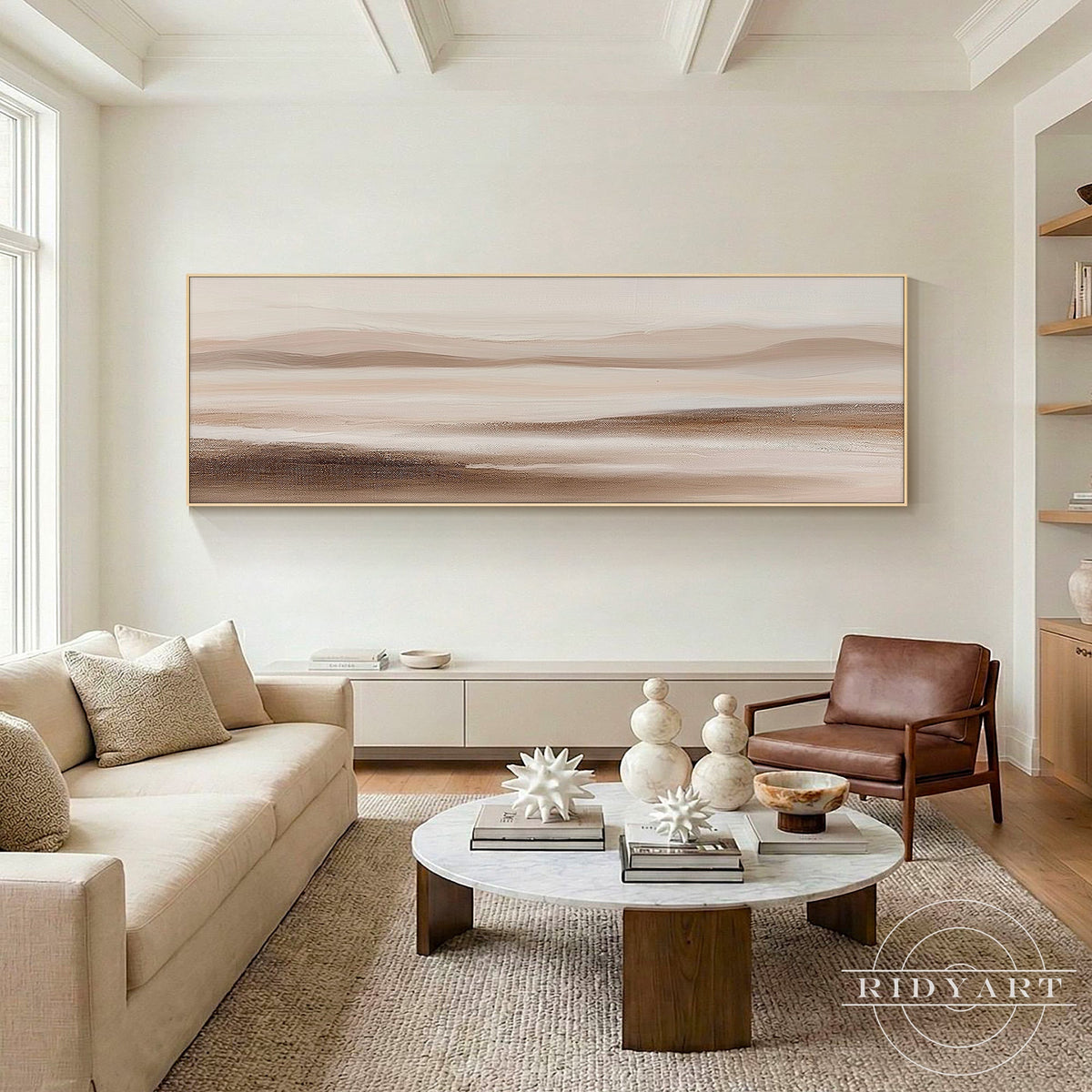
Warm Minimalism keeps the simplicity of minimalism but introduces more warmth, texture, and natural character.
Instead of relying mainly on white and cool gray, Warm Minimalist interiors often use:
-
Cream and beige
-
Warm taupe
-
Soft brown
-
Earth tones
-
Natural wood
-
Linen and woven fabrics
-
Stone and organic textures
-
Textured wall art
The result is a space that feels clean and sophisticated without feeling cold or empty.

1. Choose Warm Neutrals Instead of Cool Whites
One of the easiest ways to create Warm Minimalism is to replace stark white with warmer neutrals.
Cream, ivory, beige, taupe, and soft brown can create a more comfortable atmosphere while maintaining a sophisticated minimalist look.
You don't need many colors. A simple palette of two or three warm neutrals can be enough.
2. Add Texture Without Adding Clutter
Traditional Minimalism often relies on smooth and clean surfaces. Warm Minimalism allows more texture while still keeping the room visually simple.
Think about:
-
Linen curtains
-
Bouclé furniture
-
Natural wood
-
Stone surfaces
-
Woven accessories
-
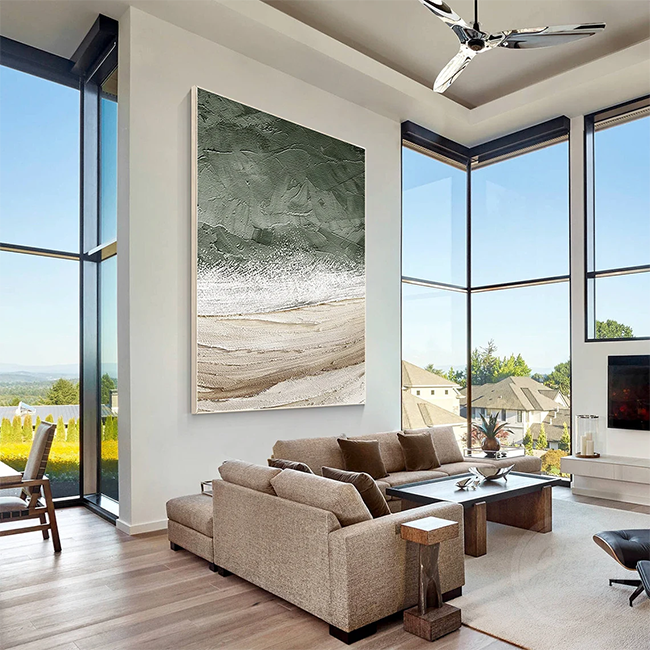
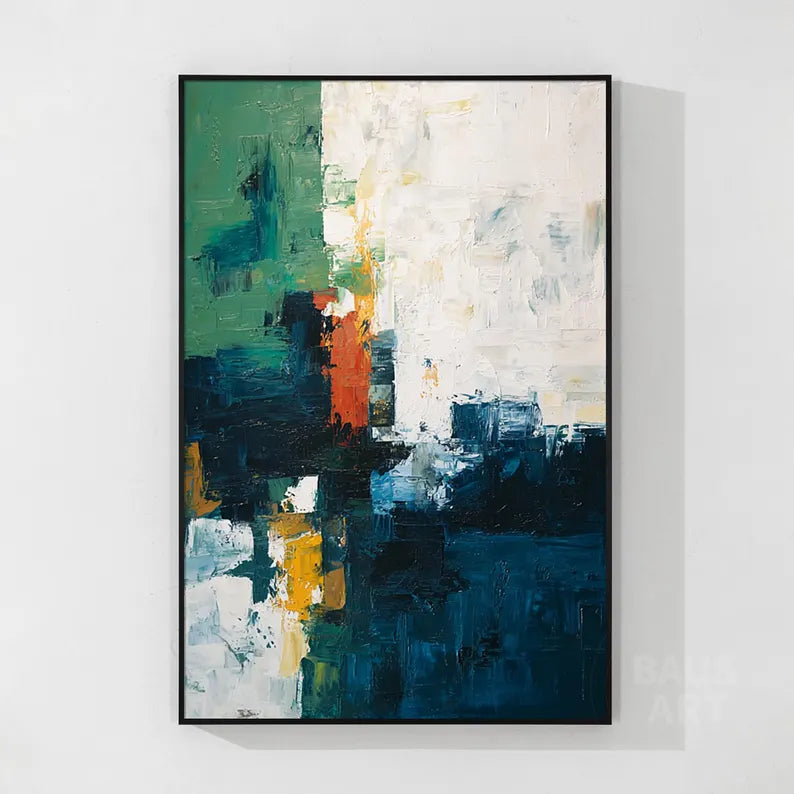
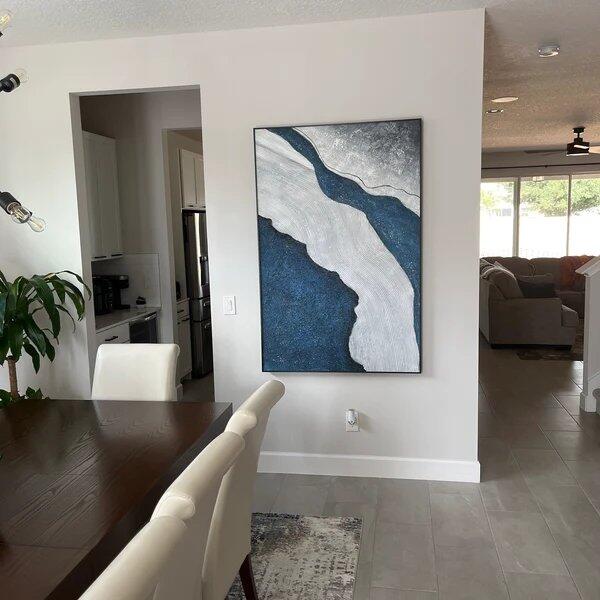
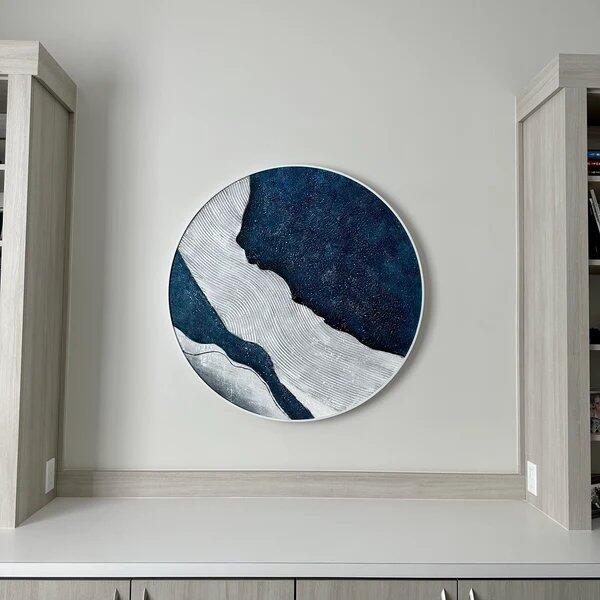
3D textured wall art
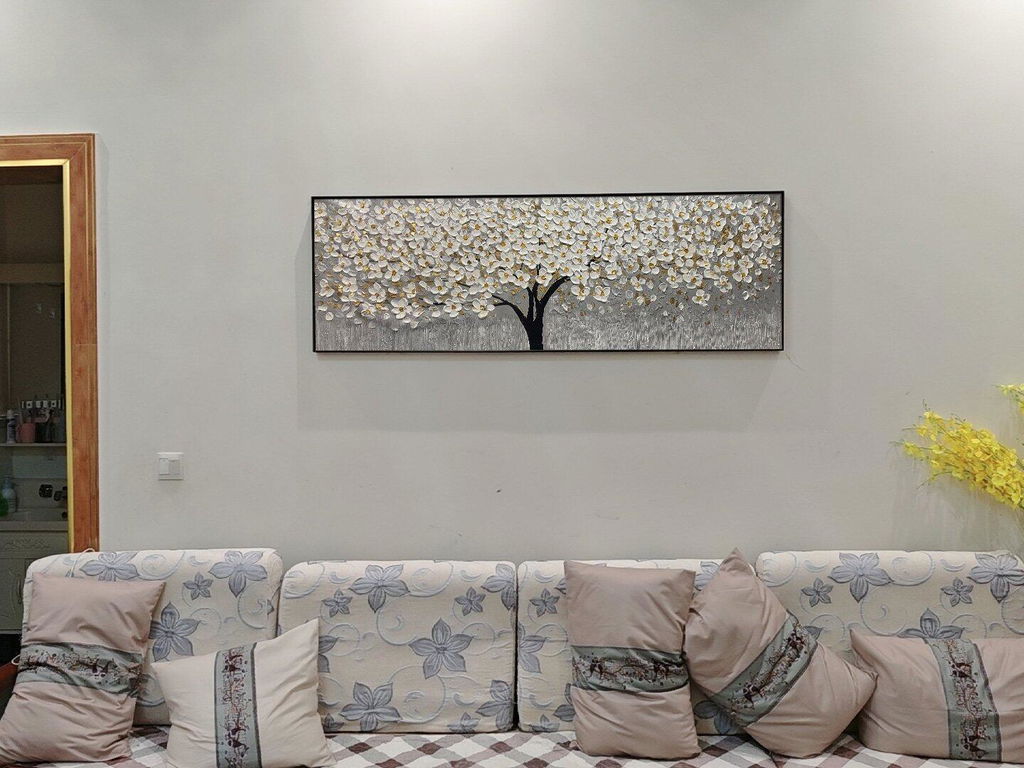
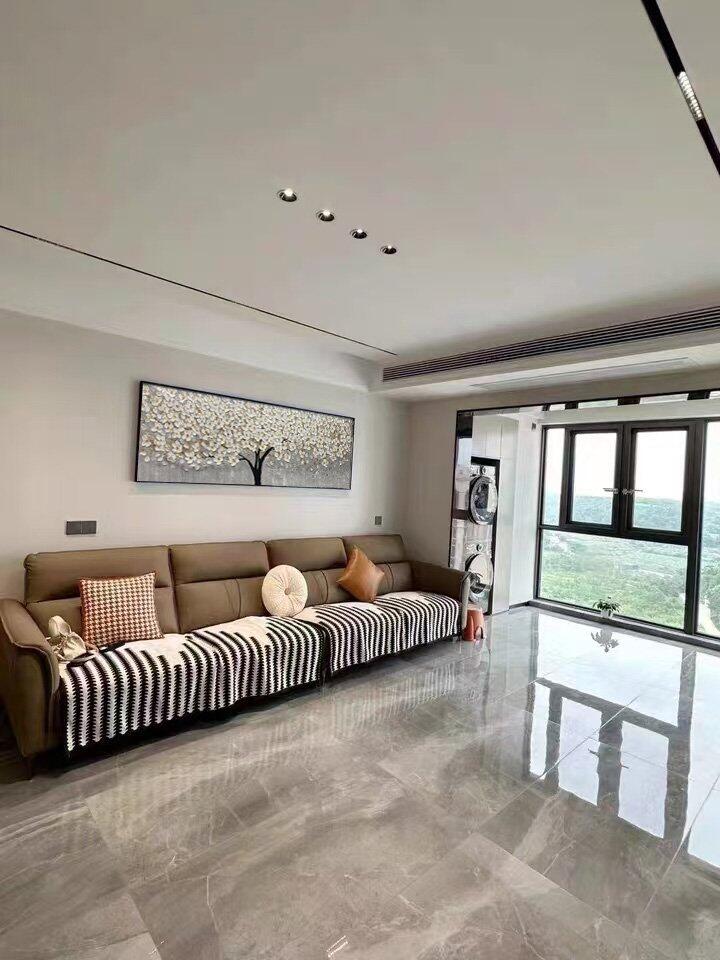
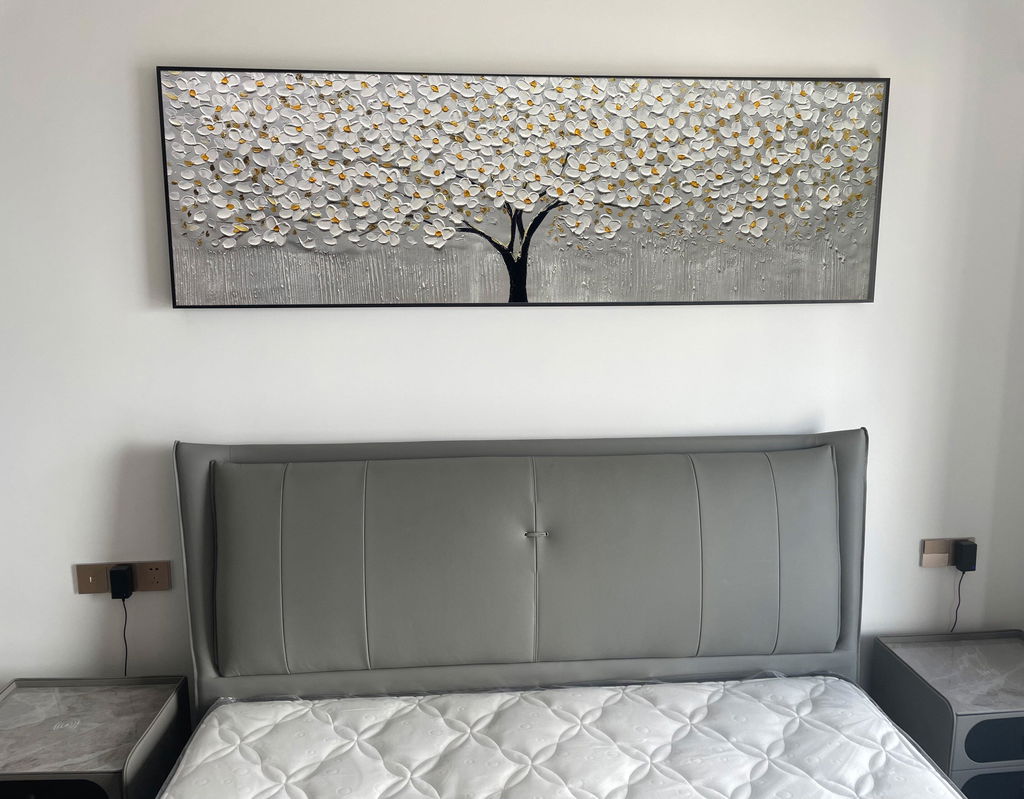
A textured painting can be especially effective because it adds visual depth without requiring lots of decorative objects.

3. Choose Artwork With Natural Character
Minimalist walls don't have to be completely empty.
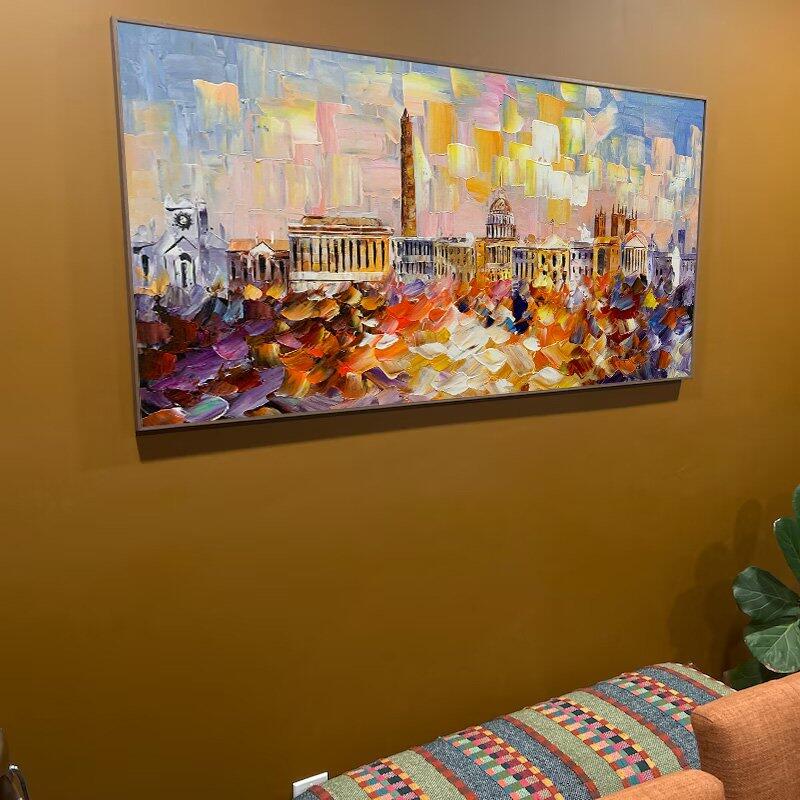
Instead of filling the wall with multiple small decorations, choose one meaningful statement artwork.
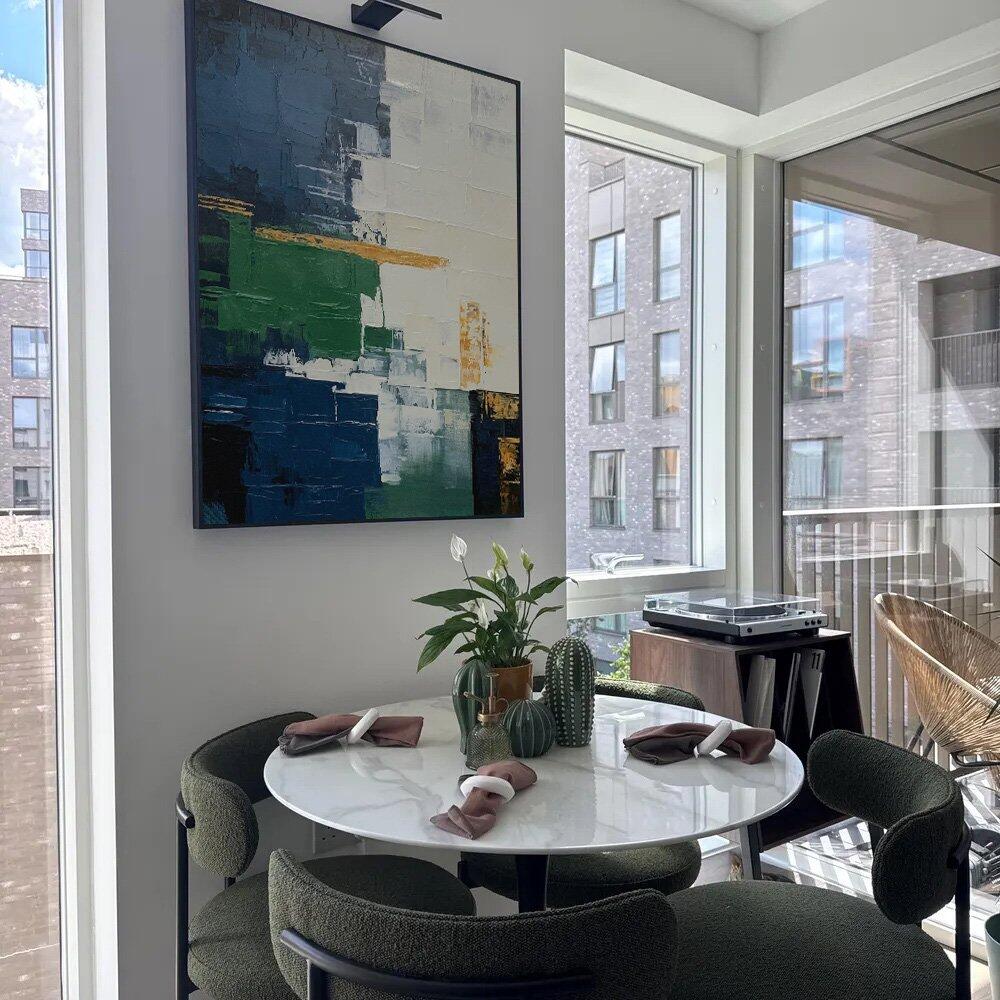
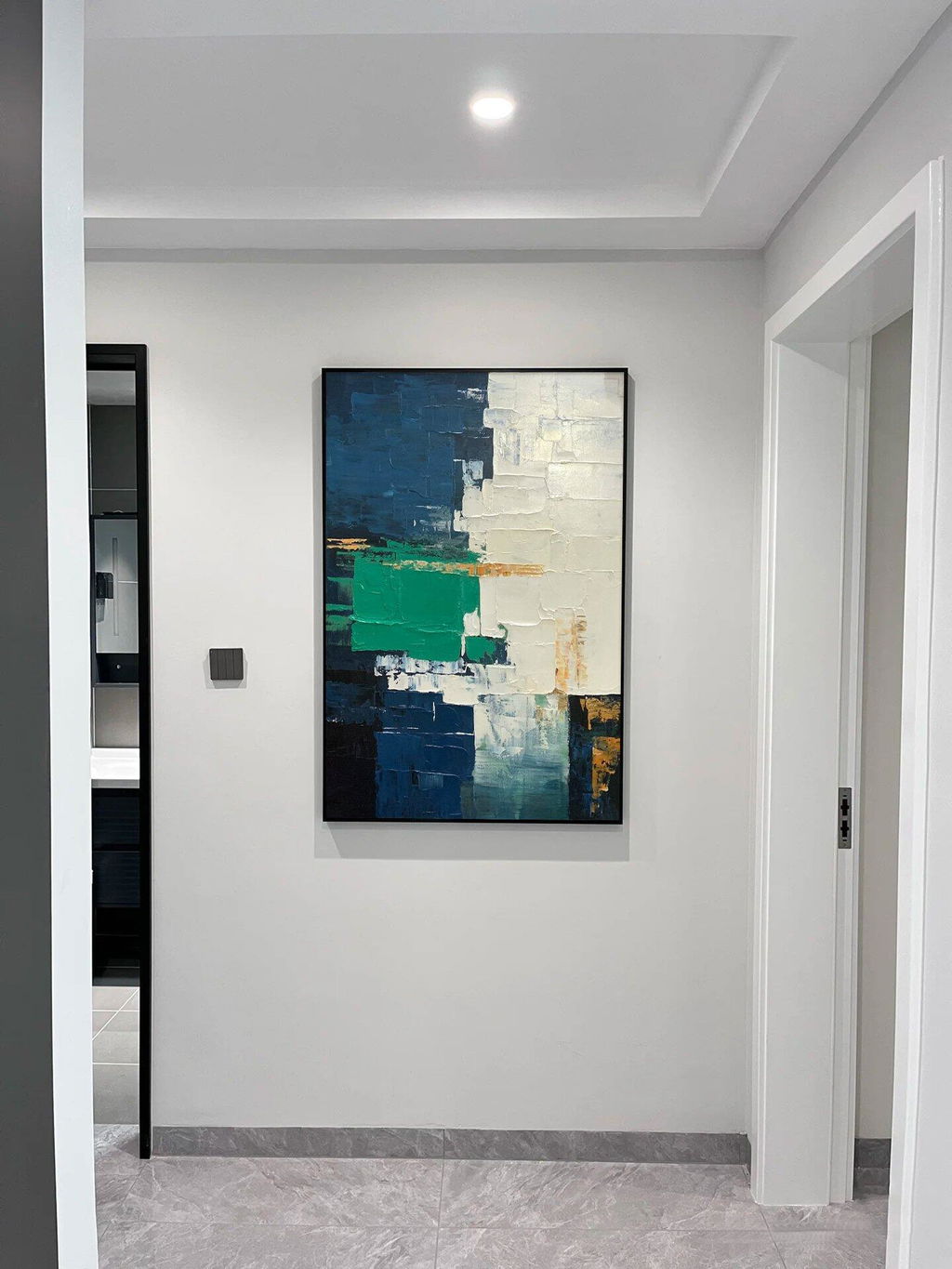
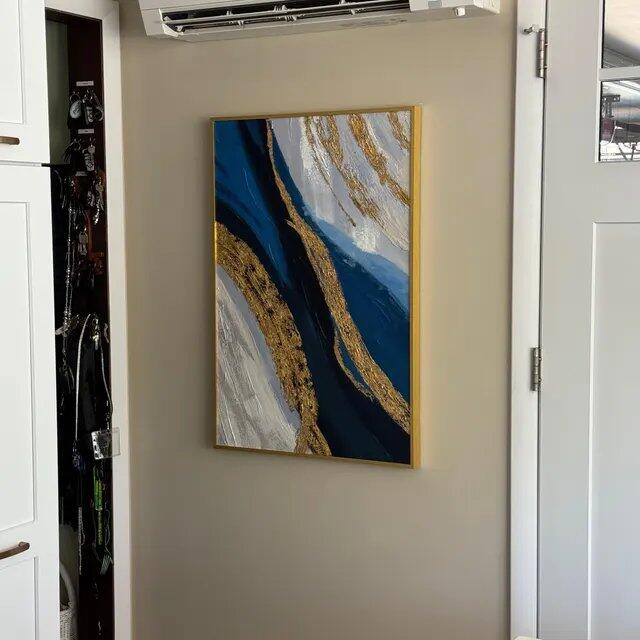
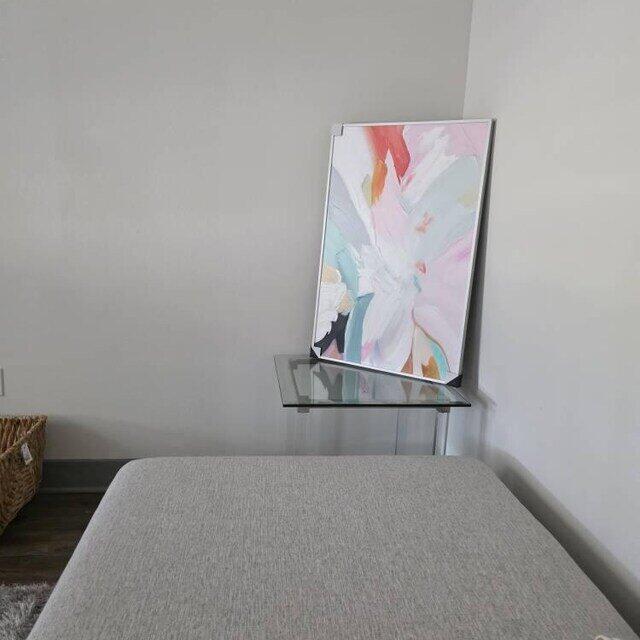
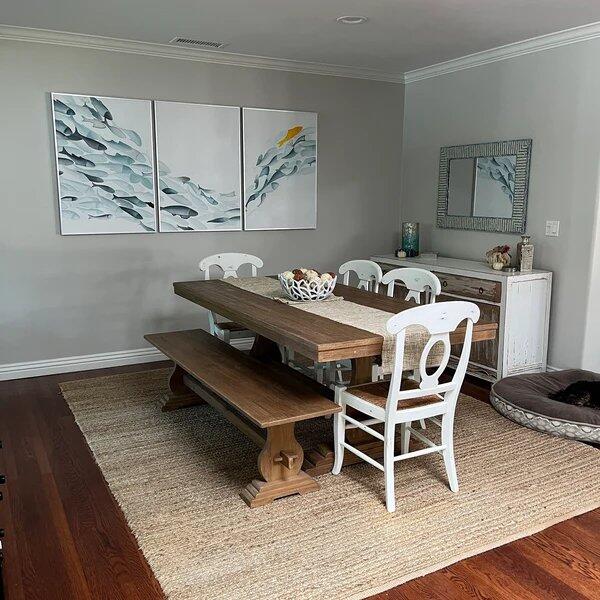
Large abstract paintings, Wabi-Sabi artwork, organic shapes, and neutral textured art can work beautifully in Warm Minimalist spaces.
The key is to choose artwork that adds character while keeping the overall color palette calm.
4. Bring Nature Into the Space
Warm Minimalism works particularly well with natural materials and organic forms.
Natural wood, stone, plants, dried branches, and earthy artwork can soften the clean lines of a minimalist interior.
This is also where Warm Minimalism often overlaps with Wabi-Sabi, Japandi, and Organic Modern design.

5. Keep the Space Simple
Warm Minimalism is not about adding more decoration. It's about choosing better pieces.
Instead of filling every surface, focus on a few elements that bring warmth and personality to the room.
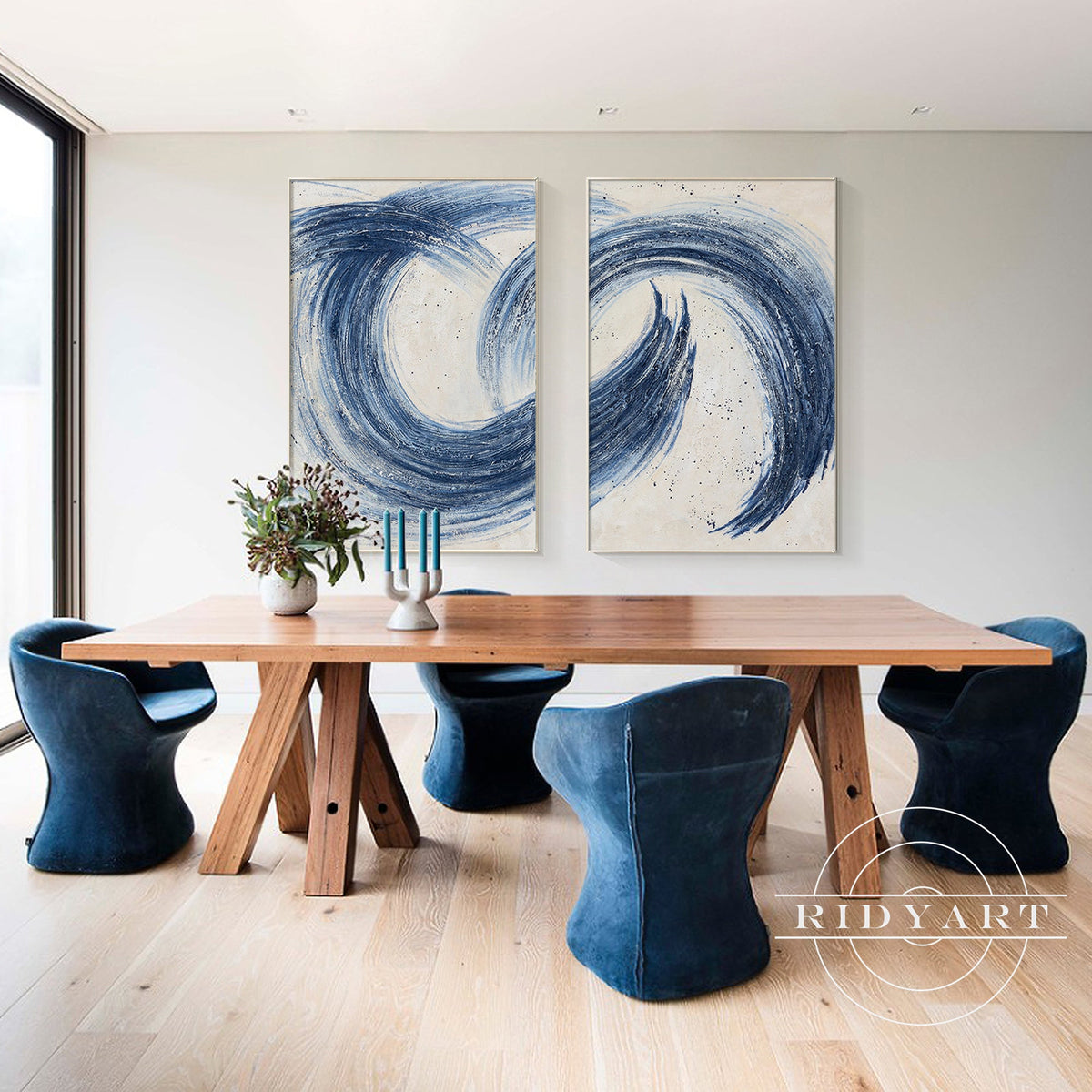
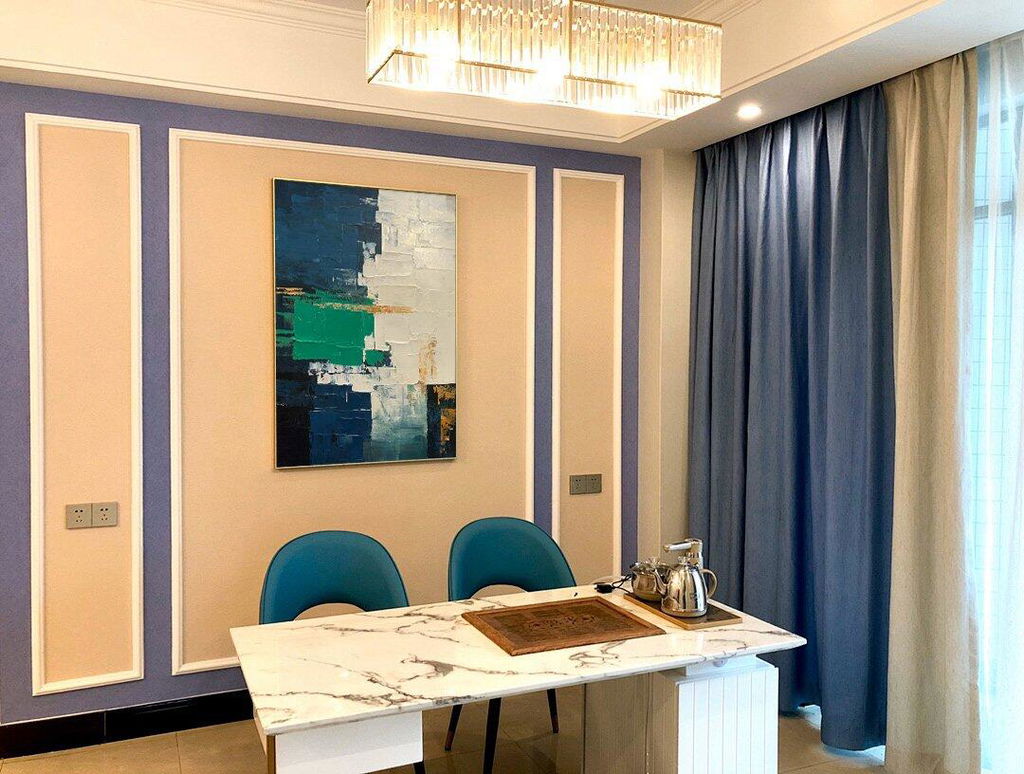
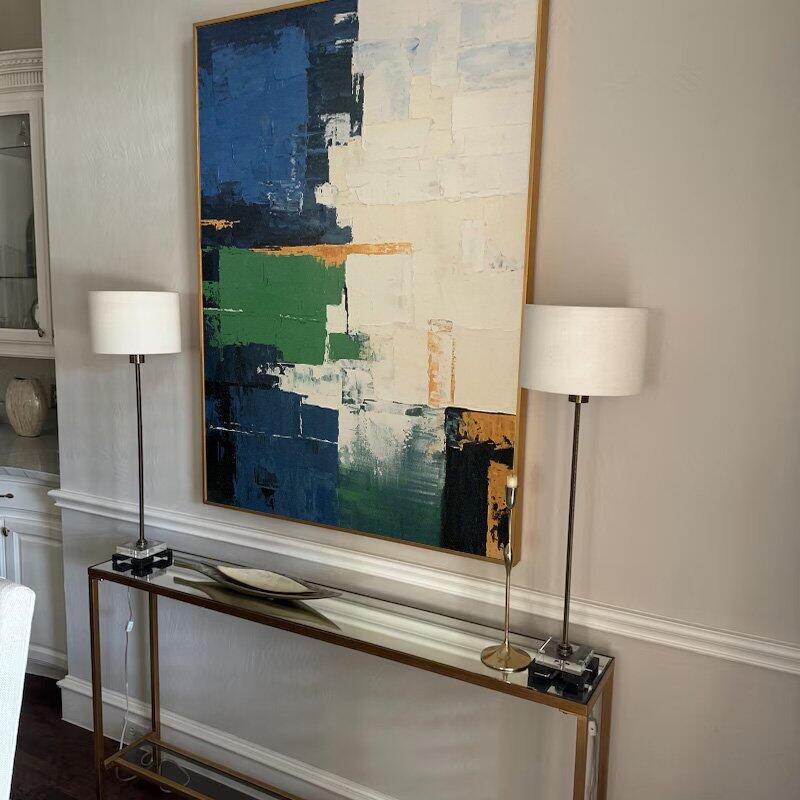
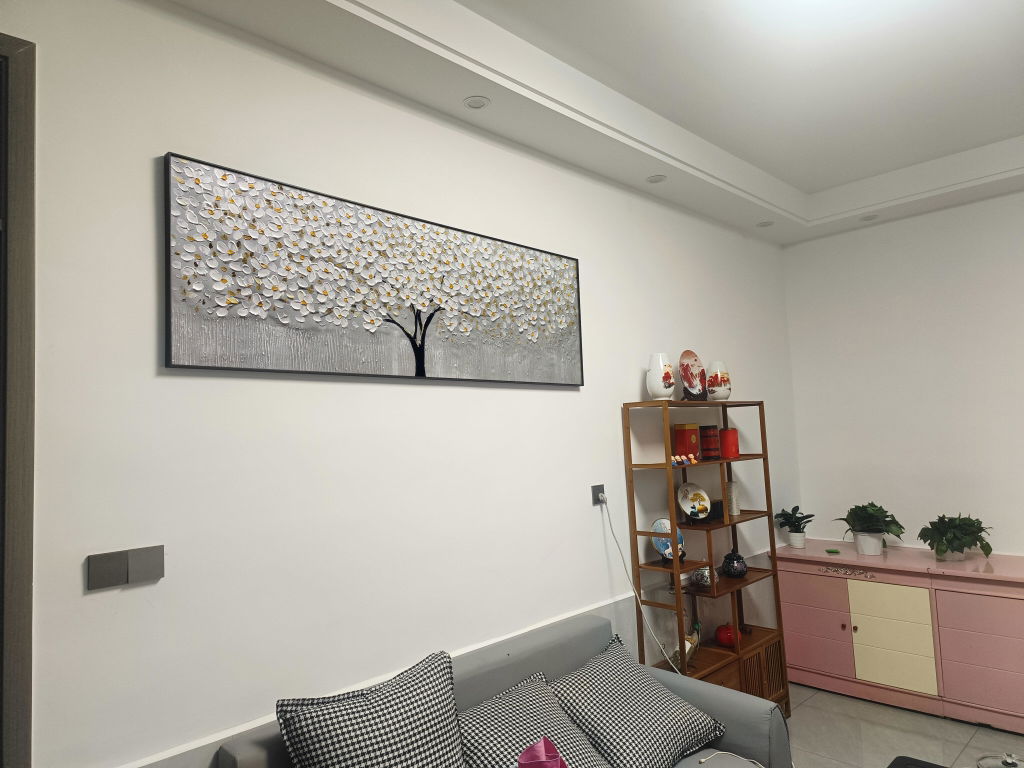
A large textured painting above a sofa, bed, console, or dining table can become the focal point without making the space feel crowded.
Which Style Is Right for You?
Choose Traditional Minimalism if you prefer:
-
Crisp and clean interiors
-
Cool neutral colors
-
Strong geometric lines
-
Very limited decoration
-
A sleek contemporary atmosphere
Choose Warm Minimalism if you prefer:
-
Cream and earth-tone colors
-
Natural materials
-
Soft textures
-
Handmade artwork
-
Cozy but sophisticated spaces
-
A more organic and lived-in feeling
For many modern homes, Warm Minimalism offers a comfortable balance between simplicity and personality.
Final Thoughts
Warm Minimalism and Traditional Minimalism share the same foundation: simplicity, functionality, and intentional design.
The main difference is the feeling they create.
Traditional Minimalism tends to feel crisp and refined, while Warm Minimalism introduces warm colors, natural materials, texture, and artistic character to create a softer and more inviting home.
If you love neutral interiors but don't want your home to feel cold or empty, Warm Minimalism may be the perfect style to explore.
Discover Warm Minimalist Wall Art
Complete your space with original hand-painted artwork featuring neutral colors, natural textures, and organic forms. Explore more handmade artwork of textured wall art, Wabi-Sabi artwork, and modern neutral paintings designed for warm and timeless interiors. At our shop Ridyart.






Leave a comment
This site is protected by hCaptcha and the hCaptcha Privacy Policy and Terms of Service apply.