

The Psychology of Wall Art: How Artwork Influences Mood, Space, and Well-Being
Most people think of wall art as decoration.
Something that fills an empty wall.
Something that makes a room look more complete.
But according to interior designers and environmental psychologists, artwork does much more than improve appearance.
The images, colors, textures, and scale of the art we live with can influence how a space feels—and how we feel within it.
In many ways, wall art shapes the emotional experience of a home.

✦ Why Our Brains Respond to Visual Environments
Humans constantly process visual information.
Even when we are not consciously paying attention, our brains are evaluating:
- color
- shape
- texture
- balance
- spatial relationships
These elements help determine whether a space feels:
✔ comfortable
✔ welcoming
✔ stimulating
✔ calming
A room is not experienced solely through furniture and architecture. Visual details contribute significantly to how we perceive and emotionally respond to our surroundings.
This is one reason why thoughtfully selected artwork can dramatically change the feeling of a room without altering any structural elements.

✦ Color Influences Emotional Atmosphere
Color psychology has been widely studied in both design and marketing.
While personal preferences always play a role, certain color families tend to create predictable emotional responses.
Soft Neutrals
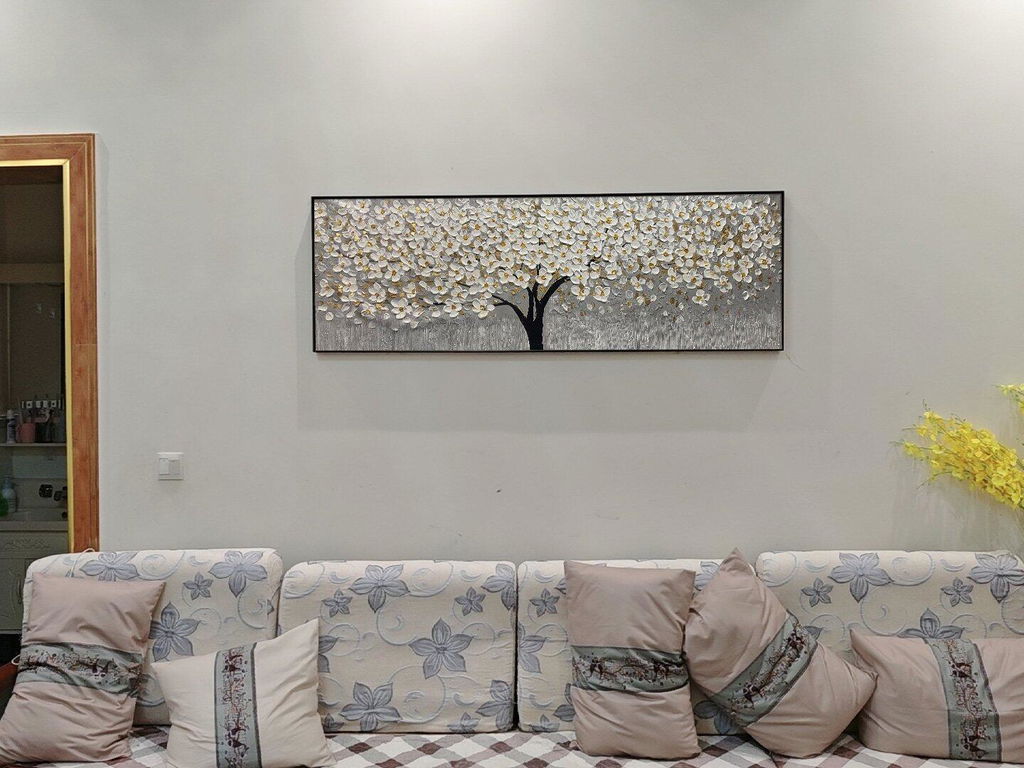
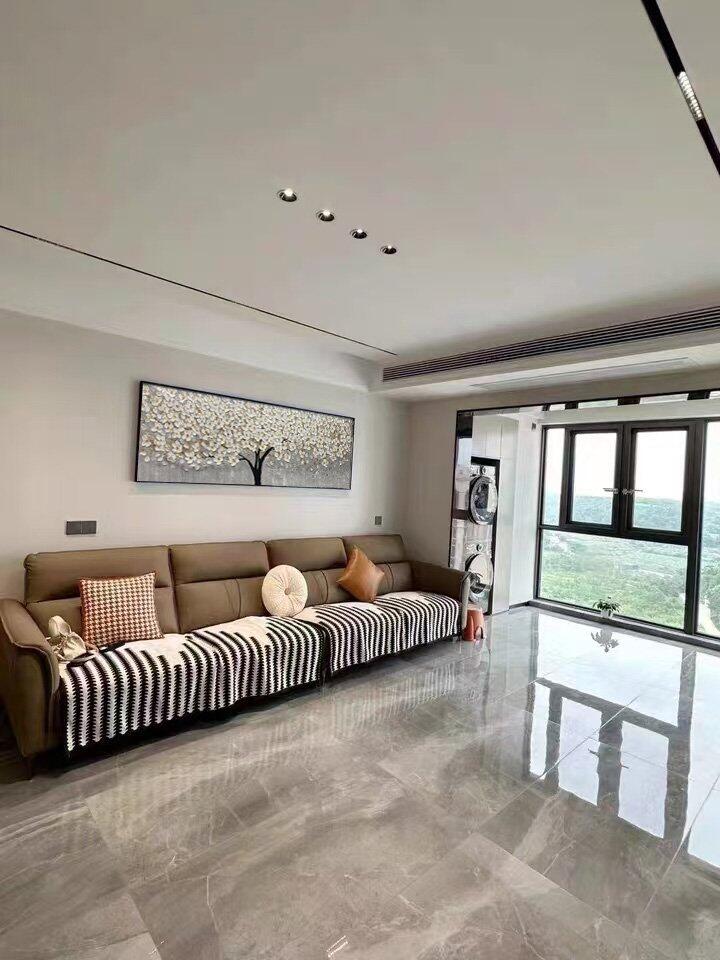
Beige, ivory, taupe, and warm whites often create a sense of comfort and visual balance.
These tones work particularly well in living rooms and bedrooms where relaxation is important.
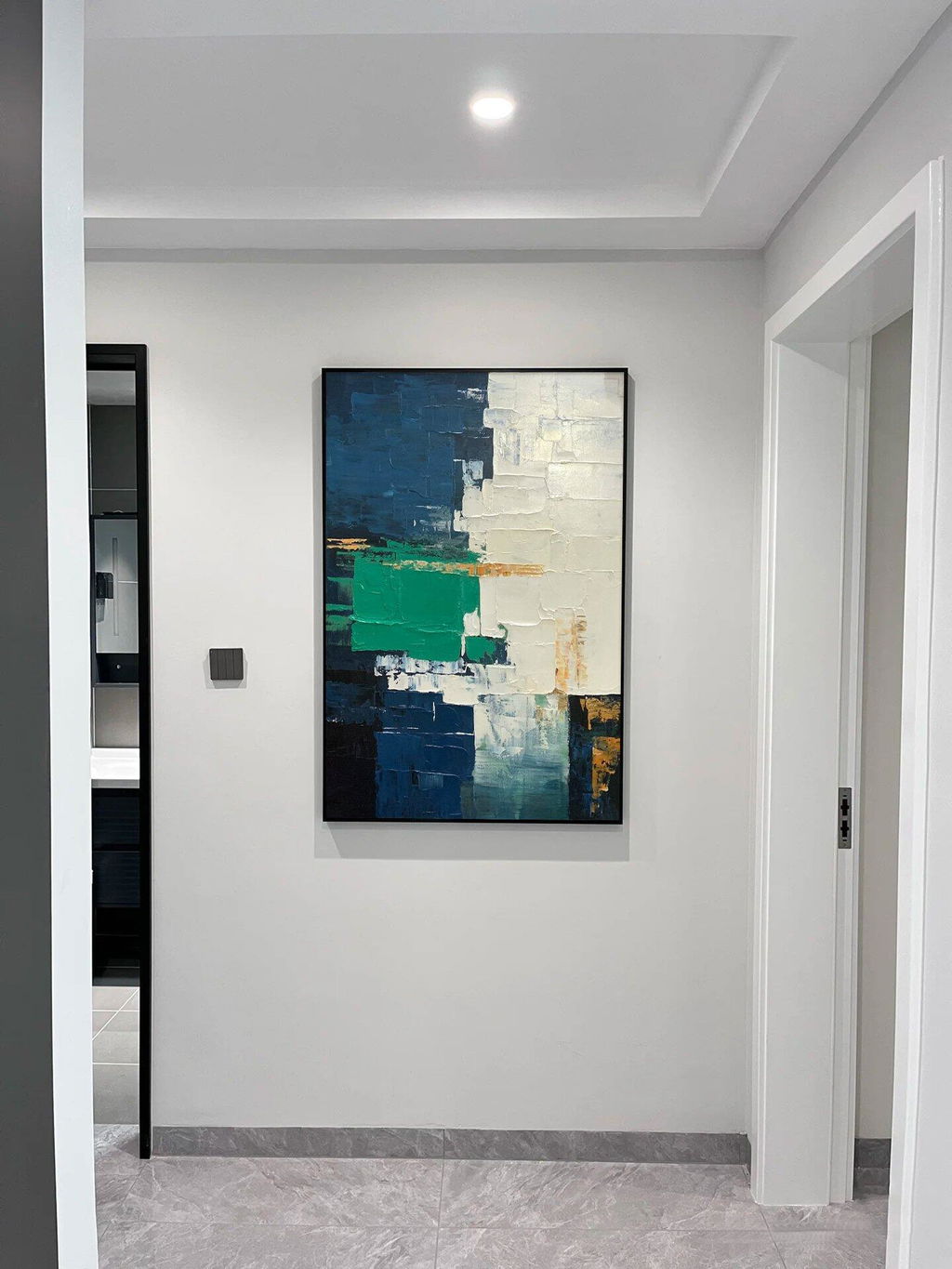
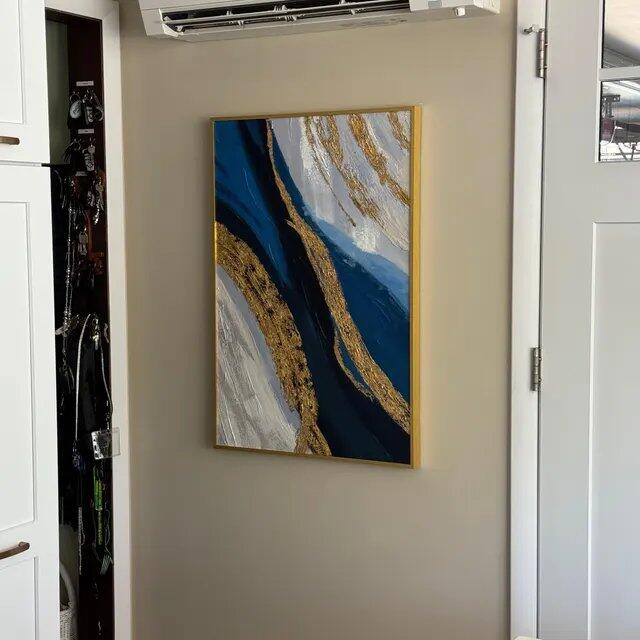
Blue Tones
Blue is frequently associated with calmness and reflection.
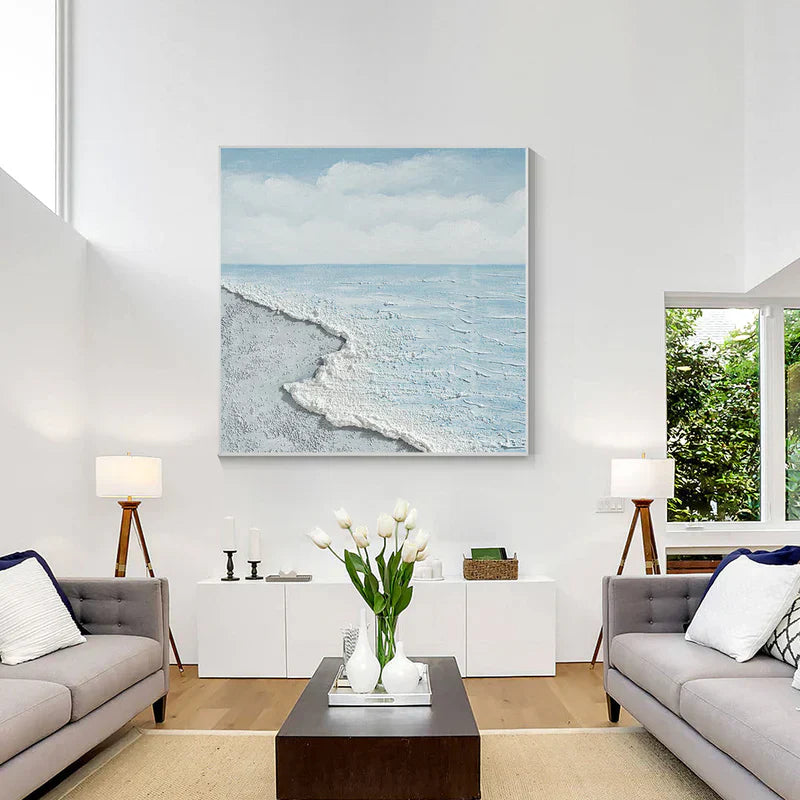
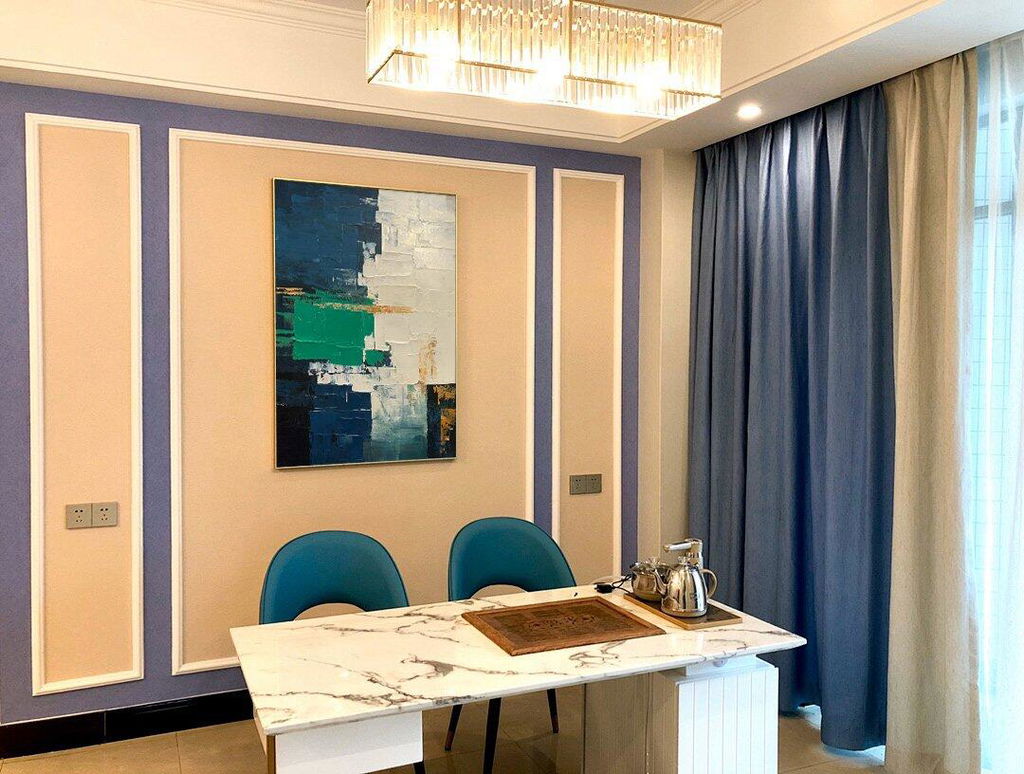
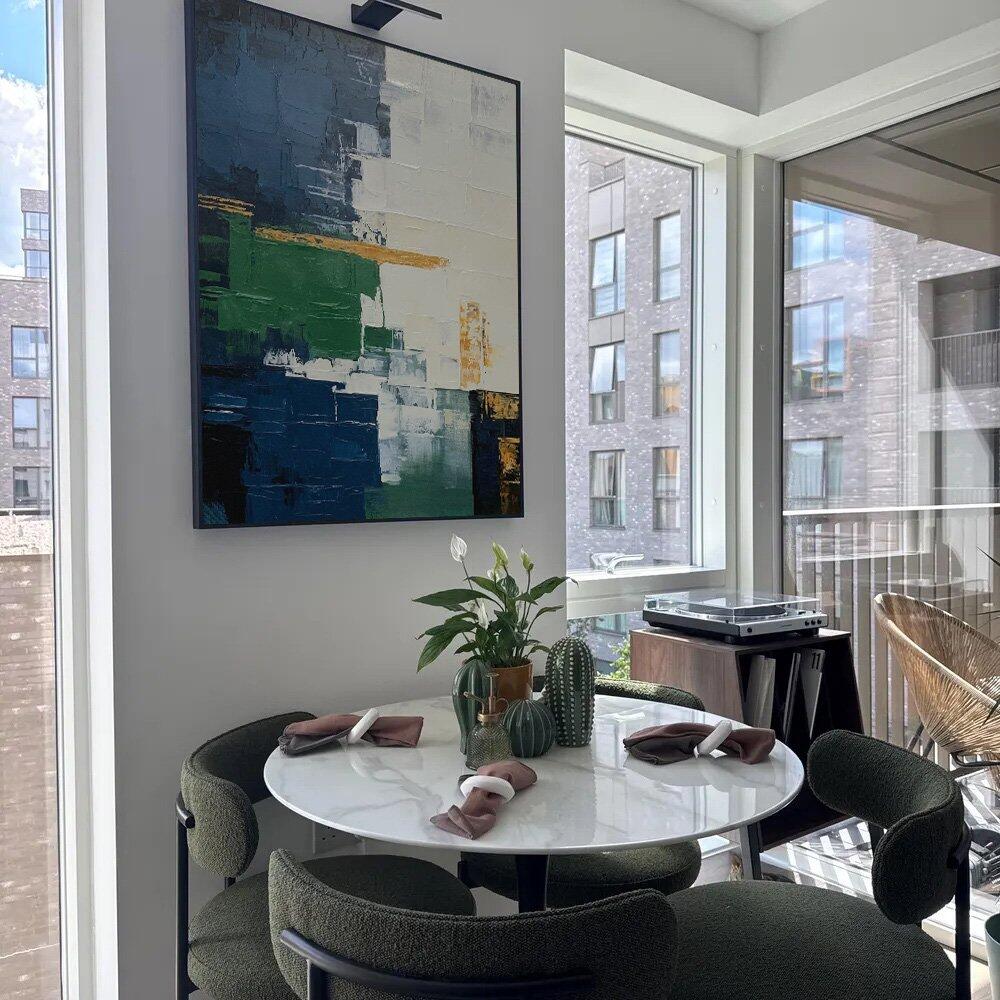
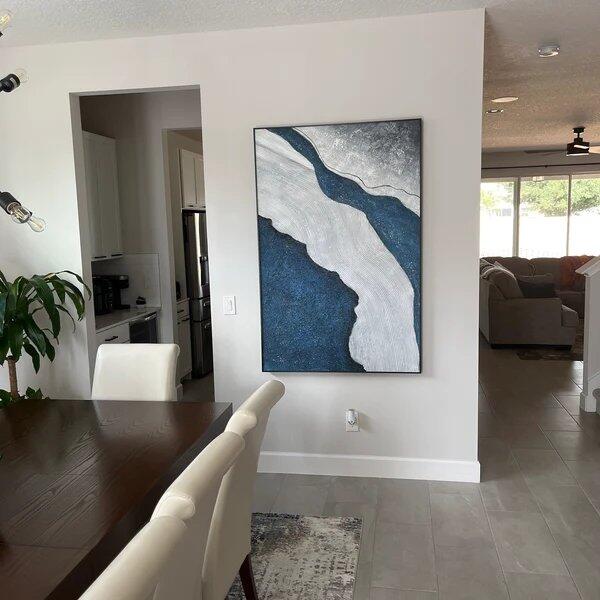
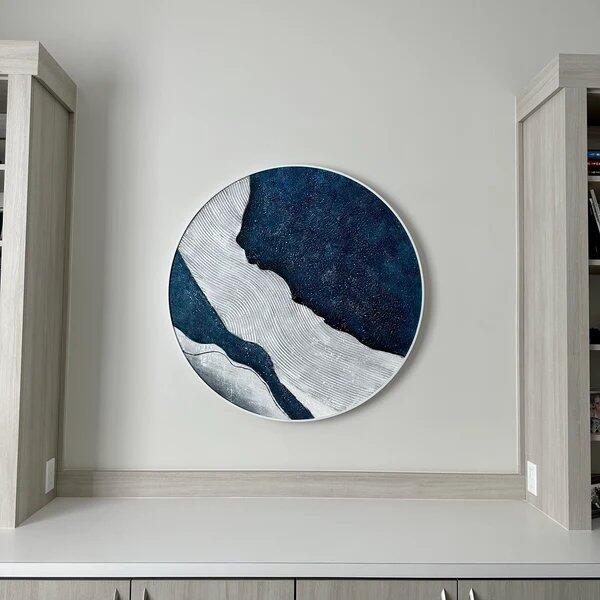
Artwork featuring ocean-inspired palettes or layered blue tones can help create a quieter atmosphere.
Green Tones
Green is closely linked to nature.
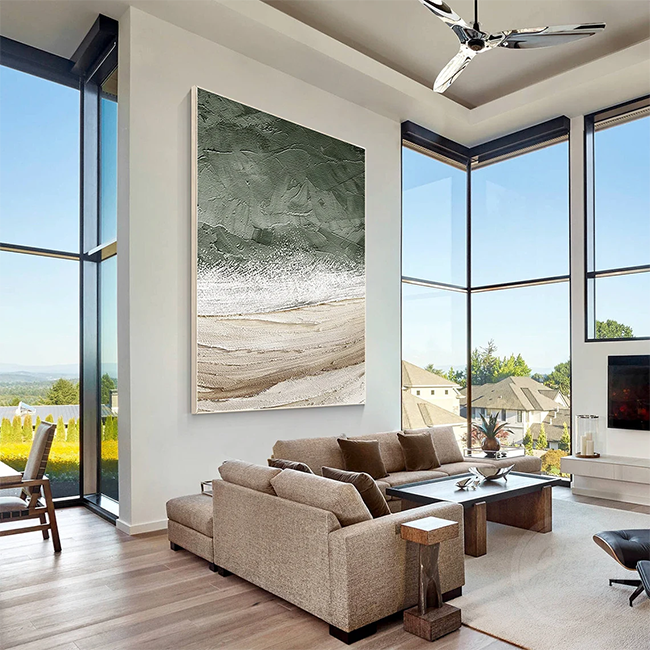
Many homeowners choose green artwork because it introduces a feeling of freshness and connection to the natural world.
Earth Tones
Terracotta, sand, and muted browns often add warmth and stability, helping spaces feel grounded and welcoming.

✦ Why Texture Creates Visual Comfort
Texture is one of the most overlooked aspects of interior design.
Flat surfaces dominate modern homes:
- painted walls
- glass
- metal
- polished furniture
While these materials contribute to a clean aesthetic, too many smooth surfaces can make a room feel visually rigid.
Textured artwork introduces variation.
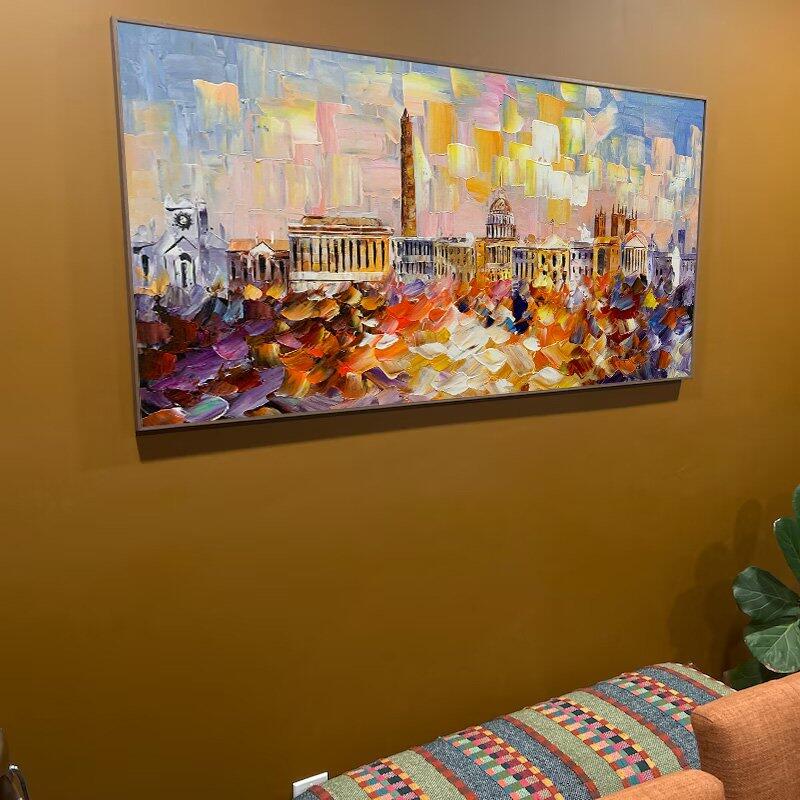
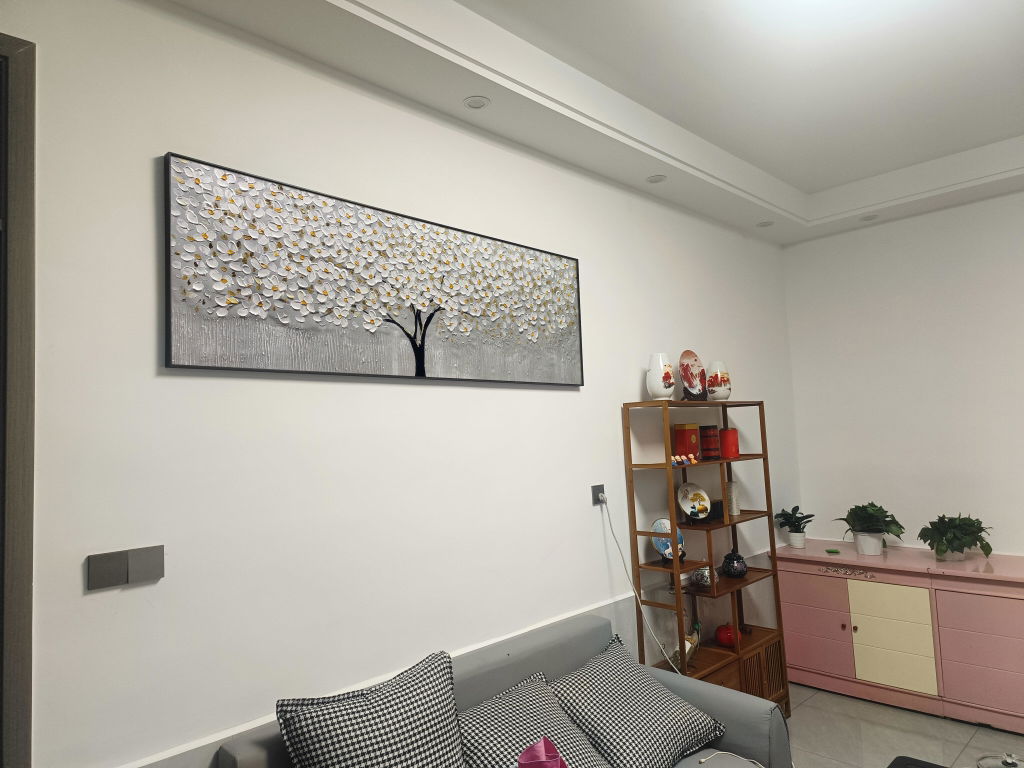
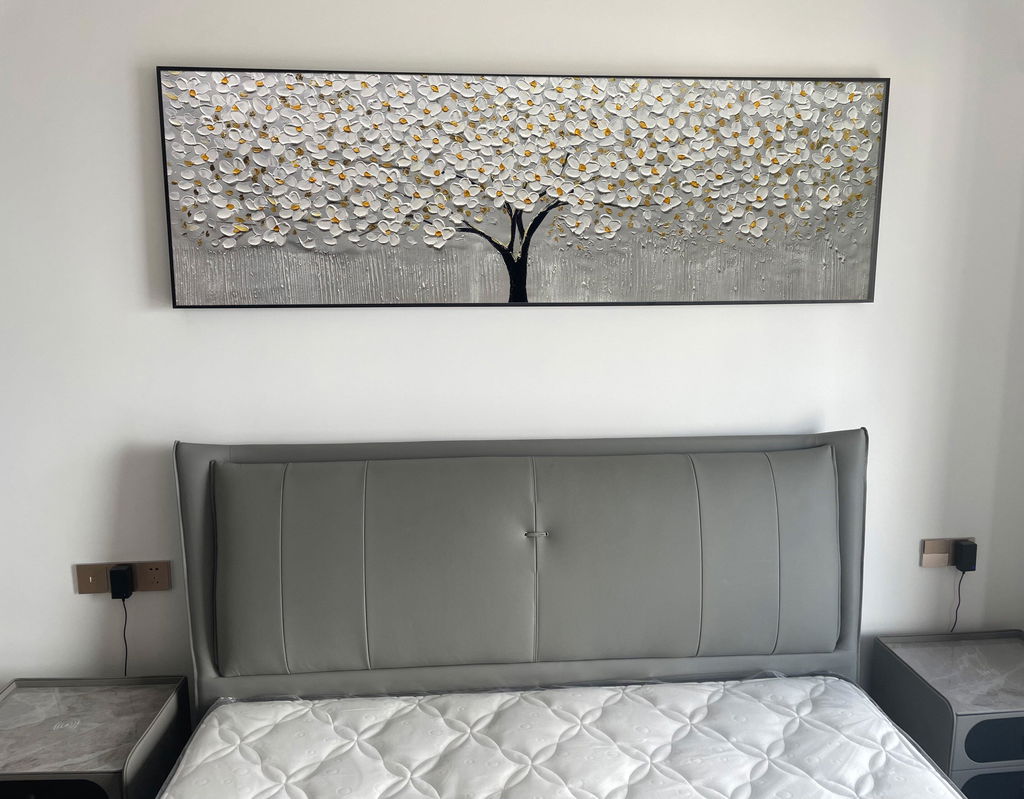
Visible brushstrokes, layered acrylic paint, and raised surfaces create subtle shadows and highlights that add depth to a room.
This variation helps soften architectural lines and creates a more natural visual experience.

✦ The Importance of Scale
Artwork size influences how a room is perceived.
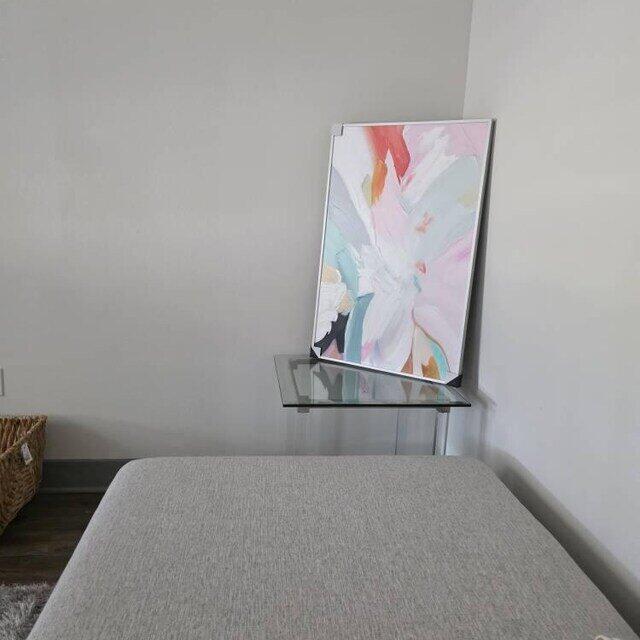
One of the most common decorating mistakes is choosing artwork that is too small for the wall.
Small pieces surrounded by large areas of empty space can make a room feel disconnected.
Larger artwork often creates:
- stronger visual balance
- a clearer focal point
- a greater sense of cohesion
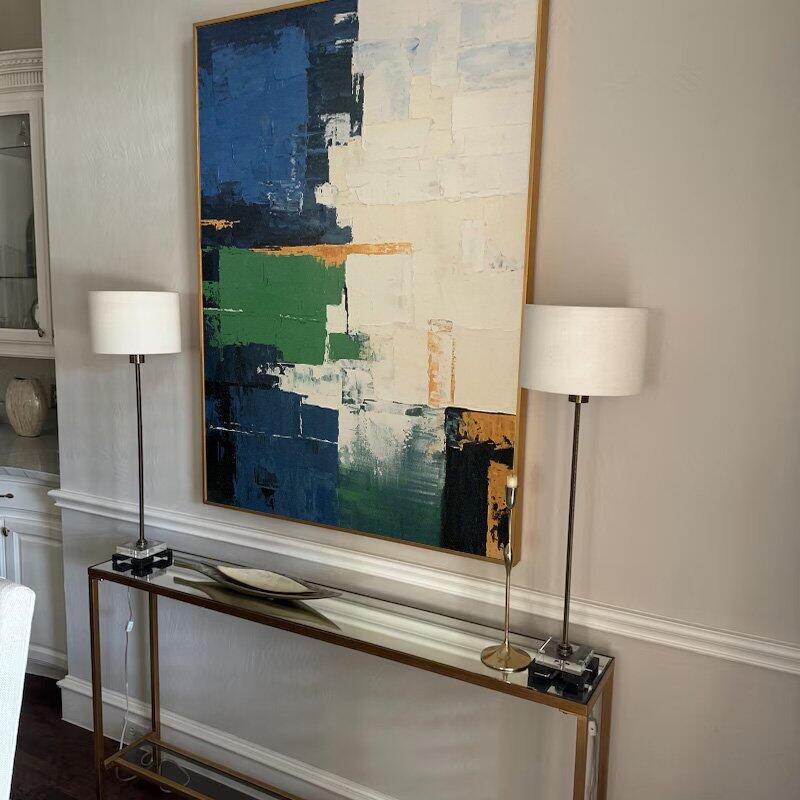
Interior designers frequently recommend artwork that occupies approximately 60–75% of the width of the furniture beneath it.
This proportion helps create harmony between the artwork and the room.

✦ Artwork and Personal Identity
Homes are more than functional spaces.
They are reflections of the people who live in them.
Artwork contributes to this sense of identity by expressing:
- personal taste
- values
- memories
- interests
Unlike many household objects, artwork is often chosen for emotional reasons rather than practical necessity.
As a result, it becomes one of the most personal elements within a home.
This emotional connection is one reason why hand-painted and customized artwork often feels more meaningful than mass-produced alternatives.
✦ Why Focal Points Matter
Every well-designed room benefits from a focal point.
Without one, the eye tends to wander without direction.
Artwork naturally serves this purpose.
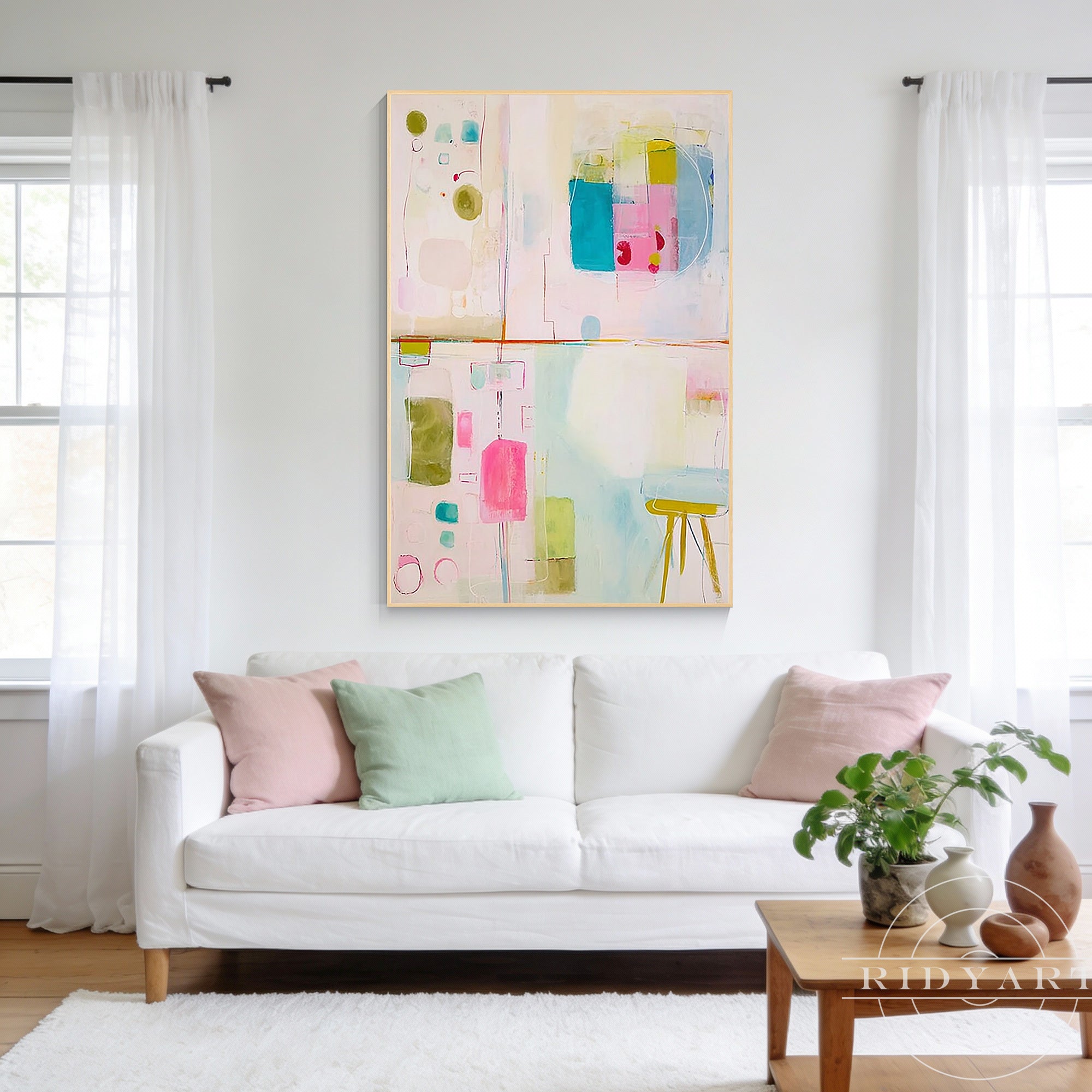
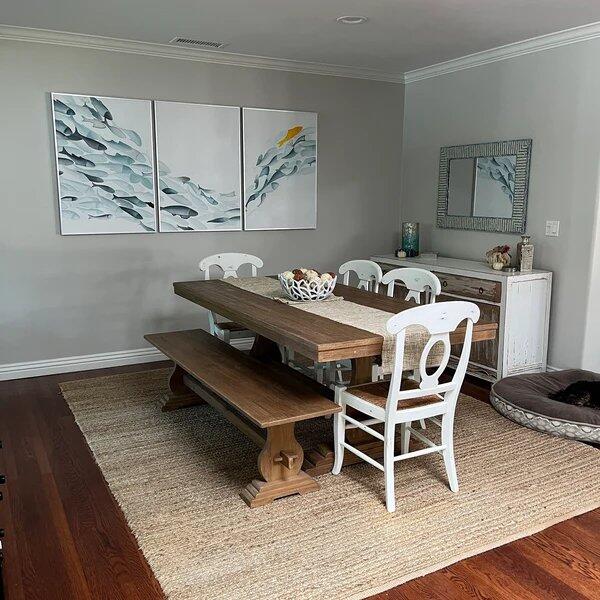
Whether it is a large statement painting, a textured abstract canvas, or a balanced triptych, a focal point helps organize the visual structure of a room.
This creates a stronger sense of order and intention throughout the space.
✦ The Connection Between Home Environment and Well-Being
Research consistently shows that our surroundings influence mood, productivity, and stress levels.
While artwork alone cannot transform well-being, it contributes to an environment that feels more supportive, comfortable, and emotionally engaging.
A thoughtfully designed space encourages people to spend more time relaxing, connecting, and enjoying their home.
For this reason, artwork should not be viewed merely as decoration.
It is part of the overall experience of living in a space.

✦ Final Thoughts
The best artwork does more than fill an empty wall.
It shapes atmosphere.
It creates depth.
It influences perception.
And perhaps most importantly, it helps transform a house into a home.
When selecting artwork, consider not only how it looks, but also how it makes the space feel.
Because the psychology of design reminds us that our homes affect us every day—even in ways we may not consciously notice.






Leave a comment
This site is protected by hCaptcha and the hCaptcha Privacy Policy and Terms of Service apply.