
How 3D Texture Changes the Look of Wall Art: A Guide to Textured Art
Wall art can completely change the atmosphere of a room, but not all artwork creates the same visual experience. While traditional flat paintings rely mainly on color, composition, and brushwork, 3D textured wall art adds another important element: dimension.
Raised surfaces, layered materials, and visible textures interact with light and shadow, giving artwork a more dynamic and tactile appearance. This is one reason textured art has become increasingly popular in modern interior design.

1. 3D Texture Adds Depth and Dimension
One of the biggest differences between traditional artwork and textured wall art is depth.
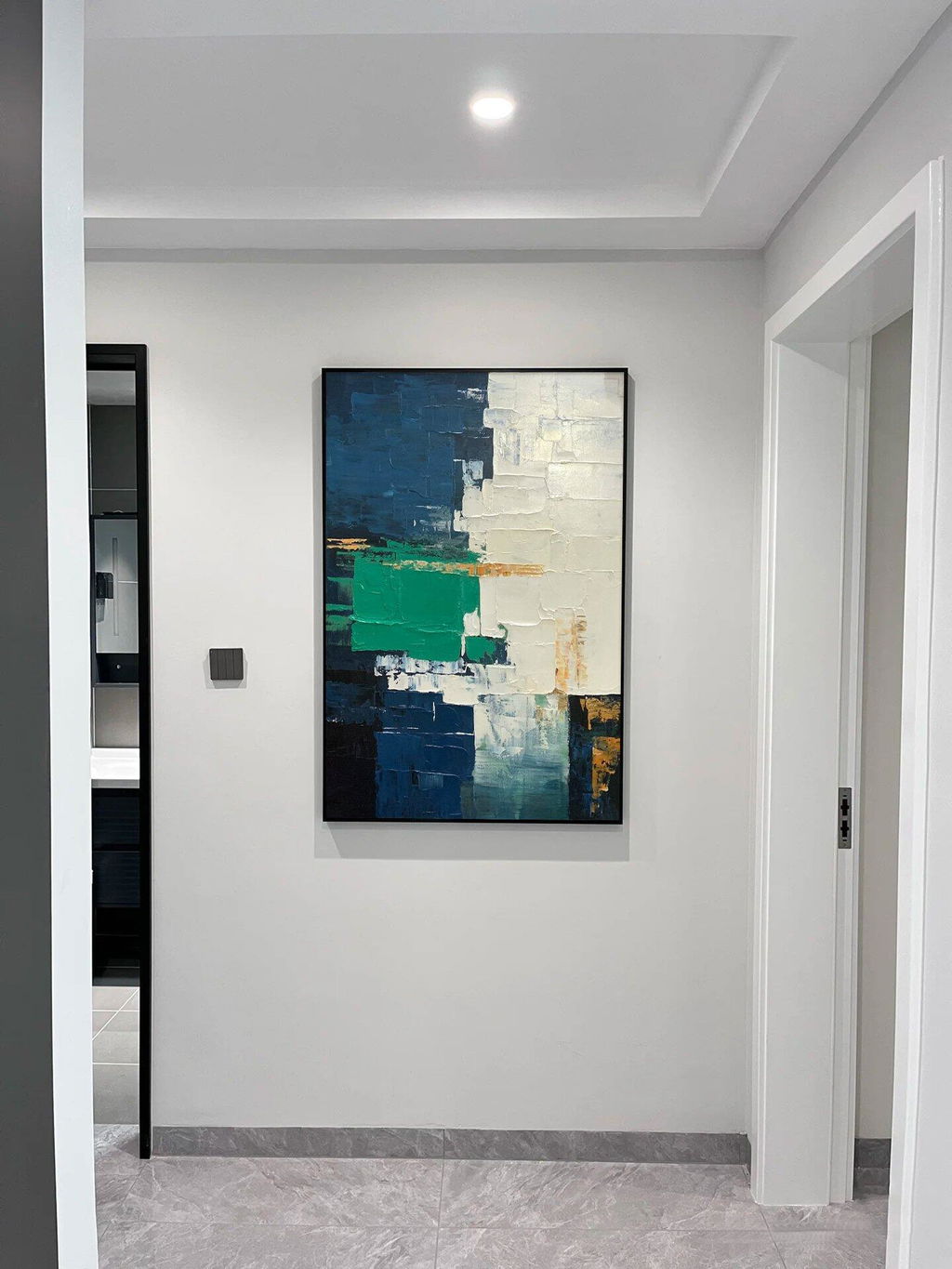
Instead of keeping the entire surface flat, 3D artwork uses raised textures and layered materials to create different levels across the canvas. These subtle variations can make simple shapes and neutral colors appear much more visually interesting.
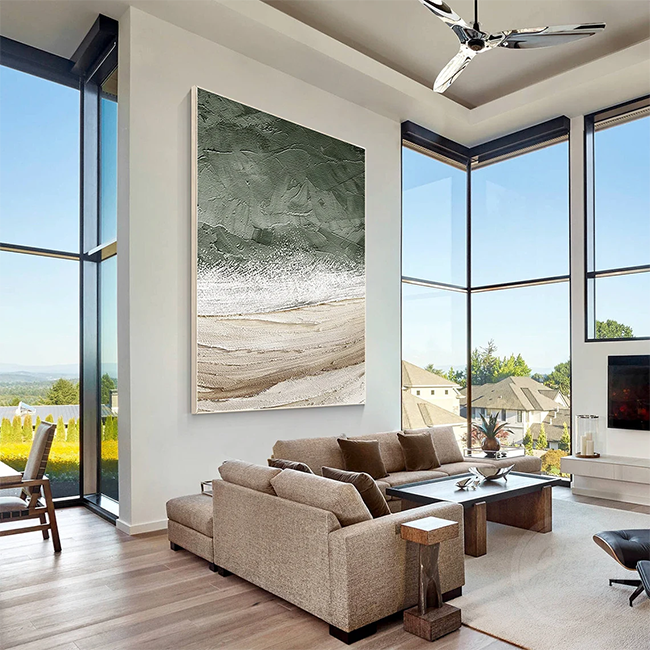
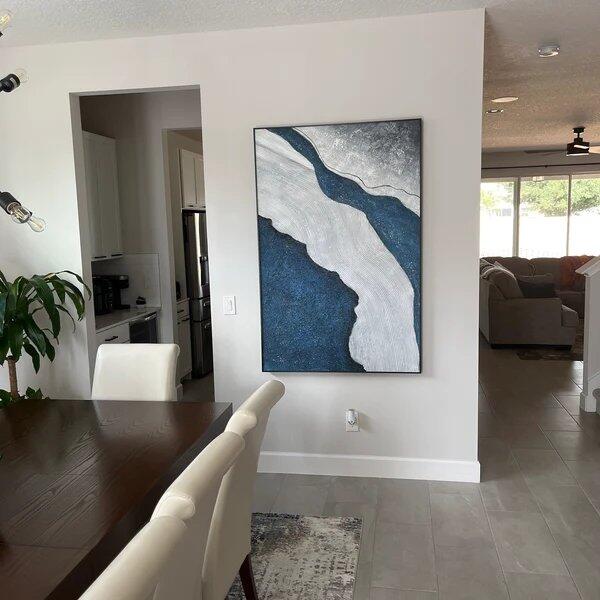
On a large wall, textured artwork can also create a stronger focal point without relying on bright or dramatic colors.

2. Texture Changes with Light
Texture doesn't just change how a painting looks—it changes how it interacts with the room.
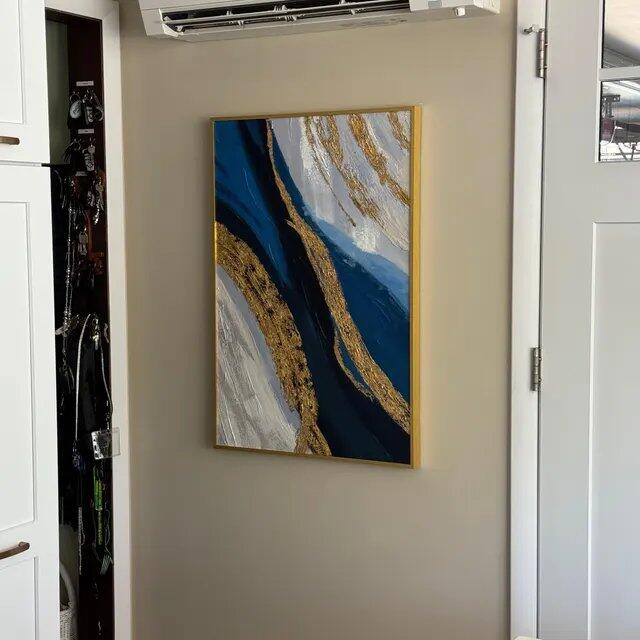
When natural or artificial light hits a raised surface, it creates small highlights and shadows. As the direction and intensity of the light change throughout the day, the artwork can appear slightly different.
Morning sunlight may emphasize one part of the texture, while warm evening lighting can create softer shadows. This gives the artwork a more dynamic quality than a completely flat surface.
Tip: If your wall receives natural light, placing a textured painting where light can reach its surface can help emphasize its three-dimensional details.
3. It Creates a Handmade and Artistic Feel
Another appeal of 3D textured art is its handcrafted appearance.
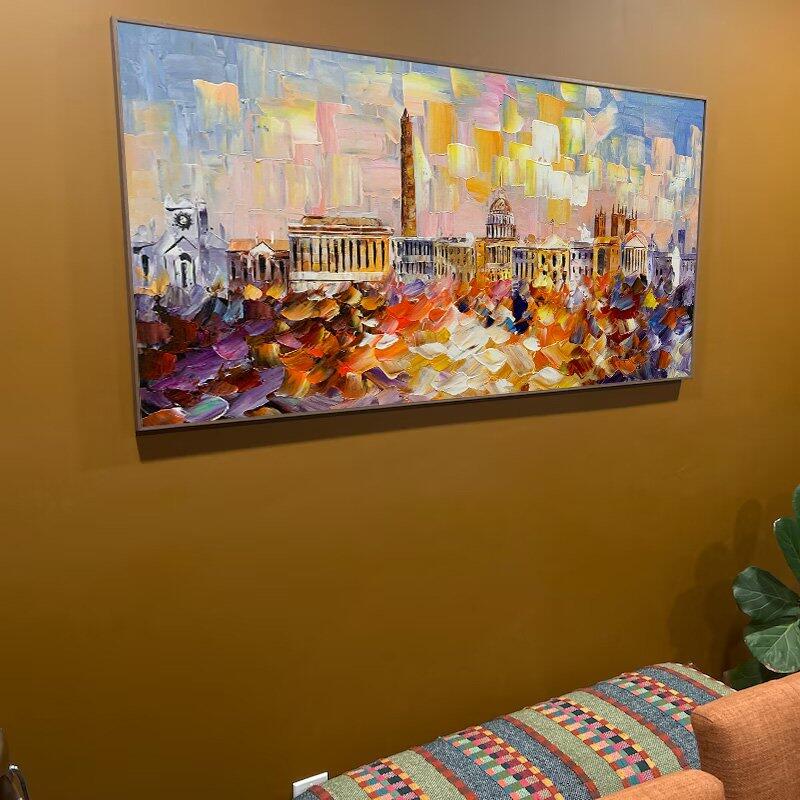
Palette-knife marks, raised brushwork, layered materials, and irregular surfaces can give a painting a sense of movement and individuality. Small variations in the texture make the artwork feel less mechanical and more personal.
This is especially appealing for homeowners who want their wall decor to feel like an original piece of art rather than mass-produced decoration.

4. Neutral Colors Can Become More Interesting
Neutral wall art is popular because it works well with many interior styles. However, a painting using only white, cream, beige, taupe, or soft brown can sometimes look too simple when the surface is completely flat.
Texture adds visual interest without requiring strong colors.
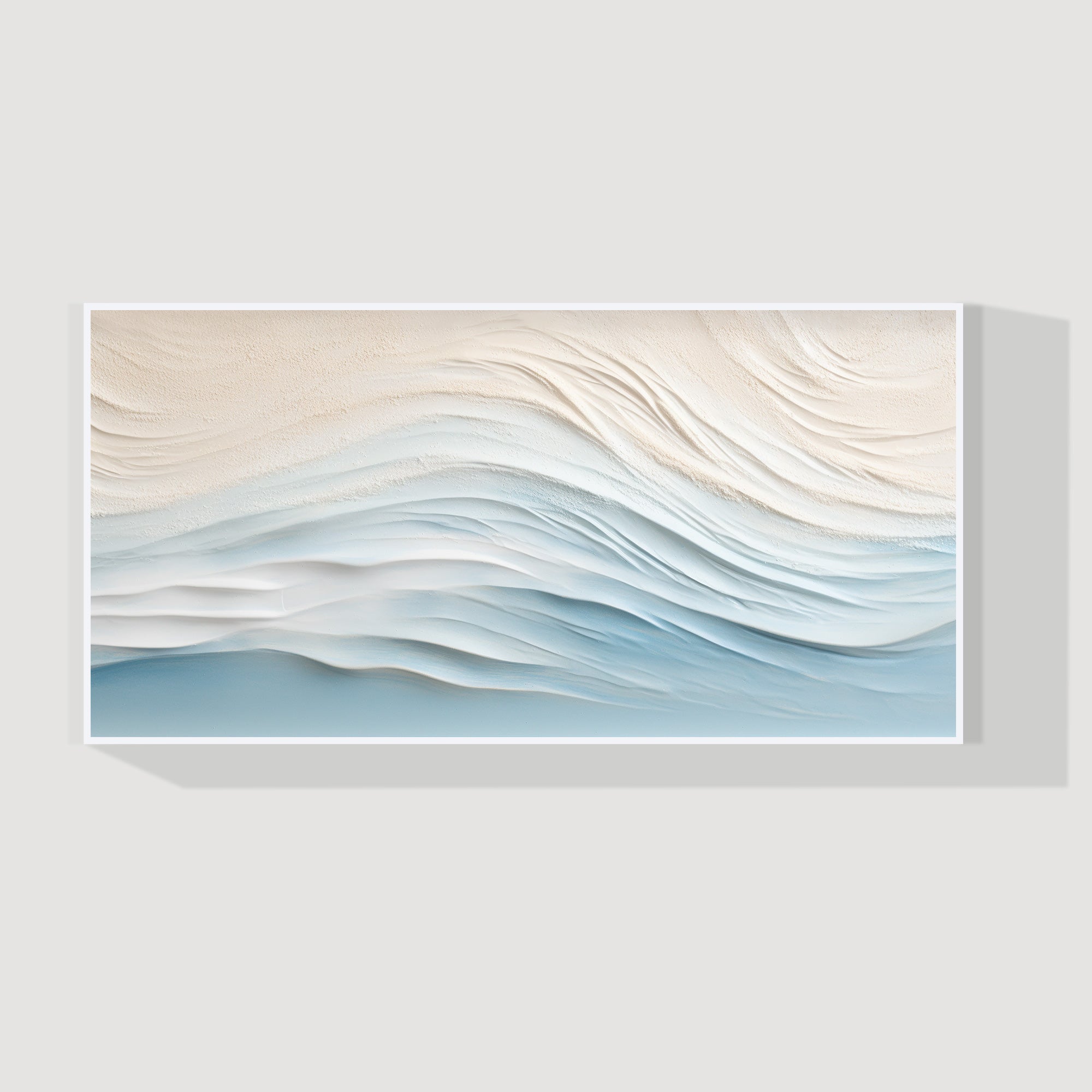
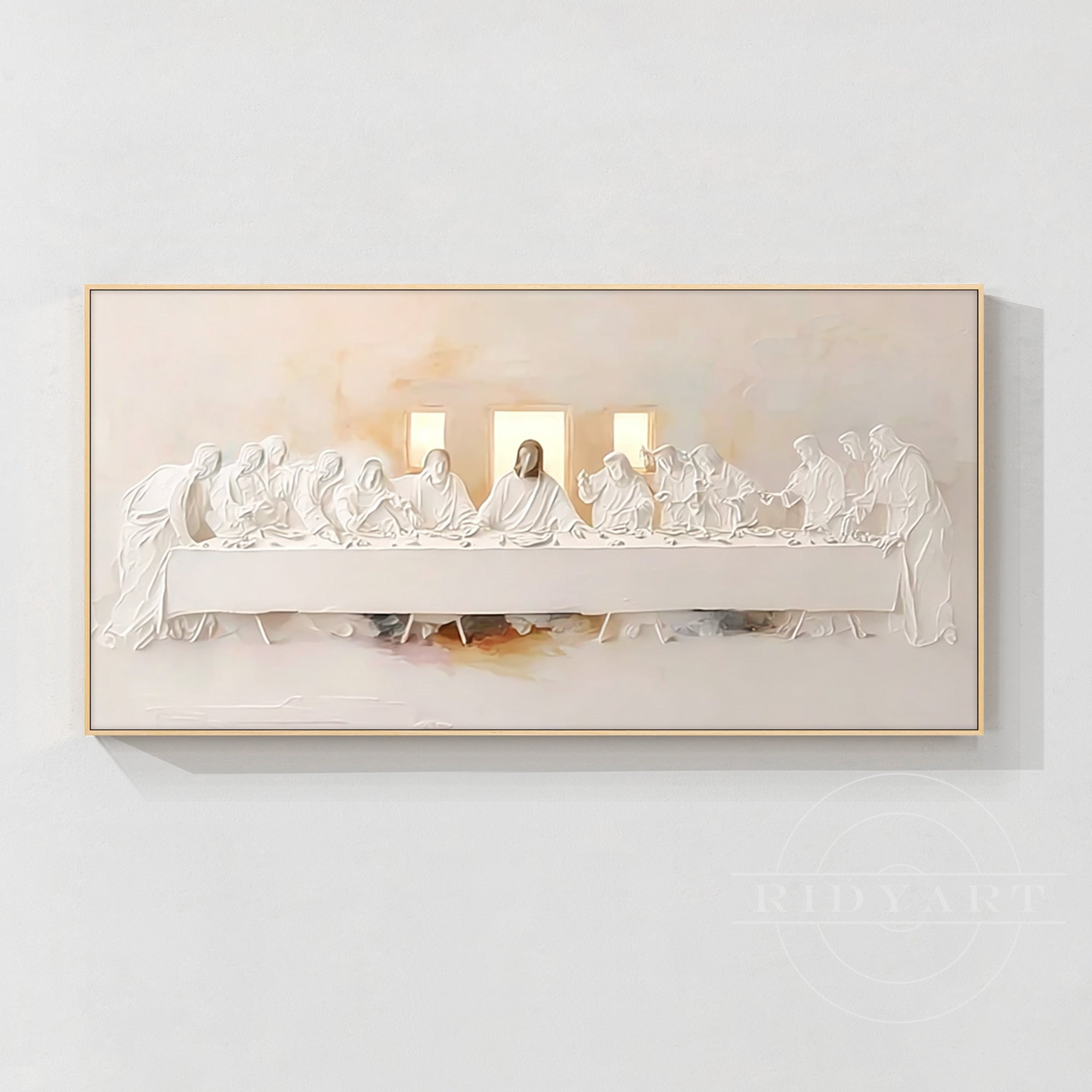
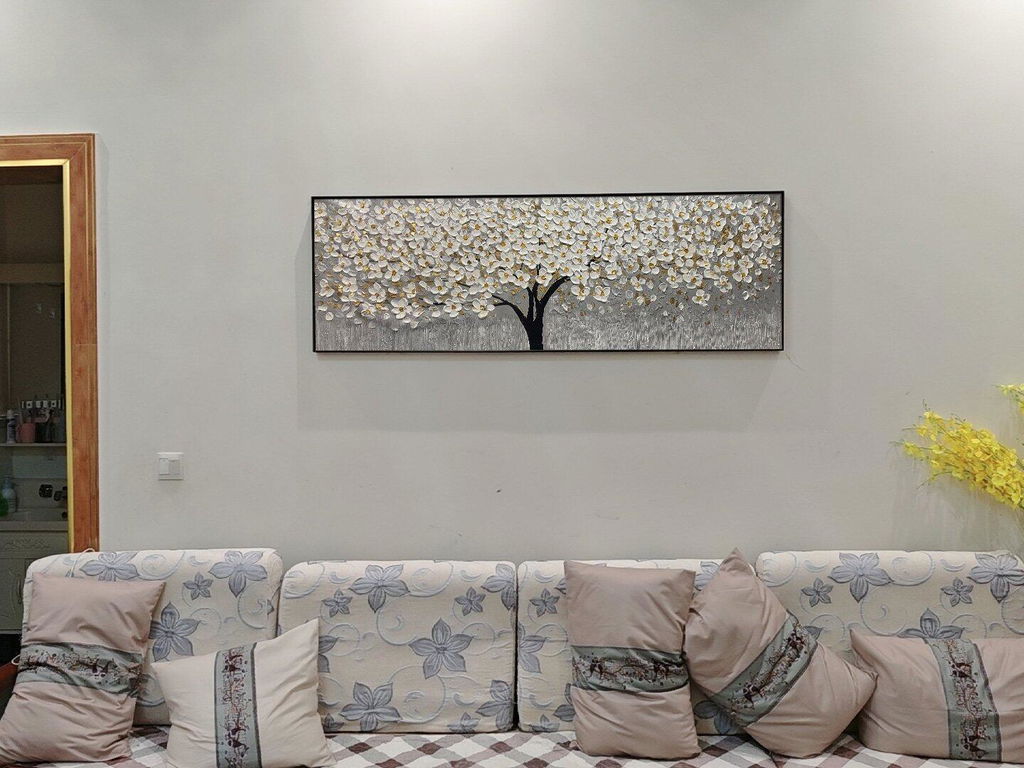
For example, a creamy white textured painting can look soft and minimal from a distance, while its raised surface becomes much more noticeable when viewed up close.
This makes textured art particularly suitable for neutral, minimalist, Japandi, Wabi-Sabi, and contemporary interiors.

5. 3D Texture Works with Many Interior Styles
Textured wall art isn't limited to one decorating style.
Modern Interiors
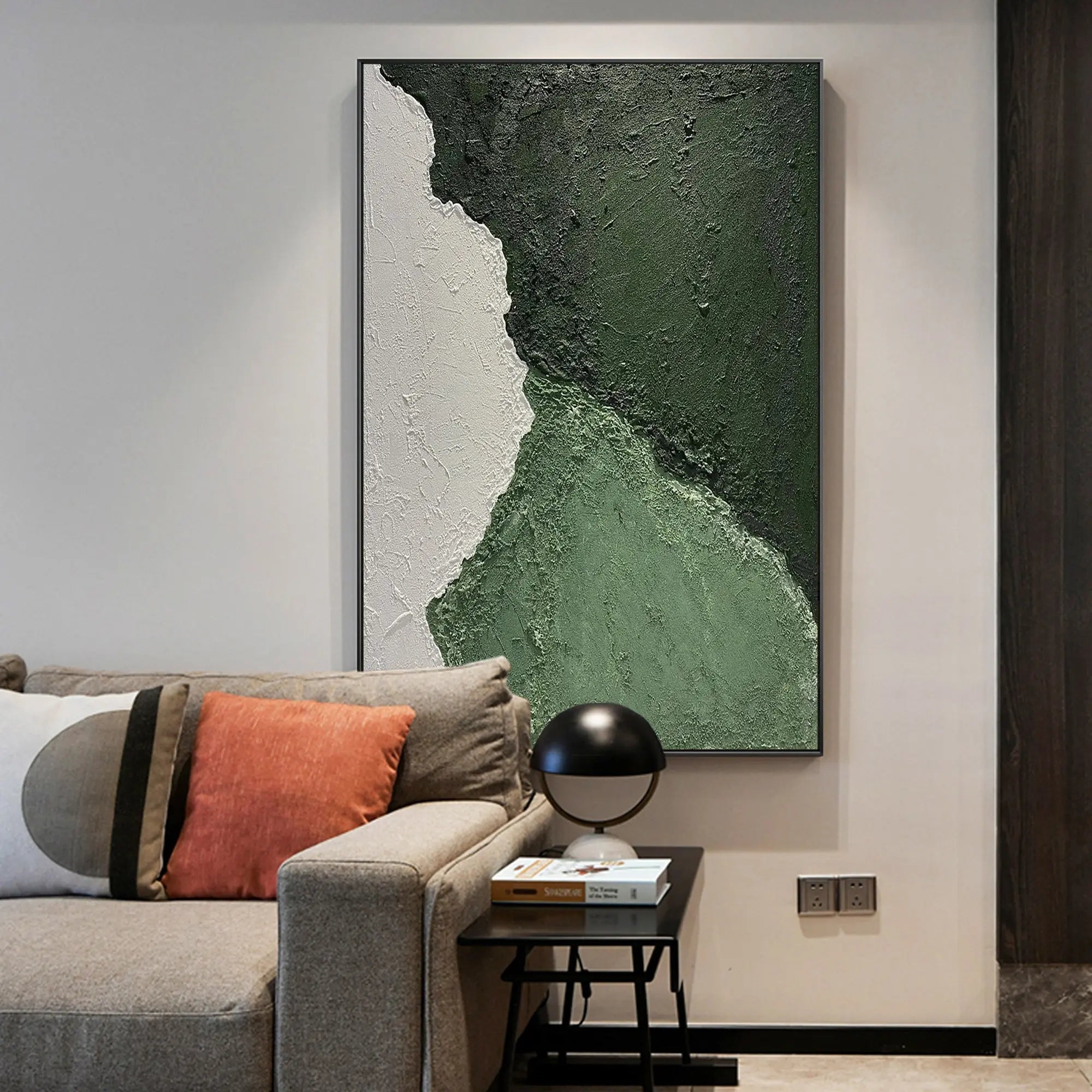
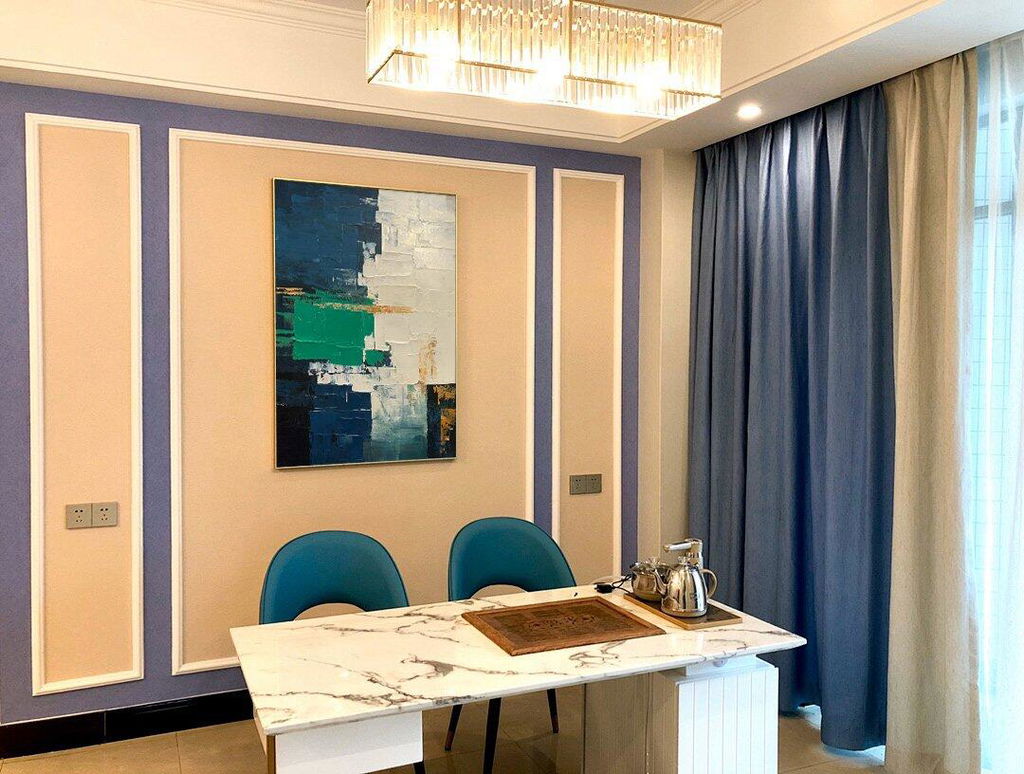
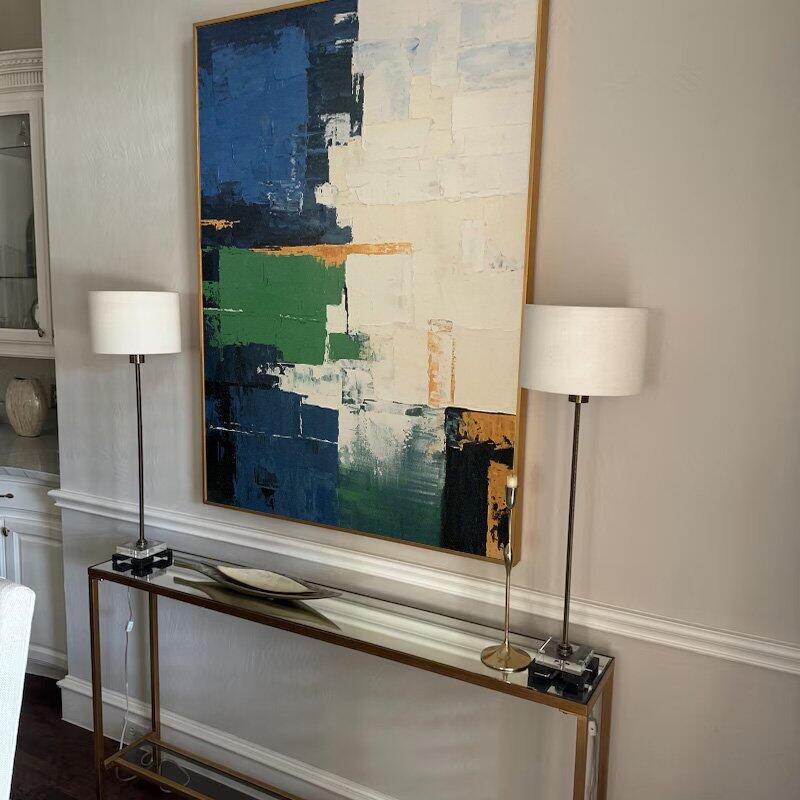
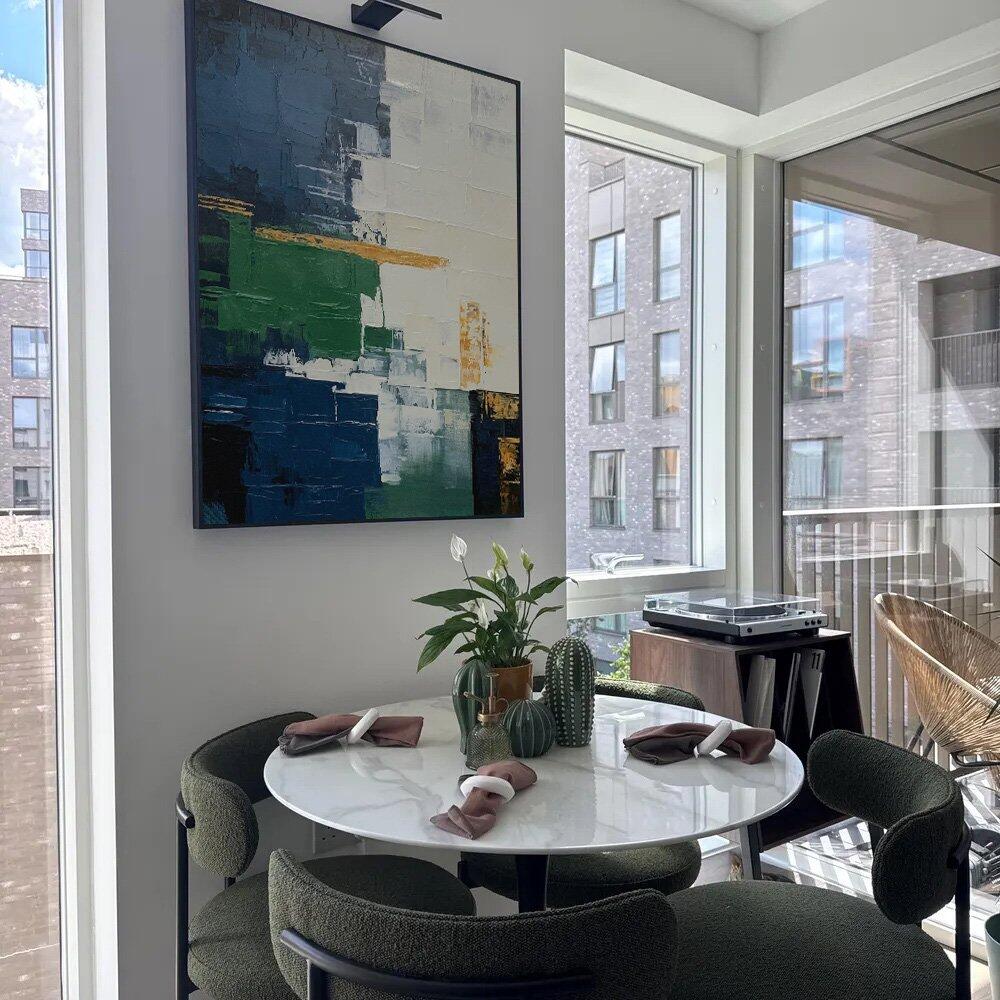
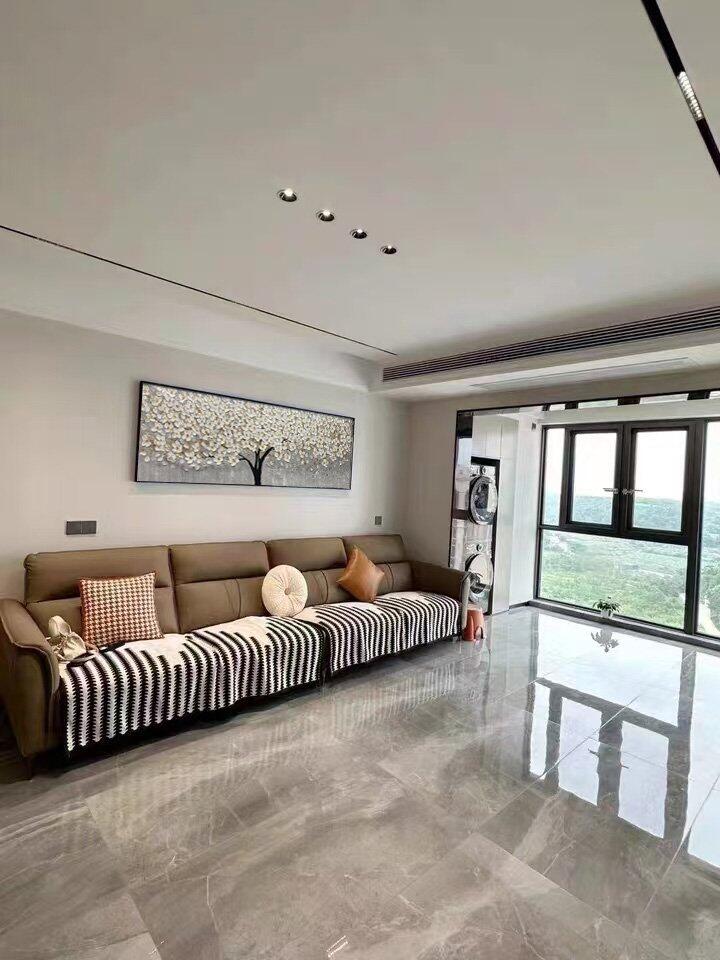
Large abstract textured paintings can add sophistication to a modern living room without making the space feel overly busy.
Minimalist Interiors
Simple compositions and neutral colors allow the texture itself to become the main visual feature.
Wabi-Sabi Interiors
The natural irregularities of handmade texture complement the Wabi-Sabi appreciation of imperfection, simplicity, and authenticity.
Japandi Interiors
Soft neutral colors combined with subtle raised textures can add warmth while maintaining the clean aesthetic associated with Japandi design.
Contemporary Interiors
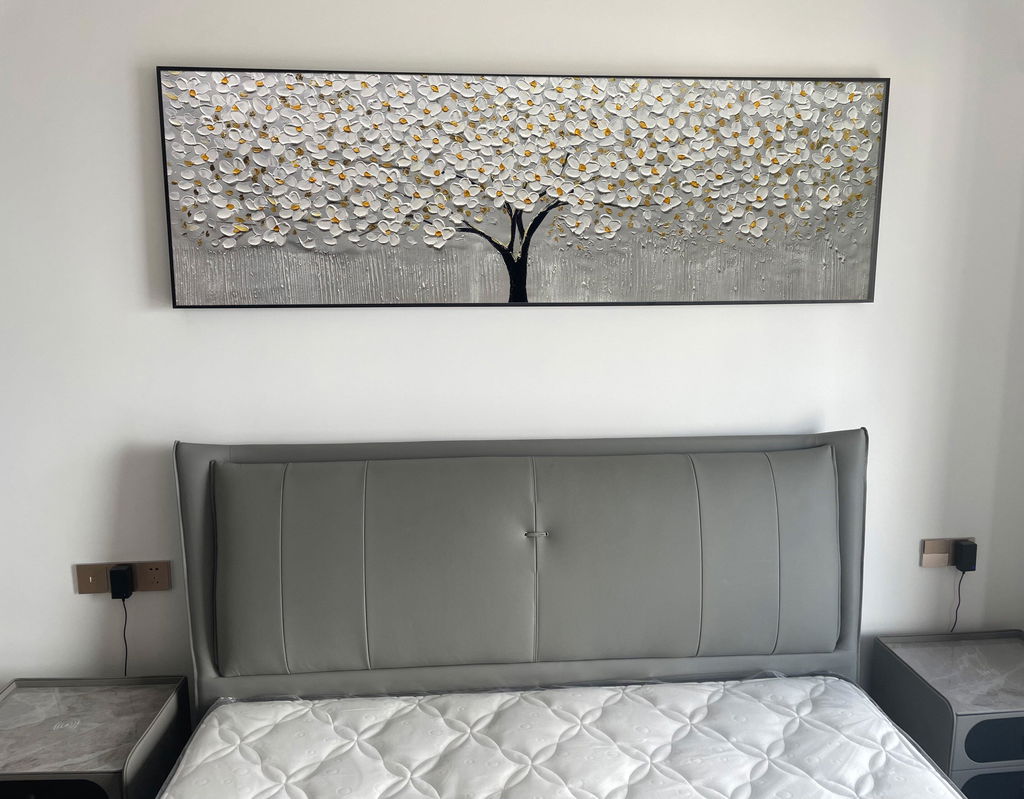
Bold textures and abstract forms can create a statement piece above a sofa, bed, console, or dining table.
6. How to Choose the Right 3D Textured Wall Art
When choosing textured artwork for your home, consider more than just the painting itself.
Consider the Wall Size
Large empty walls often benefit from oversized artwork. A larger canvas allows the texture and composition to become a strong focal point.
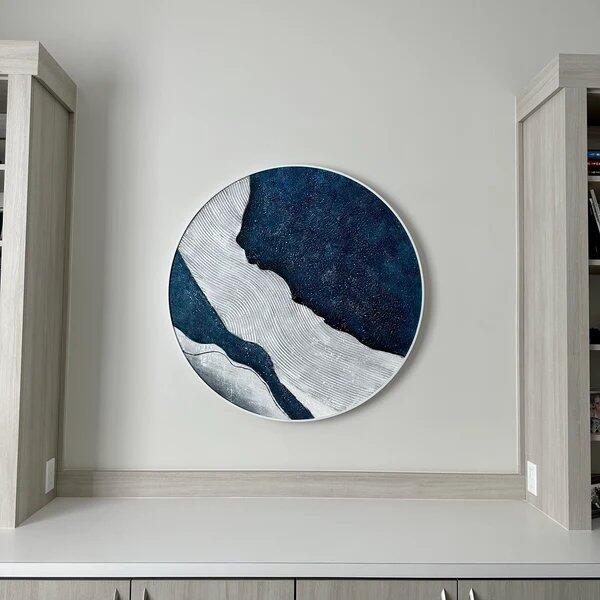
For smaller walls, a medium-sized piece with a more subtle texture may create a better balance.
Consider Your Existing Colors
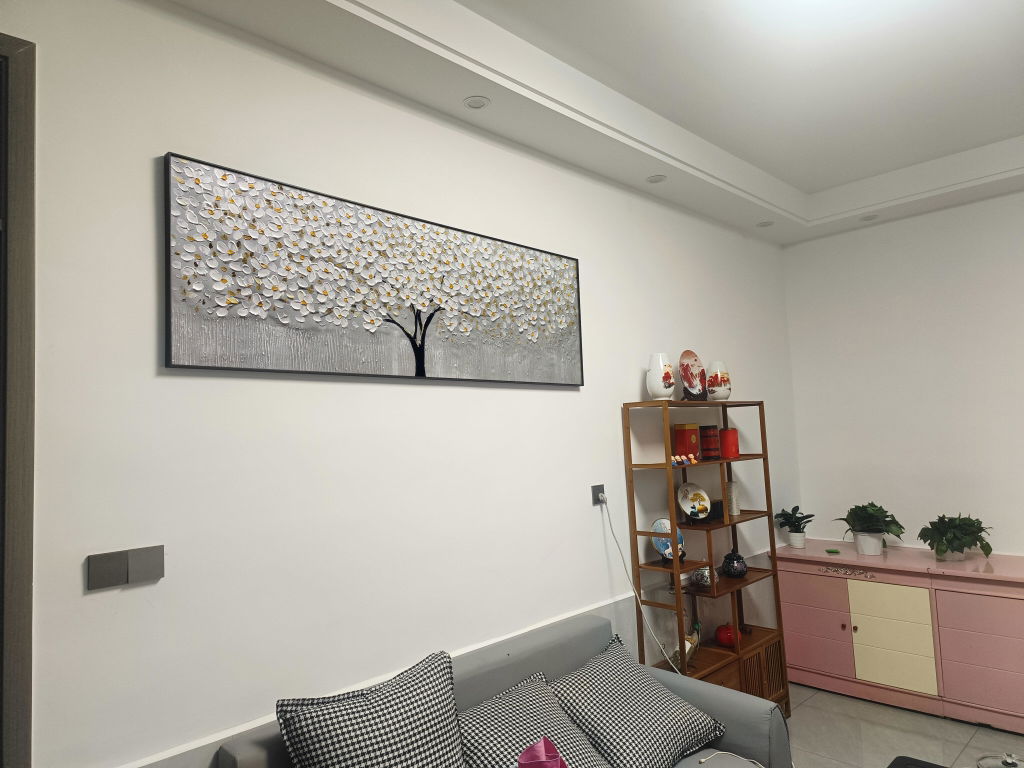
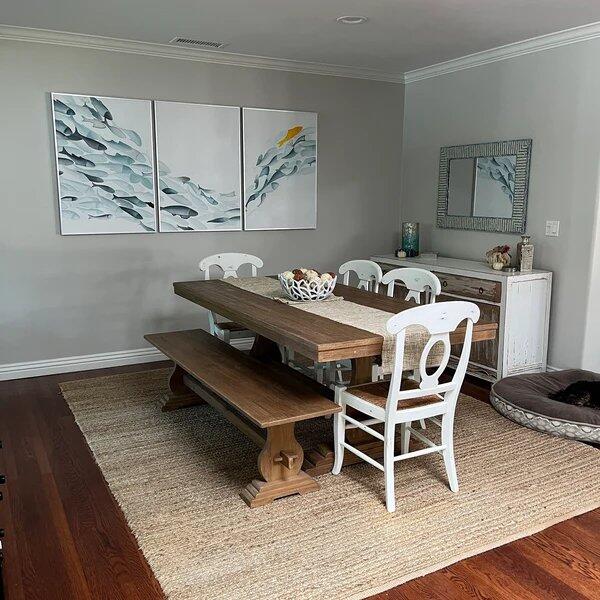
Look at the colors already present in your furniture, curtains, rugs, and accessories. Neutral textured art can blend naturally into an existing color palette, while stronger colors can be used to create contrast.
Consider the Lighting
Because texture responds to light, think about where the artwork will be displayed. Natural light can emphasize raised areas and create beautiful shadows across the surface.
Consider the Amount of Texture
Not every textured painting needs to have dramatic relief. Subtle texture can create an elegant and understated appearance, while heavier texture can produce a more artistic and sculptural effect.

7. Why Textured Art Can Feel More Personal
A painting isn't only about what you see from across the room. Texture encourages you to look closer.
From a distance, you may notice the overall composition and colors. As you move closer, the raised details, surface variations, and handmade marks become visible.
This creates a different experience from viewing a completely flat print. The artwork becomes something you can visually explore rather than simply observe.
Bring More Dimension to Your Walls
3D textured wall art can transform a simple painting into a more dimensional and expressive piece of home decor. By adding depth, interacting with light, and creating a handmade feel, texture gives artwork another layer of visual character.
Whether you prefer a calm neutral palette, an abstract composition, or a bold statement piece, textured art can bring warmth and personality to your space.
If you're looking for artwork that combines color, texture, depth, and handmade character, explore our collection of textured wall art and discover a piece that fits your space and personal style.
explore:https://ridyart.com/collections/3d-textured-painting






Leave a comment
This site is protected by hCaptcha and the hCaptcha Privacy Policy and Terms of Service apply.