

Article: The Beauty of Imperfection: Bringing Wabi-Sabi Art Into Your Home
The Beauty of Imperfection: Bringing Wabi-Sabi Art Into Your Home
The Beauty of Imperfection: Bringing Wabi-Sabi Art Into Your Home
In a world filled with perfectly polished interiors and carefully coordinated decorations, there is something refreshing about embracing imperfection. This is the beauty of Wabi-Sabi, a Japanese aesthetic philosophy that finds beauty in simplicity, natural materials, and the passage of time.
When brought into home decor, Wabi-Sabi creates spaces that feel calm, warm, and effortlessly beautiful. One of the easiest ways to introduce this aesthetic into your home is through textured wall art.
1. Understanding the Beauty of Wabi-Sabi
Wabi-Sabi is about appreciating things as they are. Rather than seeking perfect symmetry or flawless finishes, it celebrates natural irregularities, subtle variations, and understated beauty.
In interior design, this philosophy often appears through natural materials such as wood, stone, linen, and clay. Soft earthy colors, organic shapes, and simple decorations also help create a peaceful and welcoming atmosphere.

2. Why Textured Wall Art Fits the Wabi-Sabi Style
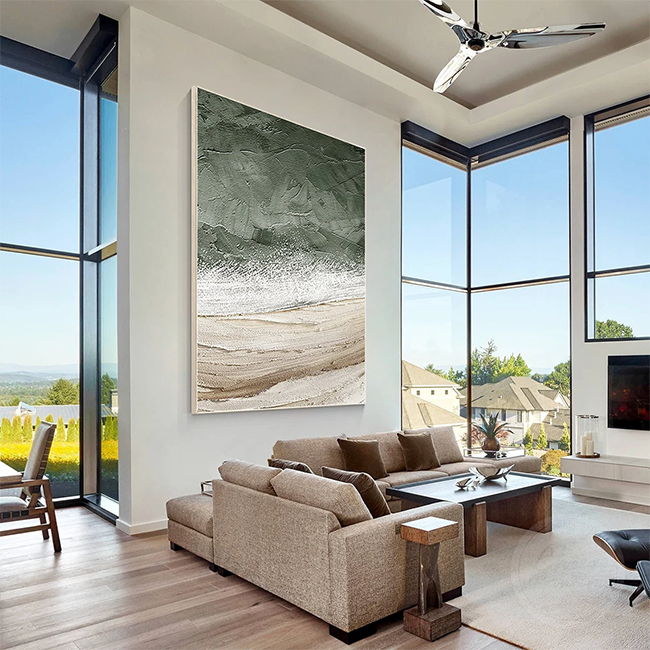
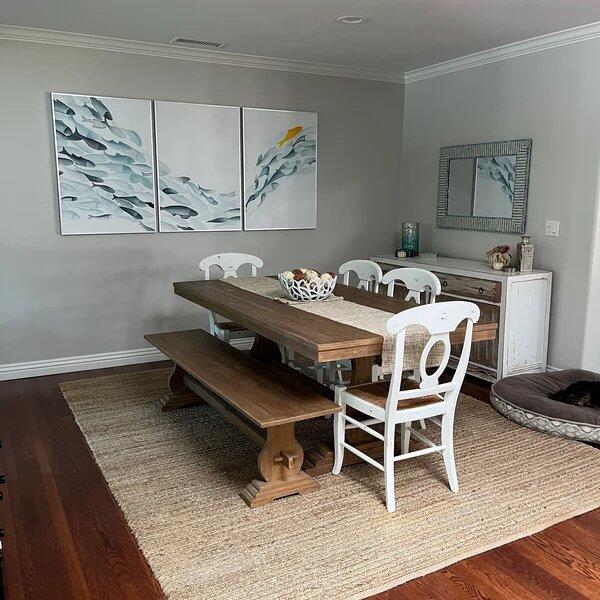
Wall art plays an important role in creating the atmosphere of a room. For Wabi-Sabi interiors, textured artwork is especially suitable because it introduces depth and natural variation without overwhelming the space.
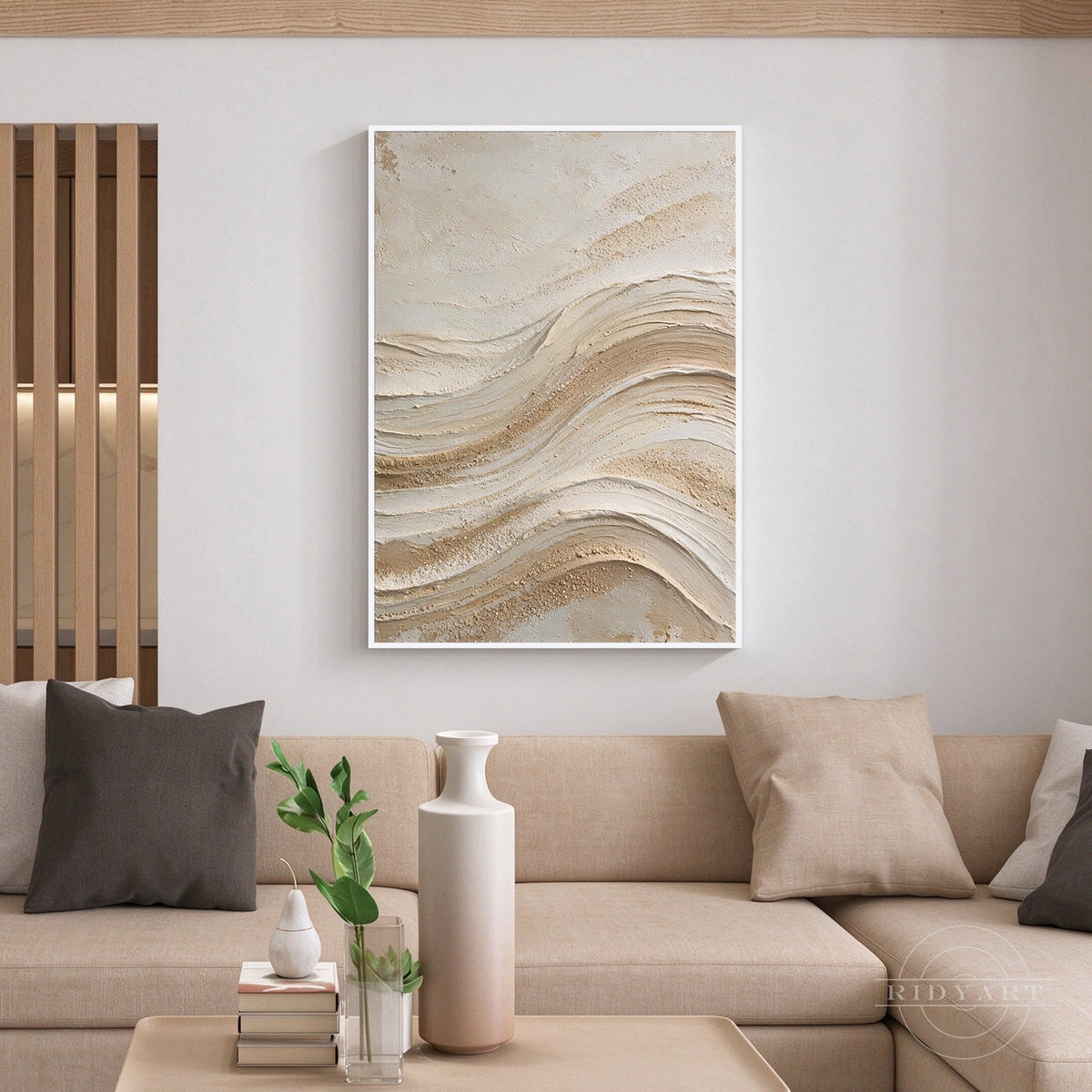
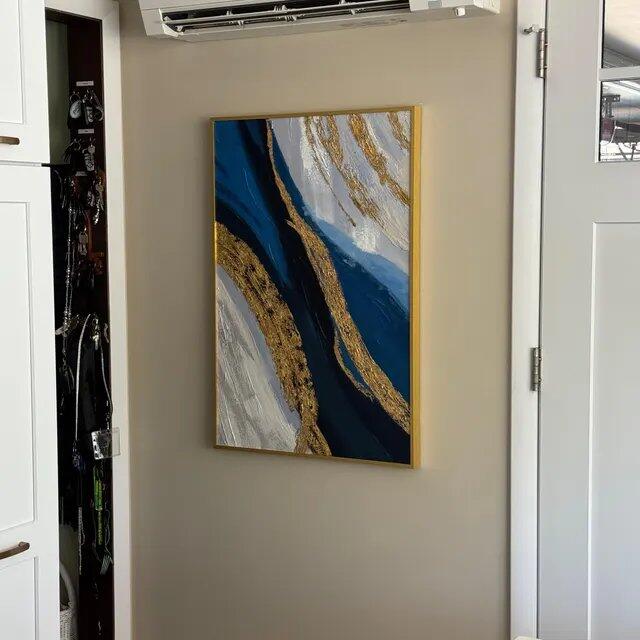
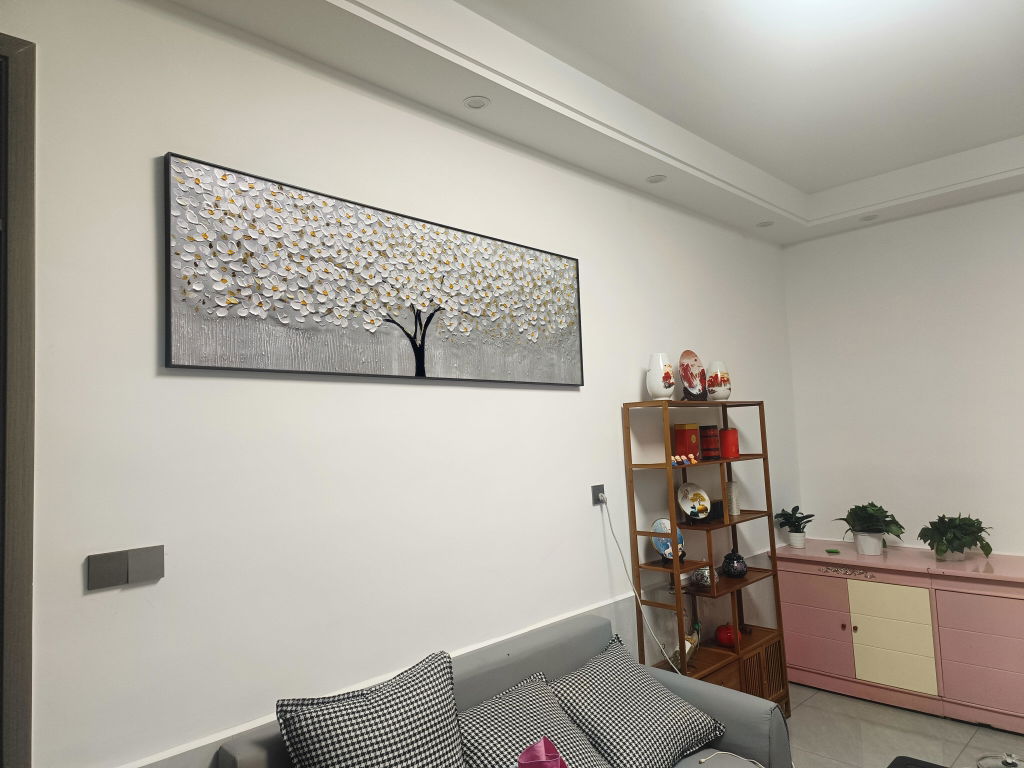
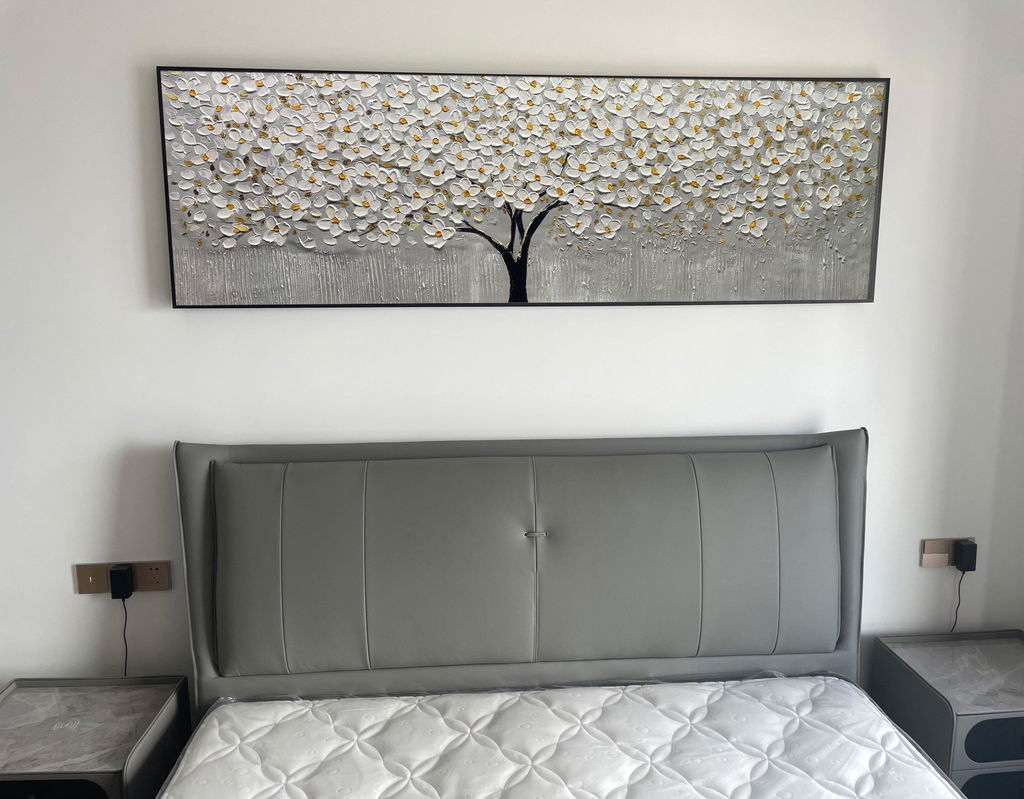
Hand-painted textured paintings often feature raised surfaces, irregular patterns, and subtle changes in tone. These details create a tactile quality that makes each artwork feel unique.
Unlike flat printed artwork, palette knife paintings bring actual dimension to the canvas. Their layered surfaces and handcrafted details reflect the natural beauty at the heart of Wabi-Sabi design.
3. Choosing the Right Colors and Textures
A Wabi-Sabi-inspired interior usually starts with a restrained color palette.
-
Beige and Ivory: Create a warm, relaxed atmosphere and work beautifully with natural wood furniture.
-
Warm Gray and Taupe: Add depth while maintaining a calm and balanced appearance.
-
Brown and Earth Tones: Inspired by natural stone, soil, and wood, these colors bring warmth and an organic feeling to a room.
When choosing artwork, look for layered textures, irregular patterns, and subtle color variations rather than overly bold designs.

4. Bringing Wabi-Sabi Art Into Different Spaces
Wabi-Sabi artwork can complement many areas of your home.
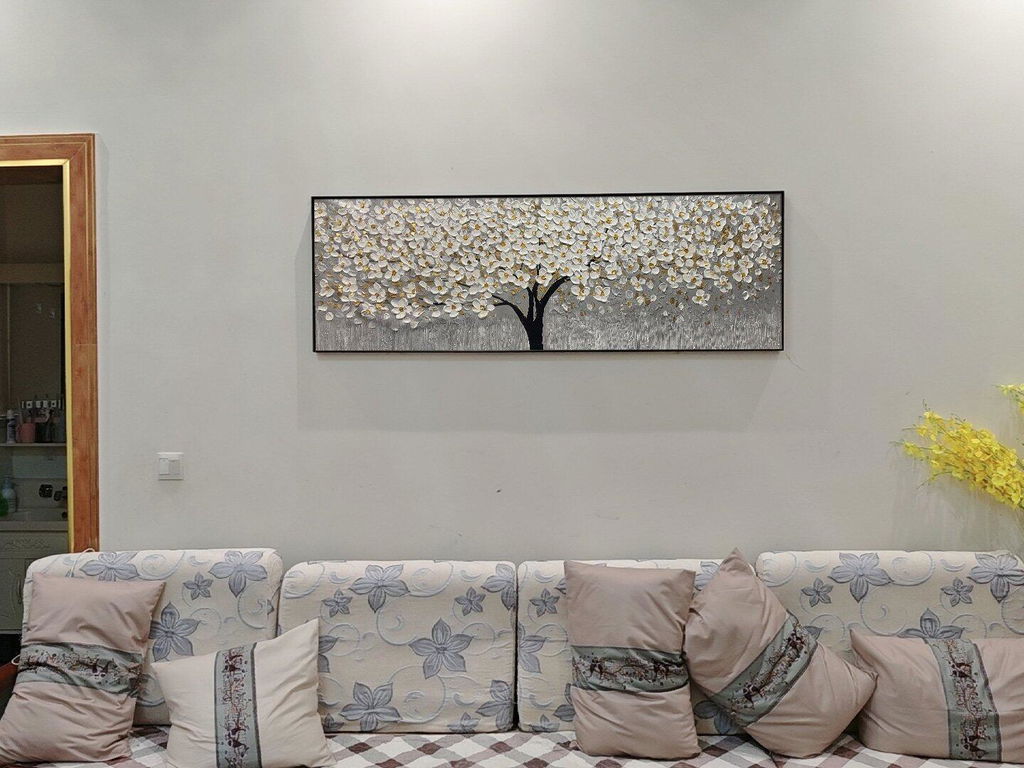
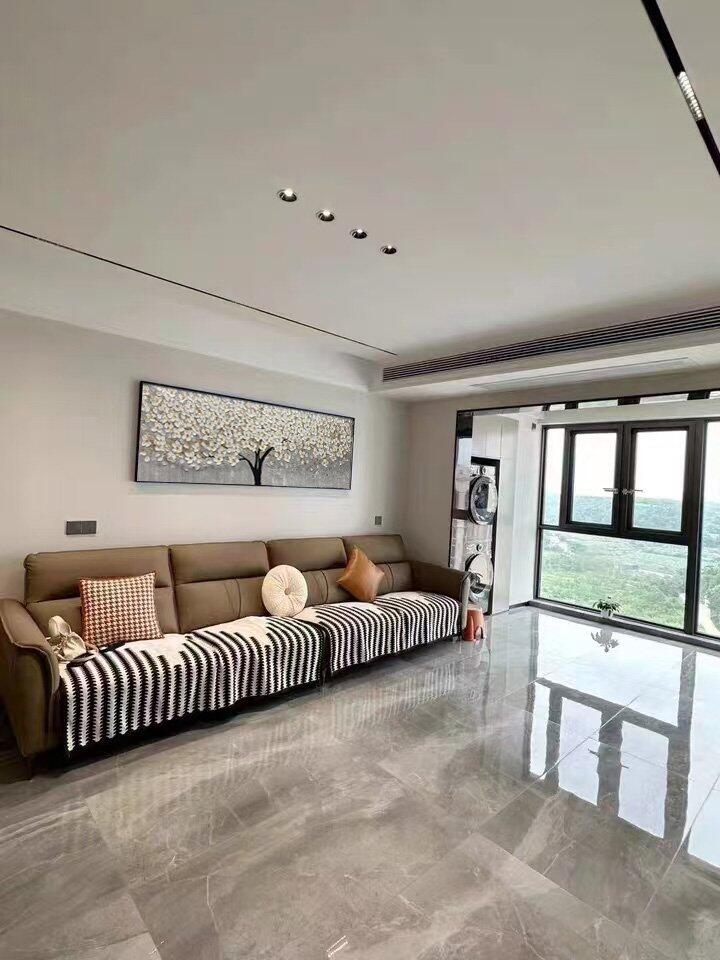
Living Room: Place a large horizontal textured painting above the sofa to create a natural focal point without making the room feel crowded.
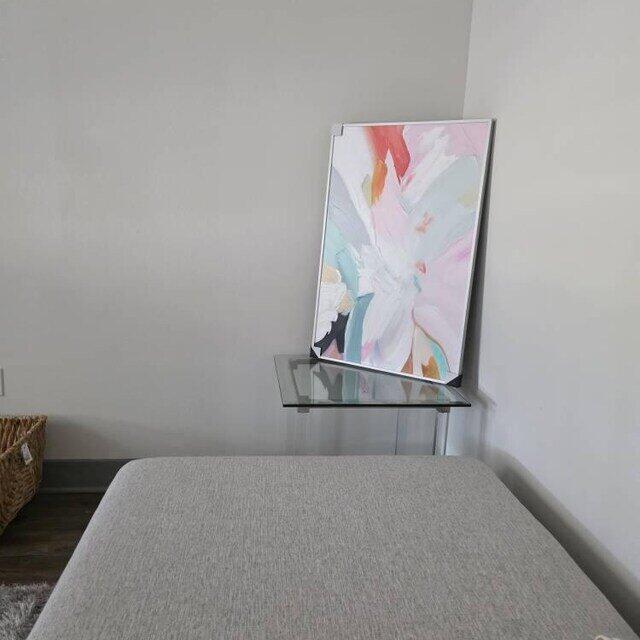
Bedroom: Choose soft beige, ivory, or gray artwork to create a peaceful environment that encourages relaxation.
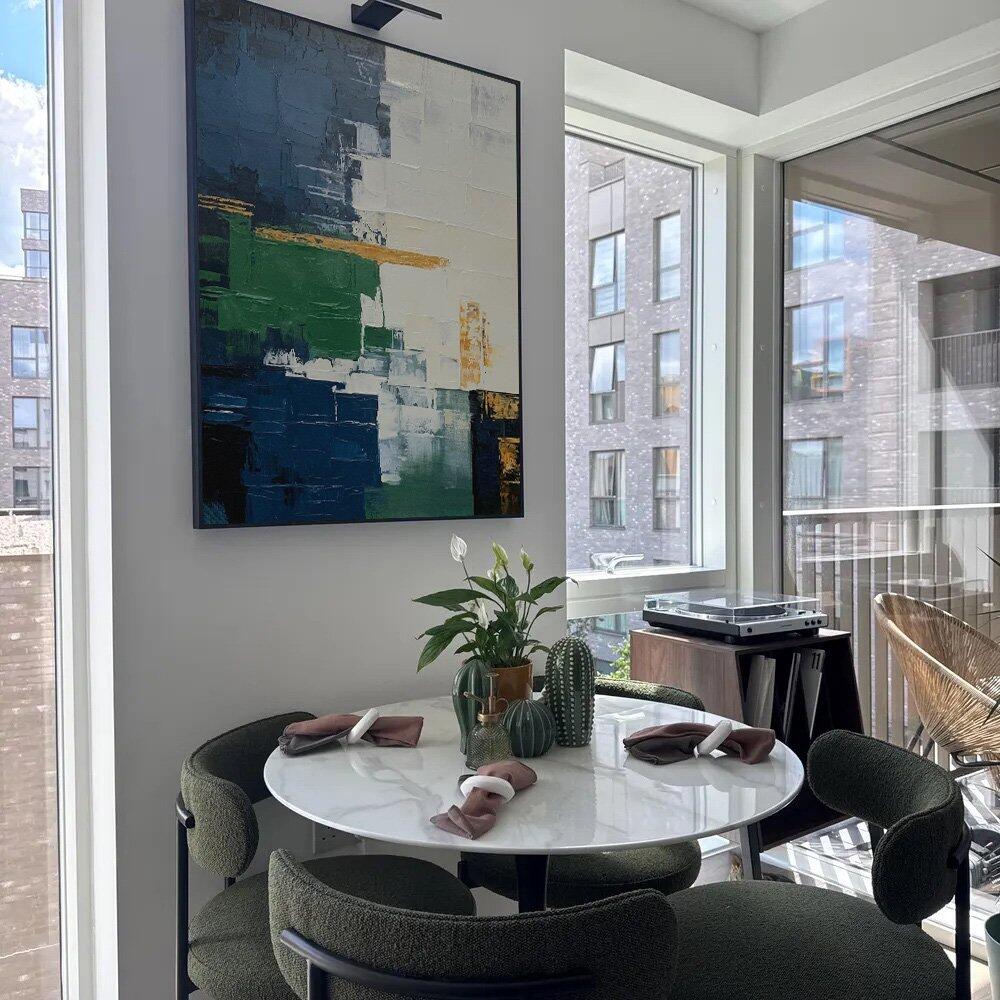
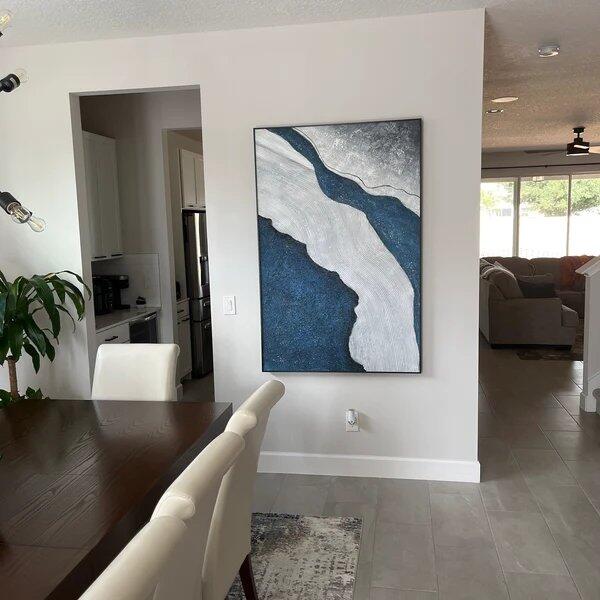
Dining Room: Earth-toned abstract paintings can add warmth and visual interest while complementing wooden furniture.
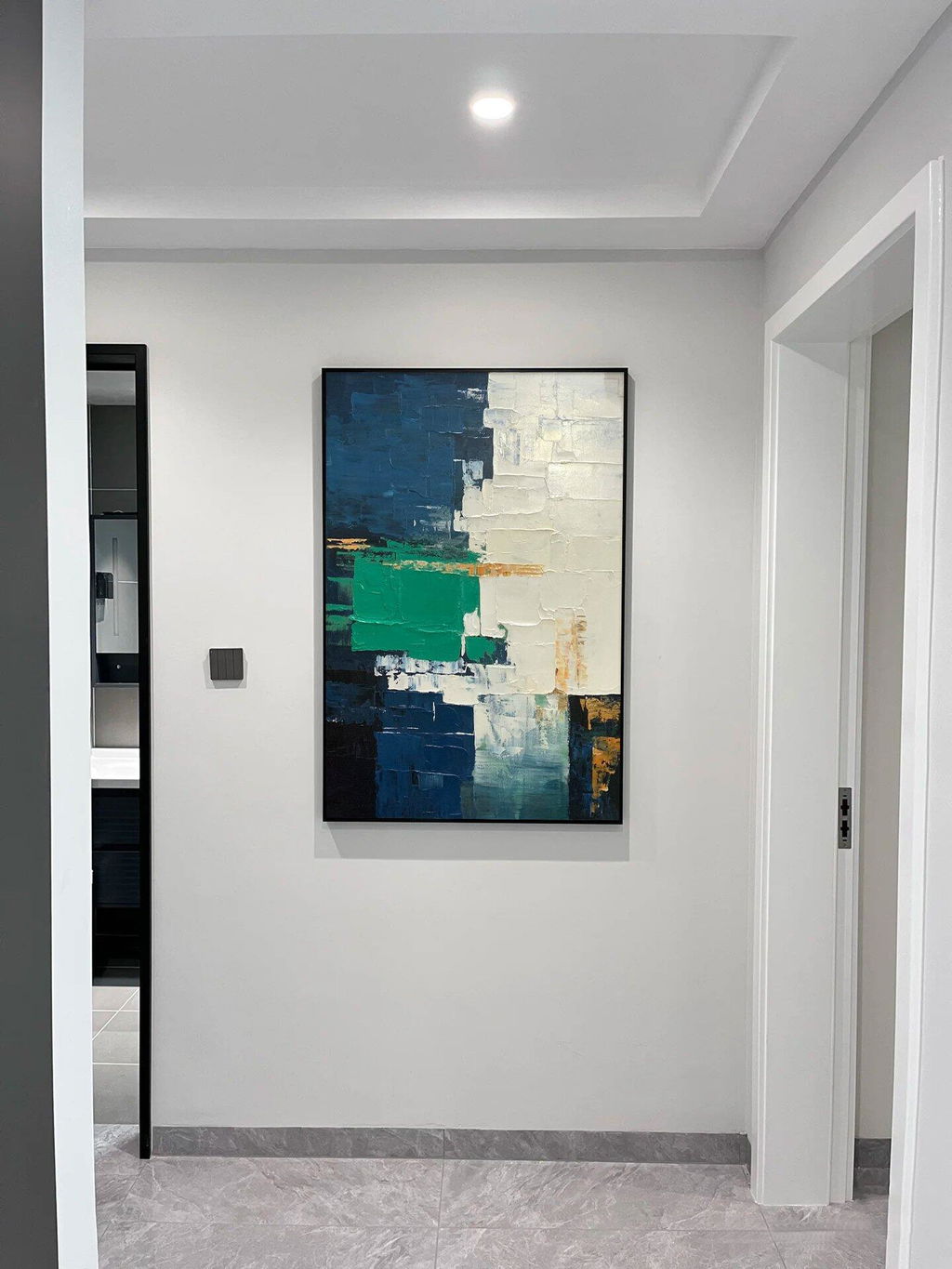
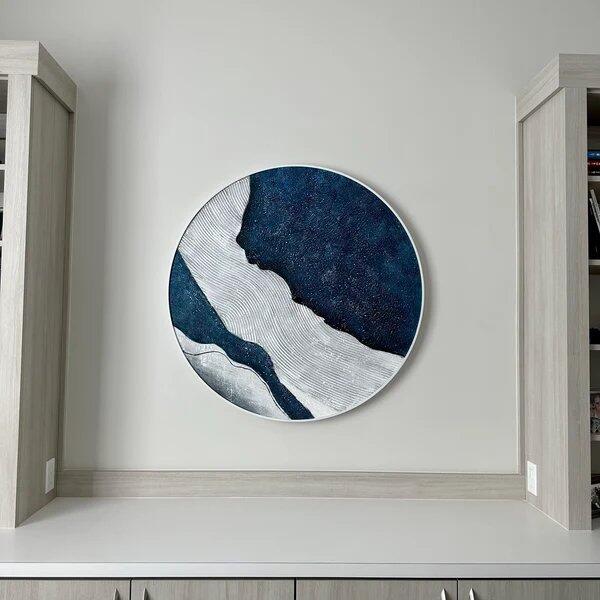
Entryway: A smaller textured artwork can make a simple entrance feel more personal and thoughtfully designed.

5. Make Your Space Feel More Personal
Wabi-Sabi is not about following strict decorating rules. It is about creating a home that feels comfortable, natural, and meaningful to you.
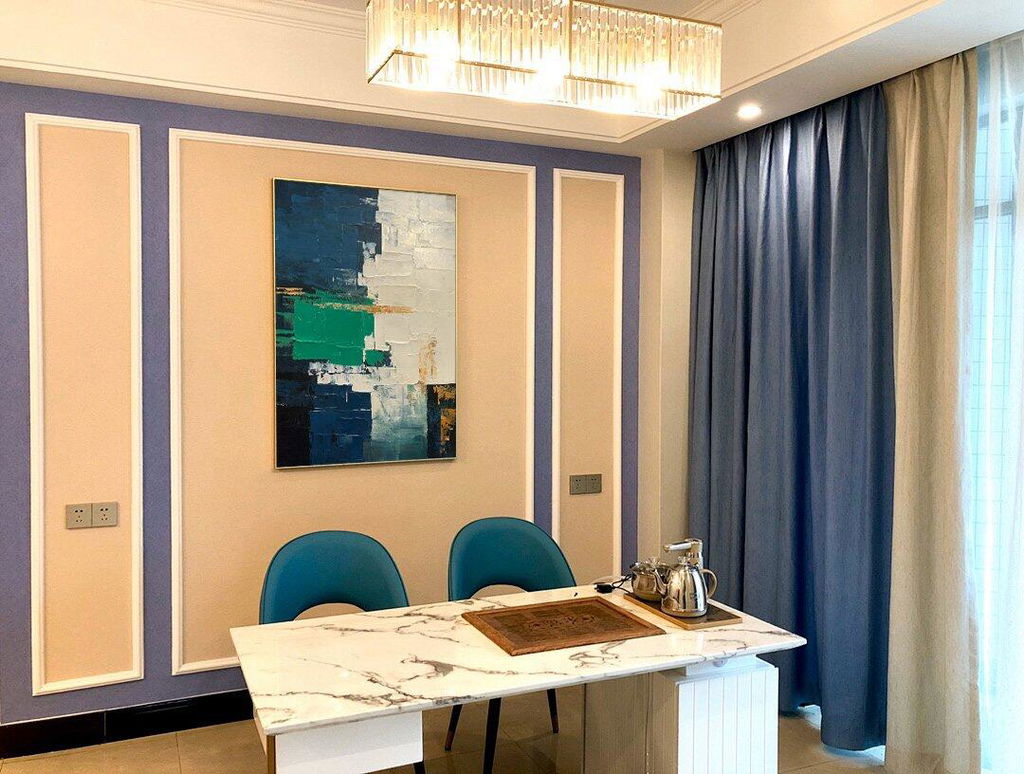
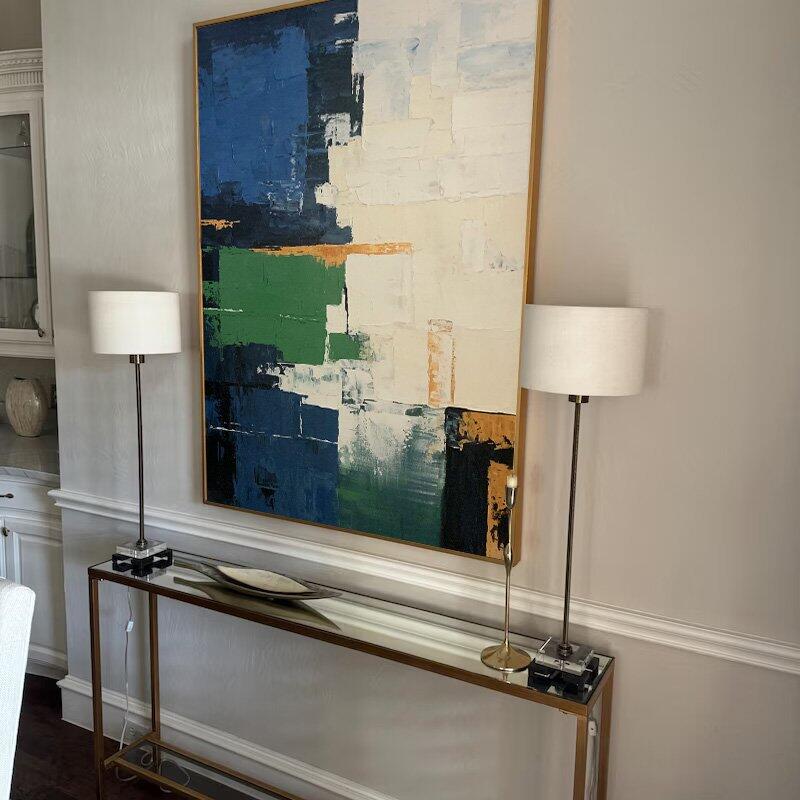
At RidyArt, our hand-painted textured wall art celebrates the beauty of handcrafted details. Created with palette knife techniques and layered textures, each painting has its own distinctive surface and character.
Whether you prefer soft neutral tones, organic abstract designs, or earthy colors, choosing artwork that reflects your personal style can make your space feel more complete.
We also offer custom sizes to help you find artwork that fits your walls and interior perfectly.
Discover handmade textured wall art at RidyArt and bring the quiet beauty of Wabi-Sabi into your home.





Leave a comment
This site is protected by hCaptcha and the hCaptcha Privacy Policy and Terms of Service apply.