

Textured Wall Art: How to Add Depth and Character to Your Home
Why do some interiors feel thoughtfully designed and full of character, while others appear flat or unfinished—even when the furniture and layout are similar?
In many cases, the difference lies in the wall decor. More specifically, it comes down to whether the artwork introduces real texture, depth, and material presence into the space.
Textured hand-painted artwork, especially acrylic-based pieces, offers more than visual decoration. It adds layers, interacts with light, and brings a sense of authenticity that printed wall art simply cannot replicate.
In this guide, we’ll explore how textured wall art enhances your space through thickness, light, and material—and how to use it effectively in different areas of your home.

Break Flatness with Thickness and Layering
Flat wall art often blends into the background, especially in modern interiors where clean lines dominate. Without variation in surface, the wall can feel visually quiet—but not in a good way.
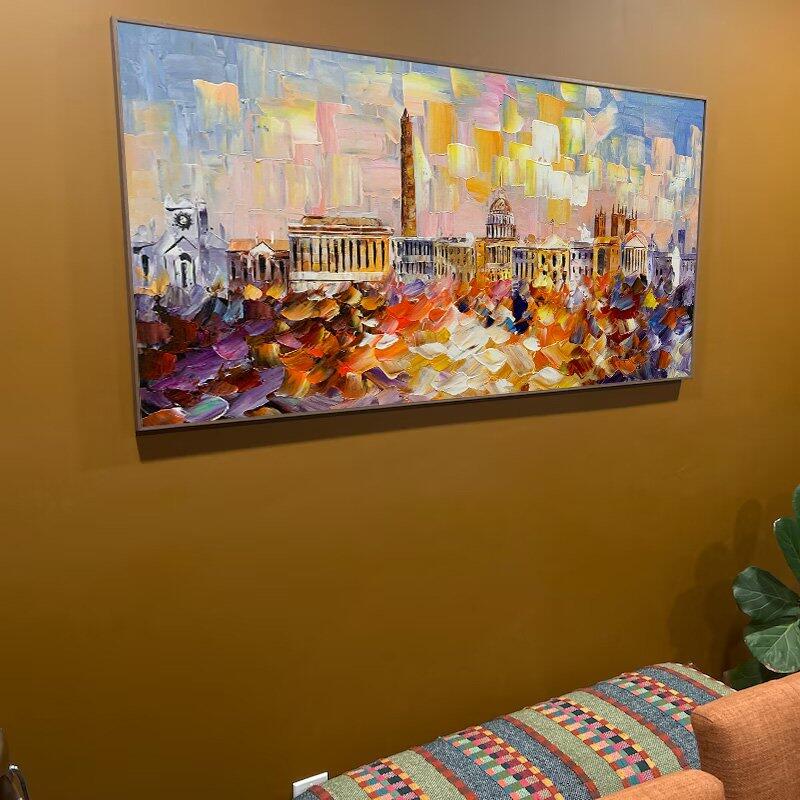
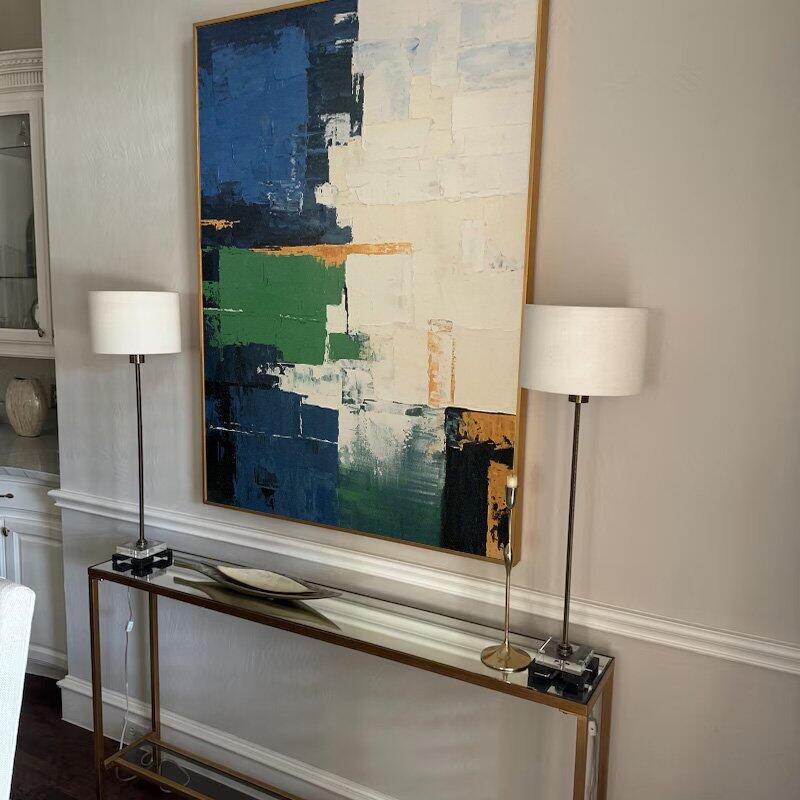
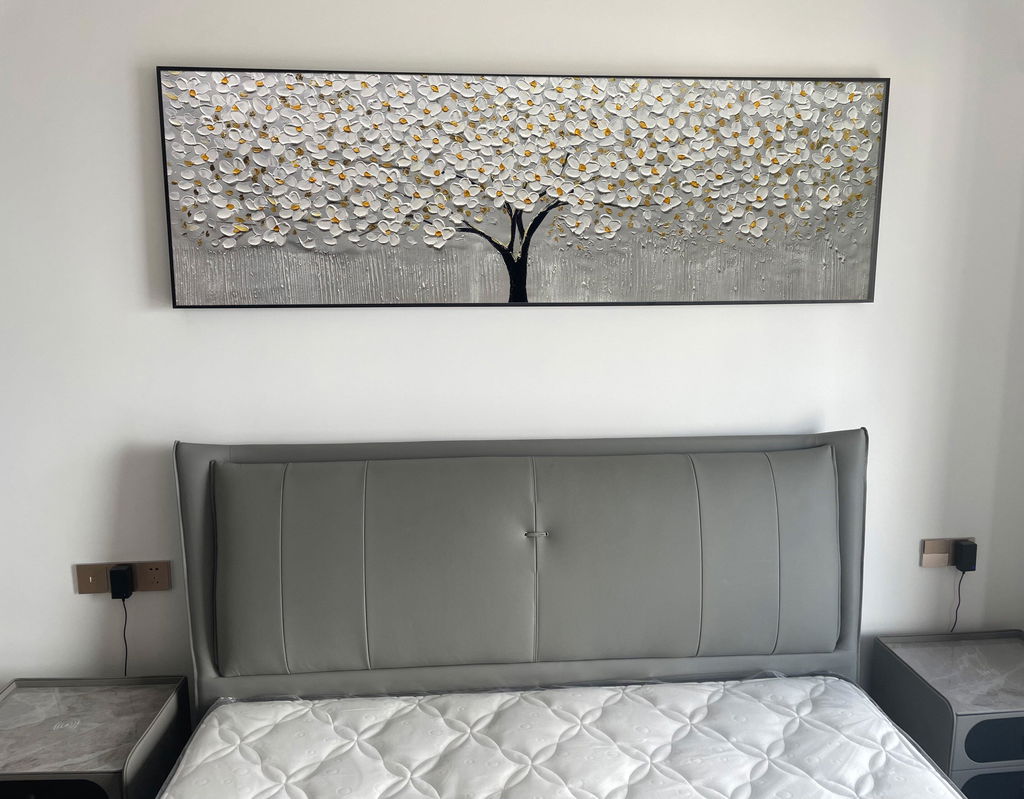
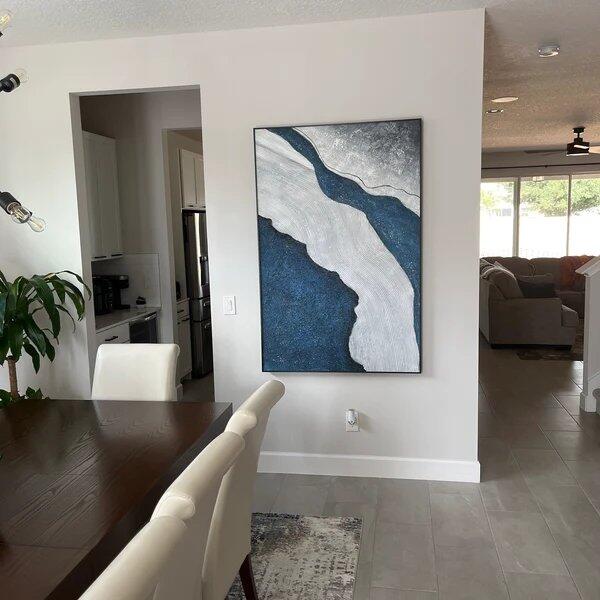
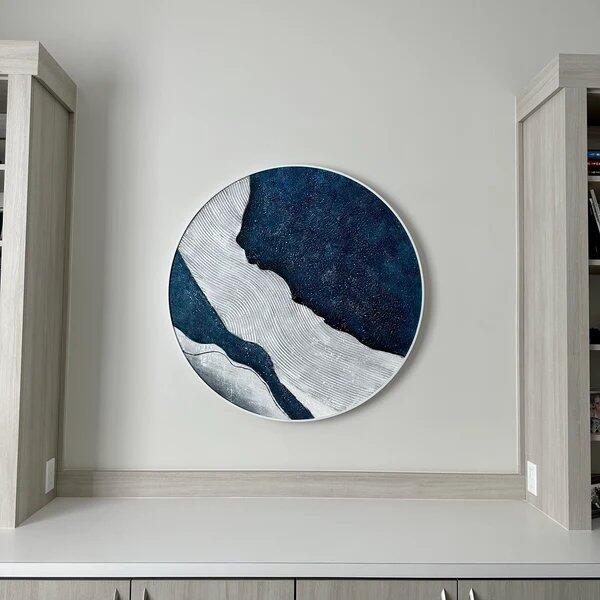
Textured hand-painted artwork introduces physical thickness and layered paint application, creating subtle elevation across the surface. This layering allows the eye to move across the artwork, rather than simply looking at it.
Techniques such as palette knife application, built-up acrylic layers, and visible brushwork create a sense of structure within the painting. Even when using soft or neutral tones, the presence of texture adds richness that makes the piece feel more complete.
In spaces that feel overly minimal or slightly empty, adding a textured painting can instantly bring balance without overwhelming the room.

Use Light and Shadow to Reveal Subtle Details
One of the most distinctive qualities of textured wall art is how it interacts with light.
Unlike printed artwork, which reflects light evenly and often appears flat, textured surfaces respond to light in varied ways. Raised areas catch highlights, while recessed areas create soft shadows. This interaction changes throughout the day depending on natural and artificial lighting conditions.
As a result, the artwork never feels static. It subtly shifts in appearance, adding depth and visual interest without requiring bold colors or complex patterns.
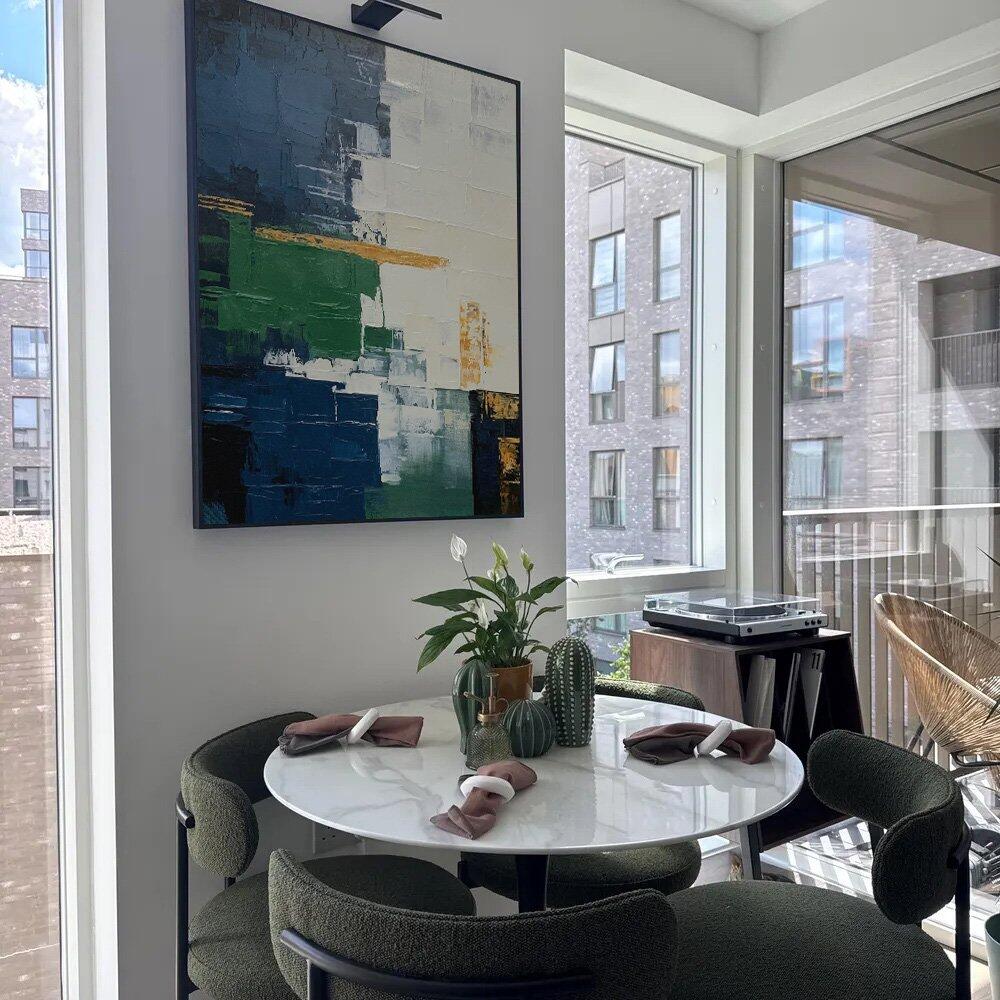
Positioning textured artwork near natural light sources, such as windows, or using directional lighting can further enhance this effect, allowing the details of the surface to become more visible and refined.

Add a Sense of Authenticity Through Materials
Material plays a significant role in how an artwork is perceived.
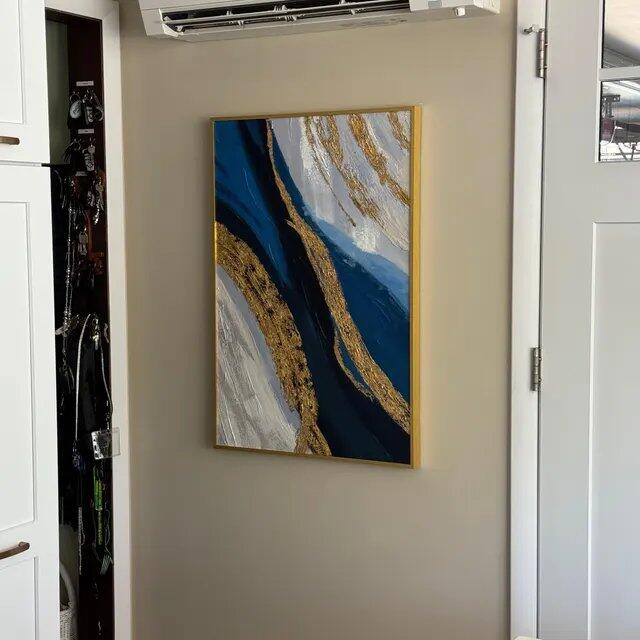
Hand-painted textured pieces often incorporate canvas grain, layered acrylic paint, and sometimes mixed materials such as gold leaf or natural elements. These components create a surface that feels real—not just visually, but physically.
This sense of material authenticity adds weight to the artwork. It feels intentional, crafted, and present within the space, rather than simply applied to it.
In contrast, printed wall art typically relies on smooth surfaces that lack variation. While visually appealing from a distance, they often lose depth and presence upon closer inspection.
By choosing textured hand-painted artwork, you introduce a material dimension that supports a more grounded and thoughtful interior.

The Combination of Color and Texture Shapes the Overall Atmosphere
Texture provides the foundation, while color defines the overall feeling of the space.
Styling Suggestions:
· Cream / Off-white → soft and clean (ideal for modern and Scandinavian interiors)
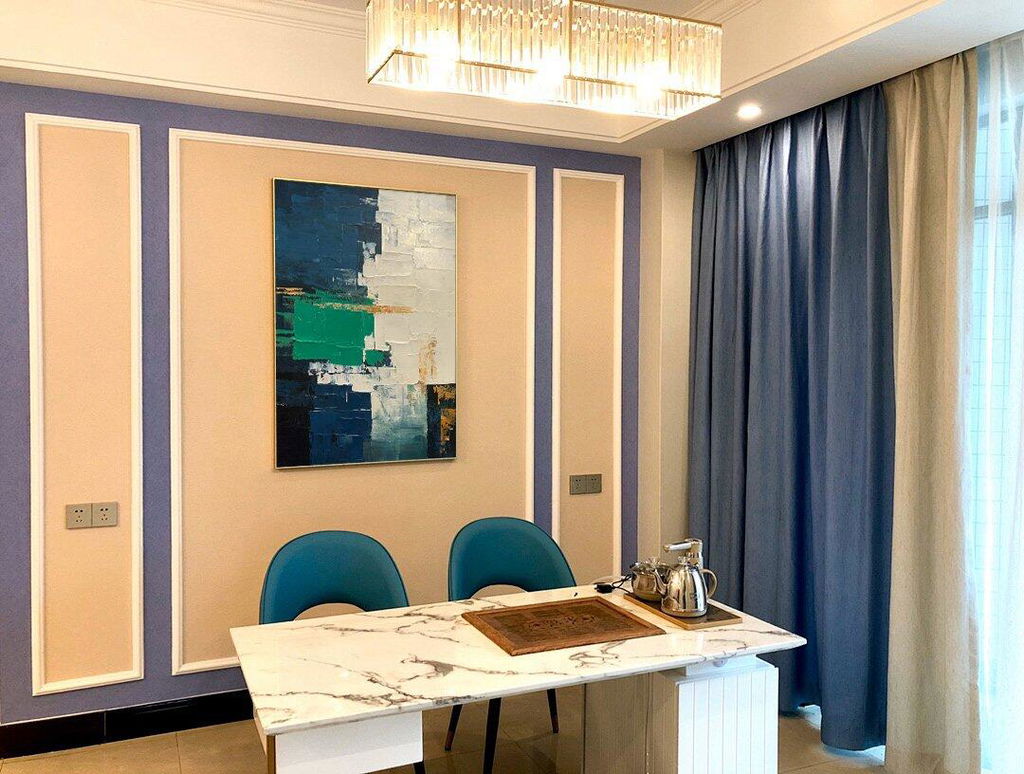
· Blue tones → quieter and more suited for bedrooms or study areas
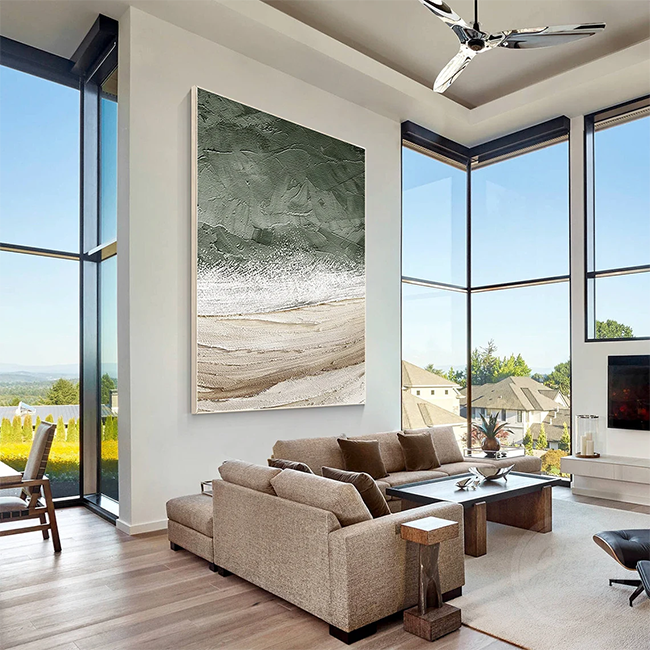
· Green tones → introduce a subtle natural touch
· Earth tones → create a warmer and more grounded feel
If your furniture is already visually complex, it’s best to choose low-saturation colors with more pronounced texture.

How to Use Textured Wall Art in Different Spaces
Living Room
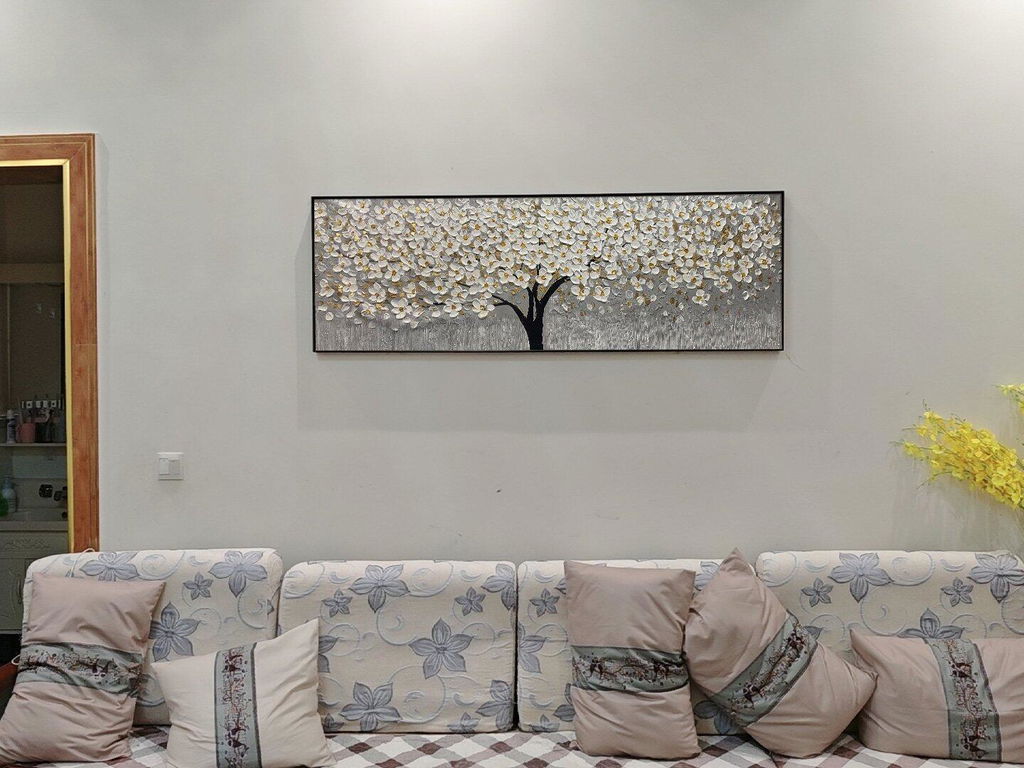
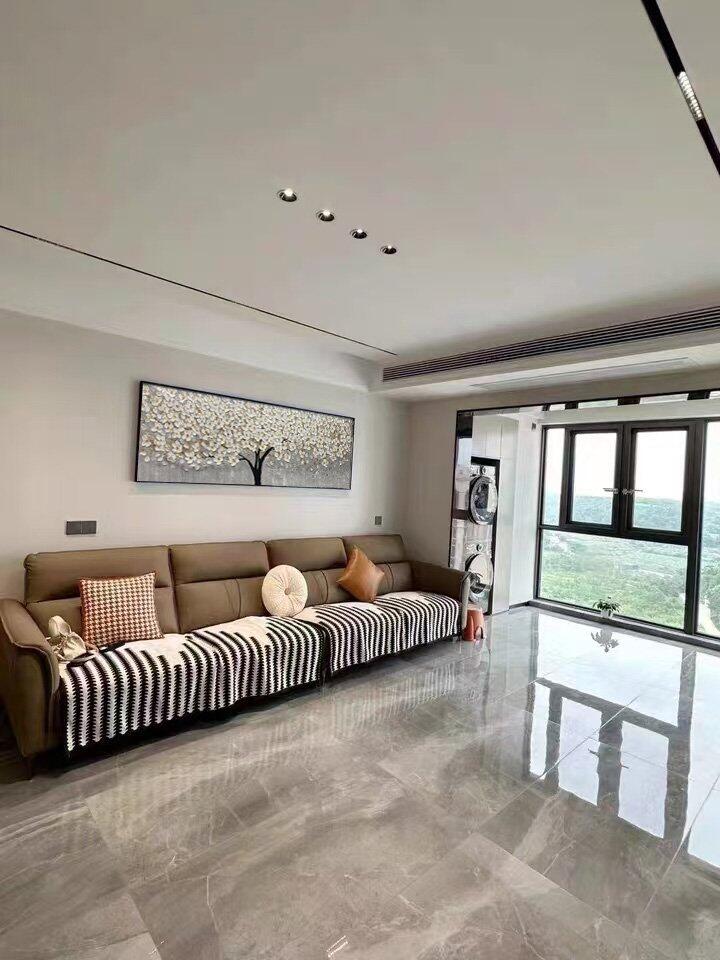
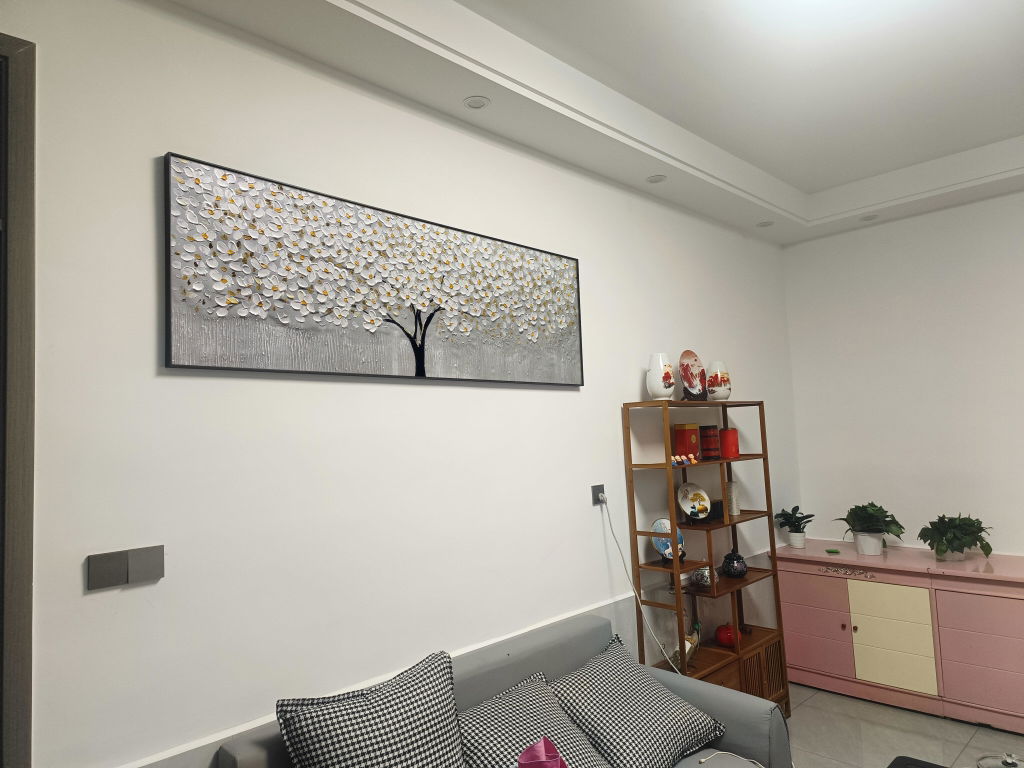
In the living room, textured artwork can act as a visual anchor. A larger piece above the sofa helps define the space while adding depth to the overall setting. Neutral textured works are especially effective in modern interiors, where they add detail without overwhelming the room.

Bedroom
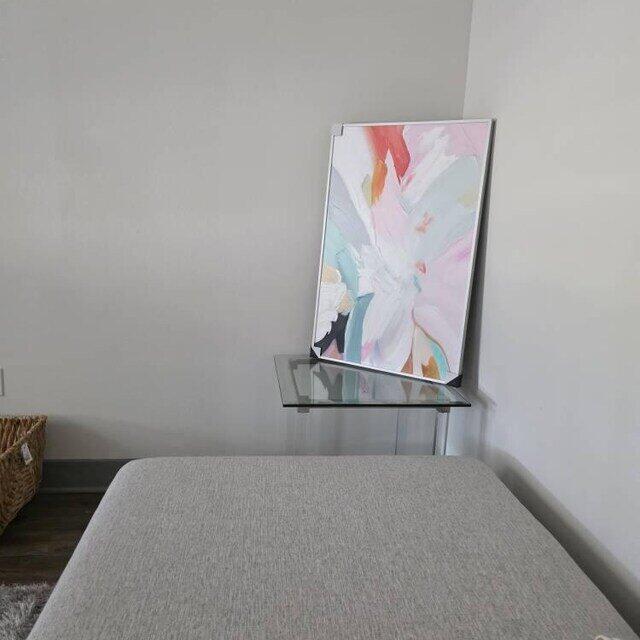
For bedrooms, softer textures and more subtle layering work best. Gentle surfaces and muted tones can help create a calm and comfortable atmosphere, making the space feel more restful and cohesive.

Dining Area
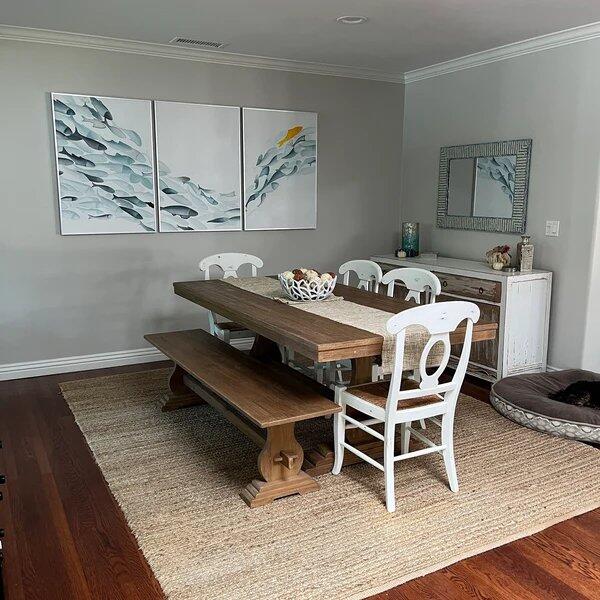
In dining spaces, textured wall art can introduce a sense of structure and visual balance. Medium-sized pieces or simple compositions help enhance the environment without drawing too much attention away from the dining experience.

Hallway or Transitional Spaces
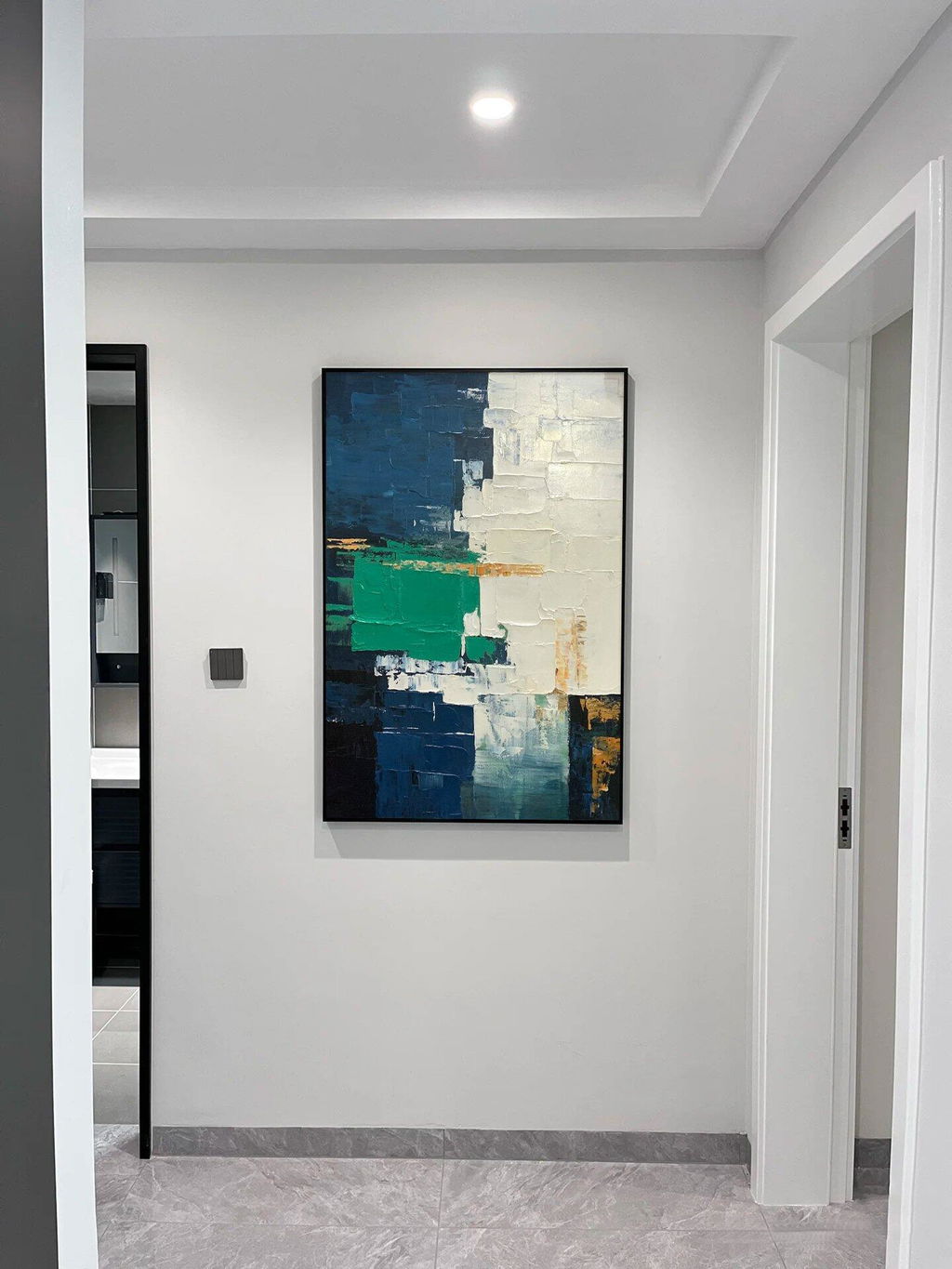
Hallways often lack visual interest, making them ideal for smaller textured works or a curated arrangement. Layered surfaces can make narrow spaces feel more considered and less transitional.

Conclusion : Texture Is What Brings a Space to Life
Textured wall art does more than decorate a wall—it changes how a space feels. Through thickness, light interaction, and material presence, it introduces depth that flat artwork cannot achieve.
If you’re looking to move beyond simply filling empty walls and instead create a space that feels more complete, thoughtful, and personal, textured hand-painted artwork is a natural choice.
It’s not about adding more—it’s about adding the right kind of detail.









Leave a comment
This site is protected by hCaptcha and the hCaptcha Privacy Policy and Terms of Service apply.