

Abstract Art: Definition, History, and Why It Shapes Modern Interiors
Abstract art is one of the most influential movements in modern and contemporary design. From gallery spaces to living room walls, it continues to shape how we experience art—not by showing reality, but by expressing emotion, form, and imagination.

What Is Abstract Art? (Definition Explained)
Abstract art refers to artwork that does not attempt to represent visual reality. Instead, it uses color, shape, line, and texture to create meaning and evoke emotion.
Unlike traditional art forms, abstract art focuses on:
- Visual language rather than objects
- Emotional expression instead of realism
- Interpretation rather than direct meaning
As defined by art experts, abstract compositions can exist independently from real-world references, allowing viewers to interpret the artwork in their own way.

👉 In simple terms:
Abstract art is not about what you see, but what you feel.
The History of Abstract Art
1. Origins in the 19th Century
The roots of abstract art can be traced back to the late 19th century, when artists began focusing more on visual sensation than realistic depiction.
Artists like Claude Monet and James McNeill Whistler started moving away from strict realism, emphasizing light, color, and mood.
2. Birth of Abstract Art (Early 20th Century)
Abstract art fully emerged in the early 1900s, with pioneers like Wassily Kandinsky creating works that contained no recognizable objects.
This period marked a radical shift:
- Art no longer needed to represent reality
- Creativity became more personal and expressive
3. Abstract Expressionism and Expansion
After World War II, abstract art evolved further with movements like Abstract Expressionism, where artists focused on emotion, gesture, and spontaneity.
Jackson Pollock described abstract art as “energy and motion made visible”, emphasizing its emotional power.
4. Abstract Art Today
Today, abstract art remains central to contemporary culture. It continues to evolve through:
- Digital art
- Minimalism
- Mixed media and textured painting
Abstract art has never disappeared—it simply adapts to each era.

Key Characteristics of Abstract Art
Across different styles, abstract art shares several core features:
1. Non-Representational
It does not directly depict people, objects, or landscapes.
2. Focus on Elements of Art
Abstract artists use:
- Color
- Line
- Form
- Texture
These elements become the “subject” of the artwork itself.
3. Emotional and Subjective Meaning
Abstract art emphasizes that reality is subjective, allowing each viewer to interpret the work differently.
4. Freedom and Experimentation
Artists are free to explore intuition, movement, and subconscious ideas rather than strict rules.

Why Abstract Art Is So Popular in Modern Interiors
Abstract art has become a dominant choice in home décor for several reasons:
✔ Versatility
It works in modern, minimalist, and luxury interiors.
✔ Emotional Impact
Colors and composition influence mood—calm, energy, or balance.
✔ Statement Value
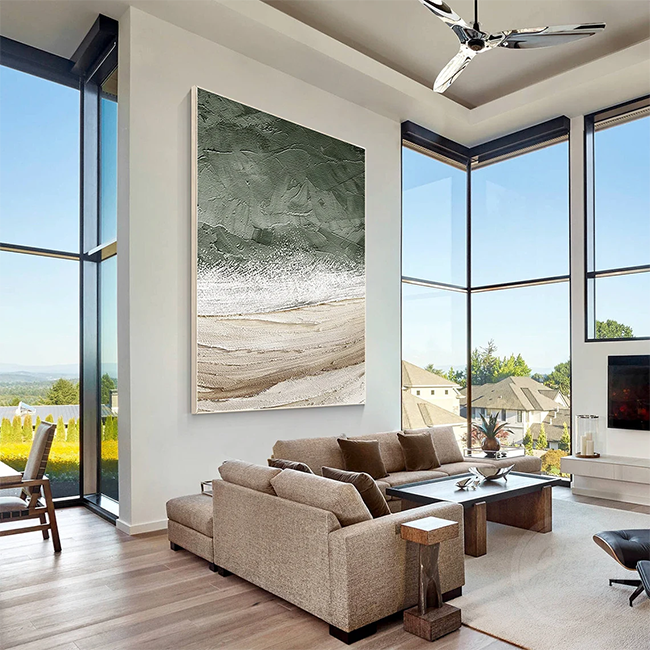
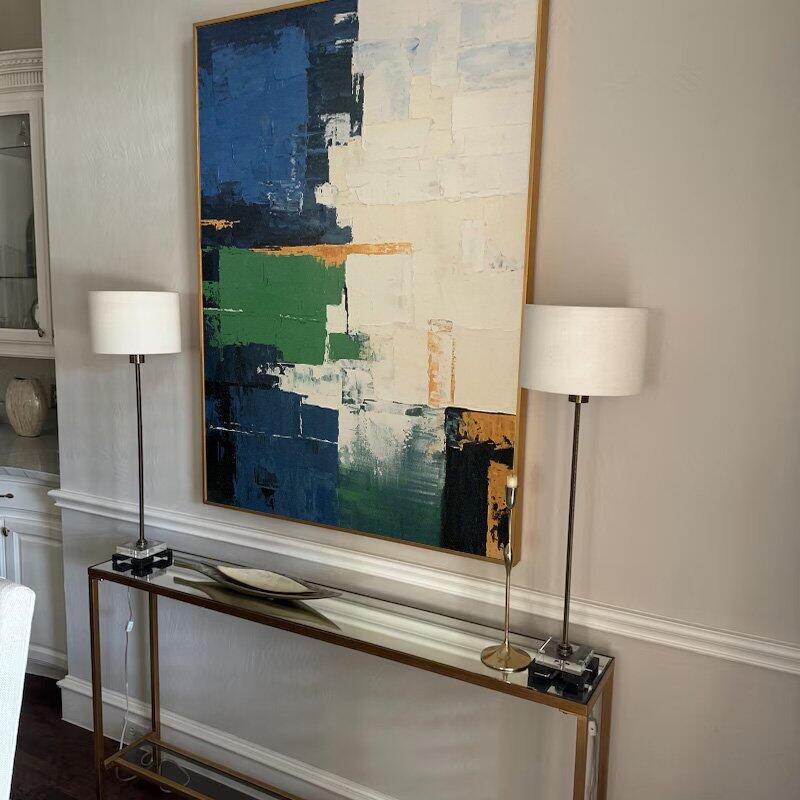
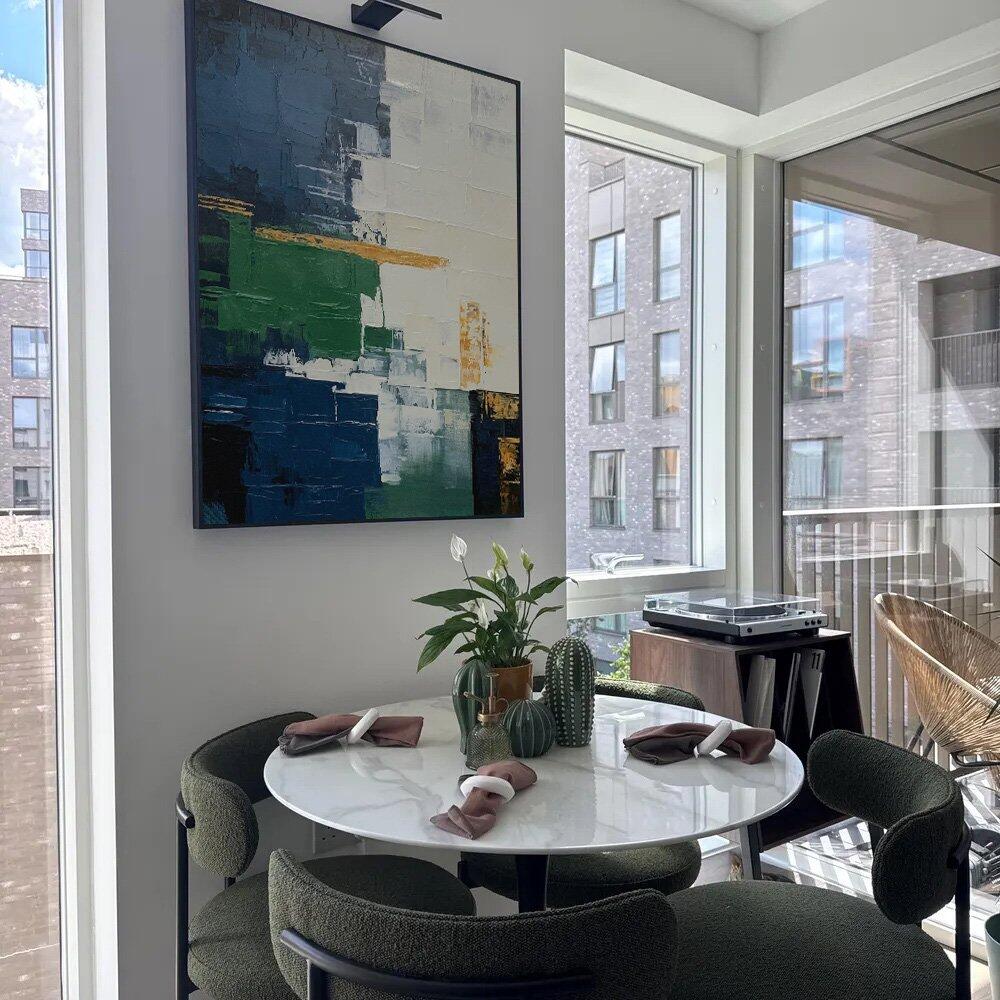
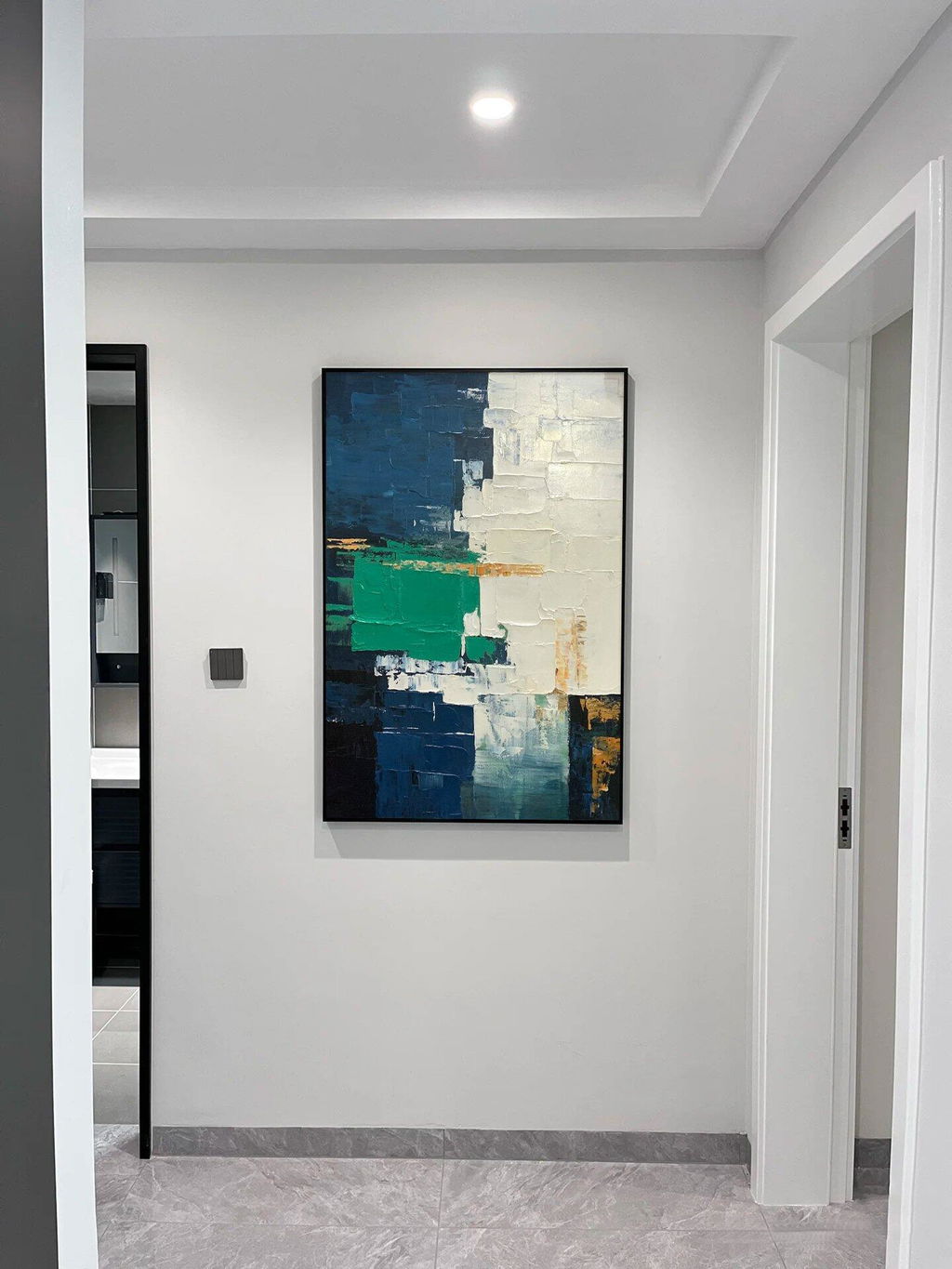
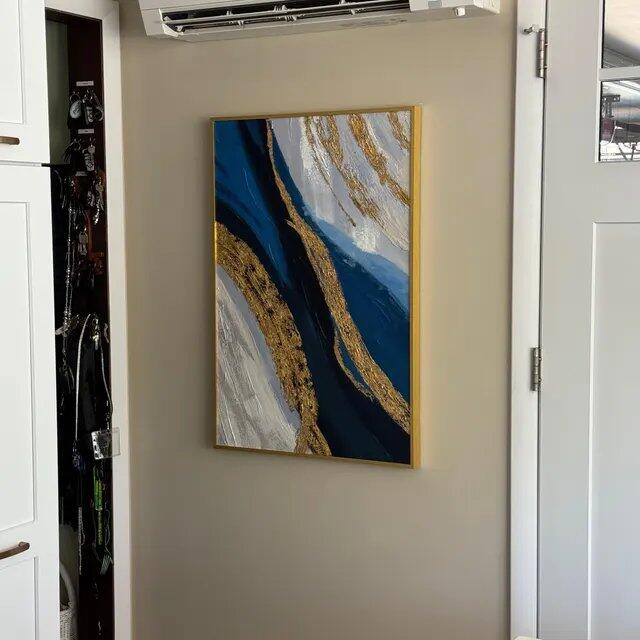
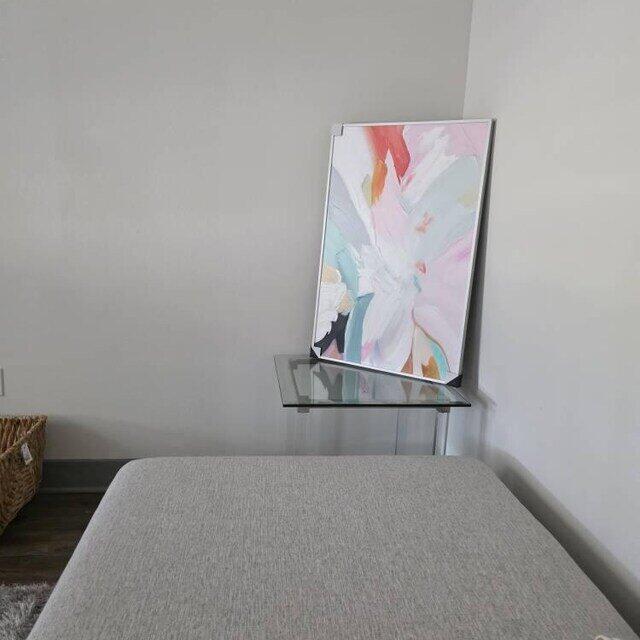
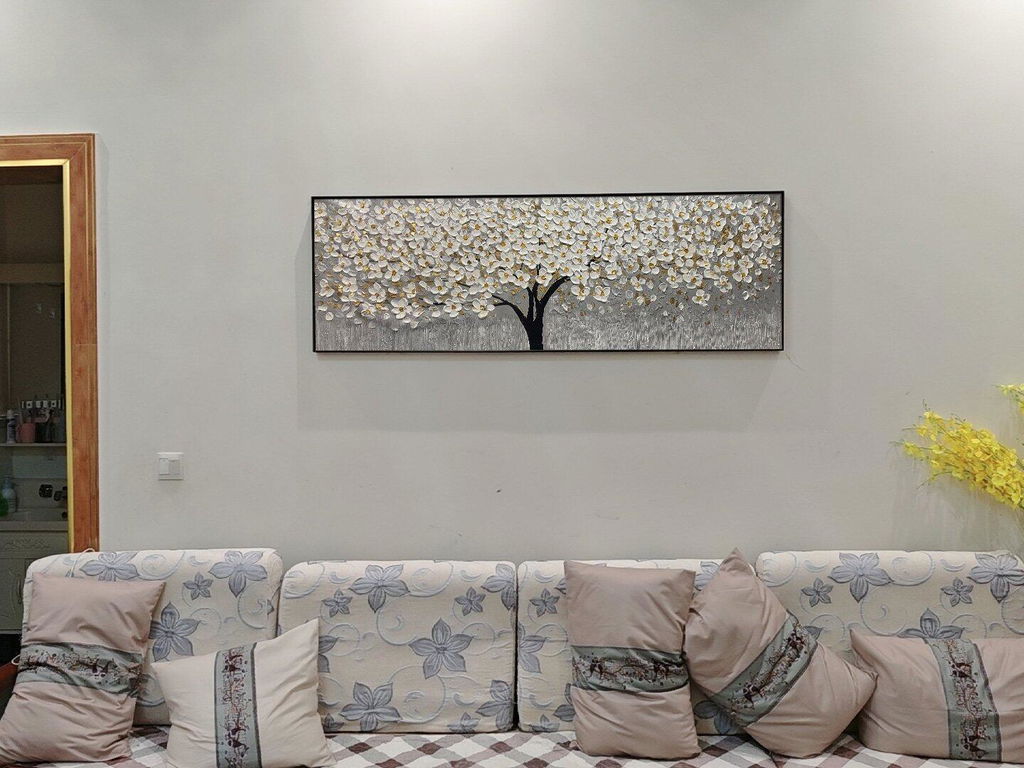
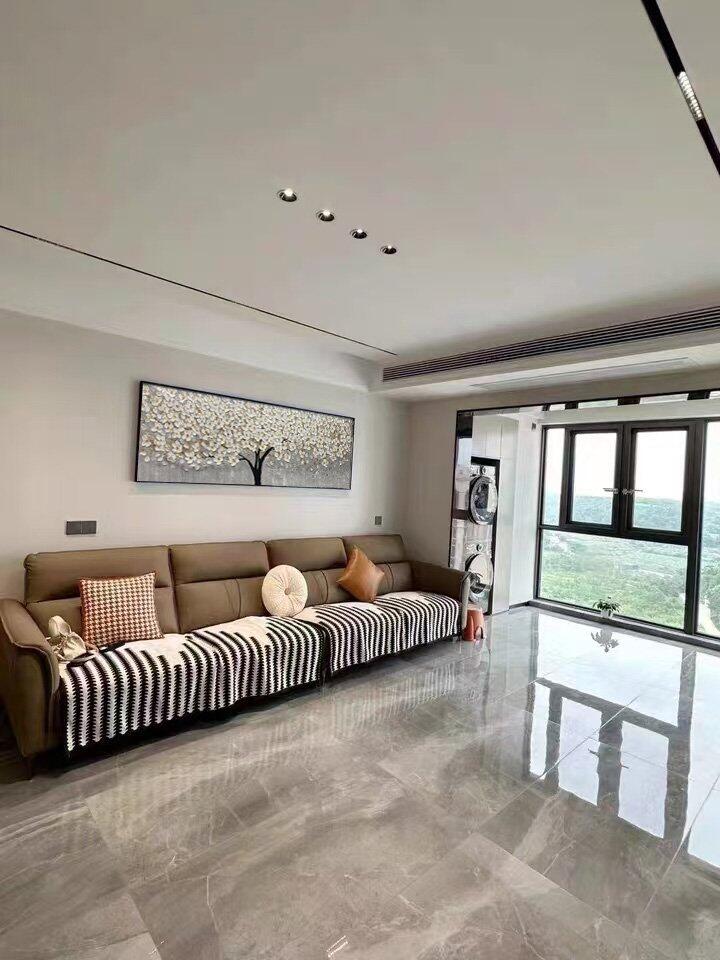
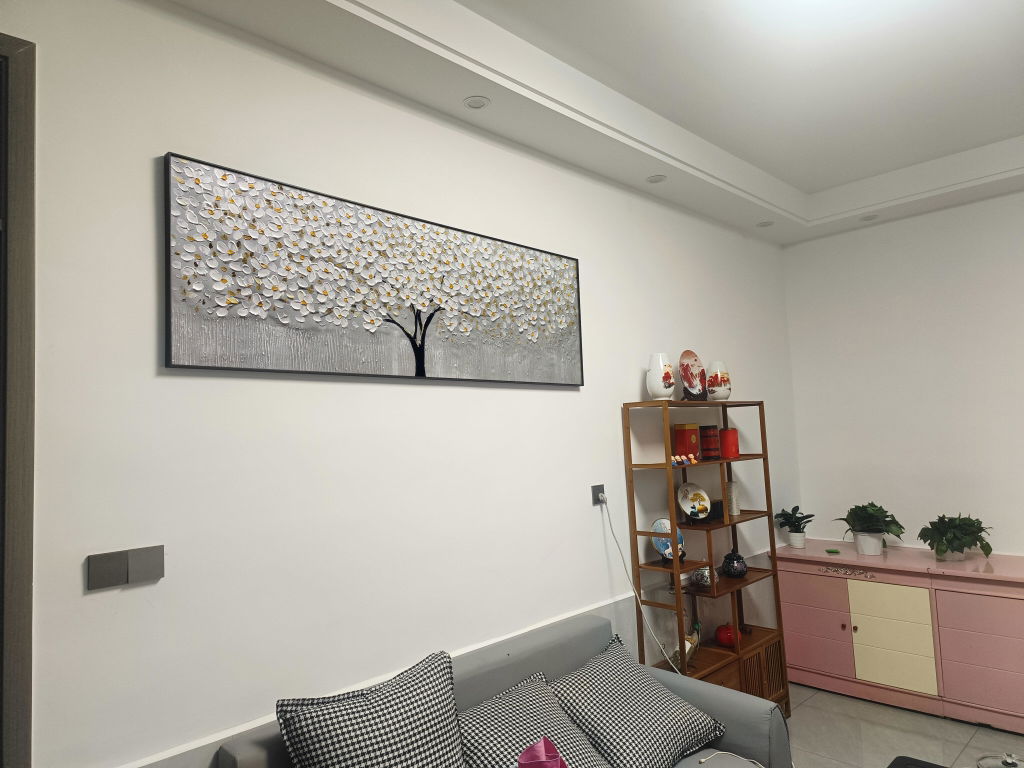
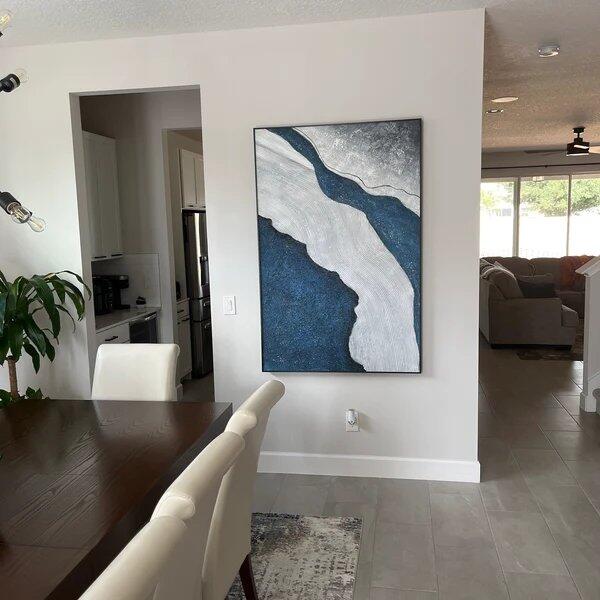
Large abstract paintings create strong focal points in living rooms.
✔ Timeless Appeal
Because it’s not tied to specific imagery, abstract art remains relevant across trends.
Abstract Art in 2026: Key Trends
Based on the evolution of abstract art and modern design direction:
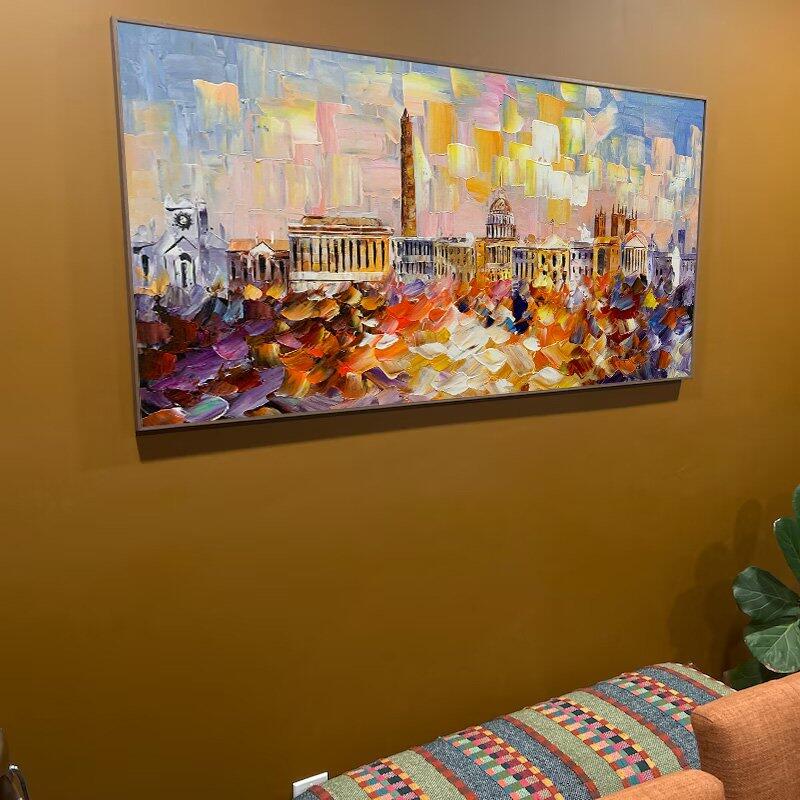
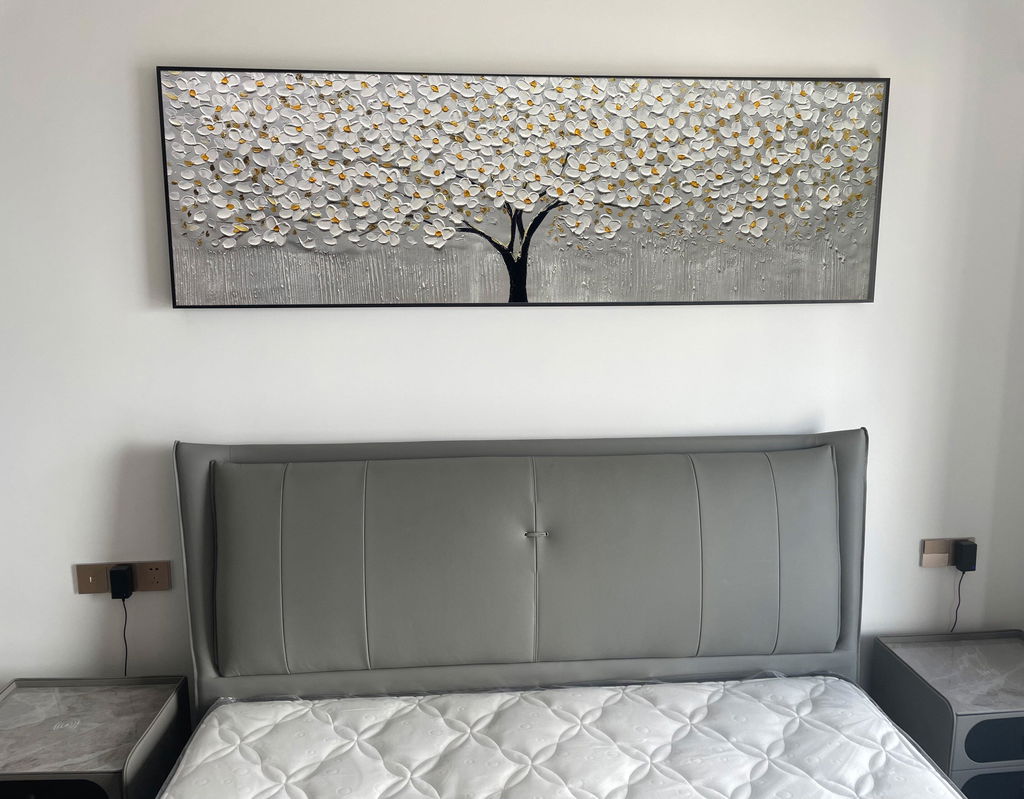
- Textured abstract paintings (3D surfaces, heavy brushstrokes)
- Large-scale statement art
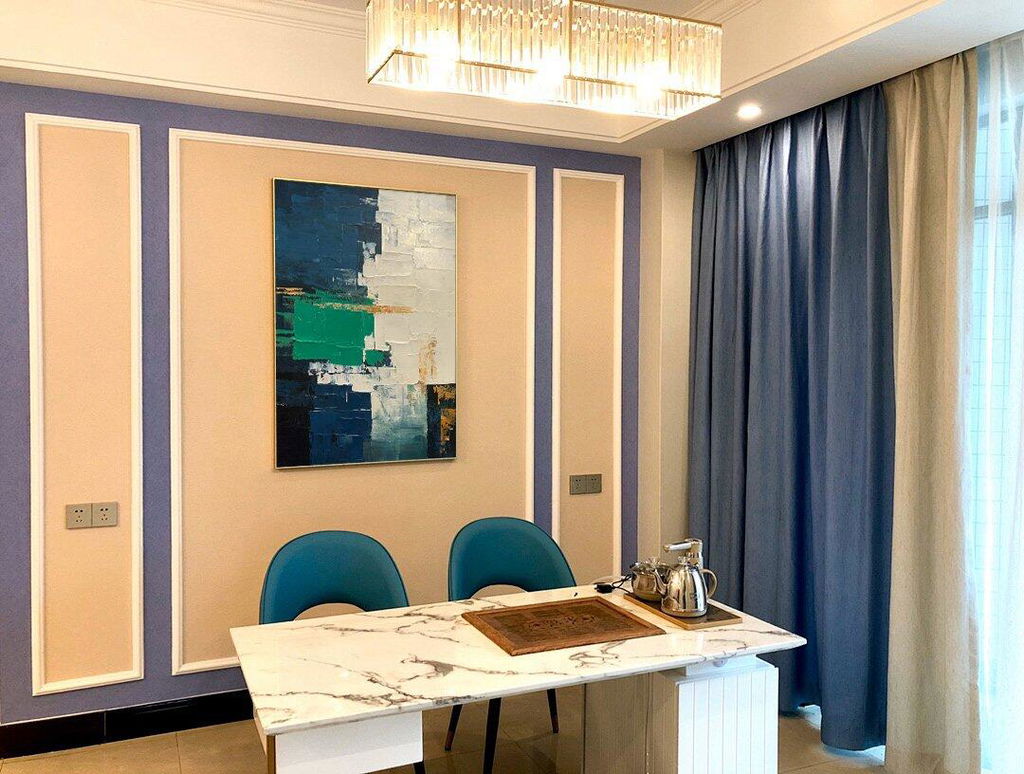
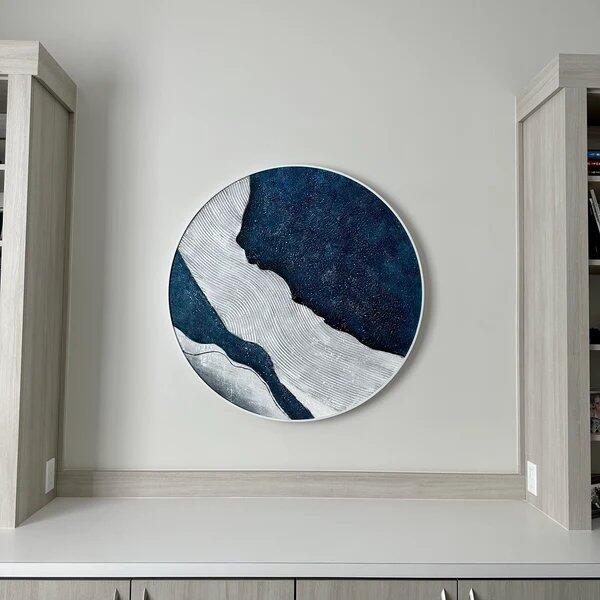
- Color-driven compositions (blue, green, warm tones)
- Minimalist and Wabi-Sabi abstraction
These trends reflect a shift toward emotional, experiential interiors.
Final Thoughts
Abstract art is more than a style—it is a language of emotion, color, and form.
From its origins in the 19th century to its dominance in modern interiors, abstract art continues to redefine how we see and experience creativity.
Whether displayed in a gallery or your living room, it transforms space by inviting interpretation, emotion, and personal connection in Ridyart.








Leave a comment
This site is protected by hCaptcha and the hCaptcha Privacy Policy and Terms of Service apply.