

Why Your Wall Still Feels Empty Even with Decor
You’ve added wall art—maybe even several pieces. And yet, something still feels off. The space looks unfinished, slightly flat, or lacking character.
This is more common than it seems. And in most cases, the problem isn’t how much decor you have—it’s what kind.
A well-designed space isn’t just filled. It’s:
- balanced
- layered
- intentional
When these elements are missing, even a decorated wall can still feel empty.
✦ Problem 1 — Your Wall Art Is Too Small
One of the most common reasons a wall feels empty is scale.
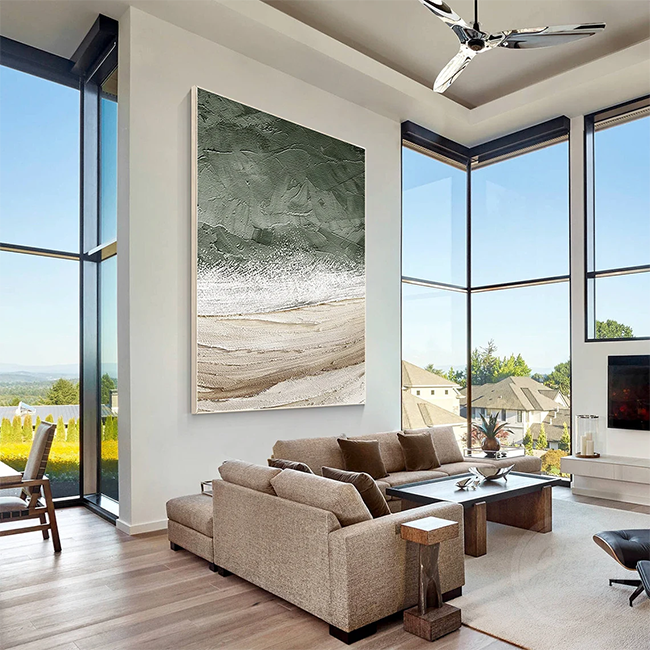
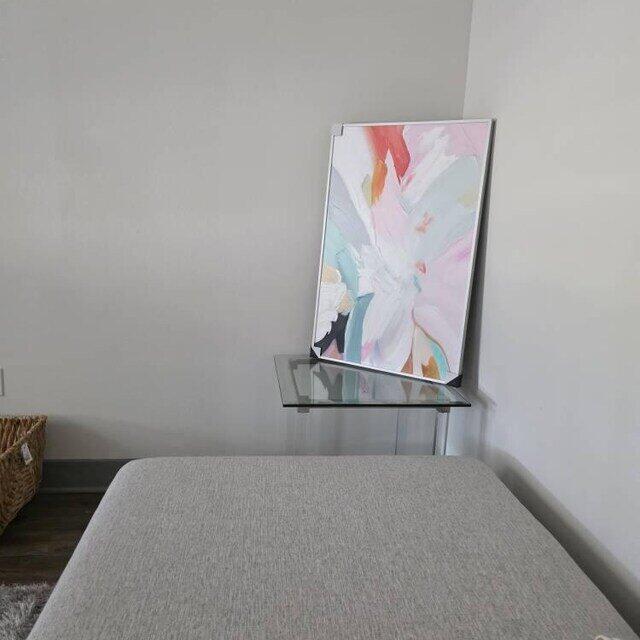
Small artwork on a large wall often creates the opposite of what you intend. Instead of adding detail, it emphasizes how much space is left unused. The result is a wall that feels disconnected from the rest of the room.
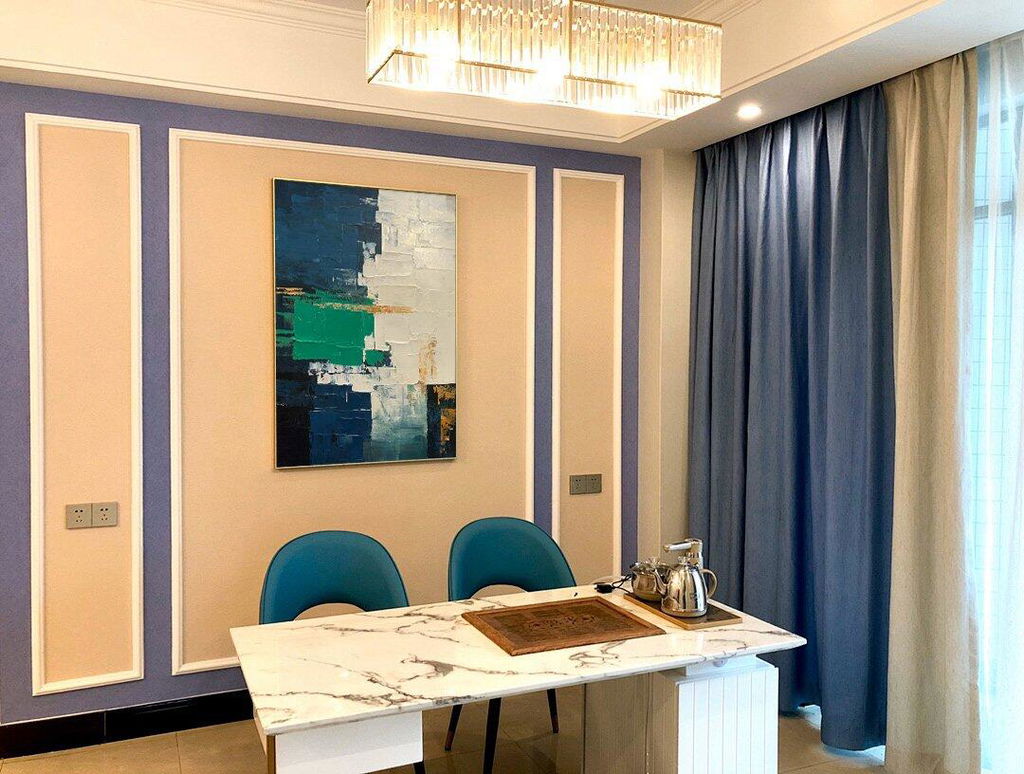
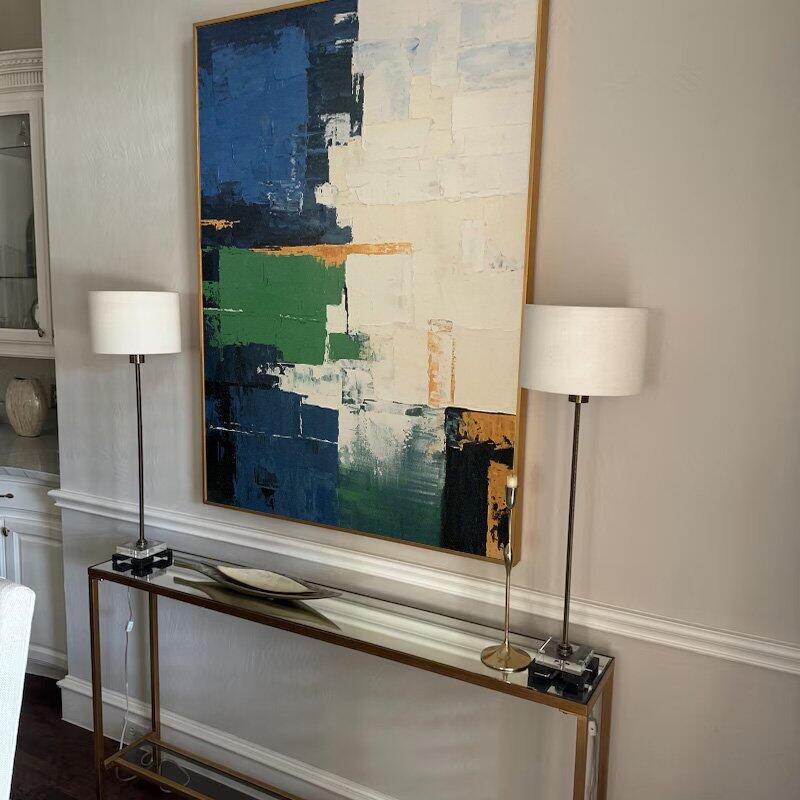
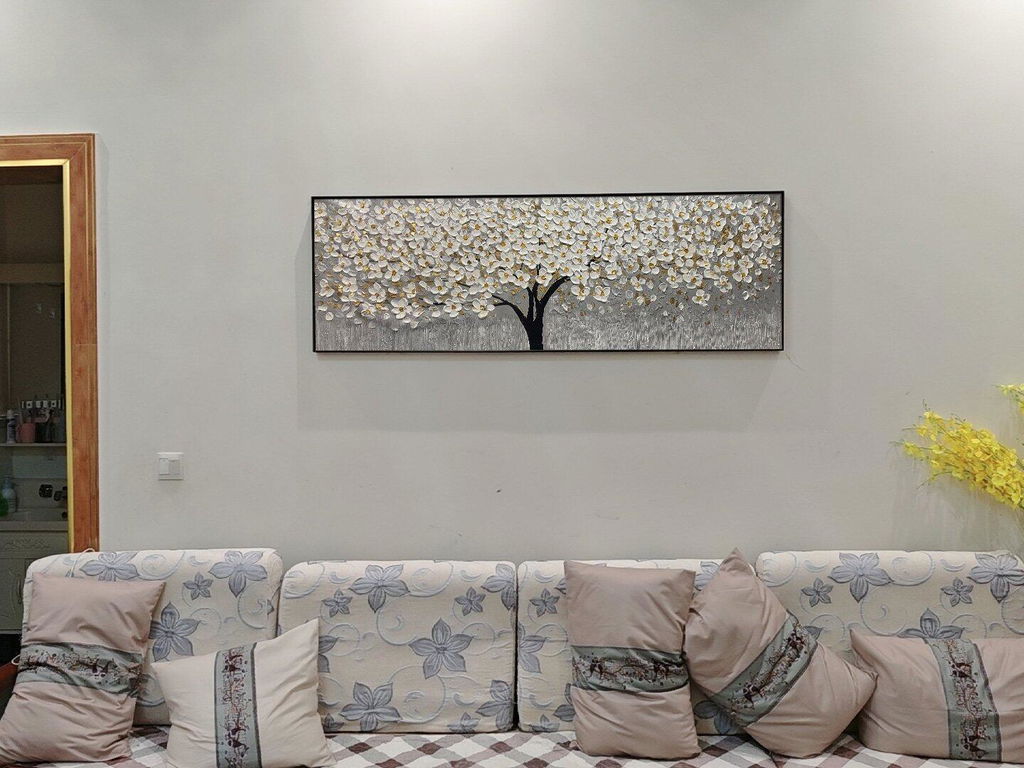
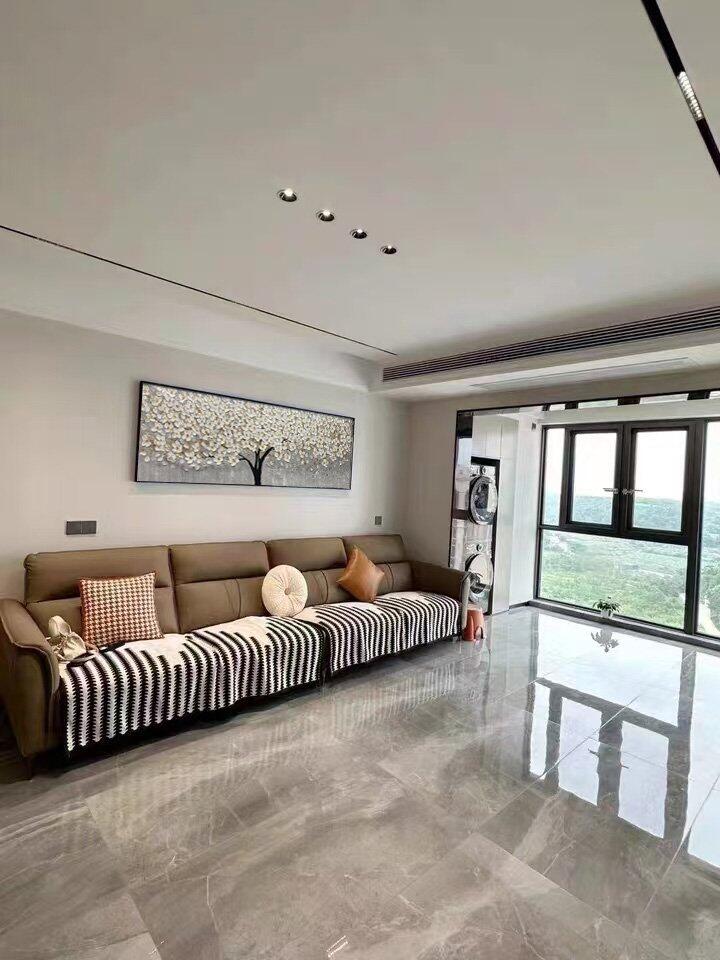
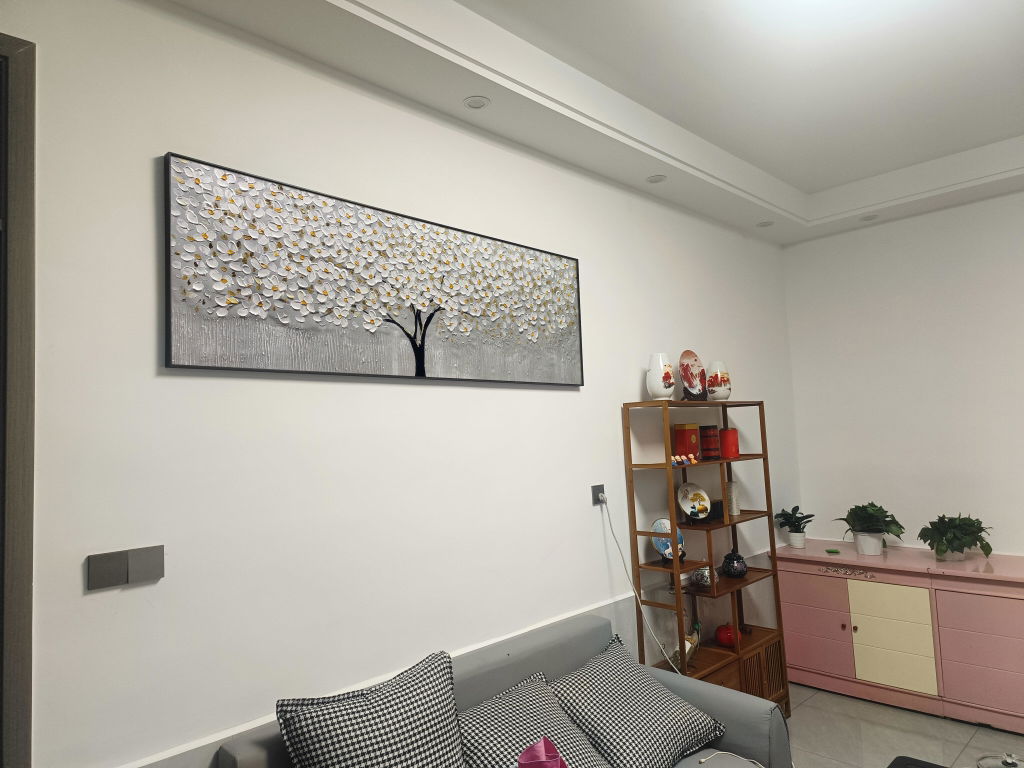
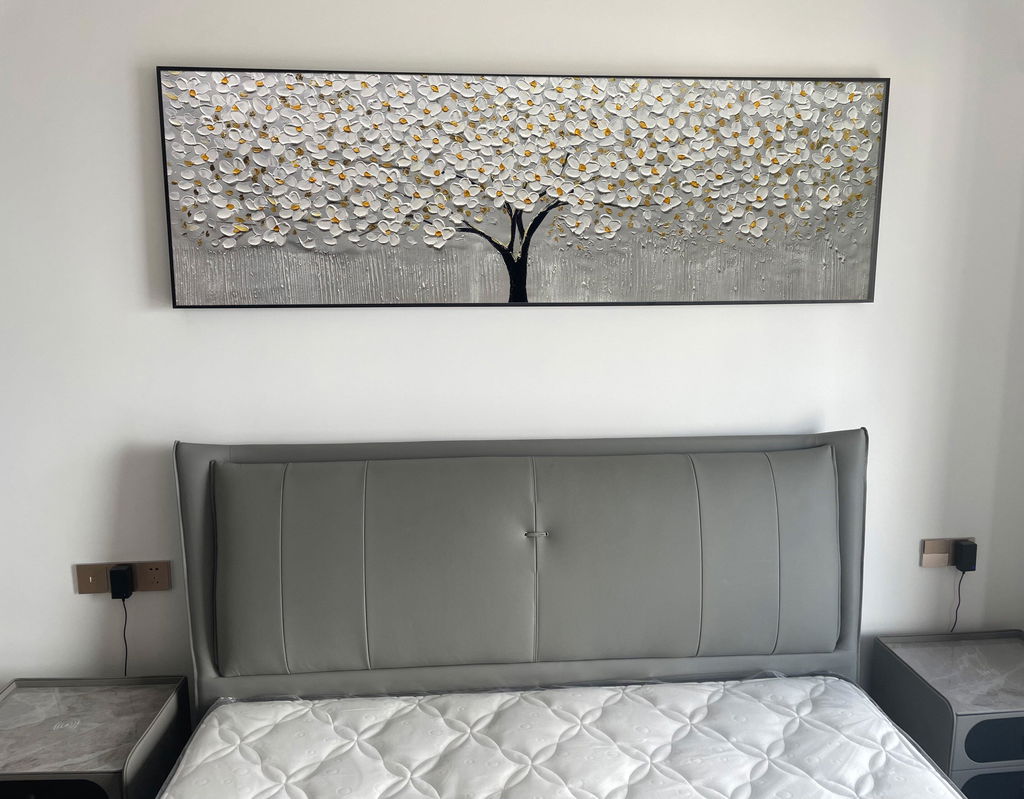
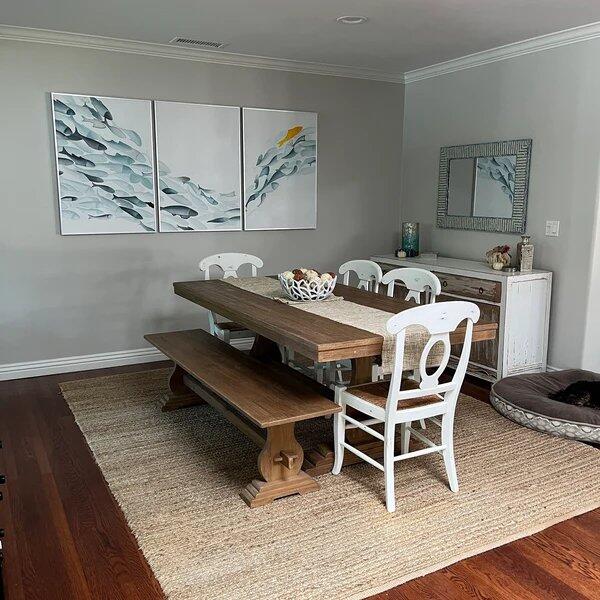
Larger pieces, or multi-panel formats like triptych wall art, help establish a visual anchor. They connect the wall to the furniture below—such as a sofa or bed—and create a more cohesive and grounded look.
When in doubt, choosing slightly larger artwork often leads to a more complete and balanced space.

✦ Problem 2 — Everything Feels Flat
Another reason your wall may feel underwhelming is the lack of depth.
Printed wall art, while accessible and versatile, typically has a smooth, flat surface. It reflects light evenly and doesn’t offer much variation in texture or dimension. From a distance, it can look clean—but also static.
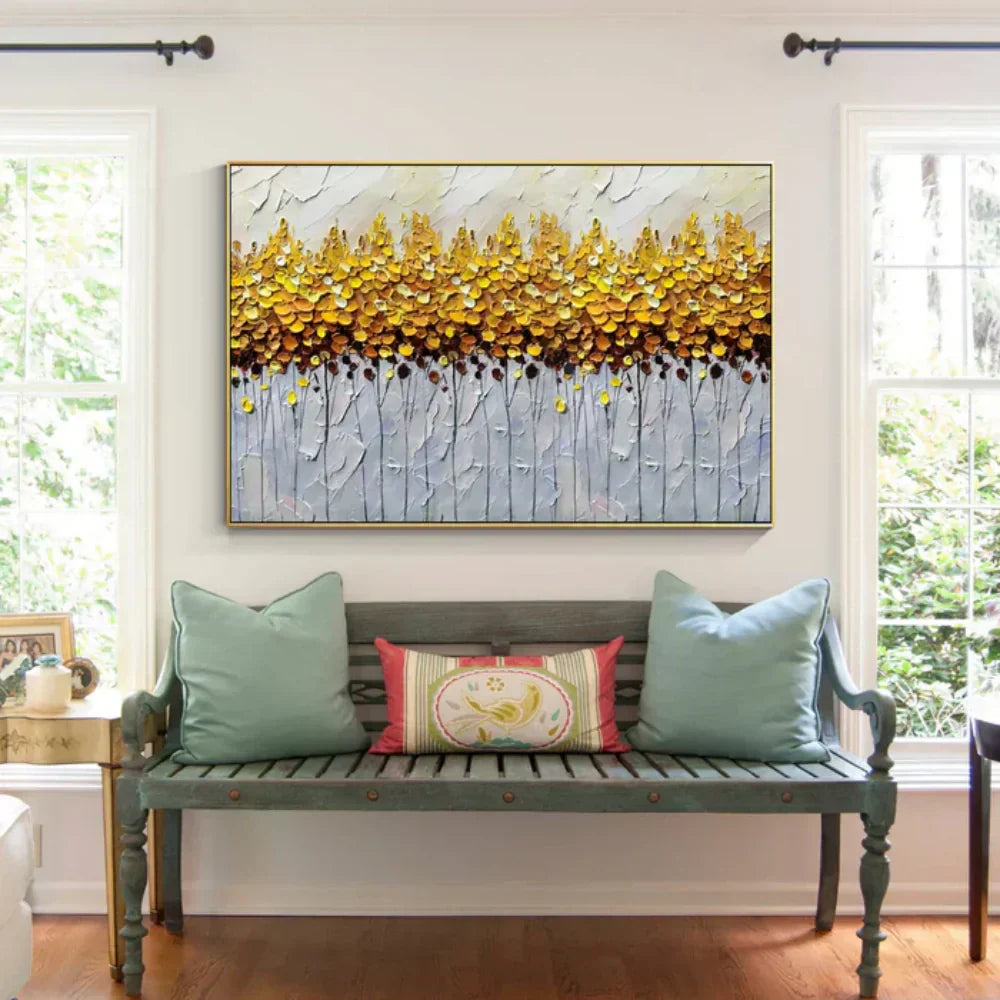
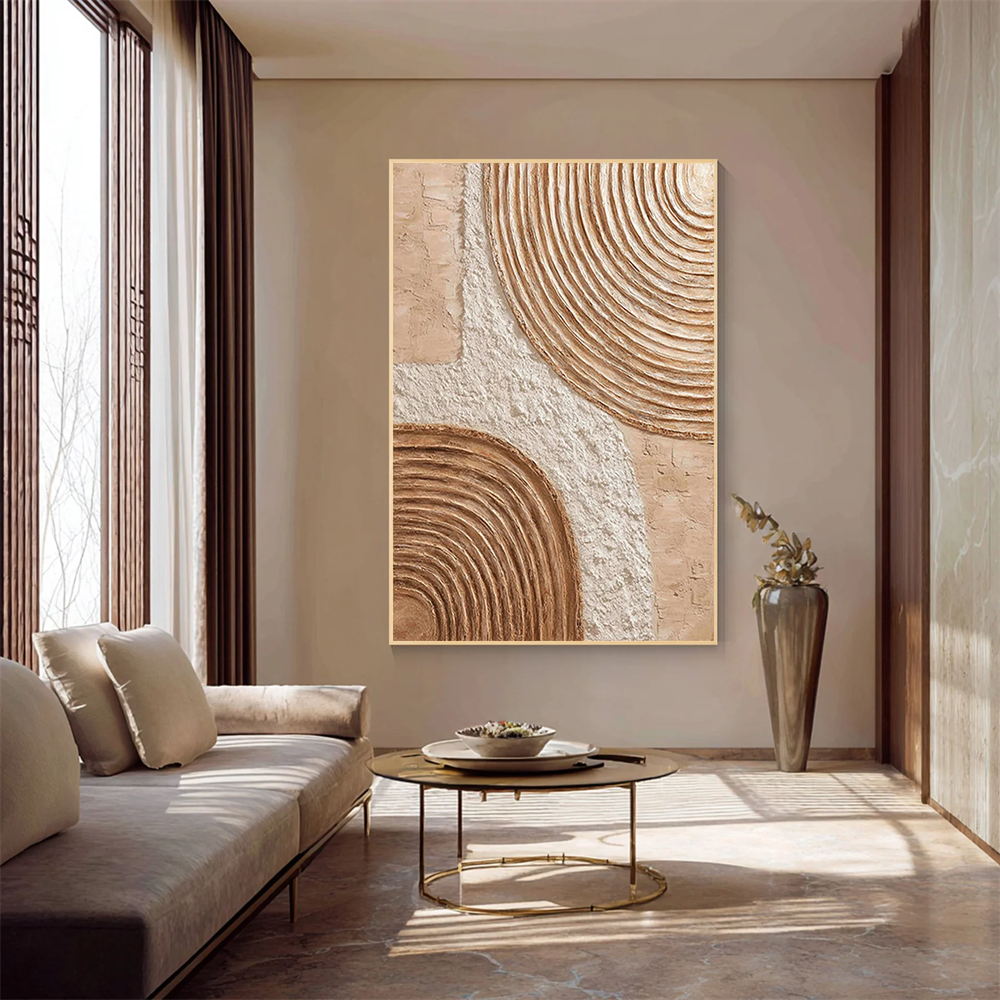
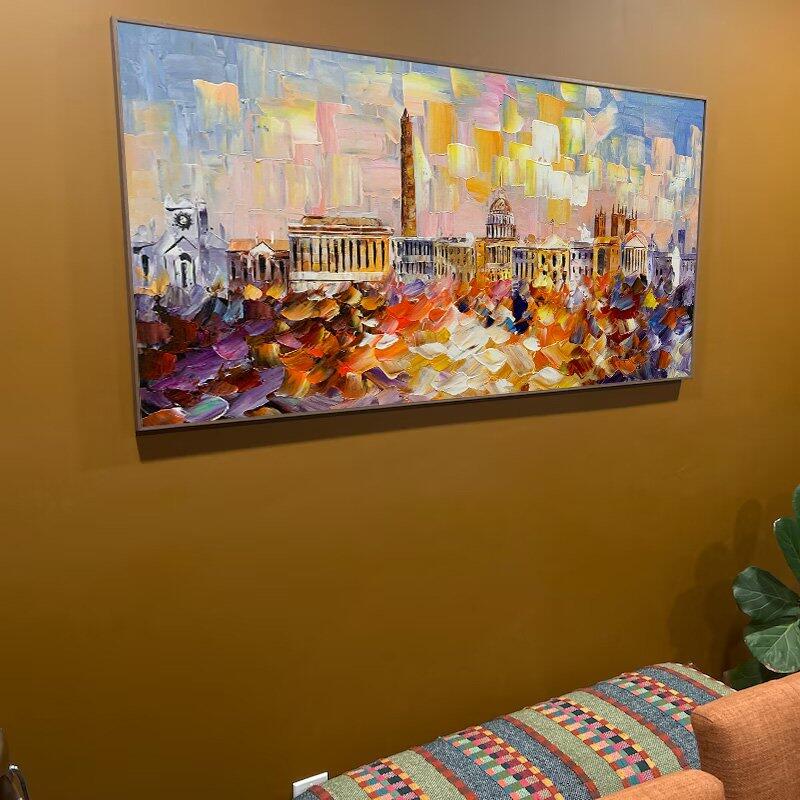
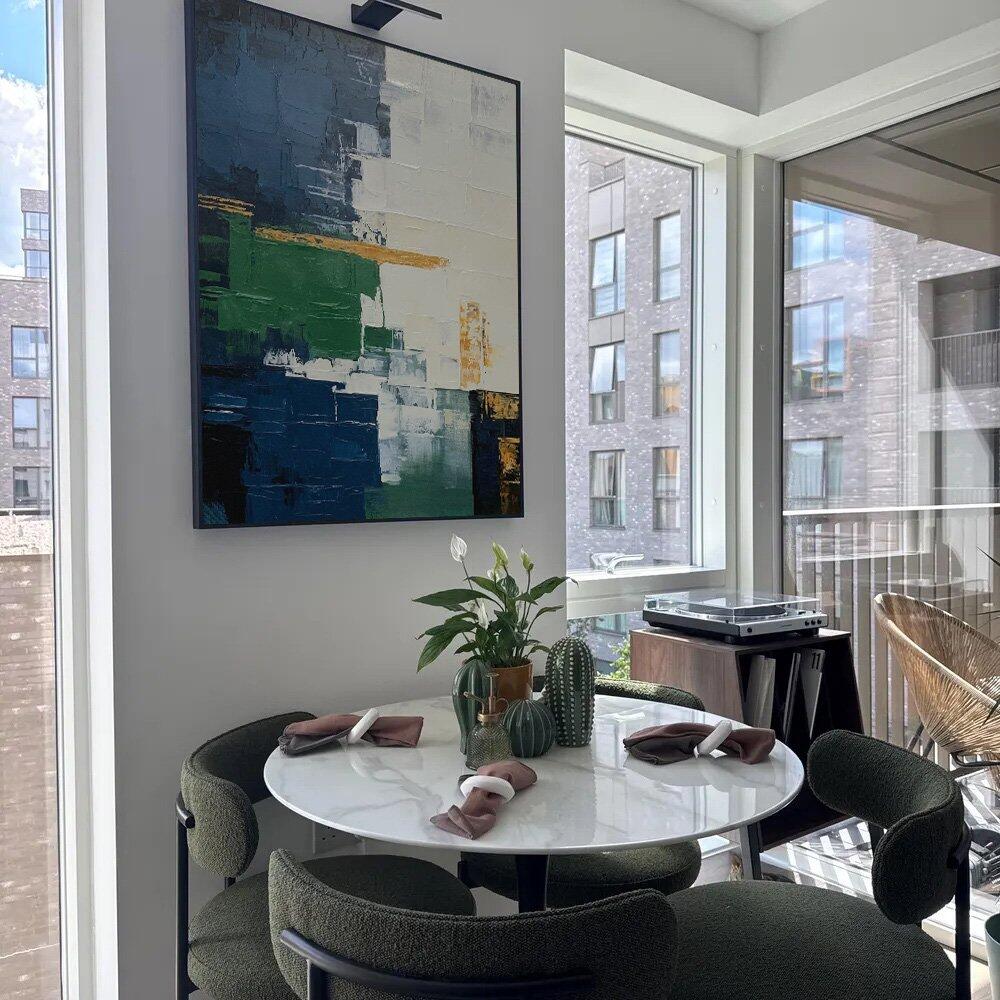
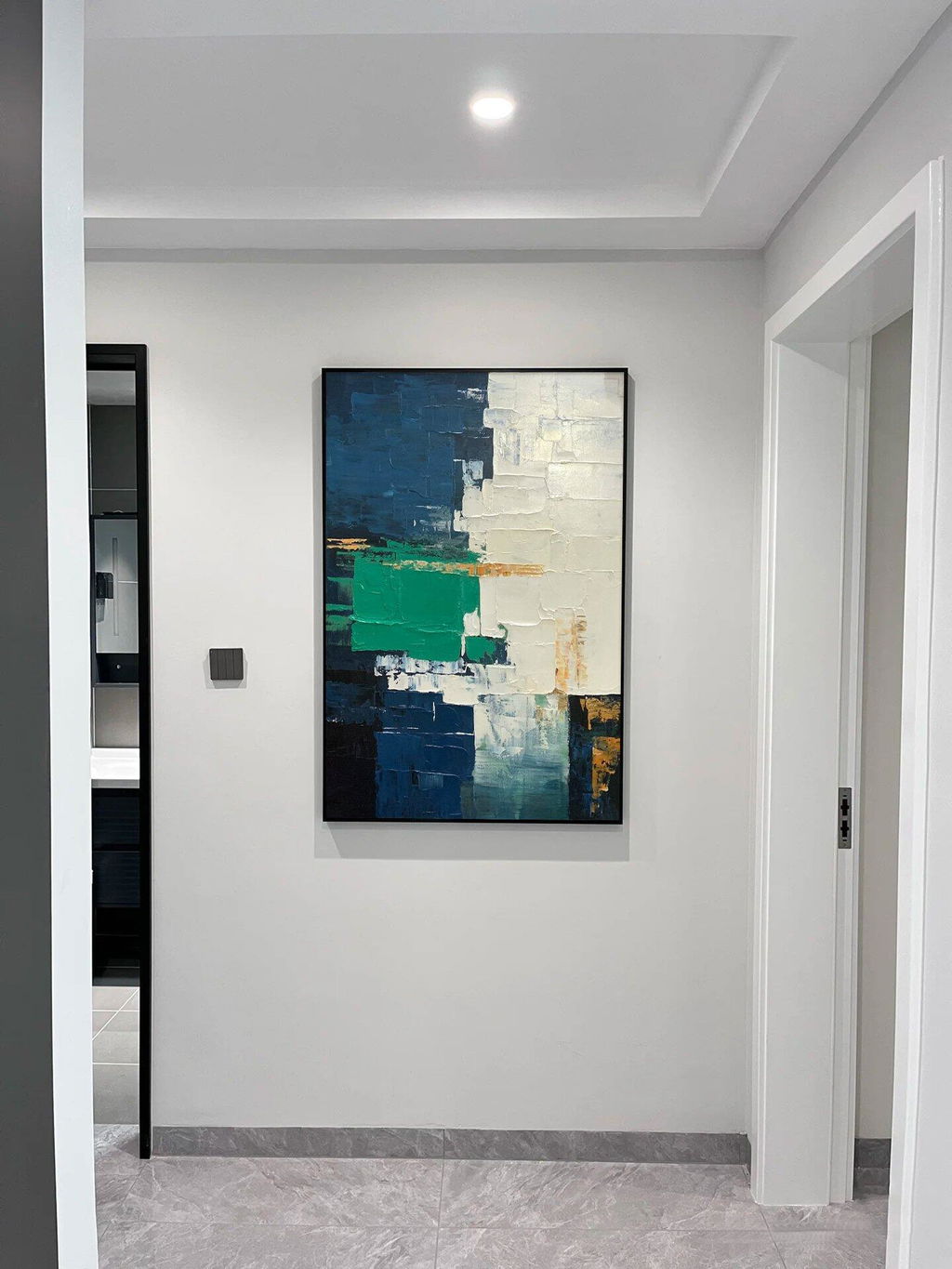
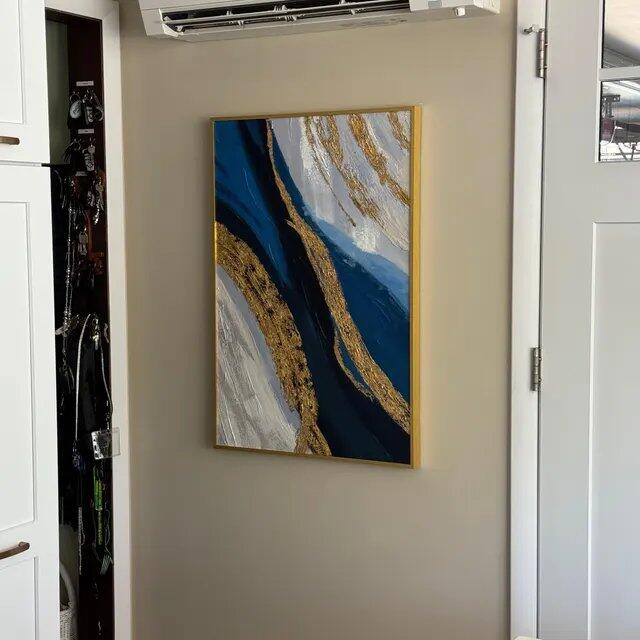
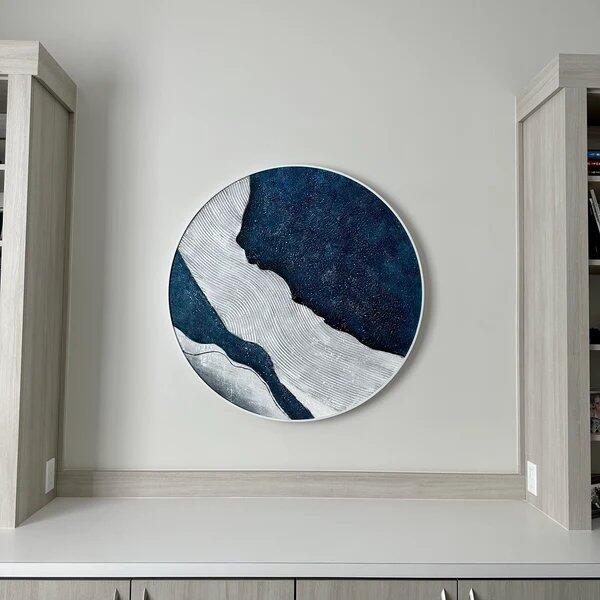
Textured, hand-painted artwork introduces a completely different experience. Layers of acrylic paint, visible brushstrokes, and subtle surface variations interact with light throughout the day. Highlights and shadows shift, adding movement and depth to the piece.
This added dimension makes the wall feel more alive and visually engaging, even when the color palette is minimal.

✦ Problem 3 — There’s No Clear Focal Point
If your wall includes multiple small pieces, it may lack a clear focal point.
While gallery walls can work well, they require careful composition. Without structure, they can feel scattered or visually noisy, making it difficult for the eye to settle.
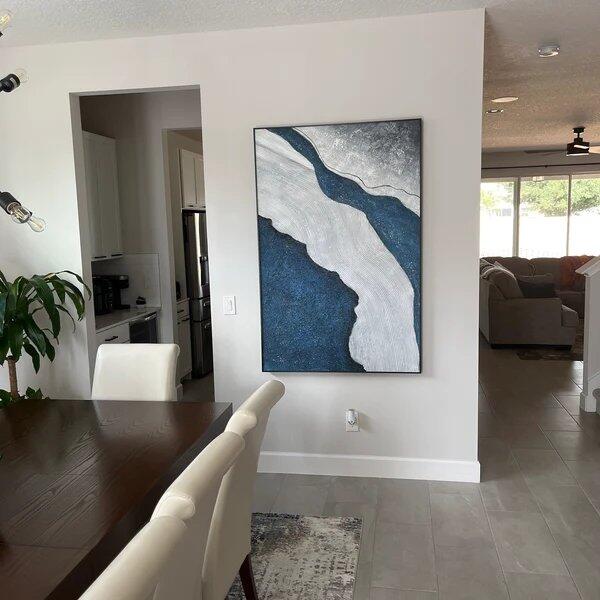
In many cases, a single larger artwork—or a well-balanced triptych—can be more effective. It creates a central focus and gives the space a sense of direction.
A strong focal point doesn’t just decorate a wall—it organizes the entire room.

✦ Problem 4 — The Art Doesn’t Match the Space
Even good artwork can feel wrong if it doesn’t align with the room.
Common mismatches:
- Minimal room + overly complex art
- Rich interior + overly plain artwork
- Colors that don’t connect with furniture
To fix this:
- Match tone (soft vs bold)
- Align color palette with your space
- Consider overall atmosphere, not just the artwork
✔ When everything connects, the space feels intentional—not random.

✦ Problem 5 — It Feels Generic
Sometimes, the issue isn’t visual—it’s emotional.
Mass-produced prints can look appealing at first, but they often lack a sense of individuality. Over time, they can feel interchangeable, like placeholders rather than meaningful design choices.
Artwork that includes personal elements, subtle variations, or hand-painted details tends to feel more intentional. It reflects not just a style, but a point of view.
Even small customizations—such as color adjustments or added elements—can make a piece feel more connected to your space.

✔ How to Fix It — Simple Changes That Make a Difference
You don’t need a full redesign. Small changes can make a big difference.
Start here:
✔ Choose the right size
- Go larger when possible
- Ensure proper proportion with furniture
✔ Add texture
- Look for layered surfaces
- Avoid overly flat finishes
✔ Simplify your layout
- Replace multiple small pieces
- Use one strong focal point or triptych
✔ Align colors
- Match tones with your interior
- Keep the palette cohesive
✔ Consider personalization
- Adjust colors, elements, or composition
- Make the piece feel intentional

✨Final Thought — It’s Not Empty, It’s Missing the Right Piece
A wall rarely feels empty because it lacks decor. More often, it’s missing something that brings the space together.
The right artwork doesn’t just fill space—it adds structure, depth, and a sense of intention.
Sometimes, one well-chosen piece is all it takes to make a room feel complete.







Leave a comment
This site is protected by hCaptcha and the hCaptcha Privacy Policy and Terms of Service apply.