
What Is Texture Art and Why Is Everyone Talking About It?
What Is Texture Art and Why Is Everyone Talking About It?
In recent years, texture art has become one of the most talked-about trends in interior design. From luxury hotels and designer showrooms to modern homes and beachfront villas, textured wall art is appearing everywhere. But what exactly is texture art, and why has it captured the attention of homeowners, interior designers, and art collectors alike?
In this article, we'll explore what texture art is, how it is created, and why it has become one of the most sought-after forms of contemporary wall decor.
What Is Texture Art?
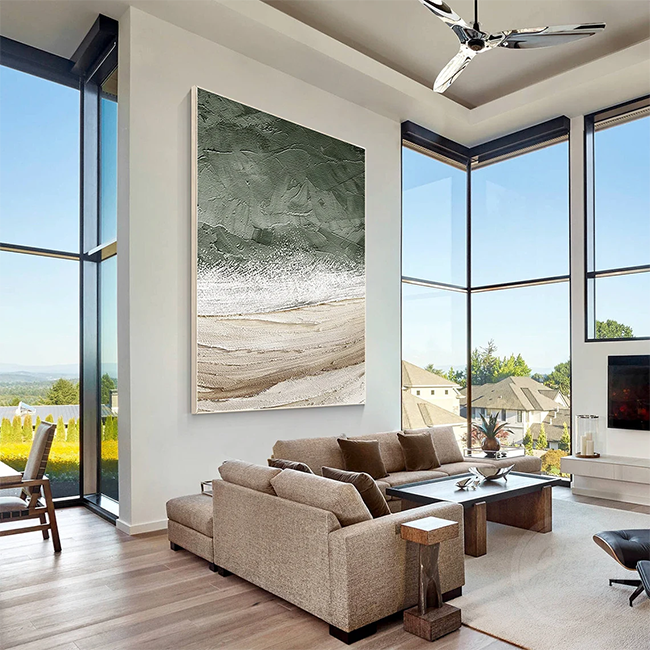
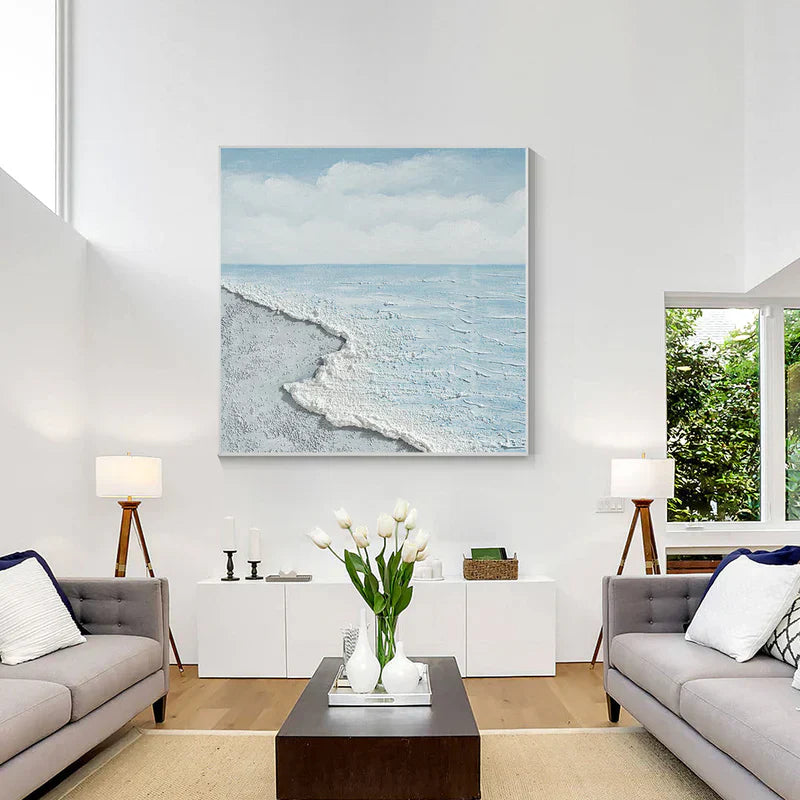
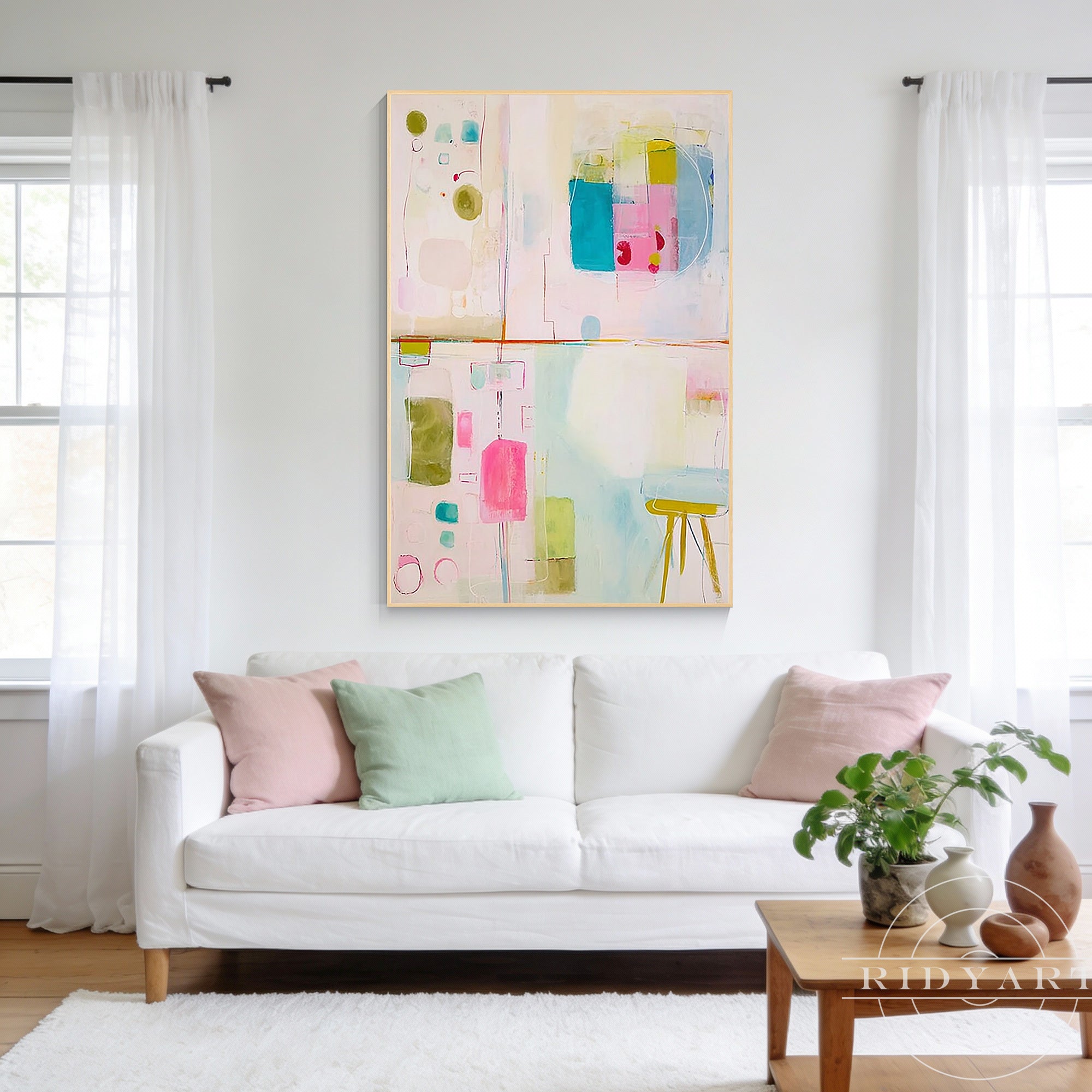
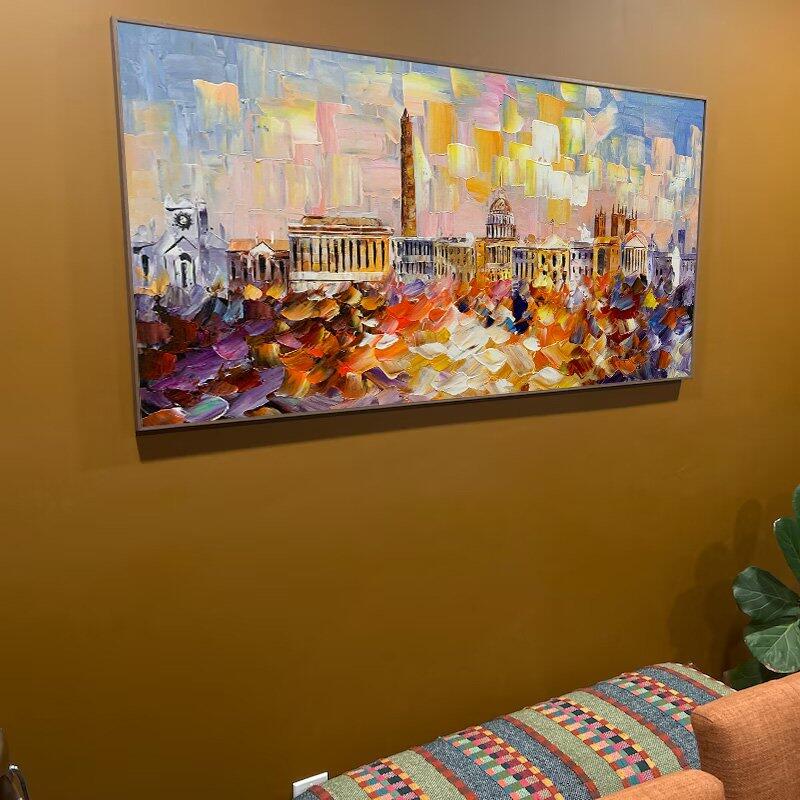
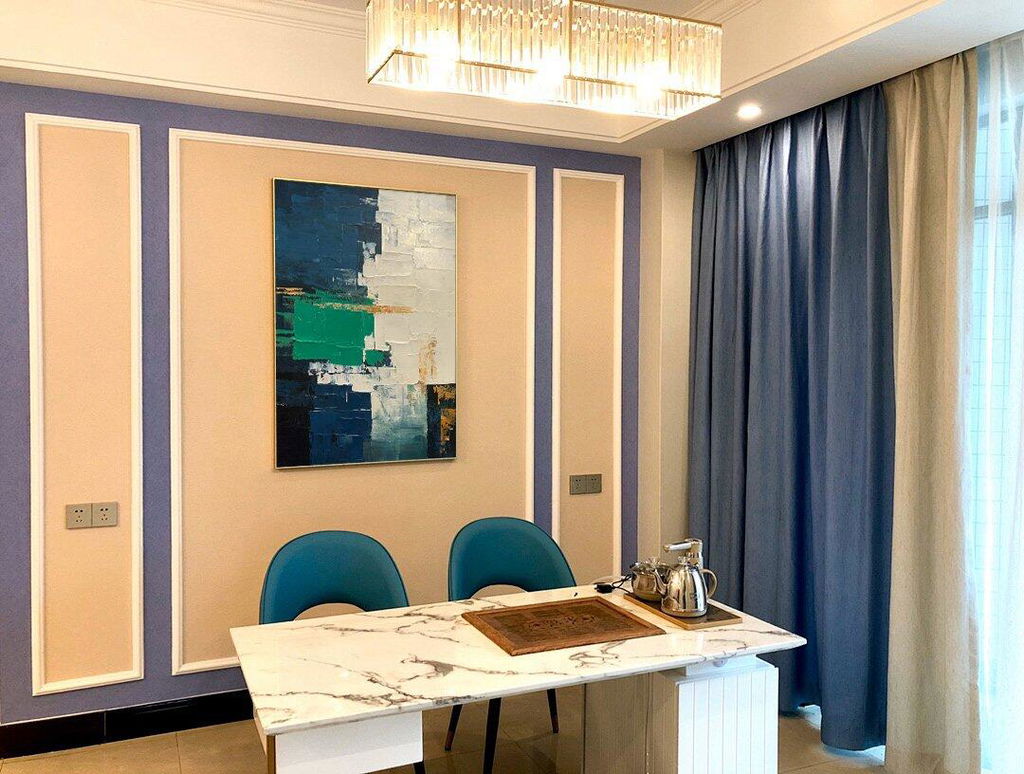
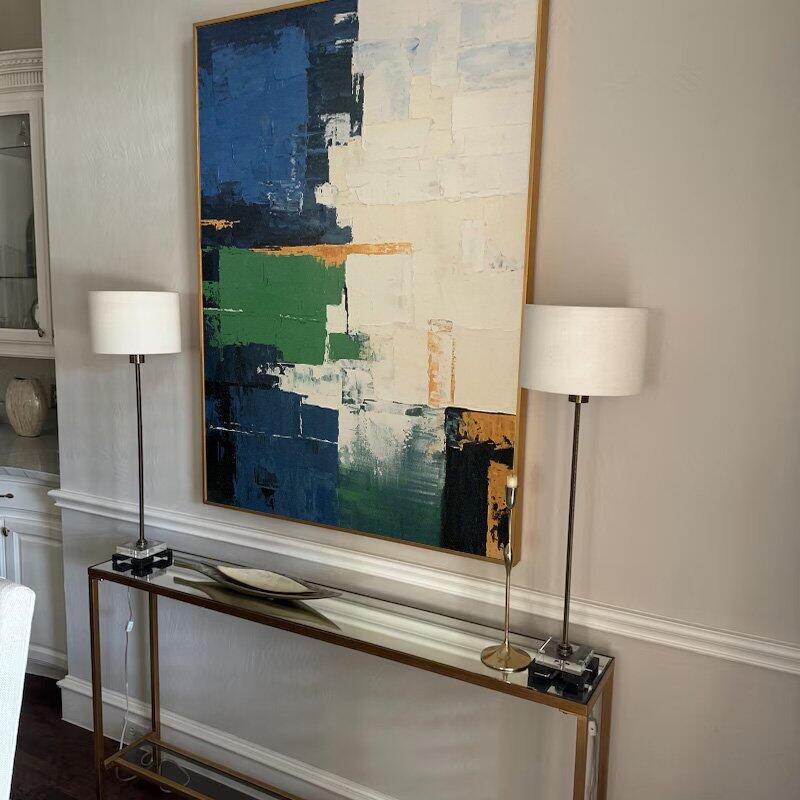
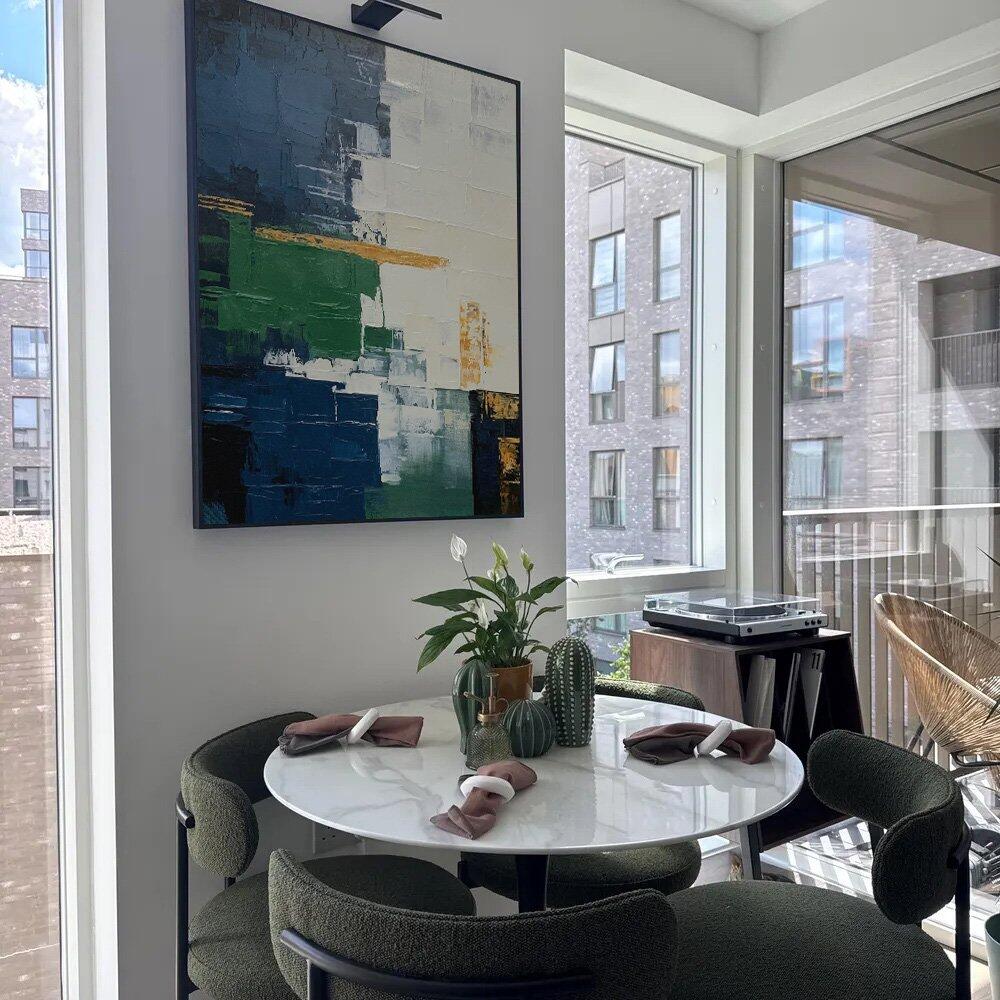
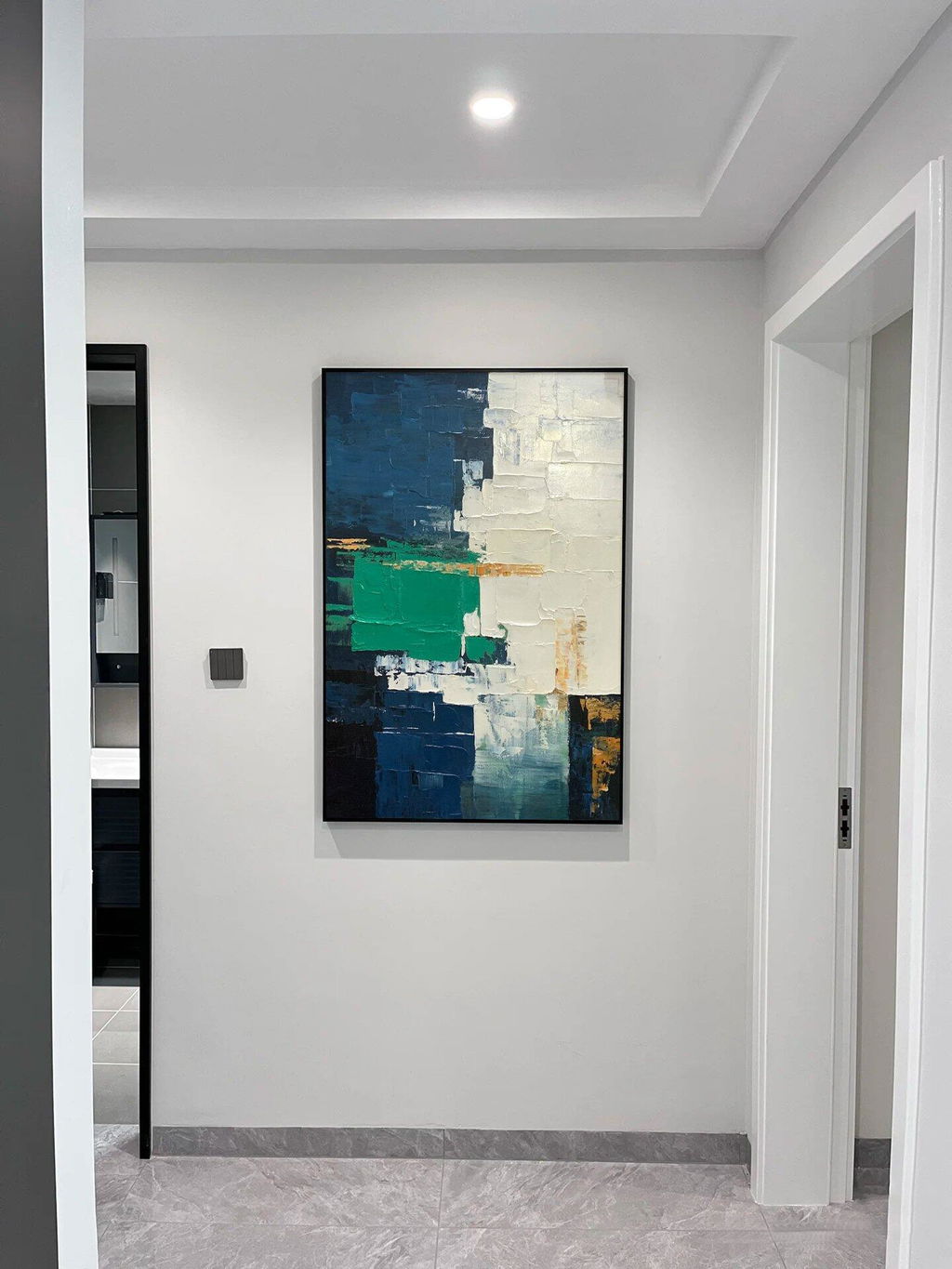
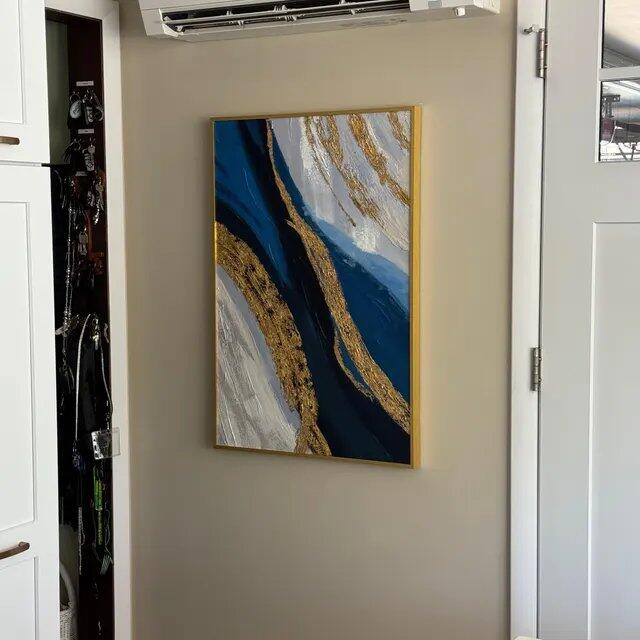
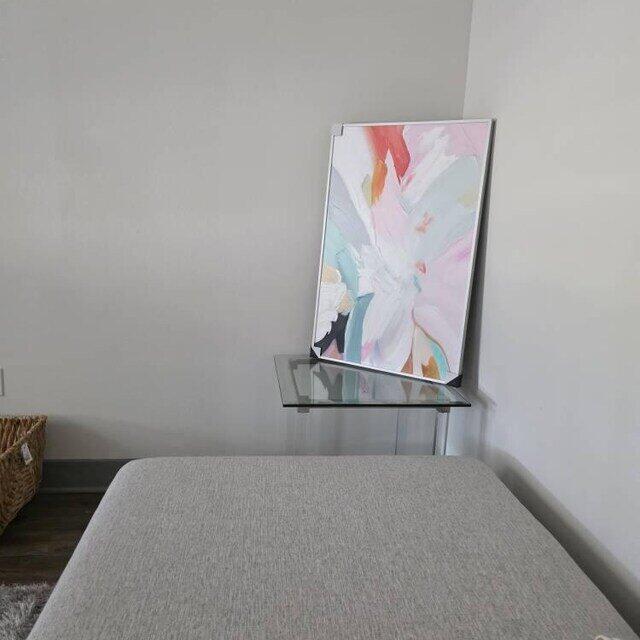
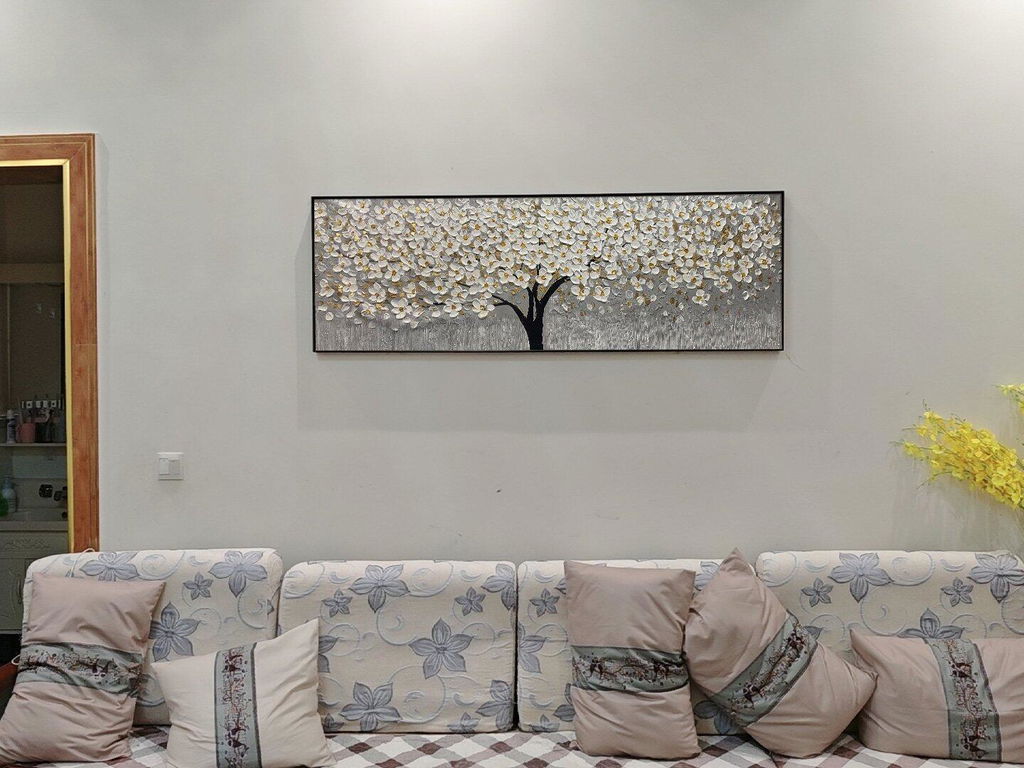
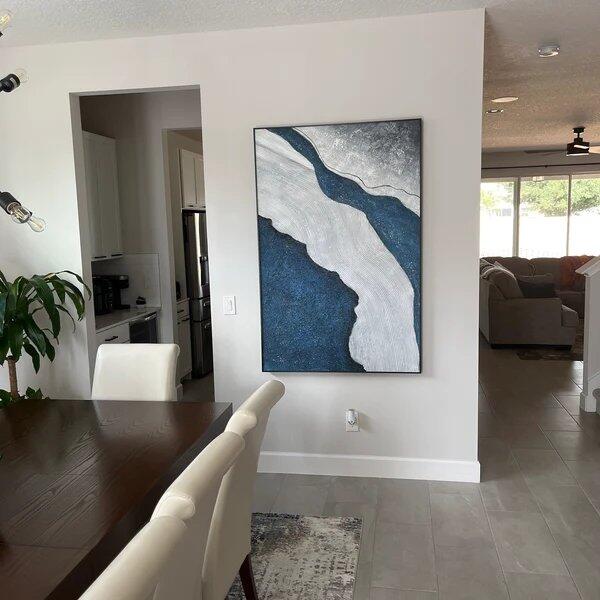
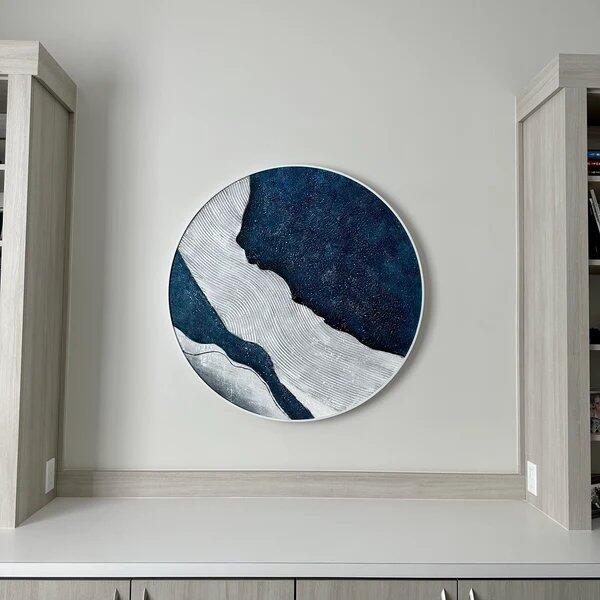
Texture art refers to artwork that incorporates raised surfaces, dimensional elements, and tactile details to create depth and visual interest. Unlike traditional flat paintings, texture art allows viewers to experience the artwork through both sight and perceived touch.
Artists often use palette knives, modeling paste, acrylic mediums, plaster, or layered paint techniques to build rich textures across the canvas. The result is a piece that changes appearance depending on lighting, viewing angle, and surrounding décor.

What makes texture art unique is its ability to create movement and dimension. Even minimalist pieces in neutral tones can become striking focal points because of the shadows and highlights created by the textured surface.
Why Is Texture Art So Popular Right Now?
1. It Adds Depth to Modern Interiors
Modern interior design often emphasizes clean lines, neutral color palettes, and uncluttered spaces. While these elements create a calm and sophisticated atmosphere, they can sometimes feel flat.
Texture art introduces visual depth without adding unnecessary complexity. The raised surfaces catch natural light throughout the day, creating subtle changes that keep a room feeling dynamic.

2. It Creates a Luxurious Look
Many high-end designers incorporate textured artwork because it instantly elevates a space. The handcrafted nature of texture art gives rooms a custom, curated feel that mass-produced prints often cannot achieve.
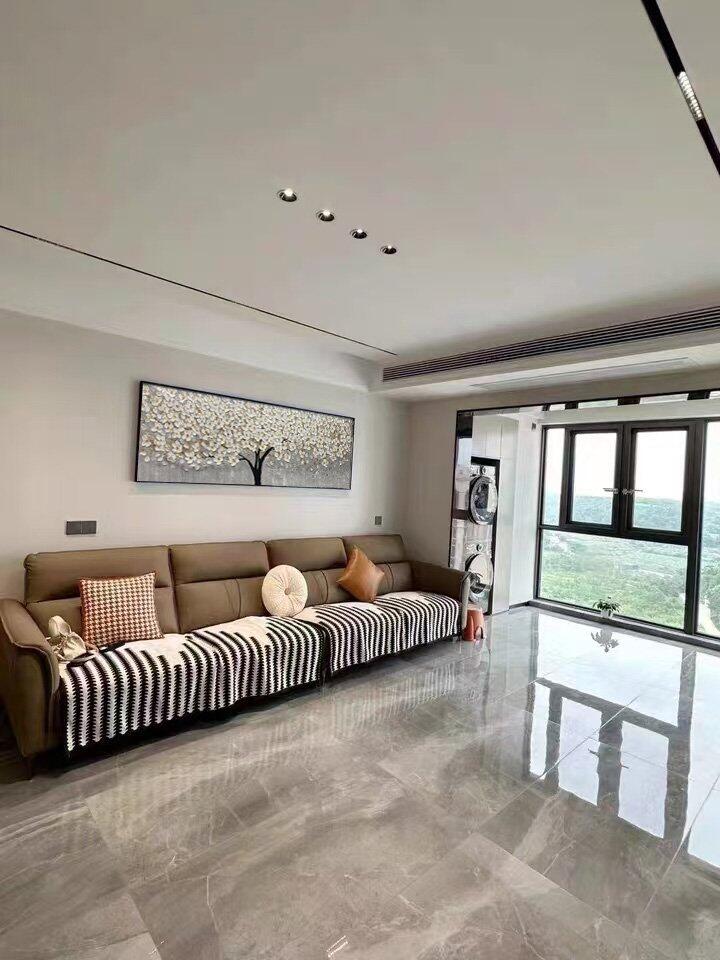
Large textured canvases are especially popular in luxury residences because they function as both artwork and architectural features.
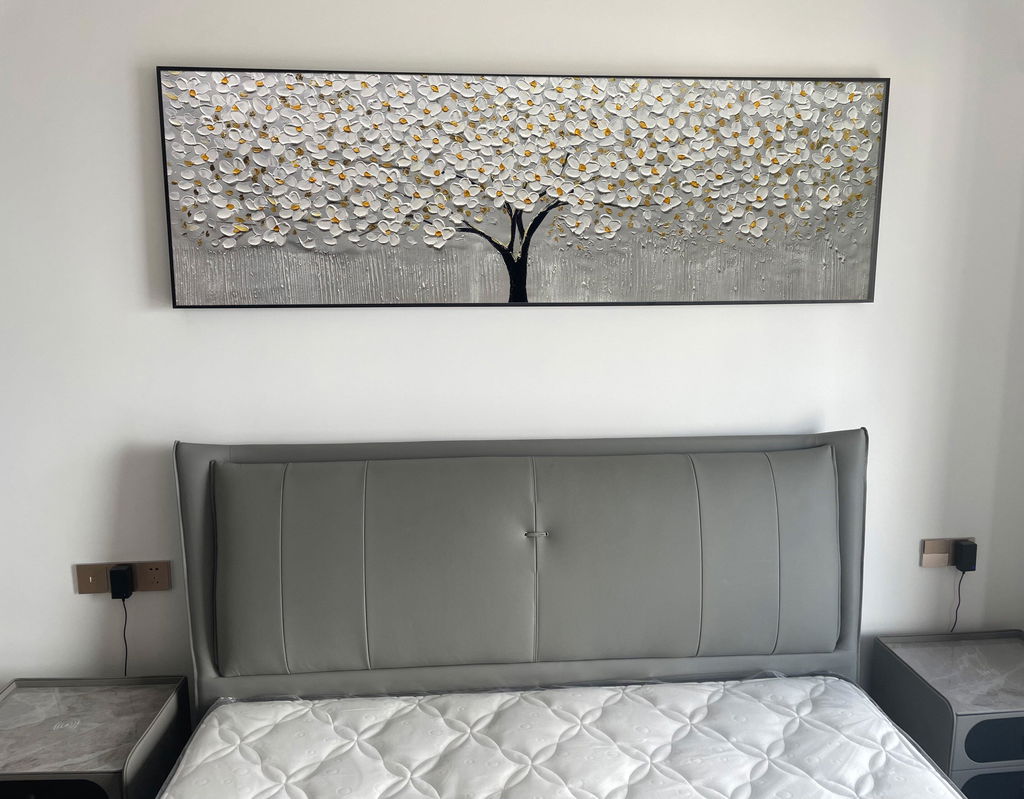
Whether displayed in a living room, bedroom, office, or hotel lobby, textured wall art creates a sense of sophistication and exclusivity.
3. Every Piece Is Unique
Unlike printed artwork, hand-painted texture art carries the artist's individual touch. The thickness of the paint, movement of the palette knife, and layering techniques ensure that no two pieces are exactly alike.
This uniqueness appeals to homeowners who want artwork that reflects their personal style rather than something commonly found in retail stores.

The Rise of Neutral Texture Art
One of the biggest trends in recent years has been neutral textured art.
Soft shades of ivory, beige, cream, taupe, and warm white blend effortlessly into modern interiors. These colors complement a wide range of design styles, including:
- Minimalist
- Modern Contemporary
- Scandinavian
- Japandi
- Coastal
- Organic Modern
Rather than dominating a room, neutral texture art enhances the overall atmosphere while maintaining a calm and balanced aesthetic.
How Texture Art Is Made
Creating texture art involves much more than simply applying paint to canvas.
Many artists begin by building layers of texture using specialized materials. Once the foundation is established, additional layers are carefully applied to create movement, contrast, and depth.
Common techniques include:
- Palette knife painting
- Impasto techniques
- Acrylic texture mediums
- Plaster-based sculptural effects
- Layered mixed media applications
The process requires patience, skill, and attention to detail, especially for large-scale pieces intended for luxury interiors.

Why Interior Designers Love Texture Art
Interior designers frequently use texture art because it solves a common design challenge: adding visual interest without overwhelming a space.
Textured pieces work exceptionally well in:
- Living rooms
- Master bedrooms
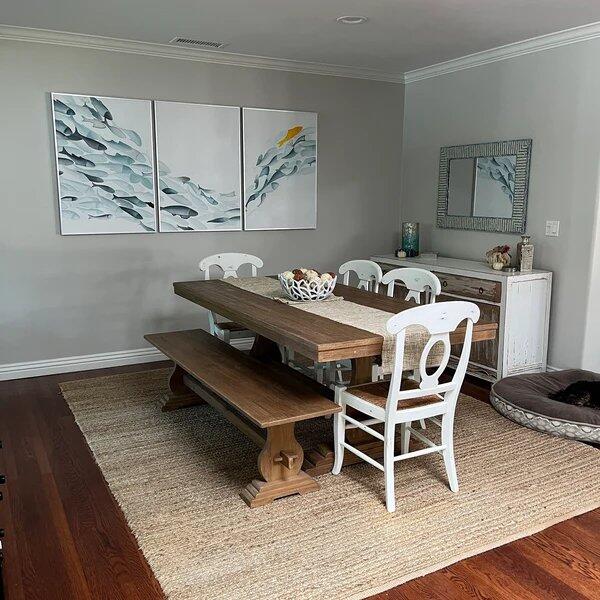
- Dining areas
- Entryways
- Office spaces
- Beach houses
- Luxury vacation rentals
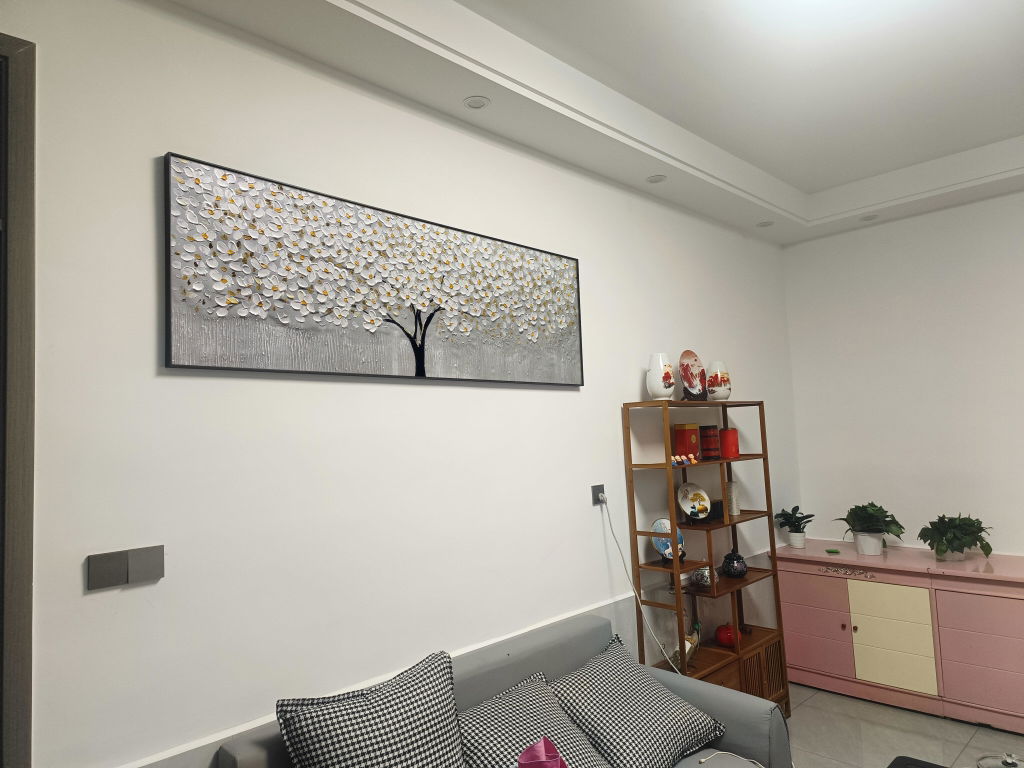
Large-scale textured artwork can act as a statement piece while still harmonizing with furniture, lighting, and architectural elements.
Because texture art often relies on form rather than bold color, it remains timeless and versatile even as design trends evolve.

Is Texture Art Worth the Investment?
For many homeowners, the answer is yes.
Hand-painted texture art offers a combination of craftsmanship, uniqueness, and visual impact that printed décor simply cannot replicate. Its ability to add depth, elegance, and personality makes it a valuable addition to both residential and commercial spaces.
As demand for handcrafted home décor continues to grow, texture art has become more than just a trend—it has established itself as a lasting feature of modern interior design.
Final Thoughts
Texture art has transformed the way people think about wall décor. By combining artistic expression with dimensional craftsmanship, it creates a visual experience that traditional flat artwork often cannot achieve.
Whether you're decorating a minimalist apartment, a contemporary home, or a luxury beachfront property, textured wall art offers a timeless way to bring warmth, depth, and sophistication into your space.
If you're looking for artwork that makes a statement while remaining elegant and versatile, texture art may be exactly what your walls have been missing.






Leave a comment
This site is protected by hCaptcha and the hCaptcha Privacy Policy and Terms of Service apply.