

What Is a Sense of Art? How to Bring More Artistic Feeling Into Your Home
A beautiful home is not always an artistic home.
You can have beautiful furniture, elegant lighting, and carefully selected decorations, but a room may still feel like something is missing. Often, that missing element is a sense of art.
Art has the power to transform an ordinary space into something personal, expressive, and memorable. A single painting can introduce color, texture, emotion, and personality without requiring an entire room makeover.
But what exactly creates a sense of art, and how can you bring more of it into your home?
What Does “Sense of Art” Really Mean?
A sense of art is not simply about filling your walls with paintings.
It is about creating a visual atmosphere where colors, shapes, textures, and objects work together naturally. An artistic space feels intentional, but it doesn't necessarily feel overly designed.
Sometimes, the most artistic interiors are surprisingly simple.
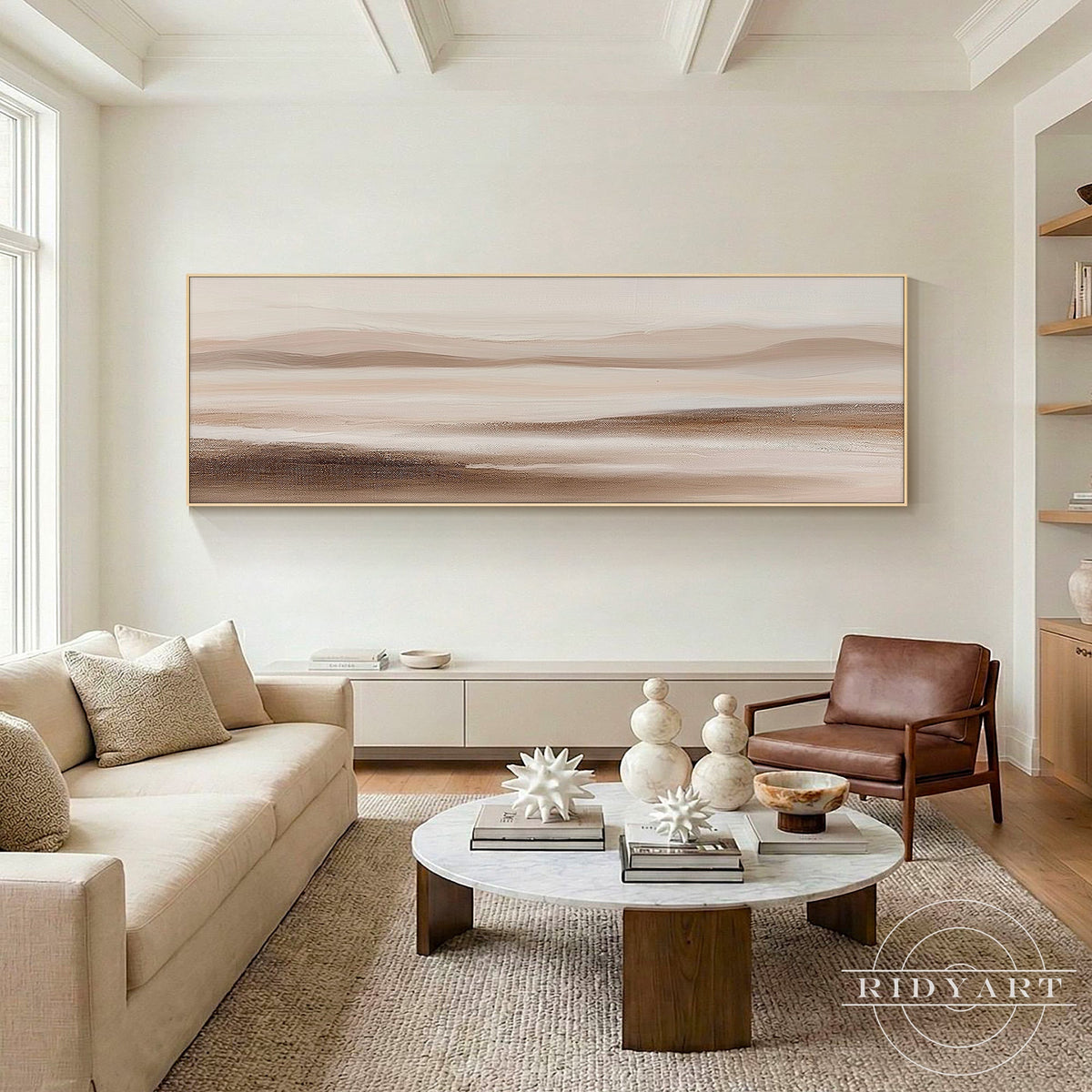
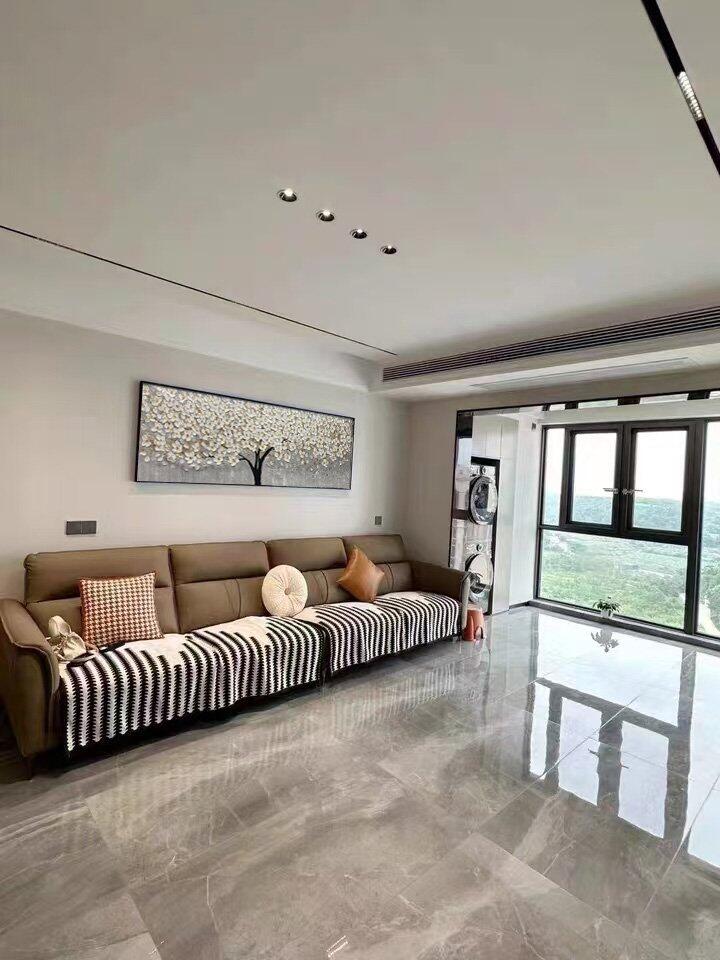
A neutral sofa, a clean wall, natural light, and one expressive painting can be enough to completely change the feeling of a room.

1. Art Begins With Emotion
One of the most important differences between artwork and ordinary decoration is emotion.
A painting can make a room feel calm, energetic, warm, dramatic, or sophisticated.
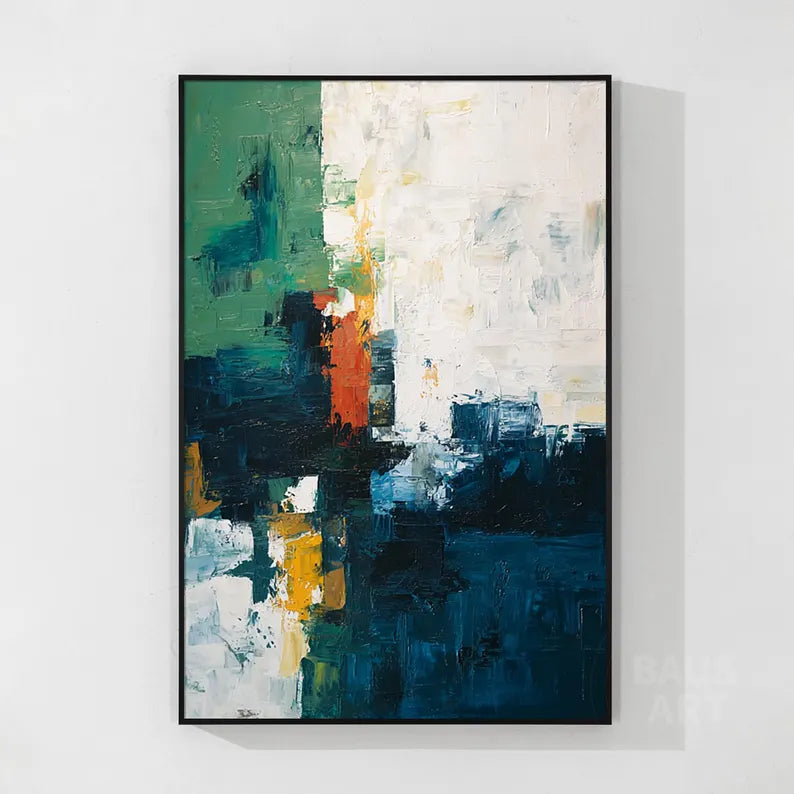
Soft blues and greens may create a peaceful atmosphere, while warm earth tones can make a space feel more welcoming. Bold colors can bring energy and personality to an otherwise neutral interior.
This is why choosing wall art should not only be about matching your furniture.
Instead, ask yourself:
How do I want this room to feel?
Once you know the feeling you want to create, choosing artwork becomes much easier.

2. Texture Makes Art Feel Alive
Color is important, but texture can take artwork to another level.
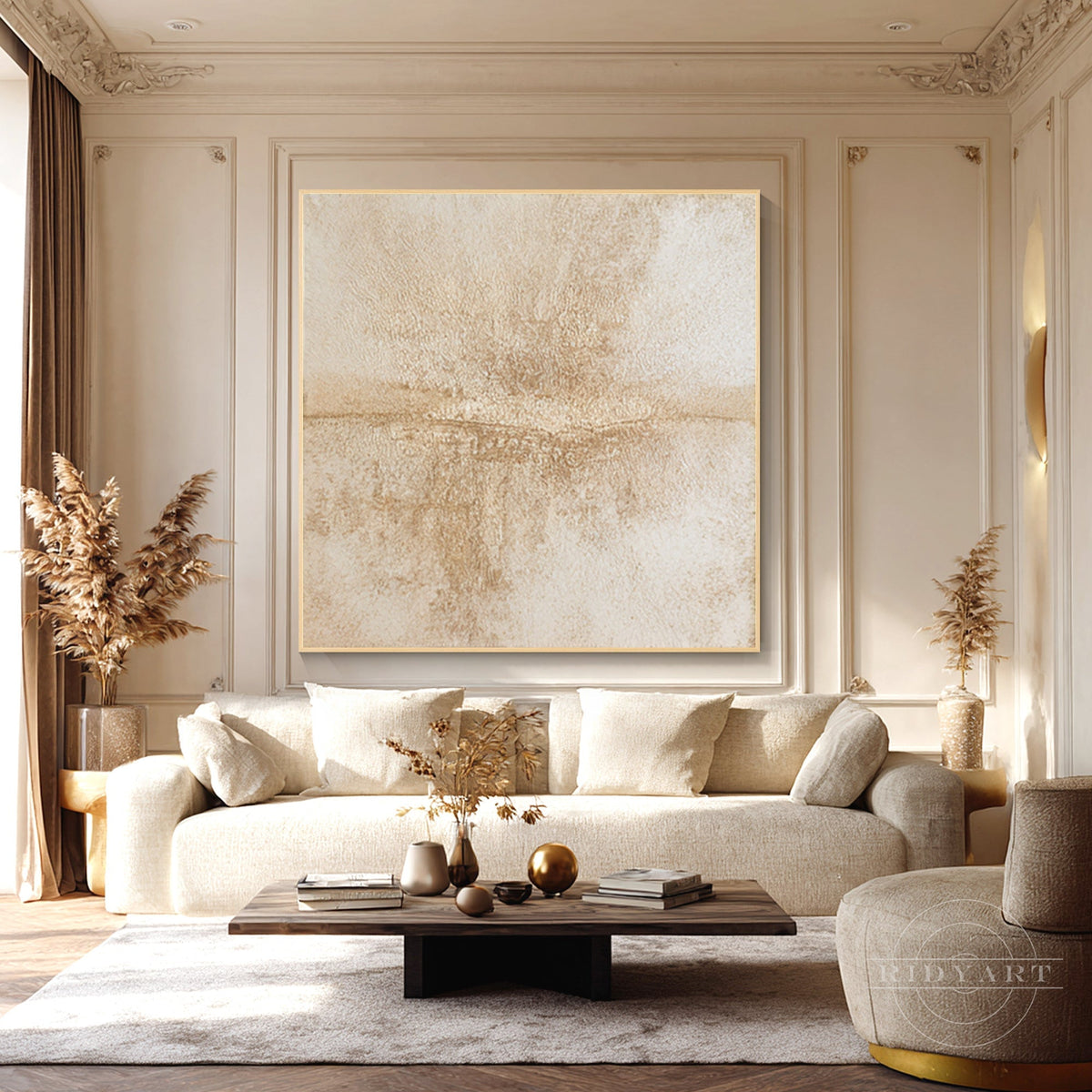
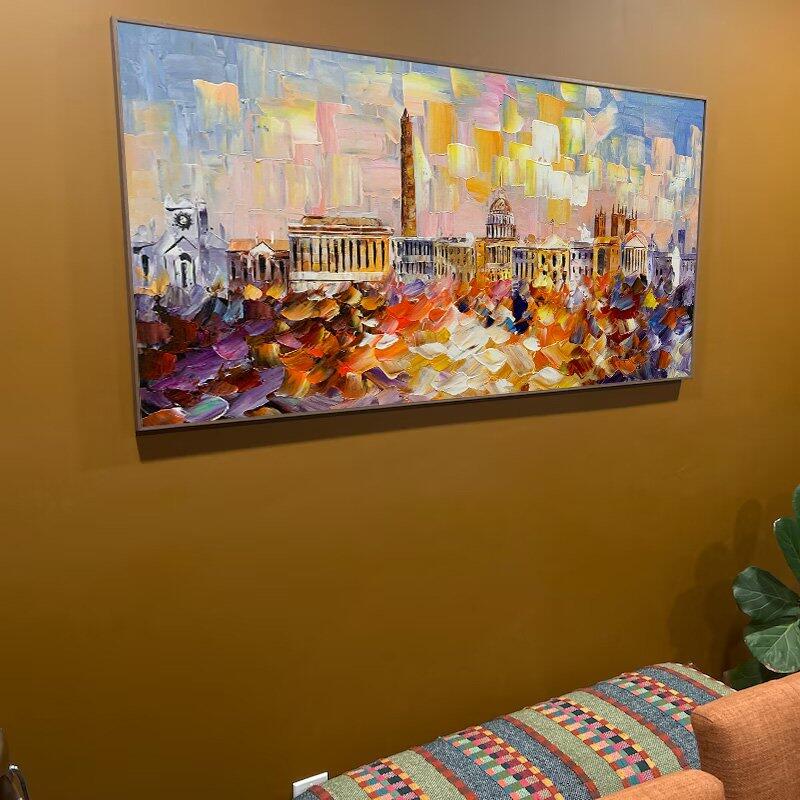
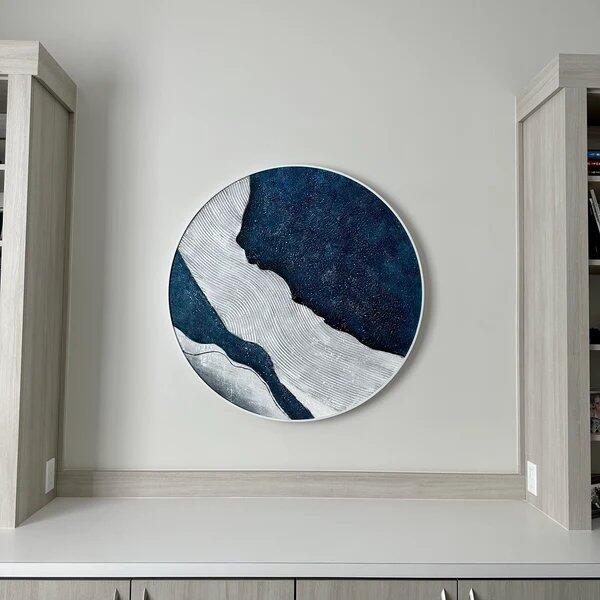
Hand-painted artwork often contains visible brushstrokes, layers, and subtle variations that cannot be fully captured in a printed image.
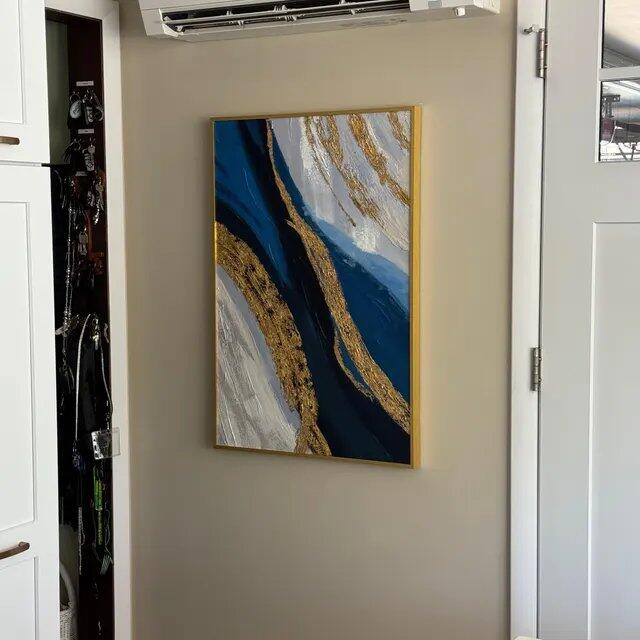
This is especially true for textured and palette-knife paintings.
When light moves across a textured surface, different areas of the painting can appear brighter or darker. The artwork changes slightly throughout the day, creating a more dynamic experience.
Instead of simply looking at a picture, you begin to notice the physical qualities of the artwork itself.

3. Handmade Art Adds Personality
There is something special about an artwork created by hand.
Small variations in brushstrokes, texture, and color make every original painting unique. These details give the artwork a sense of personality that mass-produced decoration often lacks.
A handmade painting doesn't have to be perfect.
In fact, its imperfections can be part of its beauty.
Every brushstroke represents a decision made by the artist, creating a piece that feels personal rather than manufactured.

4. Don't Be Afraid of Empty Space
Creating an artistic home does not mean decorating every wall.
Empty space is an important part of interior design.
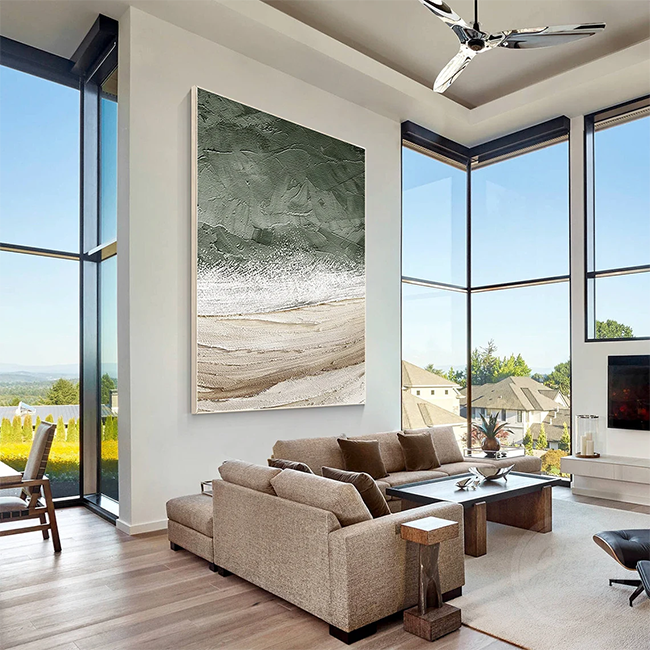
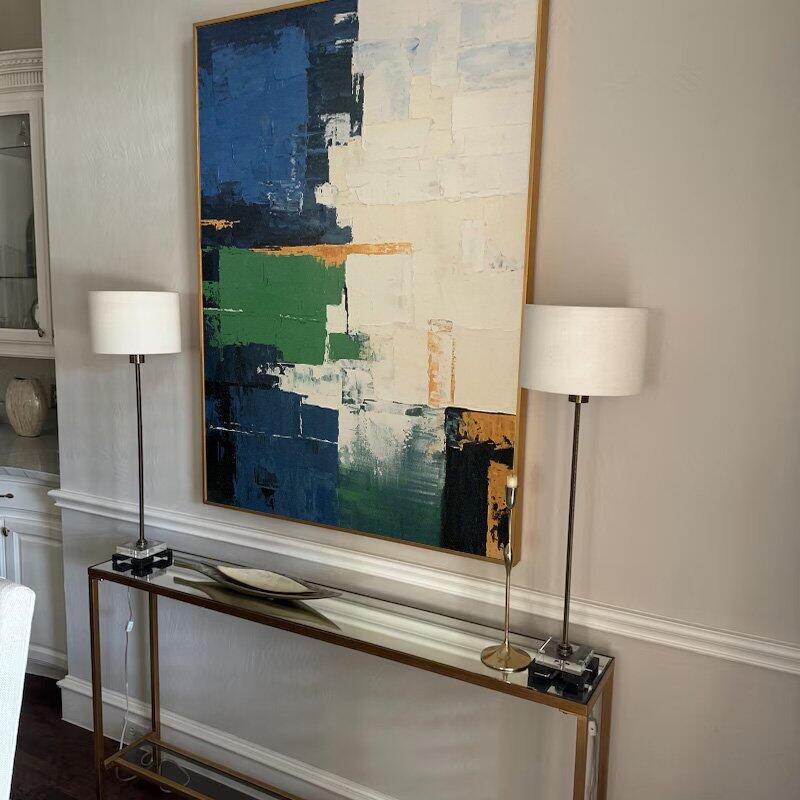
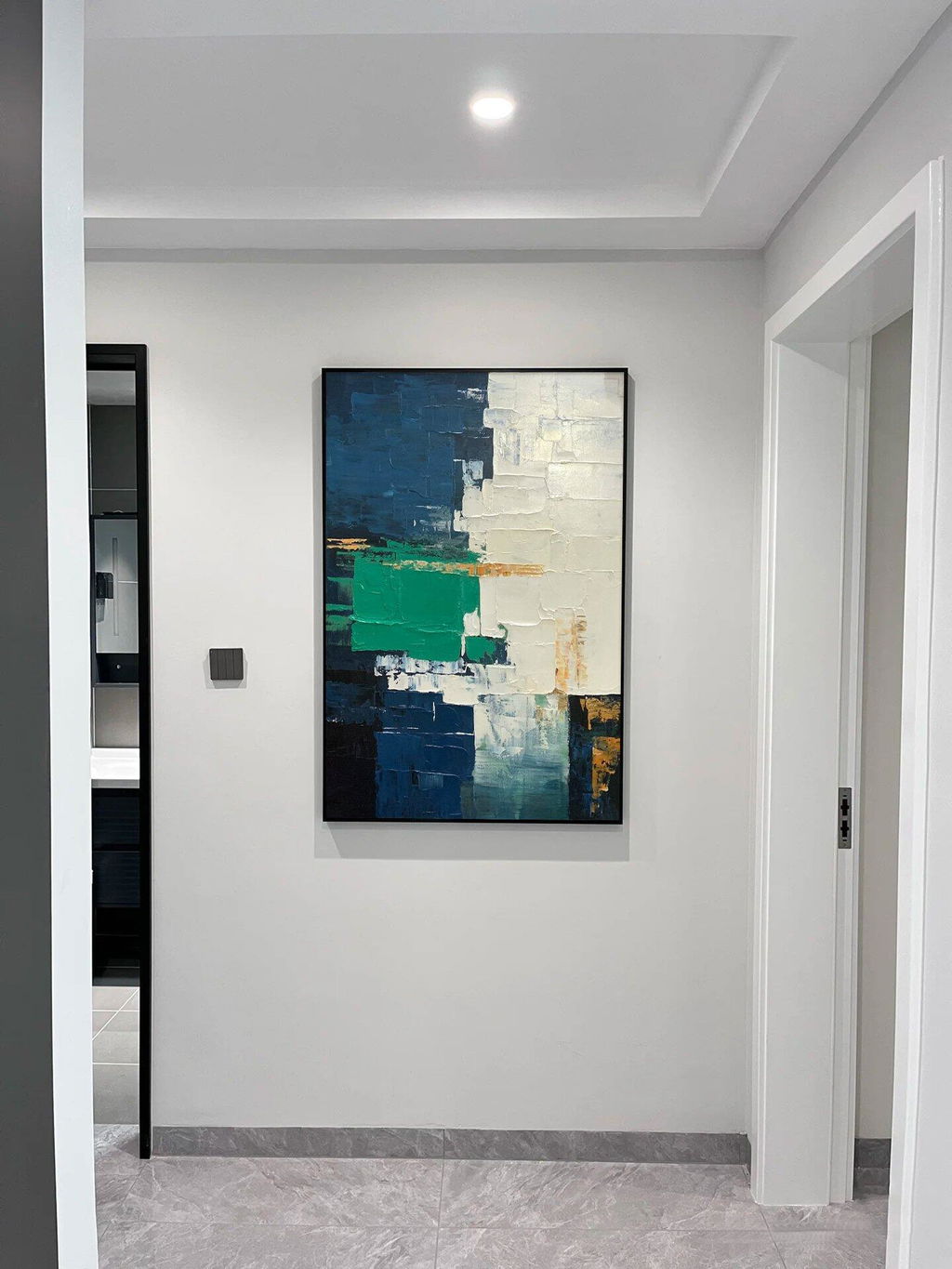
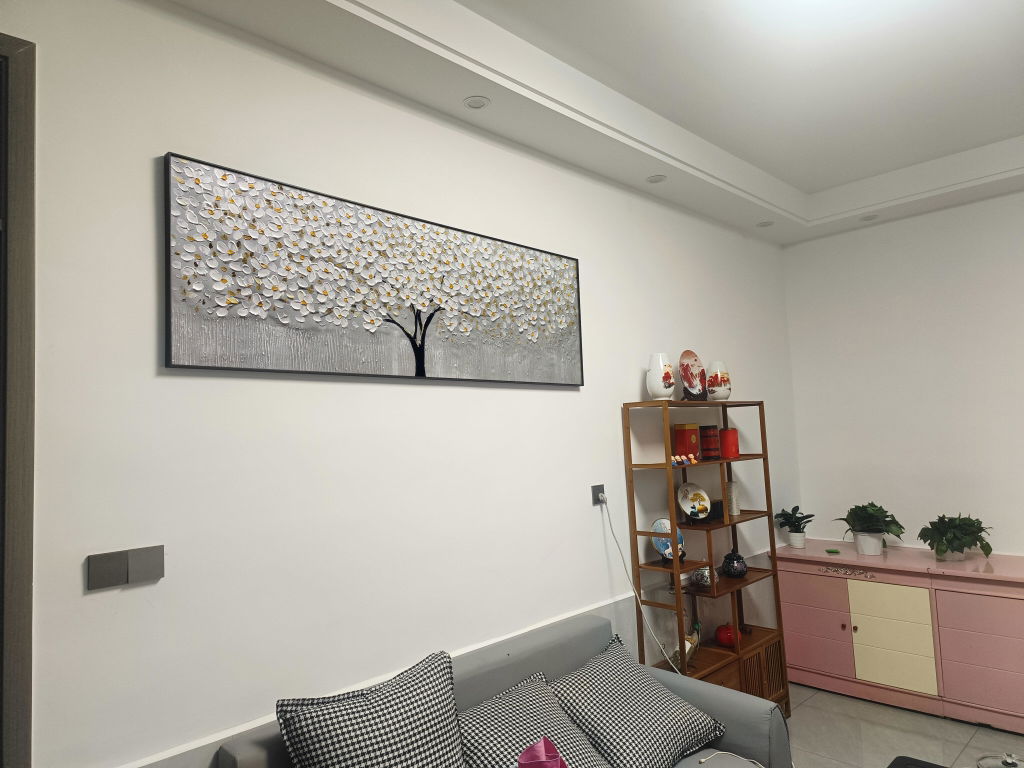
When a painting has enough space around it, the artwork can become a stronger focal point. Instead of competing with dozens of decorations, the painting has room to breathe.
This approach works particularly well with oversized wall art.
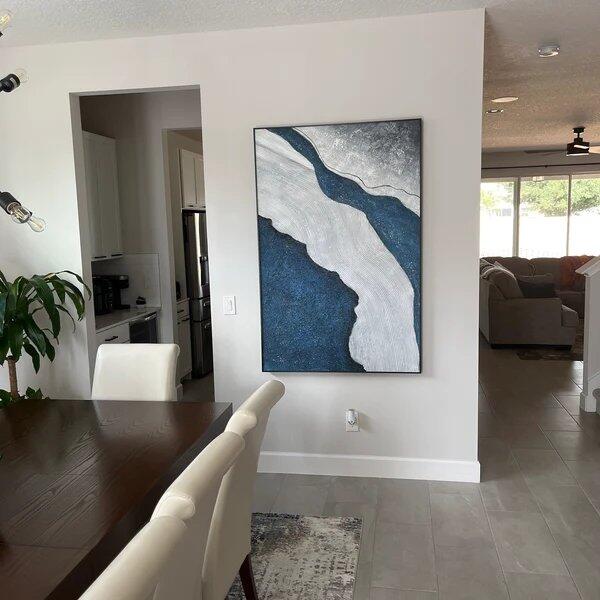
A large painting on a simple wall can create a dramatic visual effect while keeping the overall room clean and sophisticated.

5. Art Can Create a Connection With Nature
Nature is one of the most timeless sources of artistic inspiration.
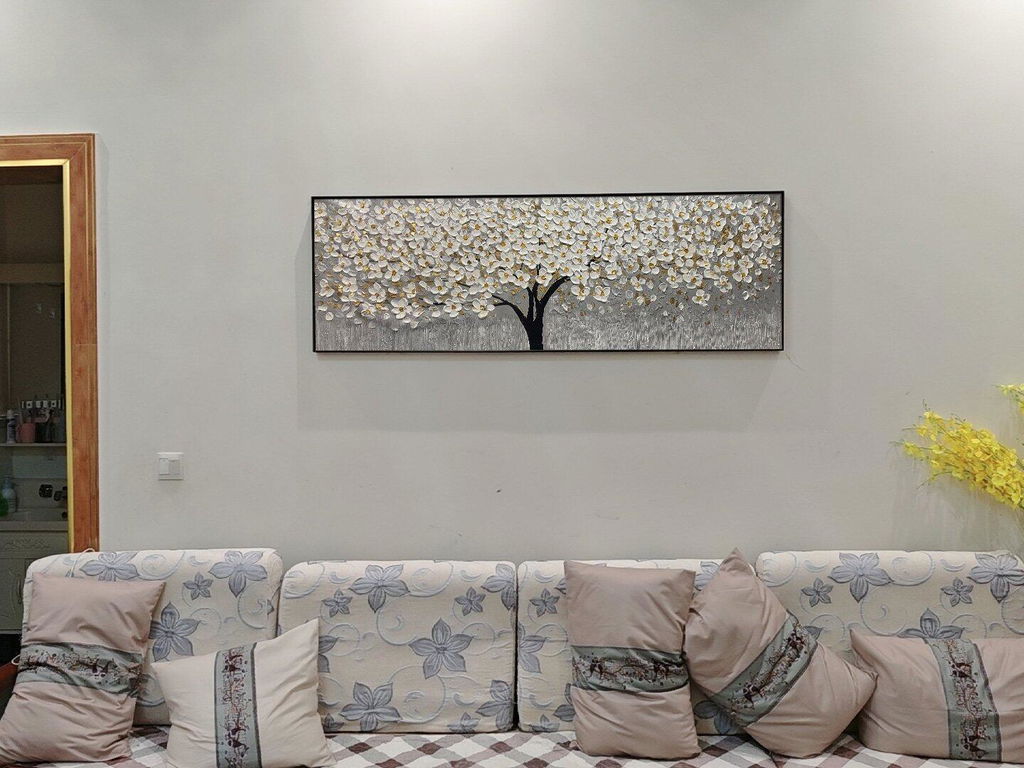
Flowers, leaves, landscapes, oceans, and organic shapes can bring a natural feeling into an interior.
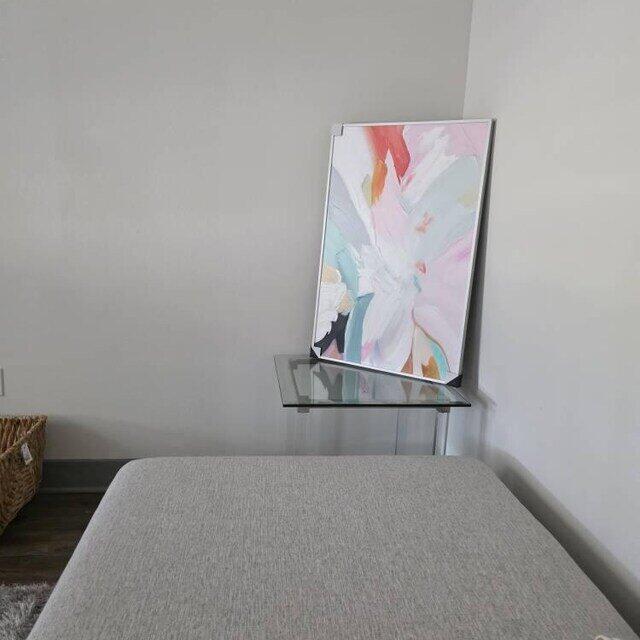
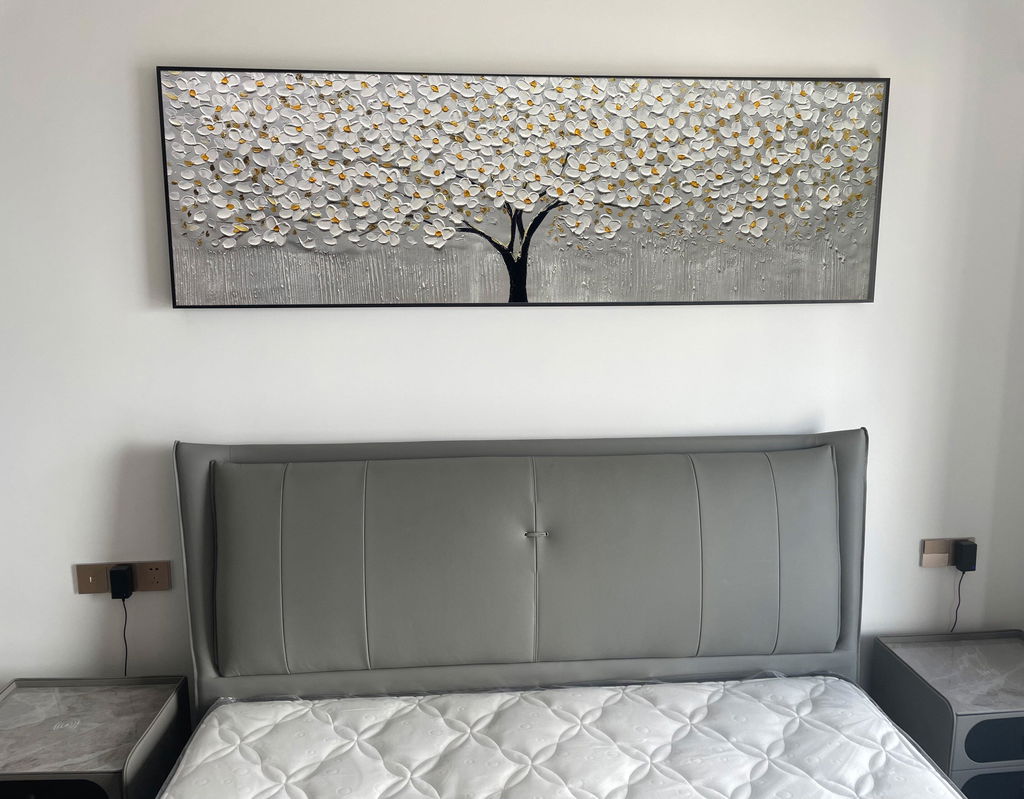
Floral artwork, for example, doesn't need to look traditional. Contemporary floral paintings can use expressive brushstrokes, unusual colors, and abstract forms to create a modern interpretation of nature.
This makes floral art suitable for both classic and contemporary interiors.

6. Contrast Can Make a Room More Interesting
Sometimes, the best artwork is the piece that doesn't perfectly match the room.
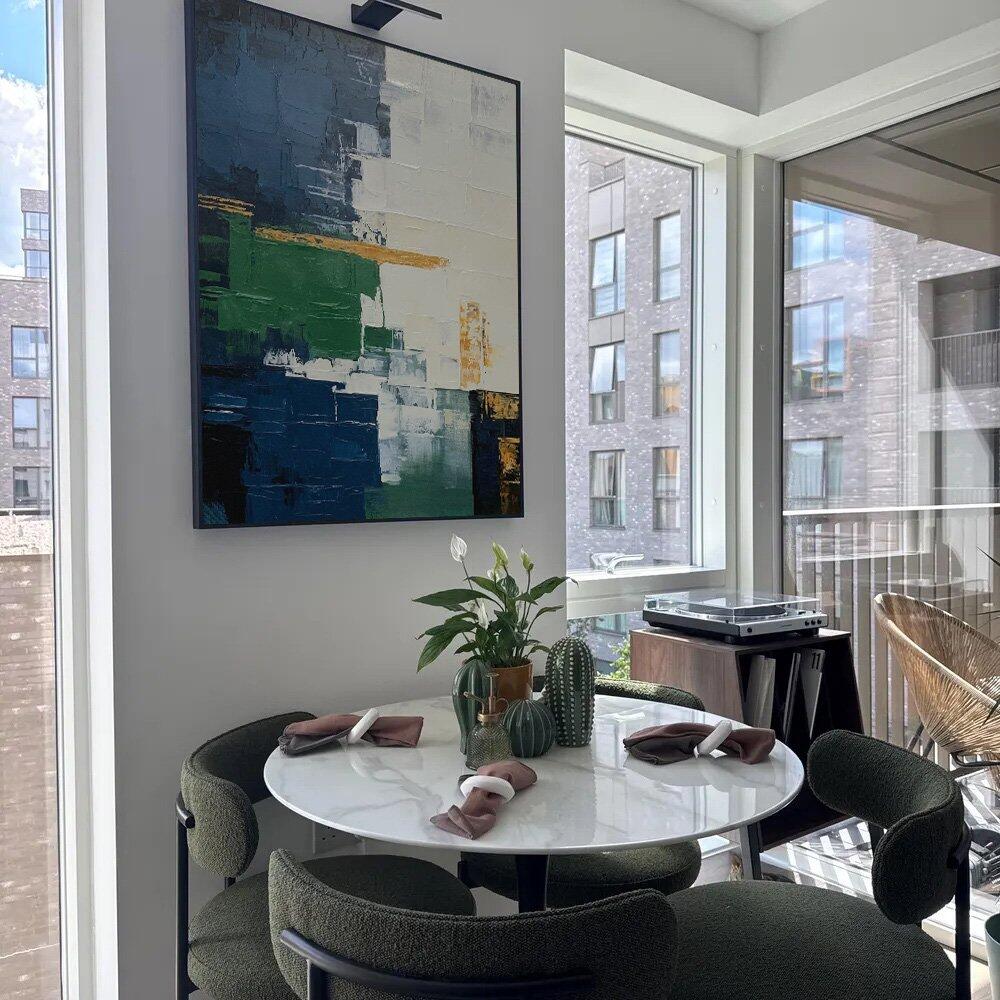
Imagine a minimalist white interior with a colorful abstract painting.
Or a modern space with a highly textured handmade artwork.
Or a neutral bedroom with a dramatic oversized canvas.
The contrast creates visual interest.
Instead of trying to make every element look identical, allow your artwork to stand out.
How to Choose Artwork With a Strong Sense of Art
When choosing artwork for your home, consider three simple things:
Color
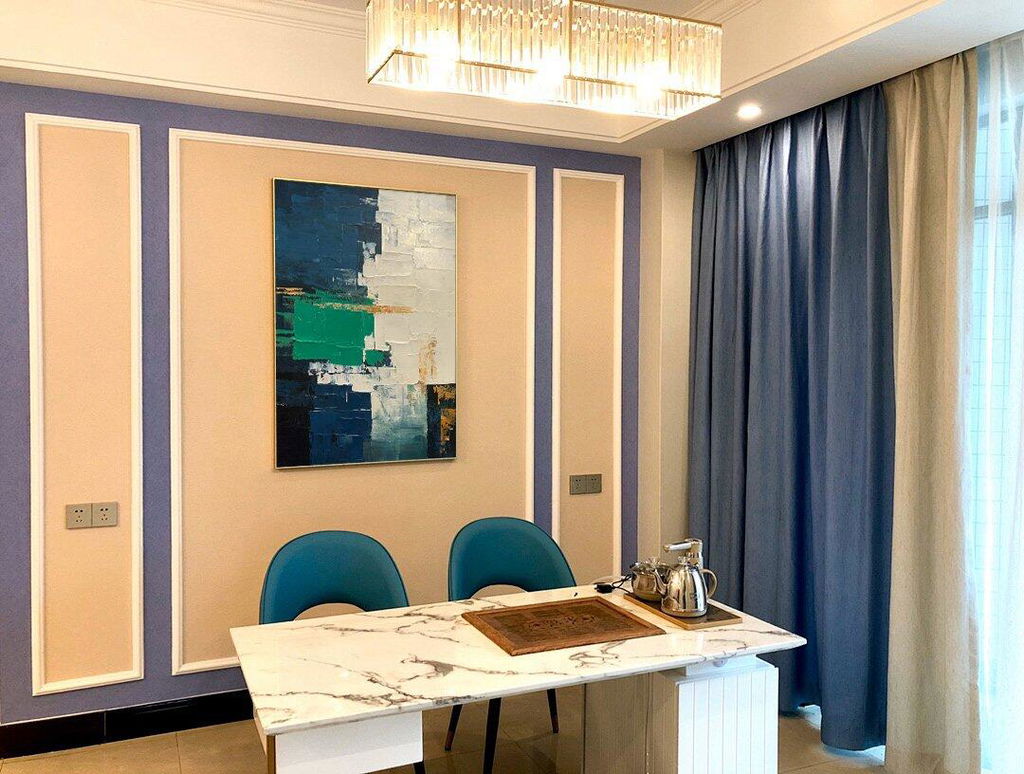
Look at the dominant colors in your room and decide whether you want your artwork to complement them or create contrast.
Size
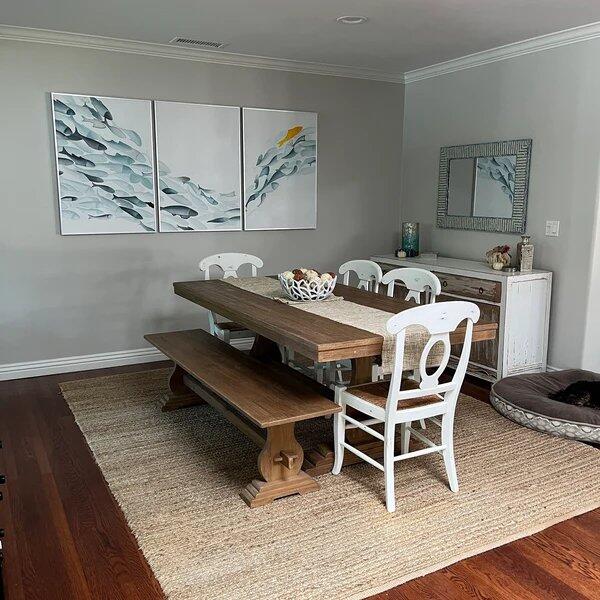
Artwork should feel proportional to the wall and furniture around it. Large walls often benefit from larger artwork, while smaller spaces may work better with smaller pieces or carefully arranged collections.
Feeling
Most importantly, choose artwork that makes you feel something.
You don't need to understand every detail of a painting. If the colors, texture, or composition make you stop and look again, that emotional response is meaningful.
Art Is What Makes a House Feel Personal
Furniture can make a home comfortable.
Lighting can make it warm.
Accessories can make it stylish.
But artwork can make it personal.
The painting you choose may remind you of a place you've visited, a color you love, a season you remember, or simply a feeling that you want to bring into your everyday life.
That's the real power of art.
You don't need dozens of paintings to create an artistic home. Sometimes, one carefully chosen handmade artwork is enough to transform an entire space.

Final Thoughts
A sense of art is not about following a specific decorating rule.
It is about finding colors, textures, shapes, and artwork that speak to you.
Whether you prefer colorful abstract paintings, soft floral artwork, minimalist compositions, or richly textured handmade pieces, your walls are an opportunity to express your personality.
Choose art that makes you feel something. Give it space to breathe. And let your home tell its own story.






Leave a comment
This site is protected by hCaptcha and the hCaptcha Privacy Policy and Terms of Service apply.