記事: Triptych Wall Art: How Three-Panel Designs Transform Your Space

Triptych Wall Art: How Three-Panel Designs Transform Your Space
Triptych wall art has a long history rooted in classical and religious art, where three-panel compositions were used to tell layered and meaningful stories. Traditionally displayed in churches and galleries, triptychs allowed artists to present a central theme alongside supporting scenes, creating a sense of continuity and narrative.
Today, this format has evolved into a popular trend in modern home decor. With the rise of minimalist interiors and open wall spaces, triptych artwork offers a balanced way to fill larger areas while maintaining visual structure. It has become a go-to choice for omeowners who want something more dynamic than a single canvas, yet more cohesive than a gallery wall.
What Is a Triptych?
A triptych is a three-panel artwork designed to be displayed together as one cohesive composition. Each panel can stand on its own, but when placed side by side, they form a complete visual story. designed to be displayed together as one cohesive composition. Each panel can stand on its own, but when placed side by side, they form a complete visual story.
Unlike traditional single-canvas art, triptychs introduce spacing between panels, which becomes part of the design itself— adding rhythm, flow, and breathing room to the wall.
Core Function
A triptych is a three-panel artwork where each panel functions as part of a unified composition. While each piece can stand on its own, all three are designed to be viewed together, forming a complete visual experience.
This structure allows for greater flexibility in both artistic expression and spatial arrangement, making it ideal for larger walls or spaces that need a stronger visual anchor.
Key Characteristics of Triptych Wall Art
1. Strong Visual Impact for Larger Spaces
Triptych artwork naturally occupies more wall space, making it highly effective for large areas such as living rooms or above sofas and beds. It creates a balanced, expansive look without needing a single oversized canvas.
2. A Focus on Composition and Spatial Flow
Rather than presenting a single static image, triptych art introduces rhythm and movement across panels. The separation between canvases allows the eye to travel, creating a more engaging viewing experience.
3. Narrative Continuity and Storytelling
Triptych paintings can visually extend a single scene across three panels. This is especially effective for landscapes, ocean views, or abstract flows, where the composition unfolds gradually from one panel to the next.
4. Multi-Angle Interpretation of a Theme
Artists can explore one subject from different perspectives, techniques, or color variations across each panel. This creates depth and variation while maintaining a cohesive theme.
5. Fragmentation and Recomposition
Complex elements can be broken into sections and reassembled across panels, creating a layered and slightly fragmented visual effect. Despite the separation, the artwork still reads as a complete and intentional whole.
How to Style Triptych Wall Art in Your Home
Living Room — Create a Strong Visual Anchor
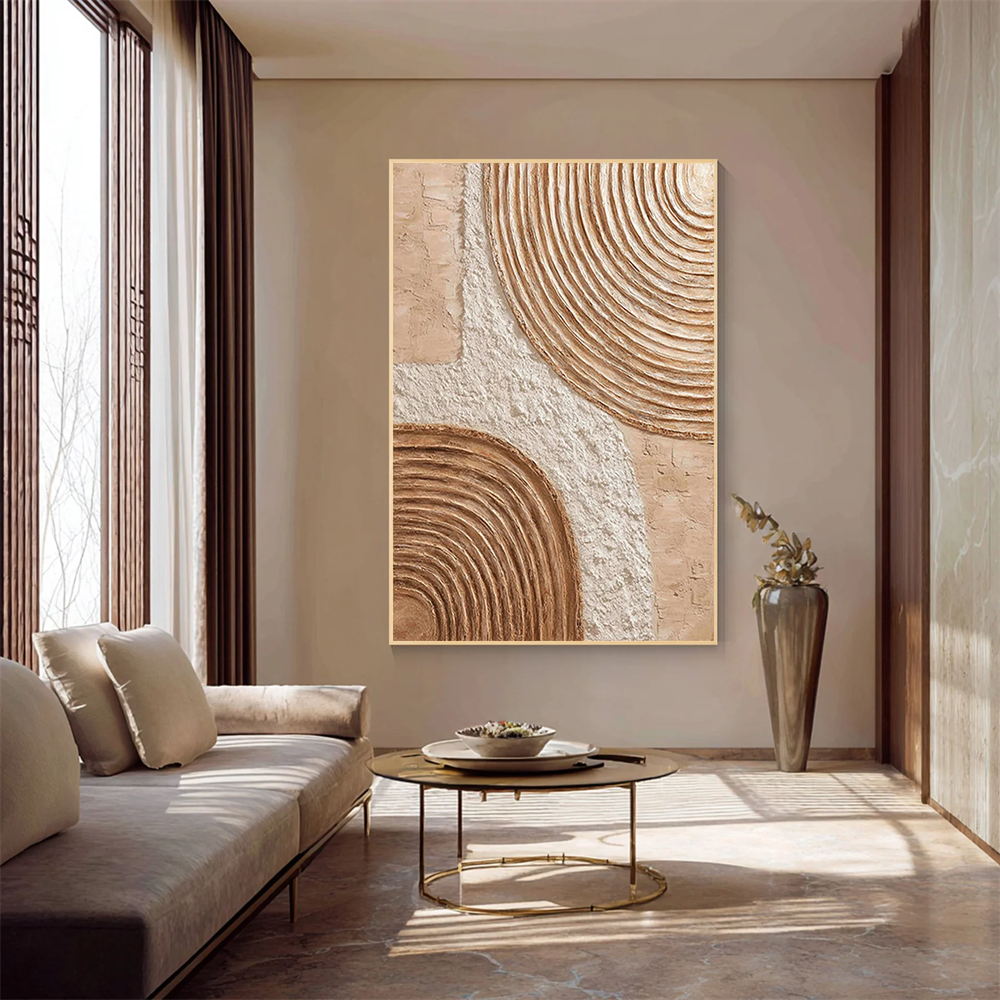
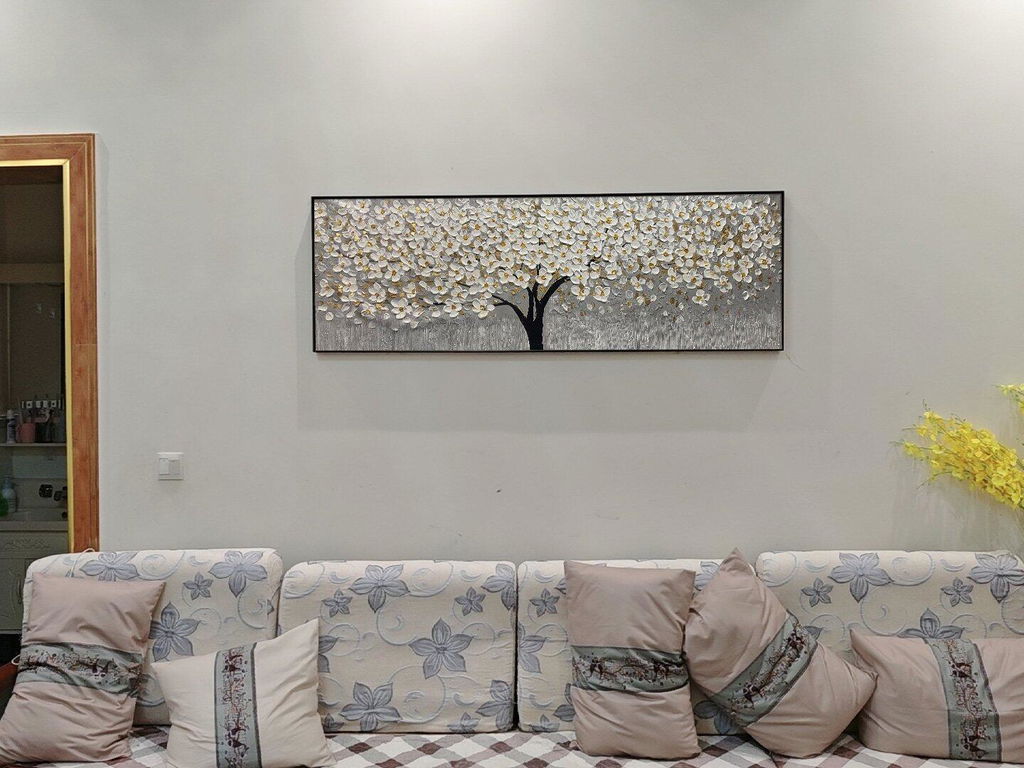
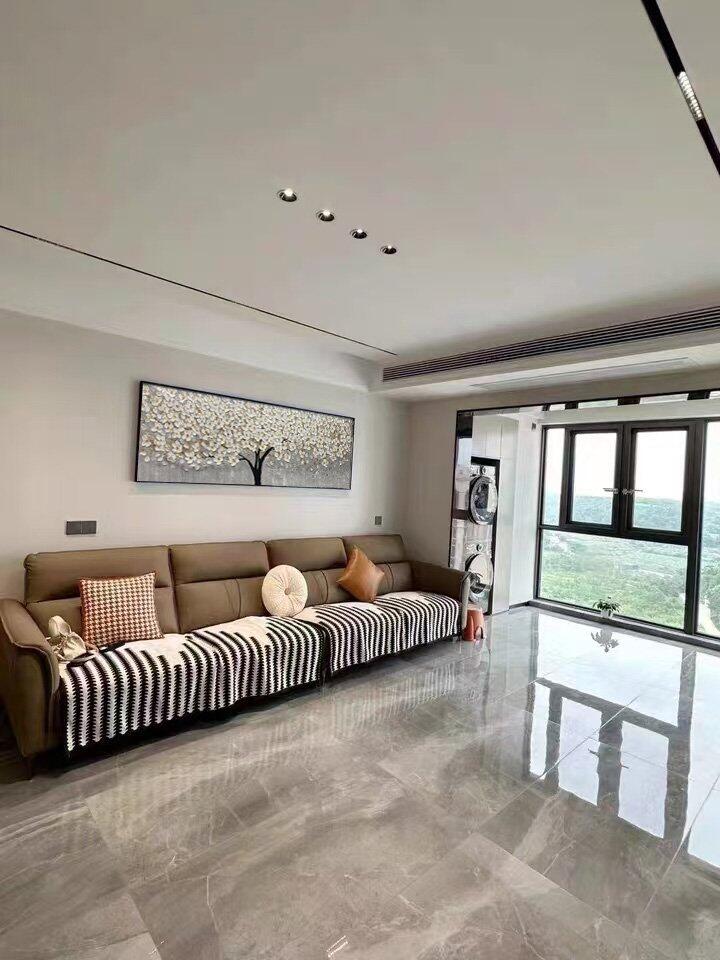
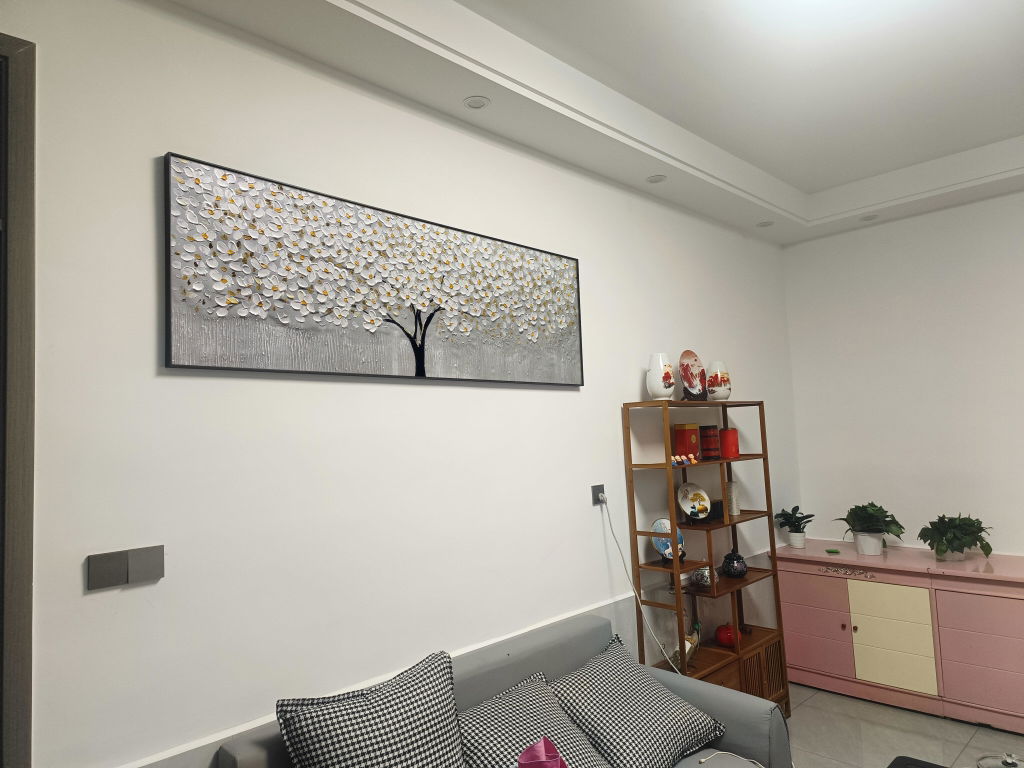
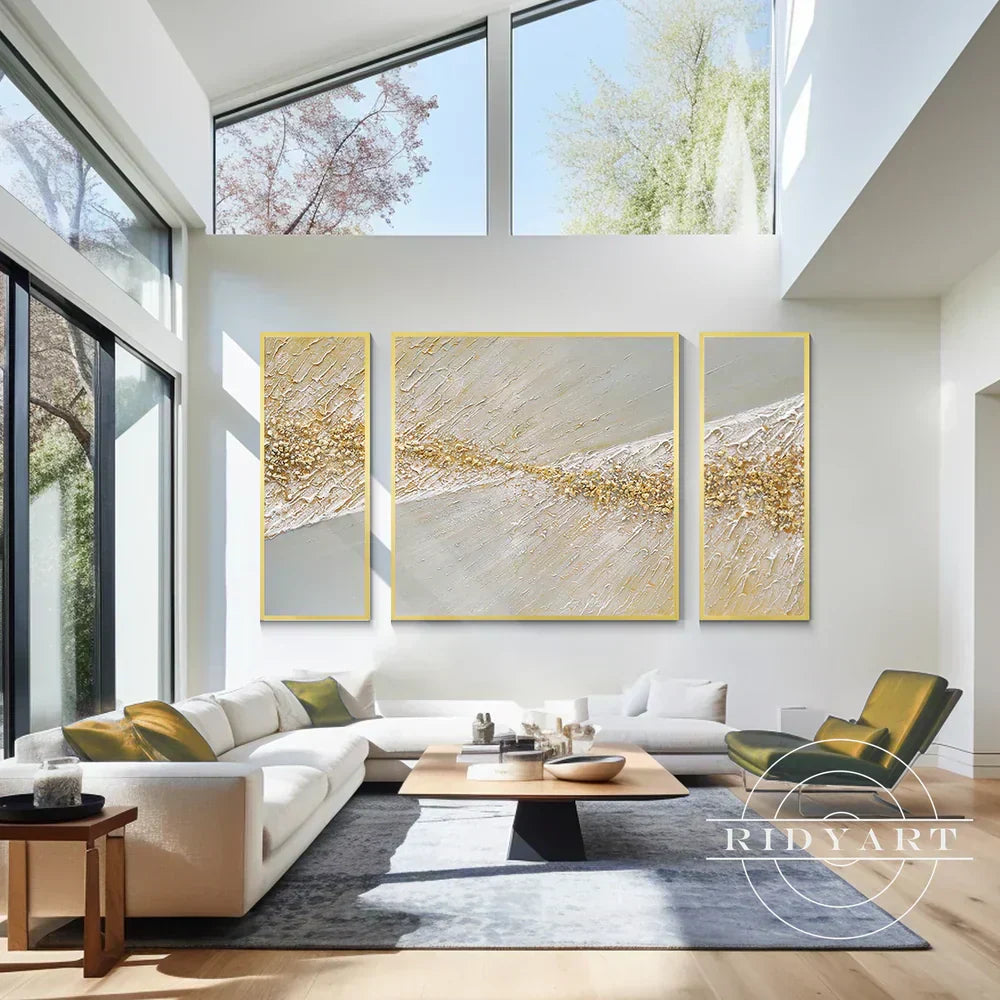
The living room is one of the most common spaces for triptych artwork. Placing a three-panel painting above the sofa helps define the seating area and adds structure to the wall.
For modern interiors, abstract or textured triptychs in neutral tones work particularly well, as they introduce depth without overwhelming the space. For more expressive interiors, landscapes or ocean-themed triptychs can create a sense of openness and flow.
Bedroom — Balance and Soft Visual Rhythm
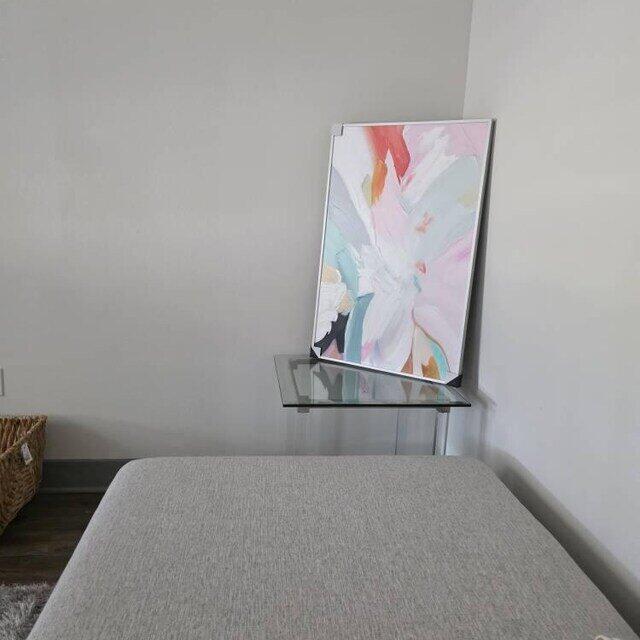
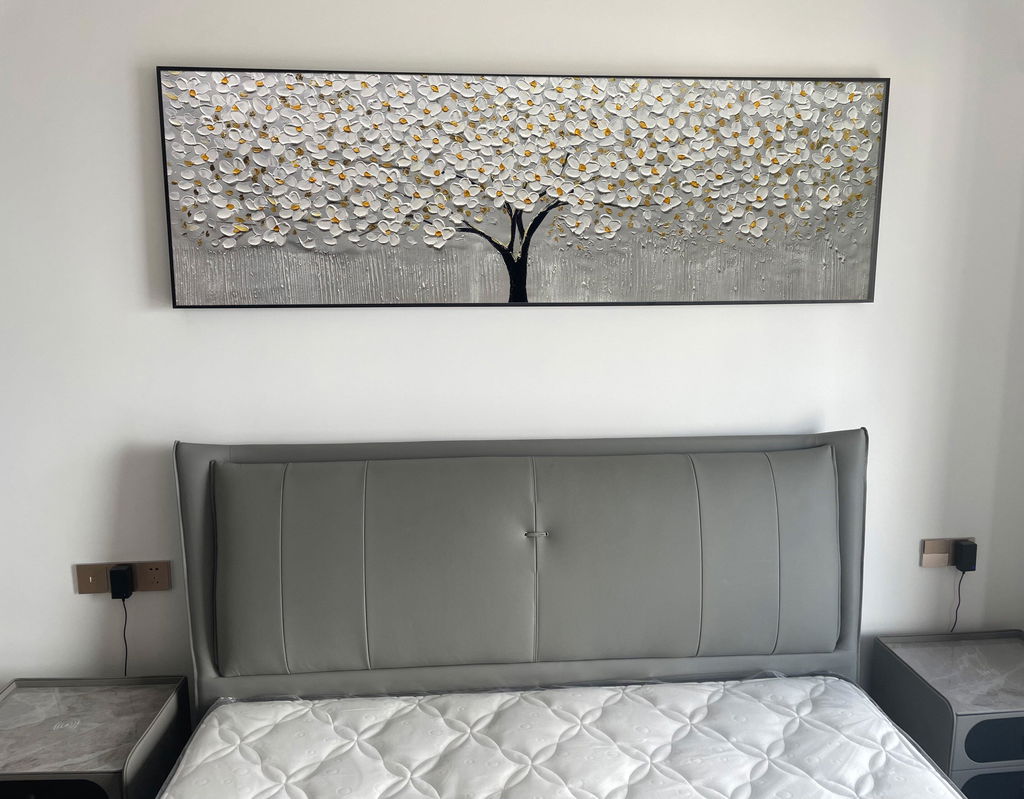
In the bedroom, triptych artwork can be used above the bed to create symmetry and visual calm. Compared to a single large piece, three panels feel lighter and more breathable.
Choosing softer tones and subtle textures helps maintain a relaxed atmosphere, while the segmented layout adds gentle visual interest without feeling too intense.
Hallway — Add Structure to Narrow Spaces
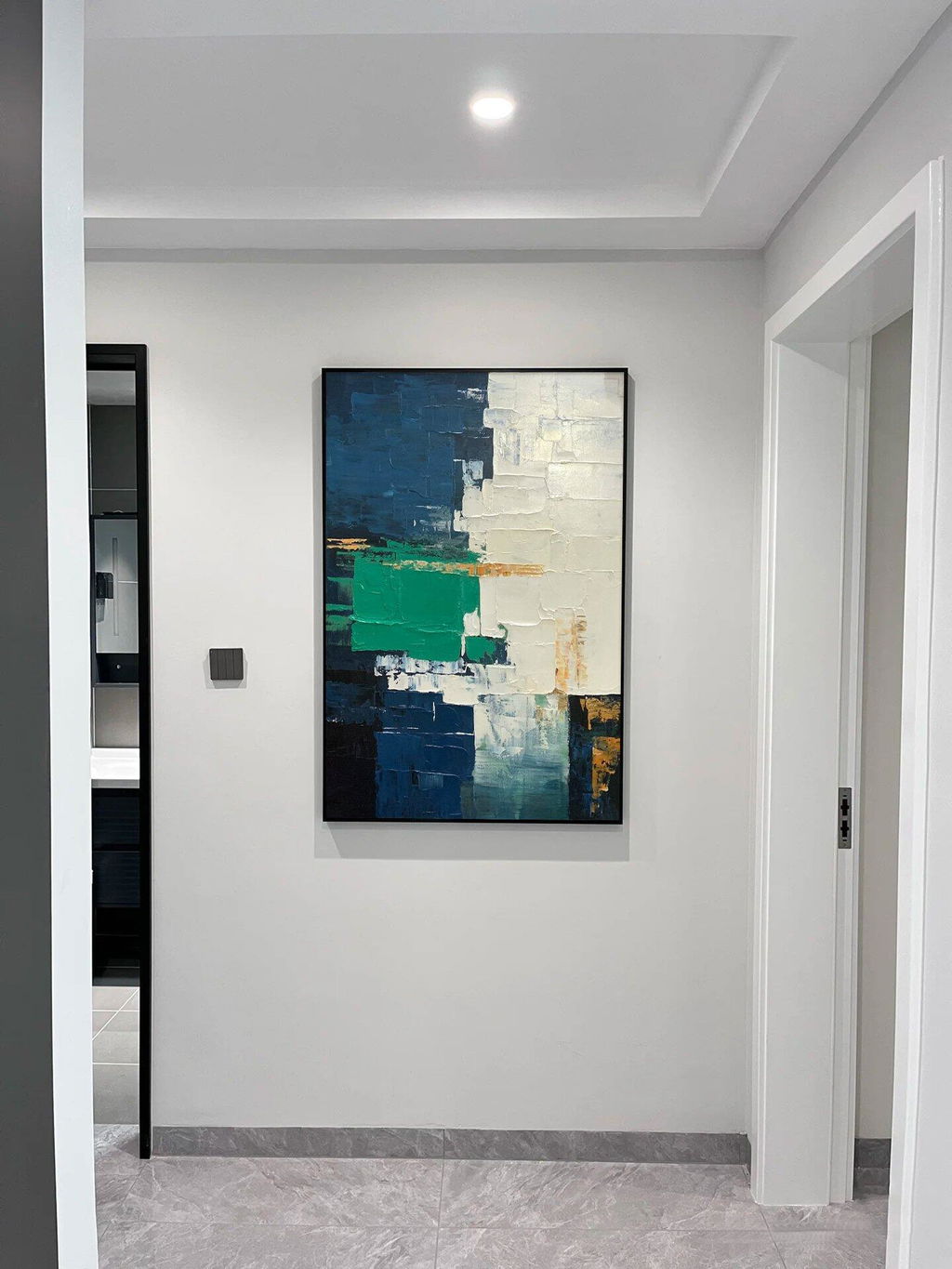
Hallways are often overlooked, but they benefit greatly from structured wall decor. A horizontal triptych can guide the eye along the corridor, making the space feel more intentional and less transitional.
For smaller hallways, consider narrower panels or minimalist compositions to avoid crowding the space.
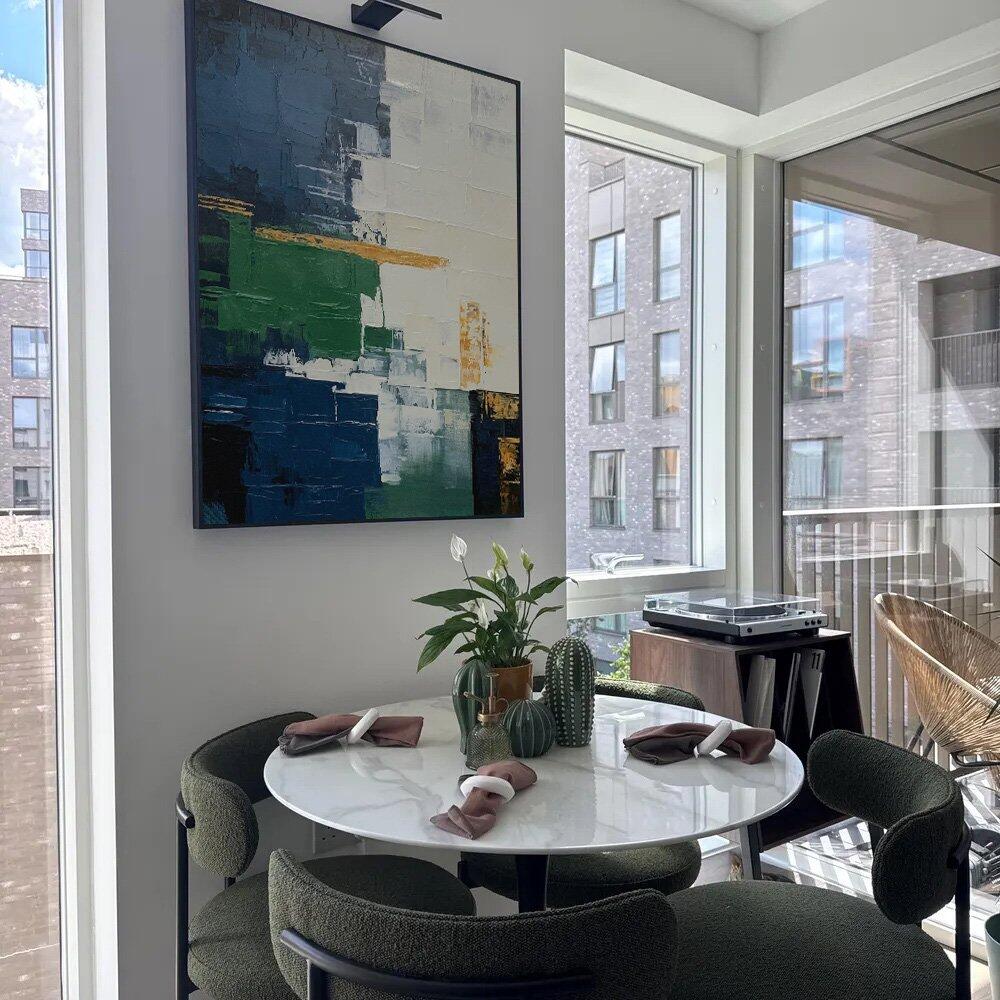
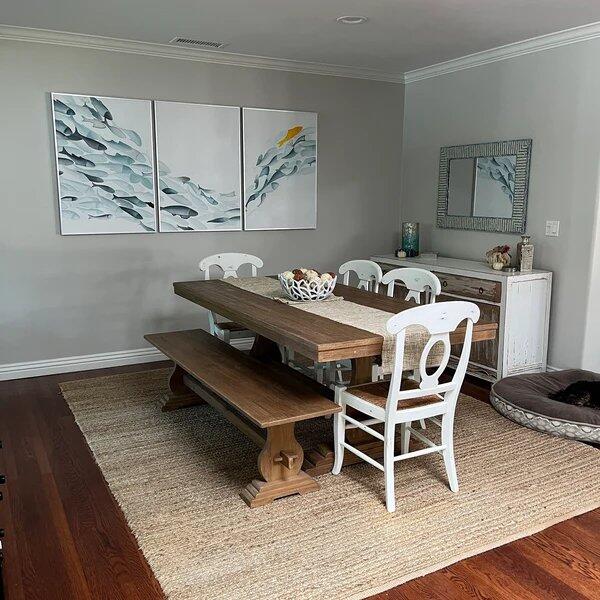
Dining Area — Enhance Atmosphere Without Overpowering
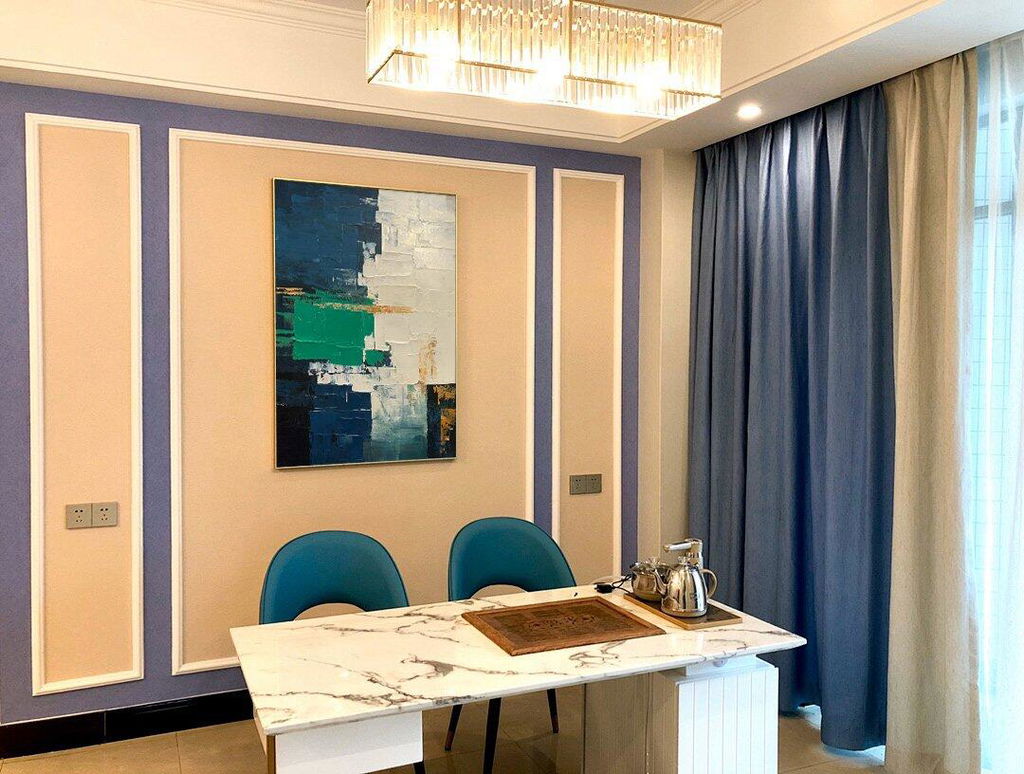
In dining spaces, triptych wall art can add character while maintaining balance. Compared to bold single pieces, three panels distribute visual weight more evenly.
Abstract textures or nature-inspired themes work well here, as they create ambiance without distracting from the dining experience.
Office — Encourage Focus and Creativity
In a workspace, triptych artwork can introduce both structure and inspiration. The segmented format helps break monotony, while cohesive themes maintain a sense of order.
Consider pieces with subtle movement or layered textures to create a more engaging environment without causing distraction.
Conclusion — Why Triptych Art Works So Well
Triptych wall art offers a unique balance between scale, structure, and artistic expression. It expands visual space, introduces rhythm, and allows for deeper storytelling compared to single-panel artwork.
If you're exploring ways to elevate your space with balanced composition and visual depth, triptych hand-painted artwork offers a flexible and thoughtful solution. You can also explore different styles and layouts to find what best fits your home and personal aesthetic.


コメントを残す
このサイトはhCaptchaによって保護されており、hCaptchaプライバシーポリシーおよび利用規約が適用されます。