
Artikel: Wabi-Sabi-konst: Att omfamna imperfektion i moderna interiörer
Wabi-Sabi-konst: Att omfamna imperfektion i moderna interiörer
1. Introduktion: Filosofin bakom Wabi-Sabi
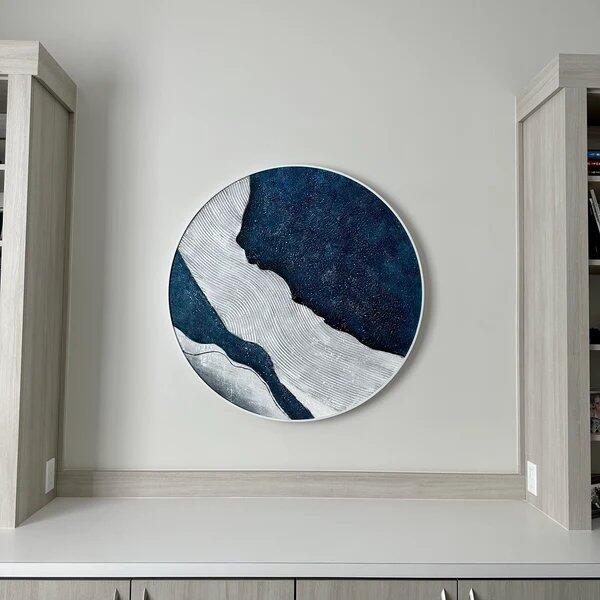
Wabi-Sabi är en traditionell japansk estetik som hyllar imperfektion, förgänglighet och äkthet. Istället för att söka felfri symmetri framhäver Wabi-Sabi-konst organiska texturer, asymmetri och naturliga färgtoner, vilket skapar en känsla av lugn och medvetenhet i inredningar.
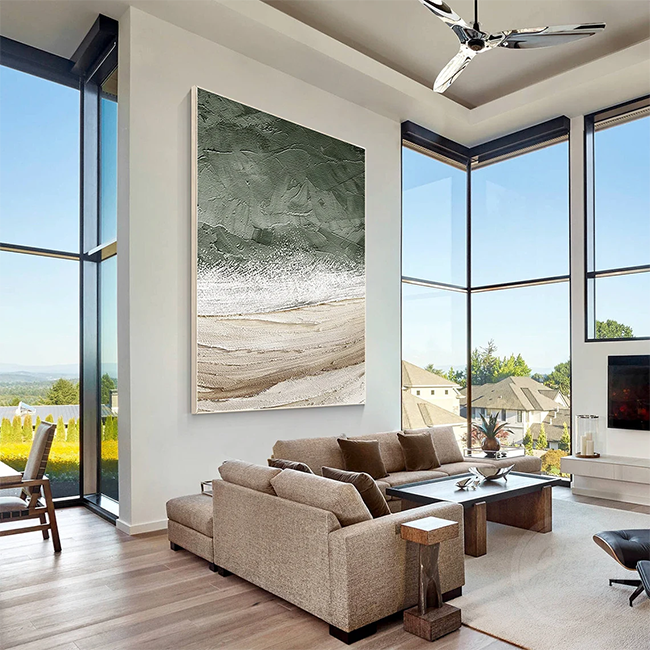
I sammanhanget modern heminredning värderas Wabi-Sabi-konst för sin handgjorda, originella känsla, vilket gör den idealisk för stora vardagsrumsväggar, kontor och minimalistiska utrymmen.

2. Wabi-Sabi-konst: Nyckelelement och karaktärsdrag
Moderna Wabi-Sabi-konstverk delar ofta dessa egenskaper:
-
Organiska material & texturer: Trä, lera, naturliga fibrer och lager av färg skapar taktil djup.
-
Asymmetri & oregelbundenhet: Ofullkomliga former och kompositioner väcker äkthet.
-
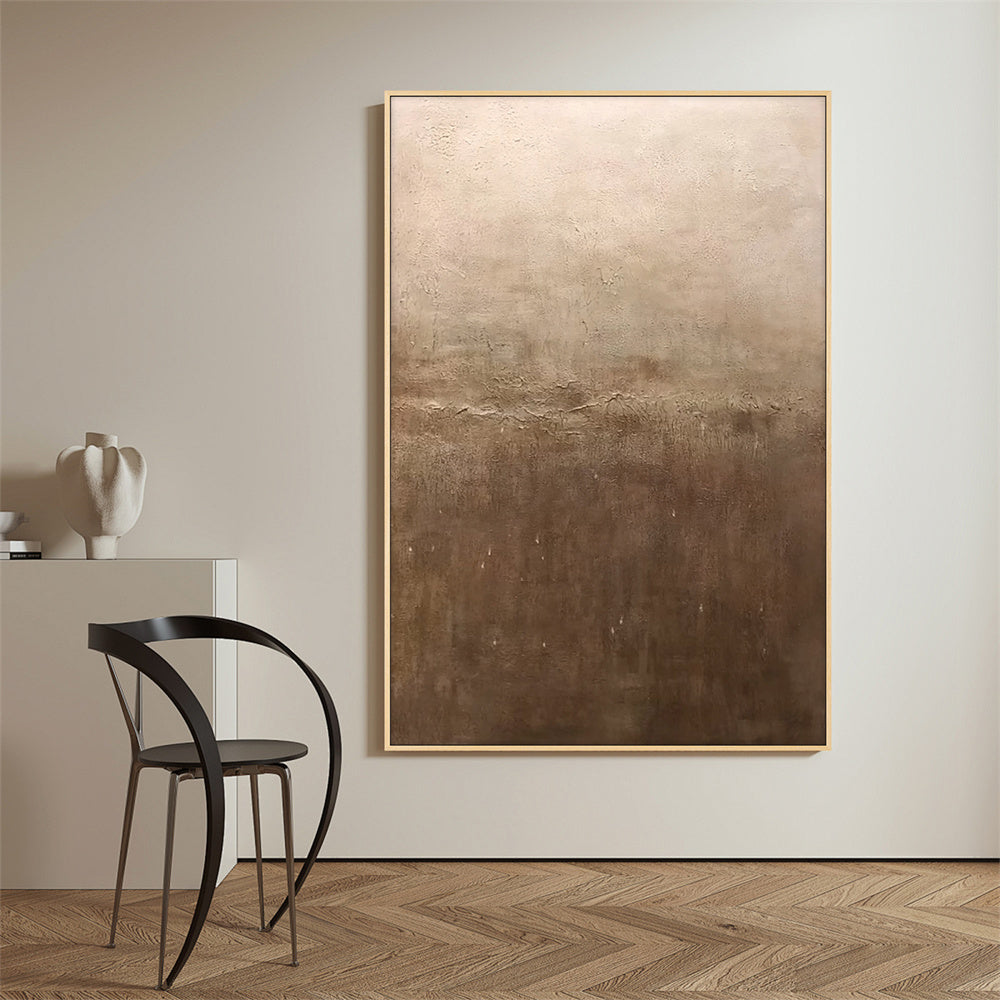
Jordnära & dämpade färger: Kräm, beige, mjuk grå, dämpade gröna och naturliga bruna dominerar paletterna.
-
Minimalistisk design: Fokus på utrymme, enkelhet och vikt vid väsentliga element.
-
Subtila imperfektioner: Sprickor, ojämna kanter och ojämna ytor framhävs medvetet.

3. Ursprung och modern popularitet
-
Historiska rötter: Wabi-Sabi härstammar från Zenbuddhism och traditionell japansk kultur, särskilt i teceremonier och keramik.
-
Modern påverkan: I samtida interiörer har Wabi-Sabi påverkat abstrakt texturmålning, minimalistisk väggdekoration och jordnära färgpaletter.
Källor:
Leonard Koren, Wabi-Sabi for Artists, Designers, Poets & Philosophers, 1994.
Juniper, A., Wabi Sabi: The Japanese Art of Imperfection, Tuttle Publishing, 2003.
Elle Decor, “The Rise of Wabi-Sabi Interiors,” 2026.
Wallpaper.com, “Color and Texture Trends for 2026,” 2026.
Designtrenderna för 2026 lyfter fram mjuka neutrala färger, taktila texturer och naturliga material som de främsta inredningsestetikerna—vilket förklarar varför Wabi-Sabi-konst är trendig globalt.

4. Hur du införlivar Wabi-Sabi-konst i ditt hem
-
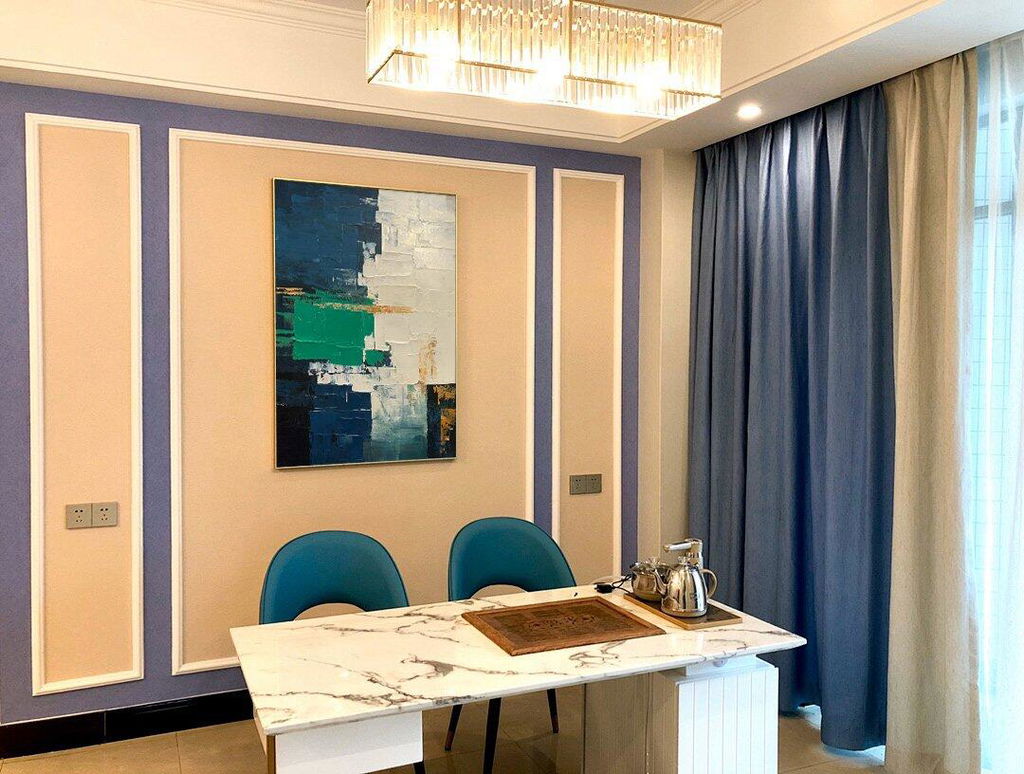
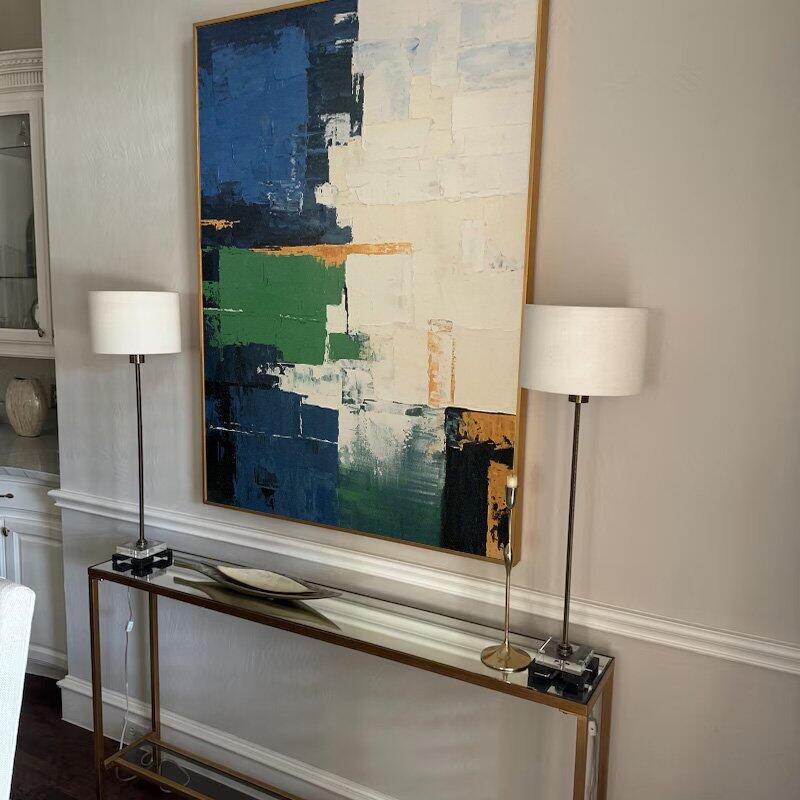
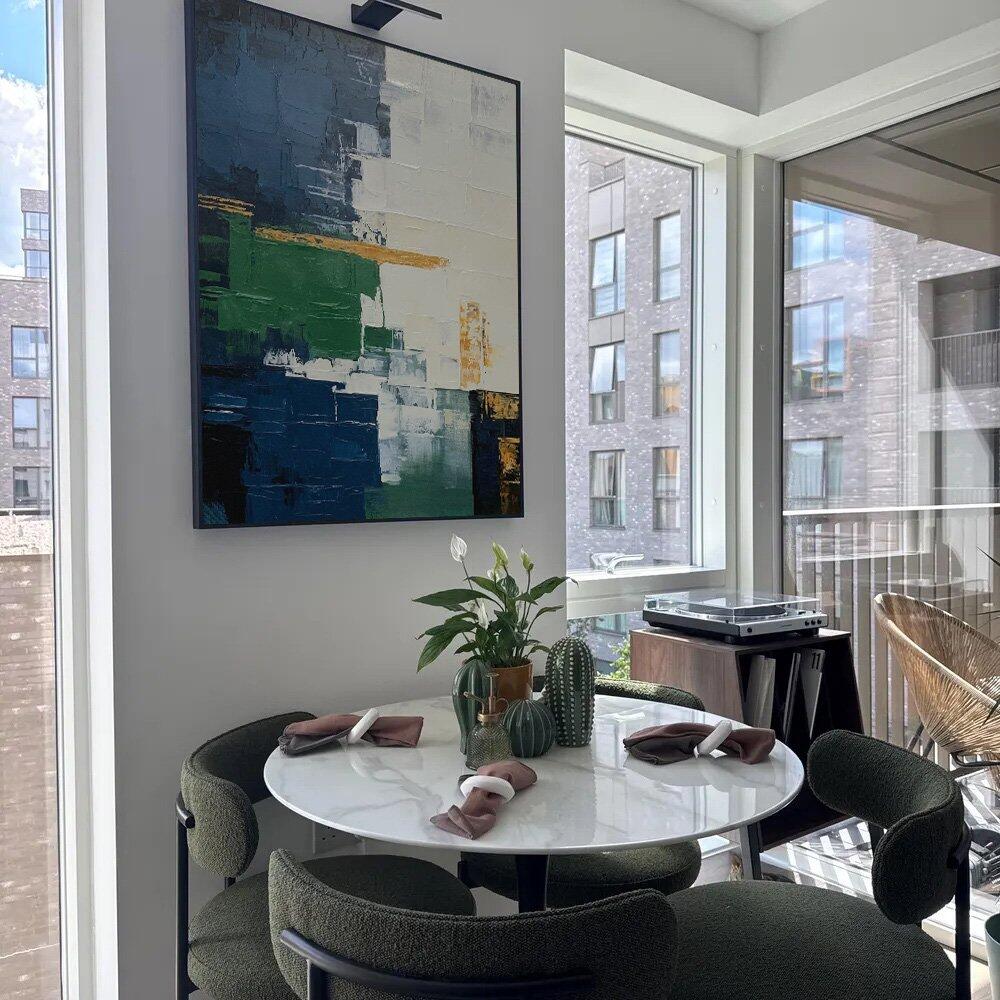
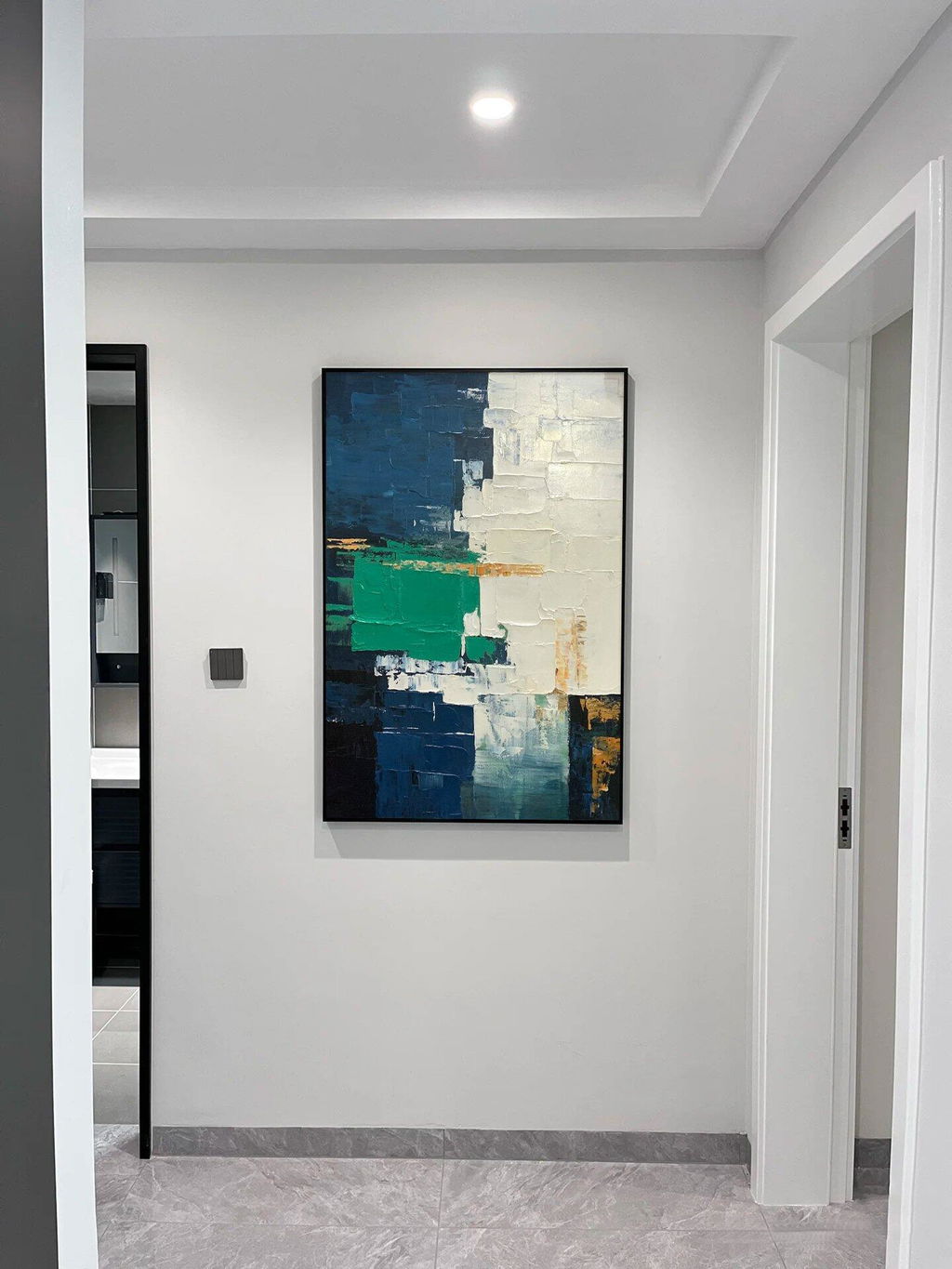
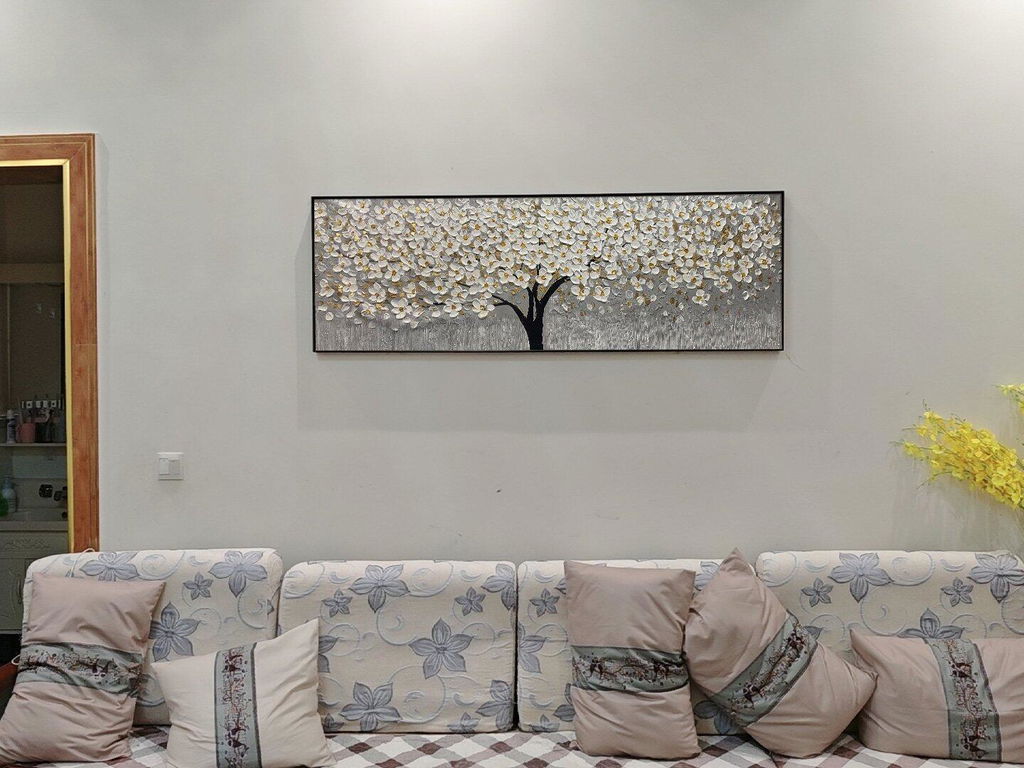
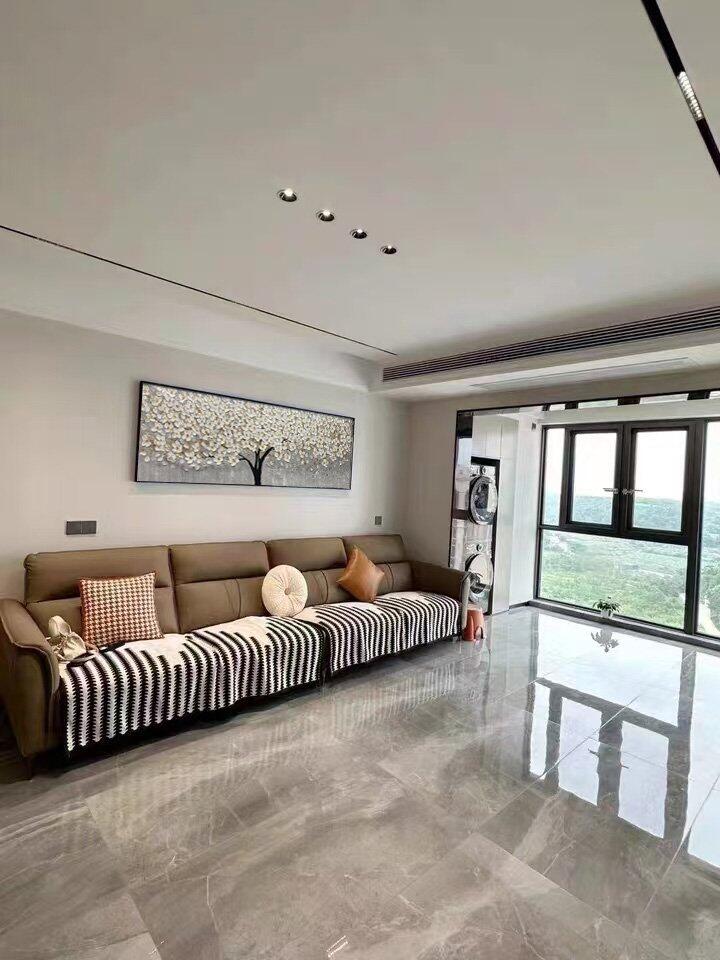
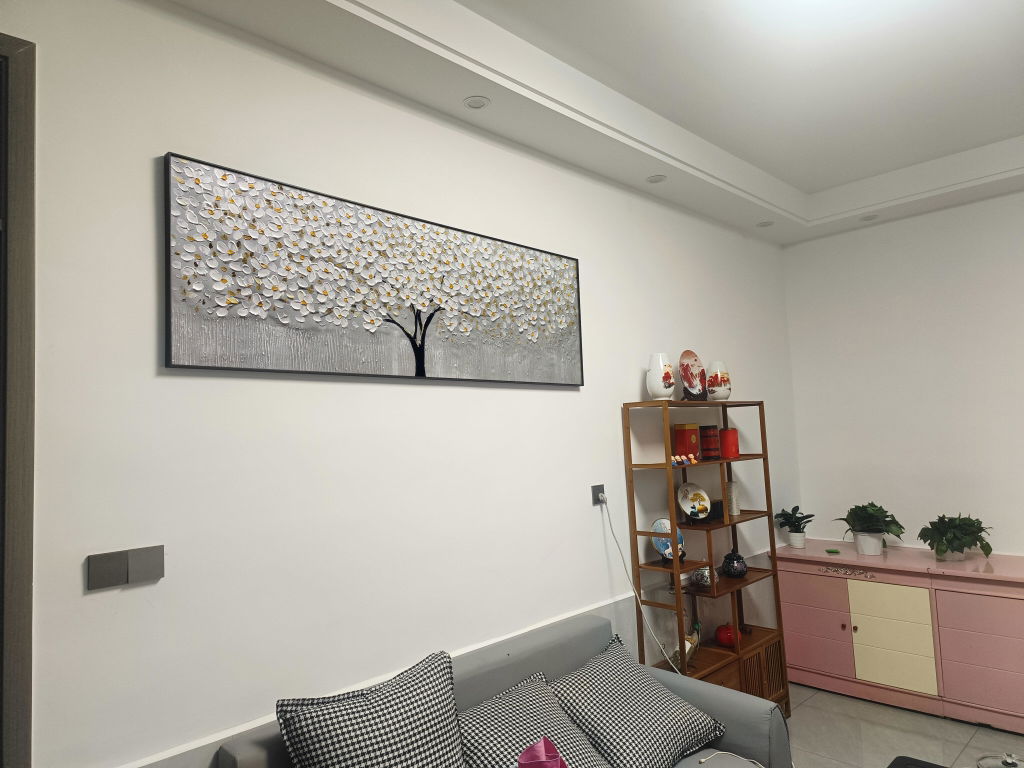
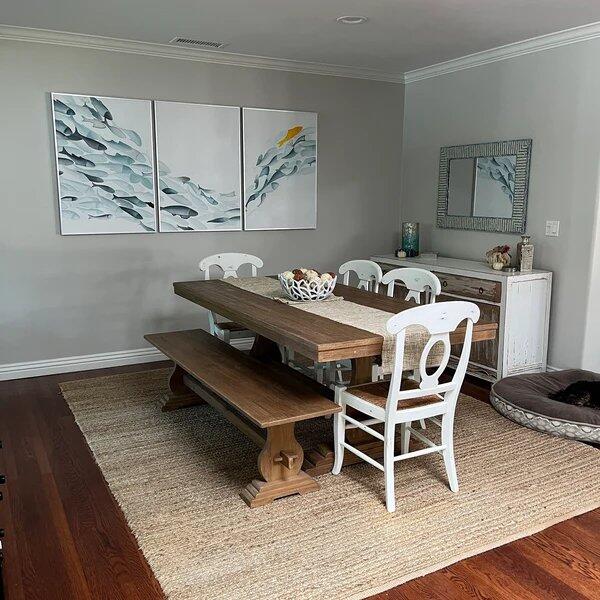
Vardagsrum: Stora texturerade dukar i mjuka neutrala toner fungerar som lugnande fokuspunkter.
-
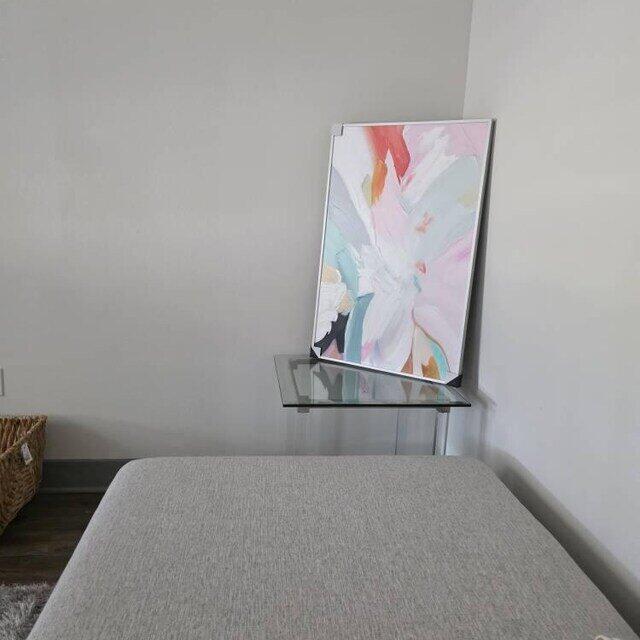
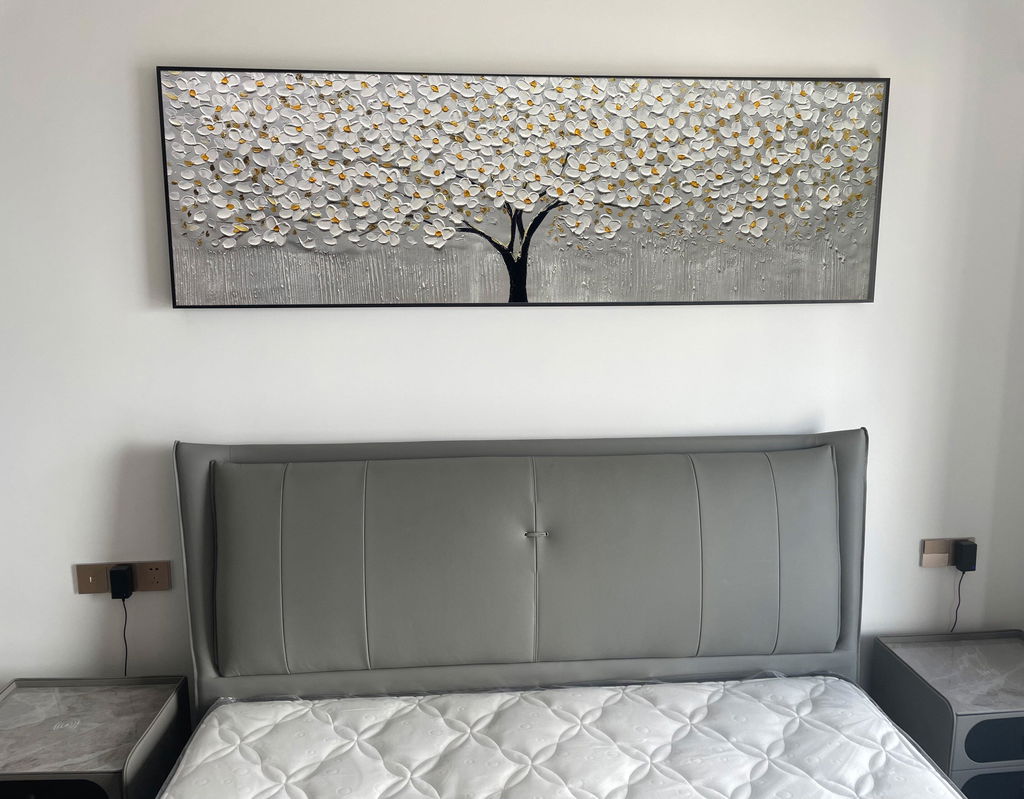
Sovrum: Subtila handmålade abstrakta Wabi-Sabi-verk tillför värme och lugn.
-
Kontor / Studior: Originalkonstverk inspirerar till medveten närvaro samtidigt som de höjer arbetsplatsens estetik.
-
Stylingtips: Kombinera Wabi-Sabi-konst med minimalistiska möbler, naturligt ljus och jordnära inredningselement för maximal effekt.

5. Wabi-Sabi i samtida Inredningsdesign
Moderna formgivare integrerar Wabi-Sabi-principer i:
-
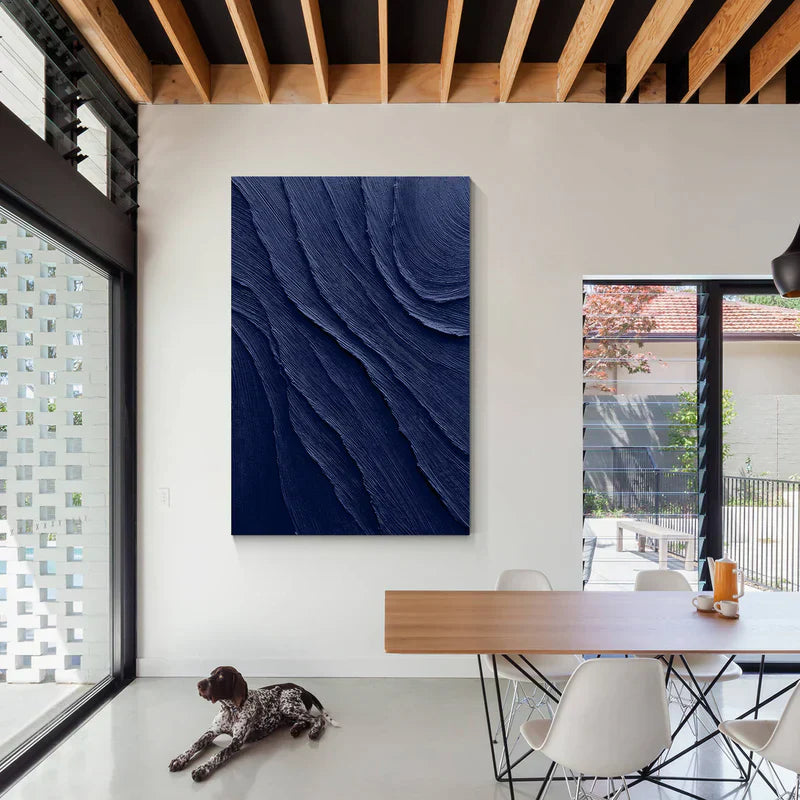
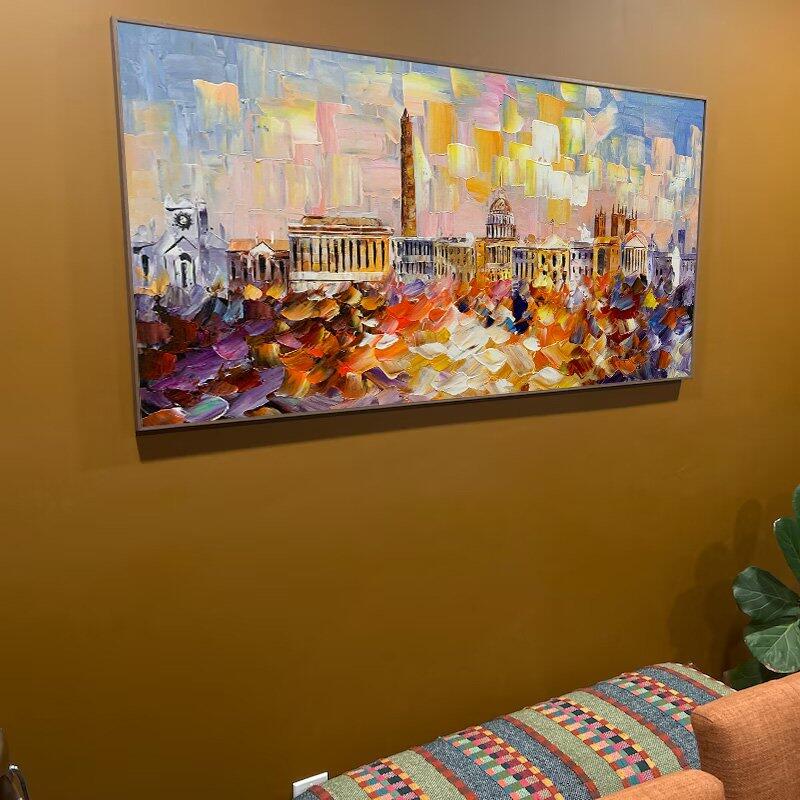
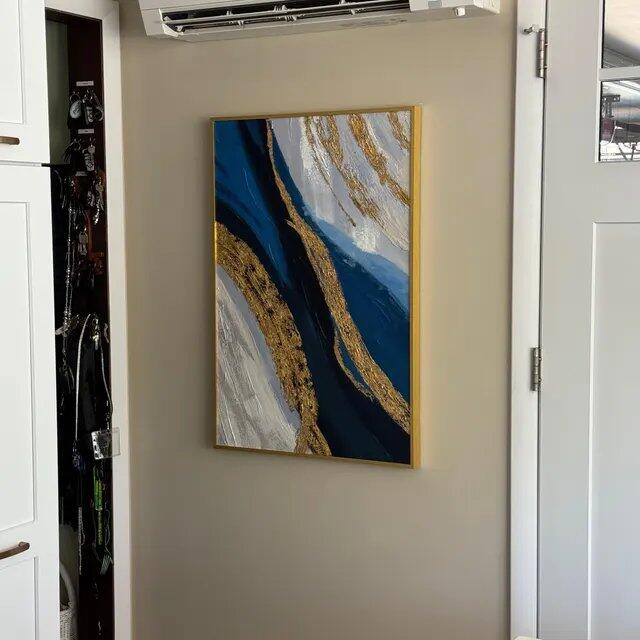
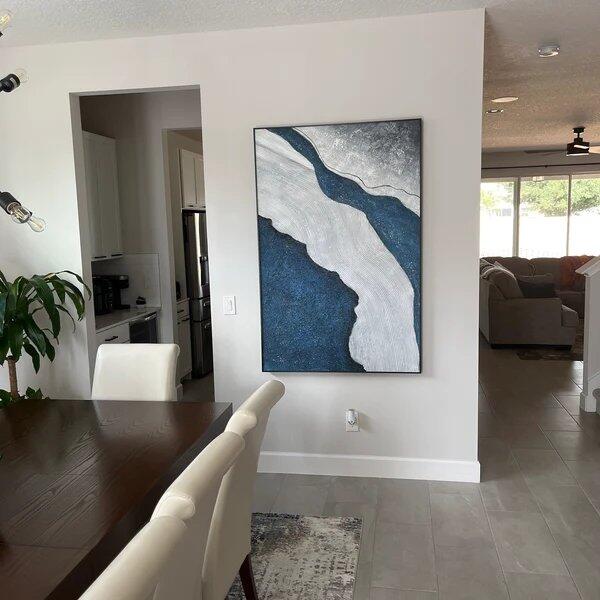
3D-texturerad väggkonst: Lager av penseldrag för taktila, dynamiska ytor.
-
Neutral minimalism: Krämvita, dämpade grå och mjuka jordtoner dominerar stora väggstycken.
-
Abstrakta former: Flytande, organiska former som inbjuder till eftertanke.
-
Hållbara och handgjorda material: Stämmer överens med det växande globala intresset för ekomedveten, hantverksmässig inredning.

6. Referenser och källor
-
Koren, Leonard. Wabi-Sabi for Artists, Designers, Poets & Philosophers. Stone Bridge Press, 1994.
-
Juniper, A. Wabi Sabi: The Japanese Art of Imperfection. Tuttle Publishing, 2003.
-
Elle Decor. ”Wabi-Sabis interiörers uppgång.” 2026.
-
Wallpaper.com. ”Färg- och texturtrender för 2026 års vardagsrumsinredning.” 2026.
-
Toby, A. The Japanese Art of Impermanence. Tokyo Press, 2019.
Wabi-Sabi-konst hyllar imperfektion, äkthet och naturlig skönhet. Handmålad och texturerad, förvandlar Wabi-Sabi väggkonst moderna interiörer med lugn, värme och handgjord elegans. Perfekt för stora vardagsrum, sovrum eller kontor, speglar dessa konstverk medveten närvaro, tidlös konstnärlighet och samtida designtrender i Ridyart







Lämna en kommentar
Denna webbplats är skyddad av hCaptcha och hCaptchas integritetspolicy . Användarvillkor gäller.