


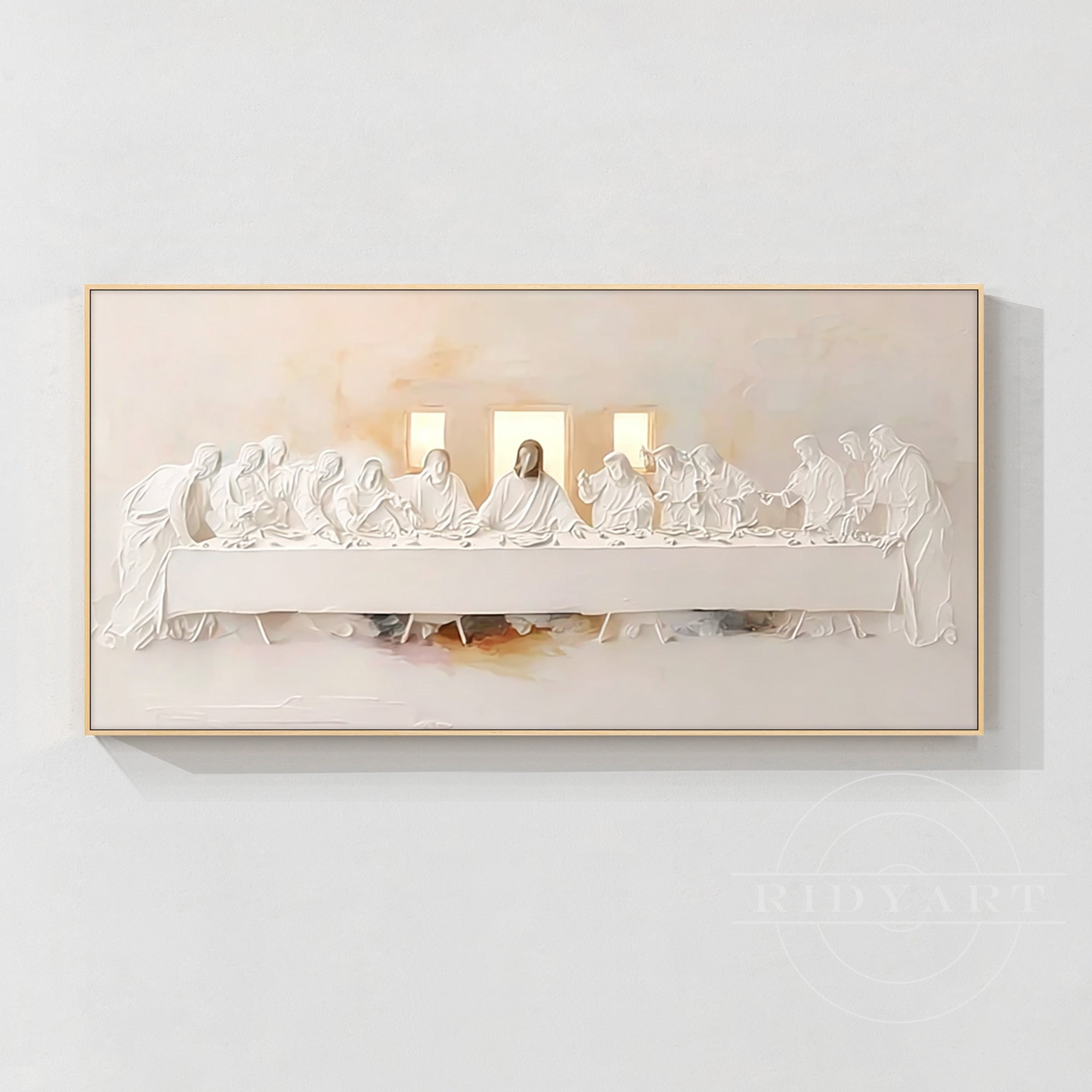
The Last Supper: The Story, Symbolism, and Meaning Behind a Timeless Masterpiece
Few religious artworks are as recognizable as The Last Supper. For centuries, this powerful scene has inspired artists, collectors, and interior designers around the world.
But what makes this biblical moment such an enduring subject in art?

What Is The Last Supper?
The Last Supper depicts the final meal Jesus shared with his twelve apostles before his crucifixion. According to the Christian Gospels, Jesus told his disciples that one of them would betray him.
This dramatic moment creates a scene filled with emotion, movement, and symbolism—making it an especially powerful subject for artists.
Leonardo da Vinci's Famous Interpretation
The most famous version was painted by Leonardo da Vinci in the late 15th century in Milan, Italy.
Rather than showing a quiet meal, Leonardo captured the moment immediately after Jesus announced that one of the disciples would betray him. The apostles react with surprise, confusion, and emotion, while Jesus remains the central focus of the composition.
The arrangement draws the viewer's attention toward Jesus and creates a strong sense of balance and perspective.

The Symbolism Behind the Painting
The Last Supper contains many symbolic elements. Jesus is positioned at the center, creating the visual and spiritual focus of the scene.
The table, architecture, gestures, and arrangement of the figures all contribute to the storytelling. Each apostle has a distinct reaction, giving the painting a sense of movement and human emotion.
This combination of religious meaning, storytelling, composition, and symbolism is one reason the subject has remained important in Western art.
Why The Last Supper Still Inspires Modern Art
Although the original scene dates back centuries, The Last Supper continues to appear in paintings, prints, sculptures, and contemporary wall art.
Modern artists can reinterpret the traditional composition through different colors, textures, materials, and artistic techniques while preserving the recognizable story.
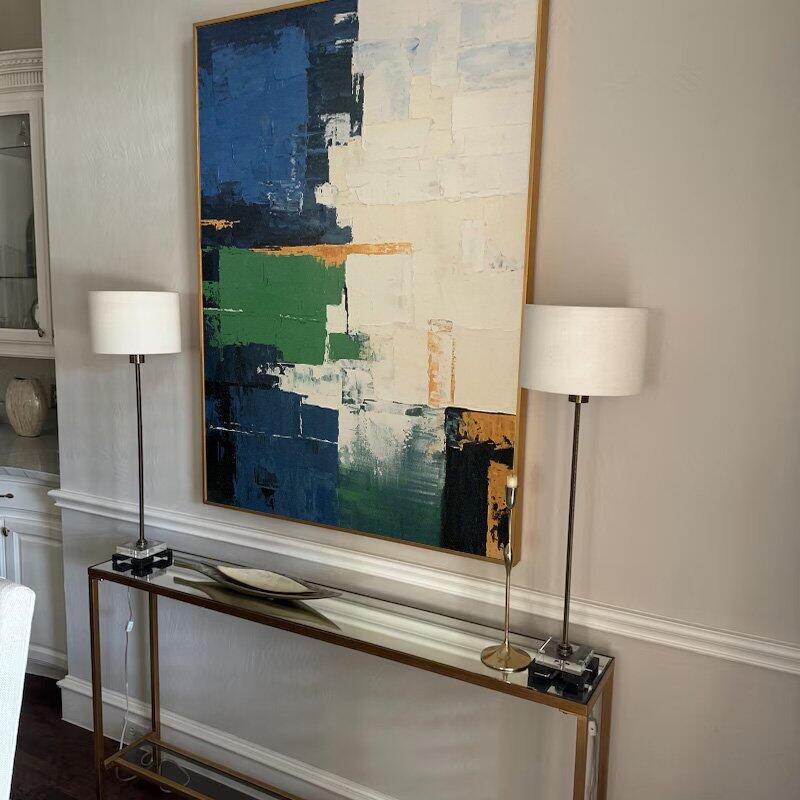
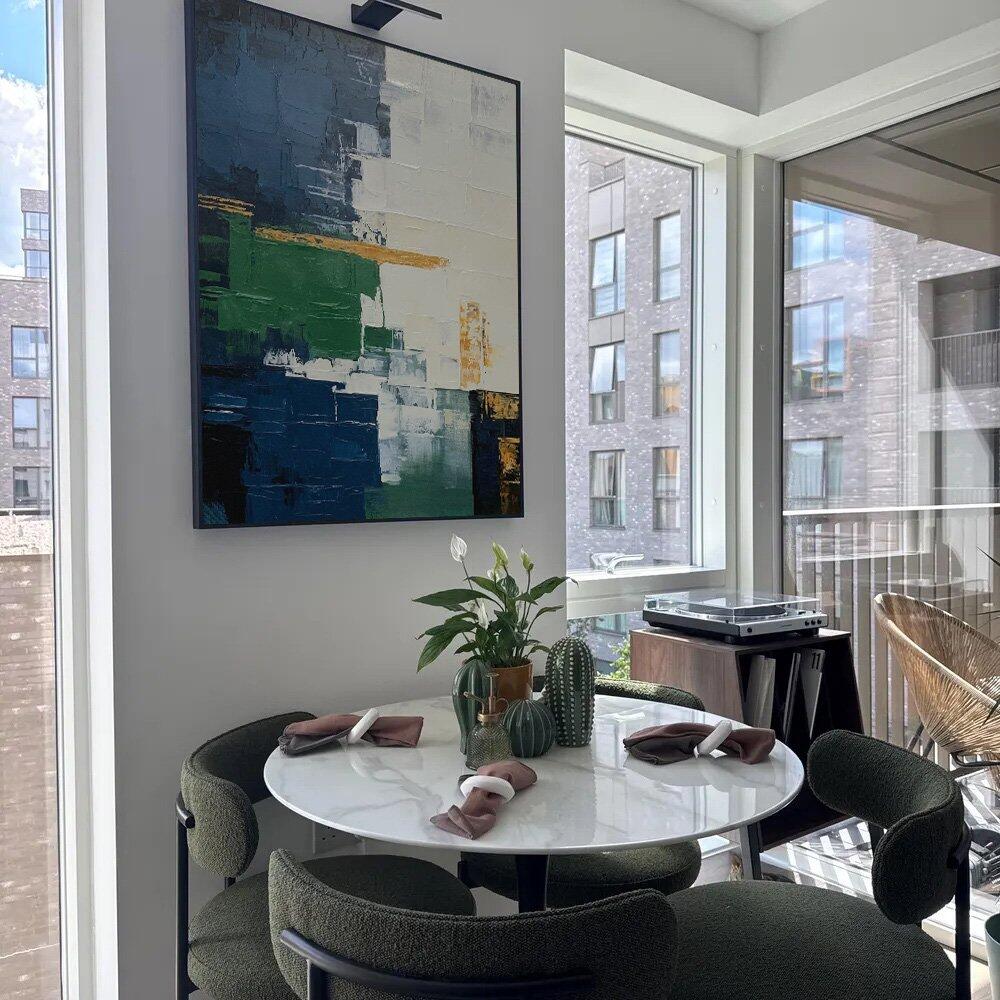
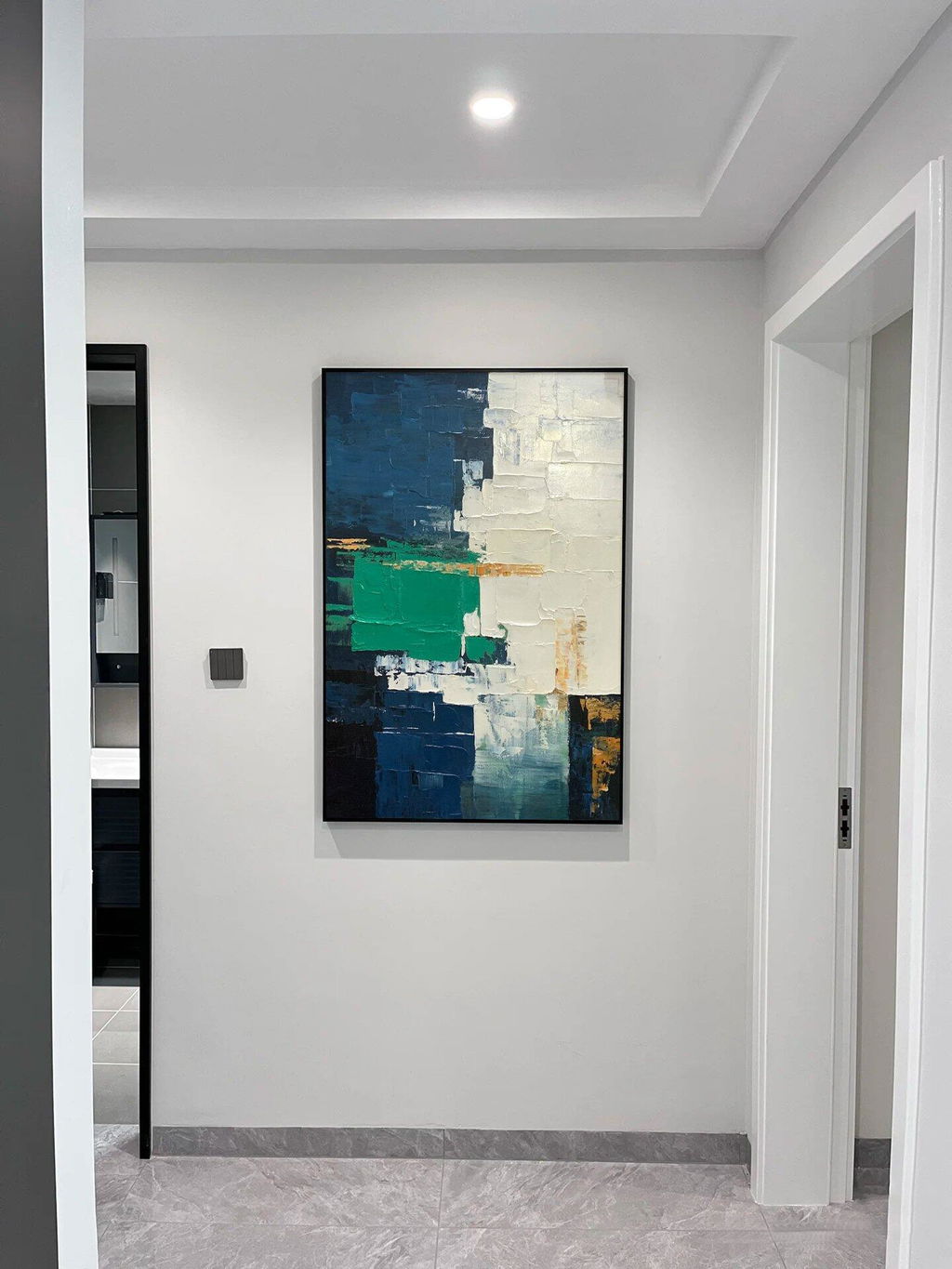
A textured or hand-painted interpretation can bring additional depth to the figures and architectural details, making the artwork especially striking as a large wall piece.

The Last Supper as Wall Art
For homes, offices, dining rooms, or spaces with a traditional or contemporary aesthetic, The Last Supper can serve as more than decoration.
It can become a conversation piece, connecting the room with centuries of art history and storytelling.
Whether you are drawn to its religious significance, historical importance, or simply its dramatic composition, The Last Supper remains a meaningful and timeless subject for art lovers.
A Timeless Story on Your Wall
The enduring appeal of The Last Supper comes from its ability to combine history, faith, emotion, and artistic storytelling in a single scene.
Today, contemporary interpretations allow this iconic subject to become part of modern homes while preserving the character and meaning that have made it famous for generations.









Leave a comment
This site is protected by hCaptcha and the hCaptcha Privacy Policy and Terms of Service apply.