

Japandi & Wabi Sabi Interior Movement
Natural Simplicity & Mindful Living
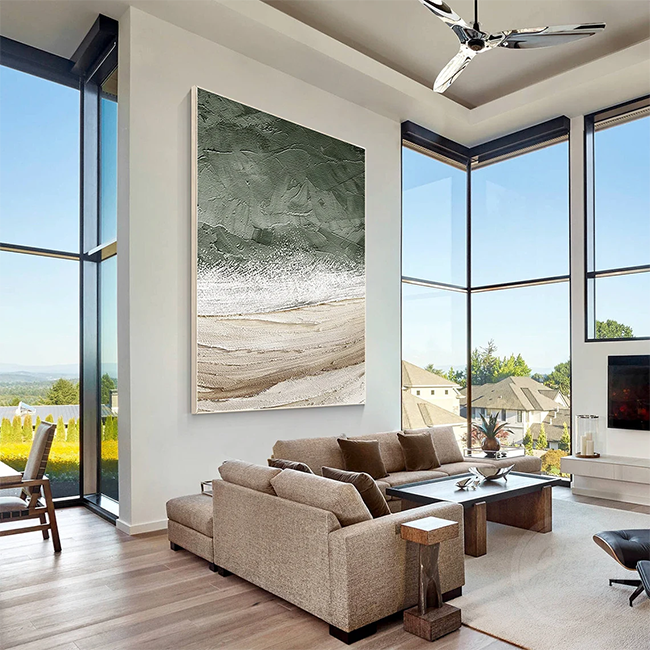
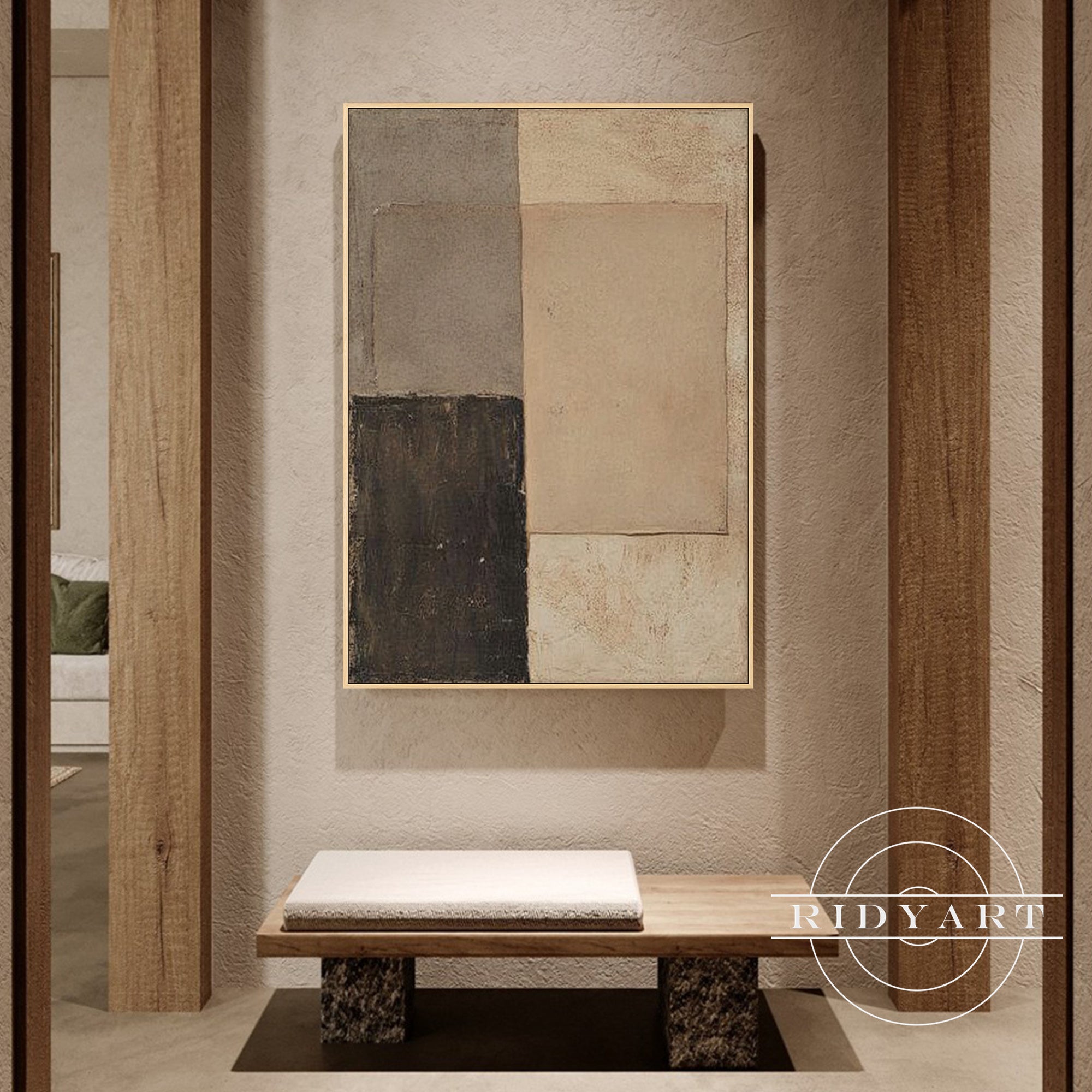
Wabi Sabi design continues to grow globally as homeowners seek calmer, more meaningful interiors. Inspired by Japanese aesthetics, this style focuses on simplicity, natural materials, handmade details, and the beauty of imperfection.
Textured artwork with organic shapes and earthy colors has become a key element in creating peaceful, wellness-focused living spaces.
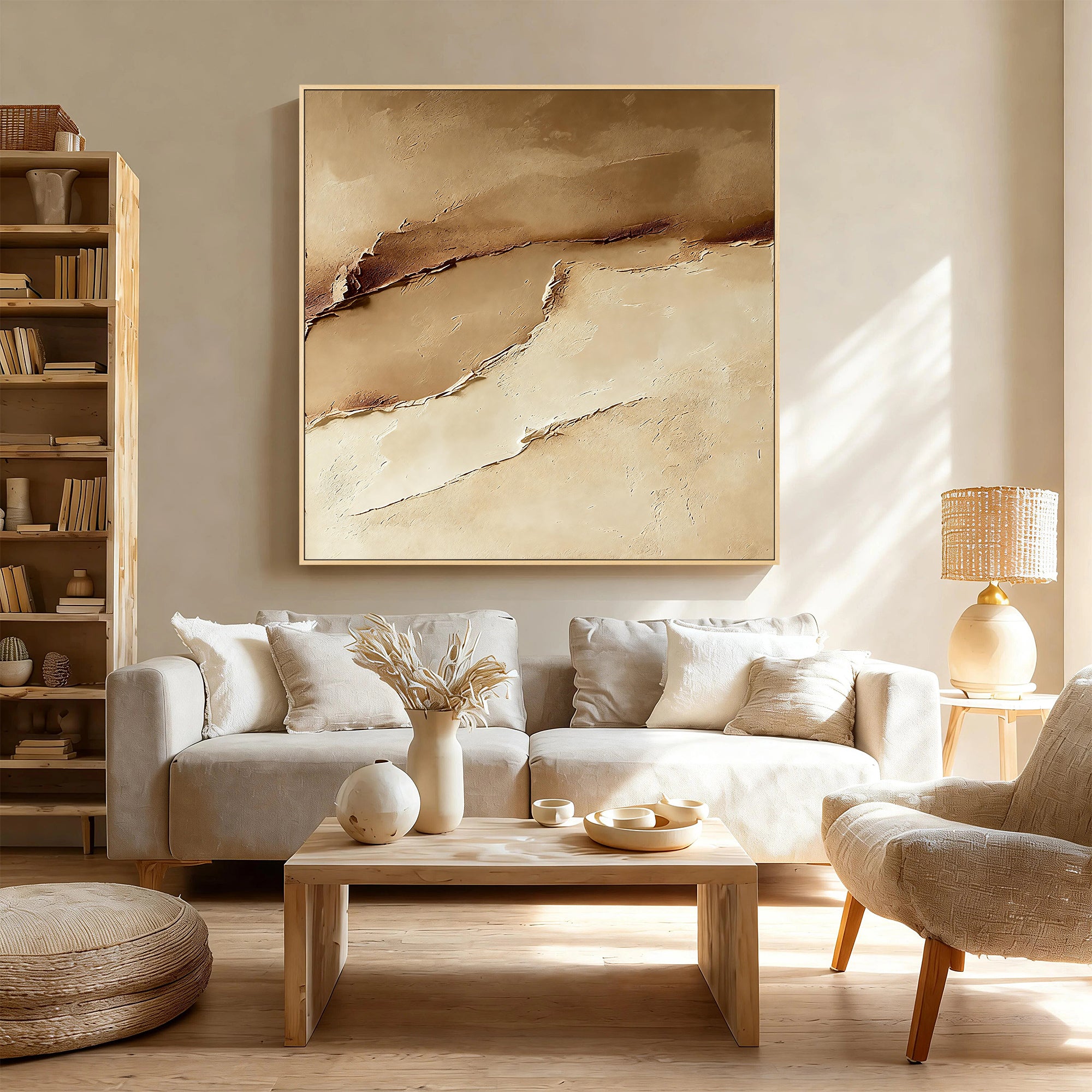
Earth Tone Abstract Art
Simplicity, texture, and natural harmony
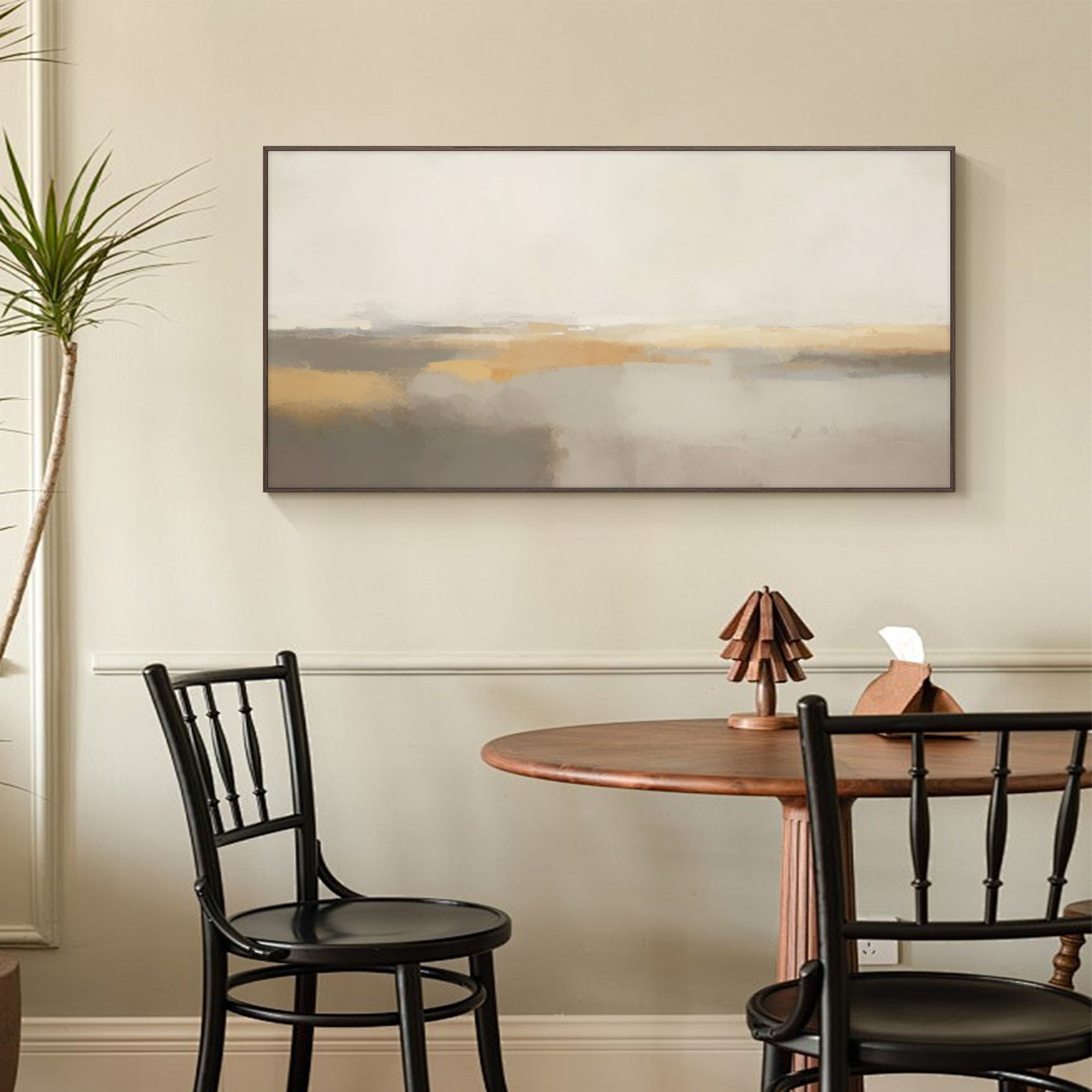
Minimalist Abstract paingting

Textured Wall Art
Pinterest Home Design Trends 2026
Organic & Handmade Wall Decor
Pinterest trend insights show increasing interest in natural textures, handcrafted home accessories, and warm minimalist interiors.
Wabi Sabi wall art fits this movement perfectly, bringing visible brushstrokes, layered surfaces, and authentic handmade character into modern homes.
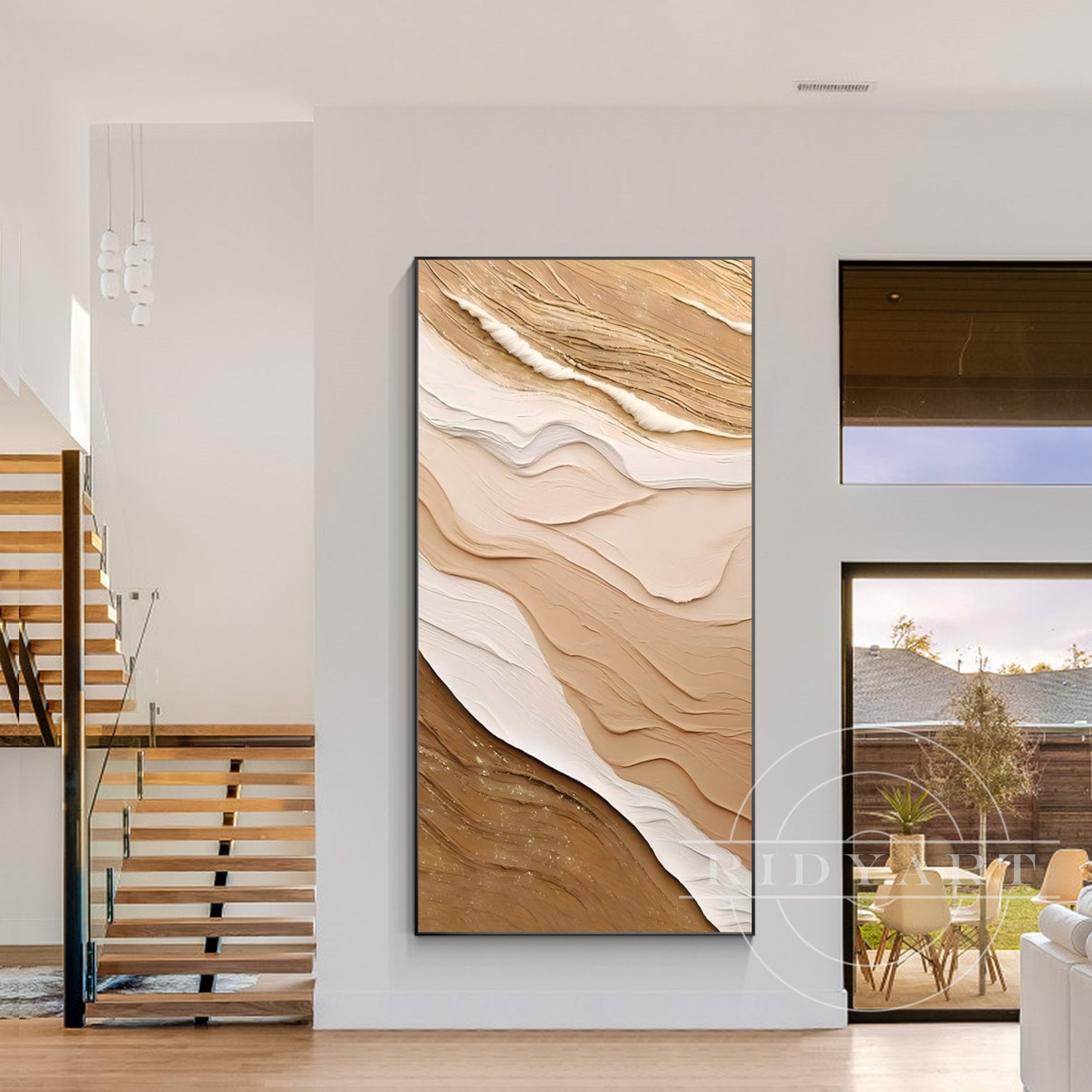
Ocean Wall Art
Warm tones and soothing ocean views
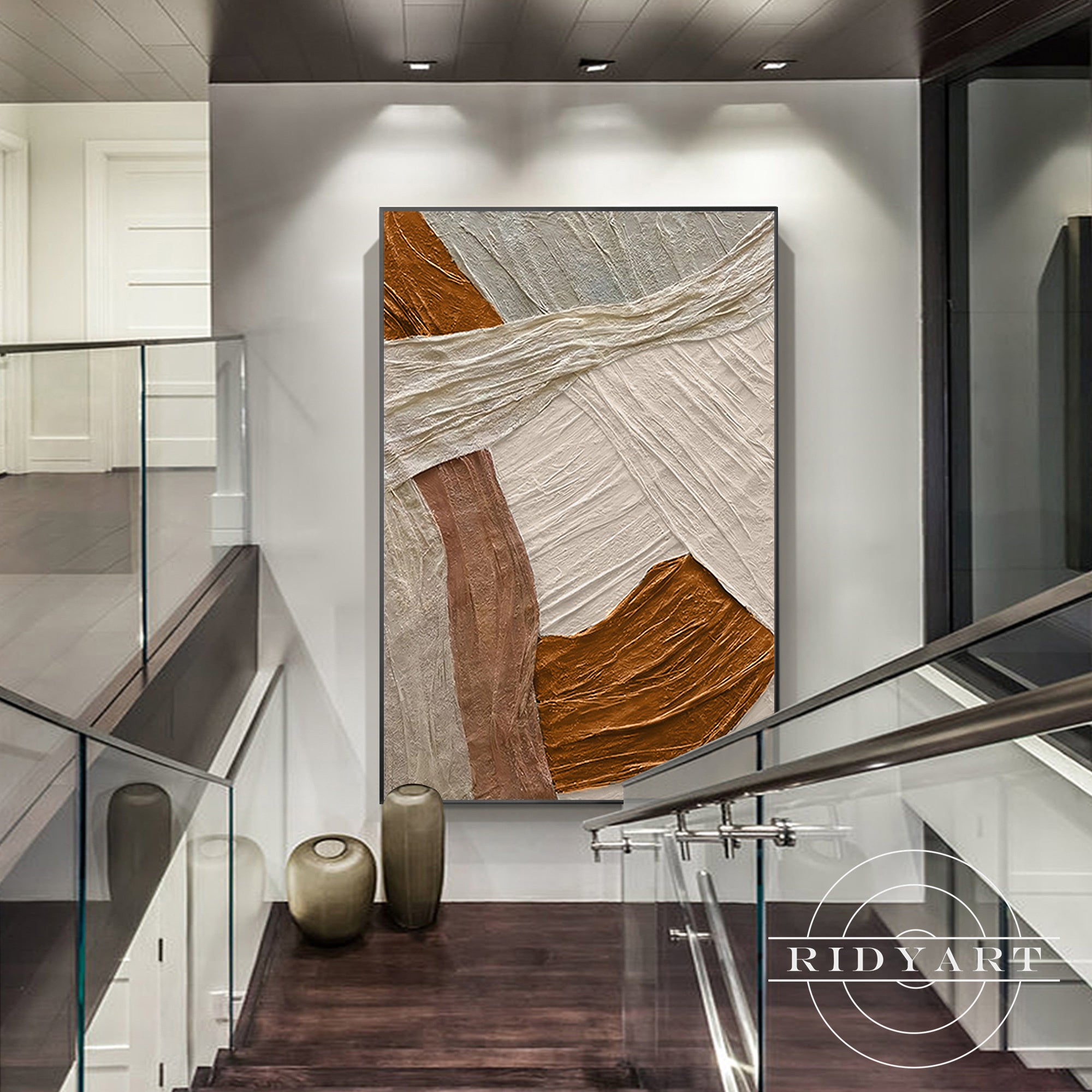
Textured Wall Art
Unique handmade character
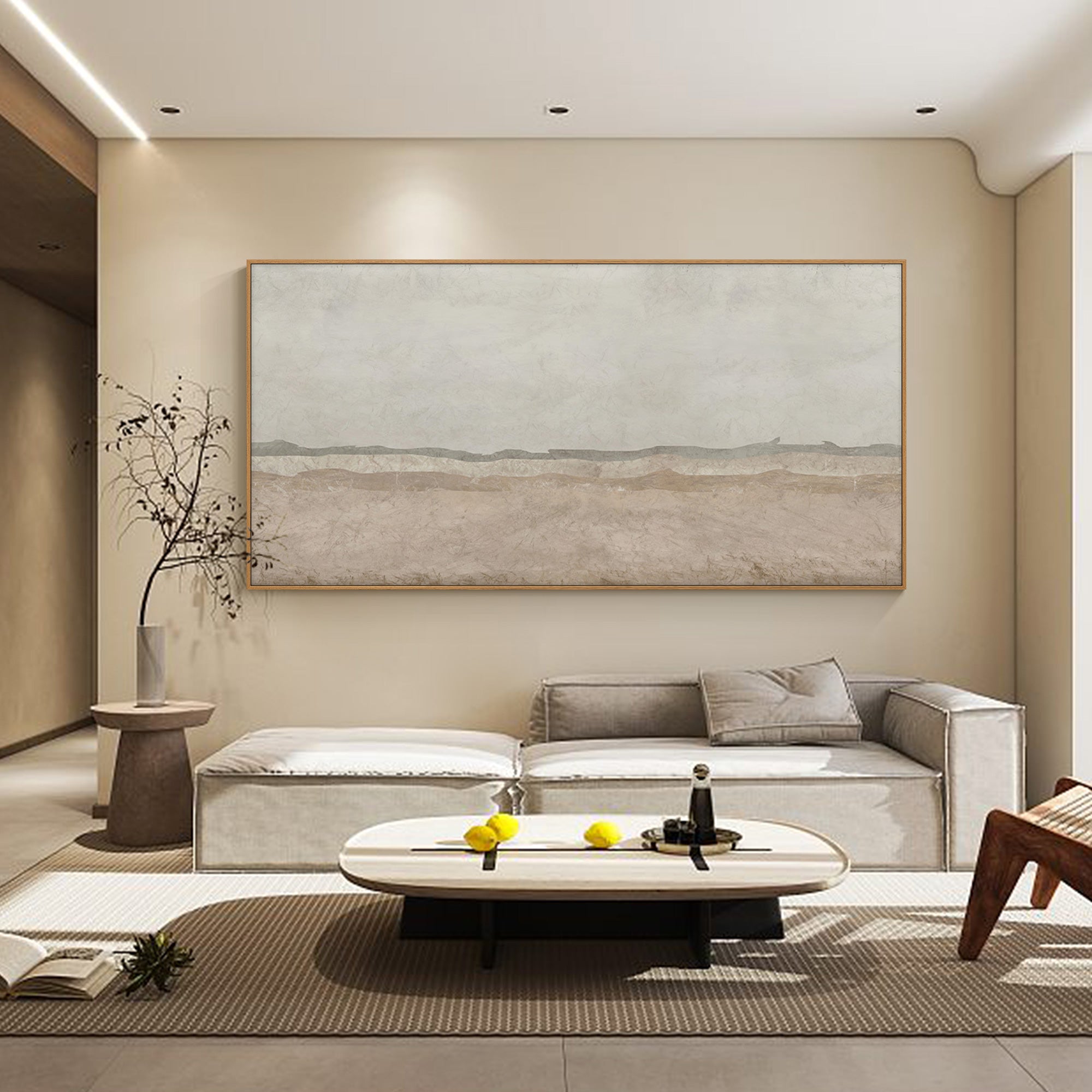
Minimalist Wall Art
Quiet aesthetics and organic beauty
Architectural Digest (AD PRO) Interior Forecast
Quiet Luxury & Material-Focused Design
Architectural Digest highlights the continued popularity of quiet luxury interiors, where quality materials, craftsmanship, and subtle details replace excessive decoration.
Wabi Sabi artwork reflects this approach through neutral tones, natural textures, and carefully crafted surfaces that add depth without overwhelming a room.
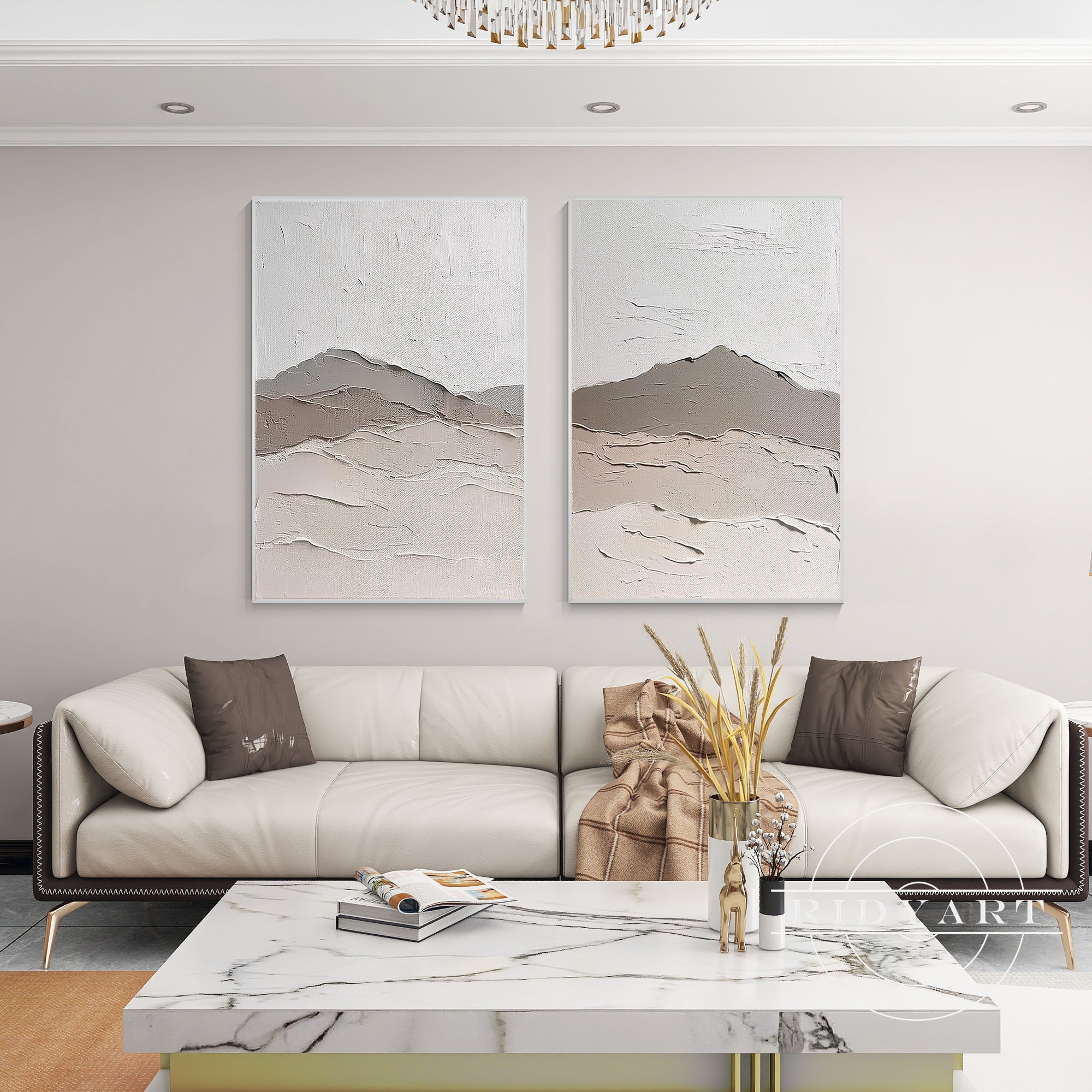
Mountain Wall Art
Simple colors and peaceful spaces

Minimal Line Art
Clean lines and simple elegance
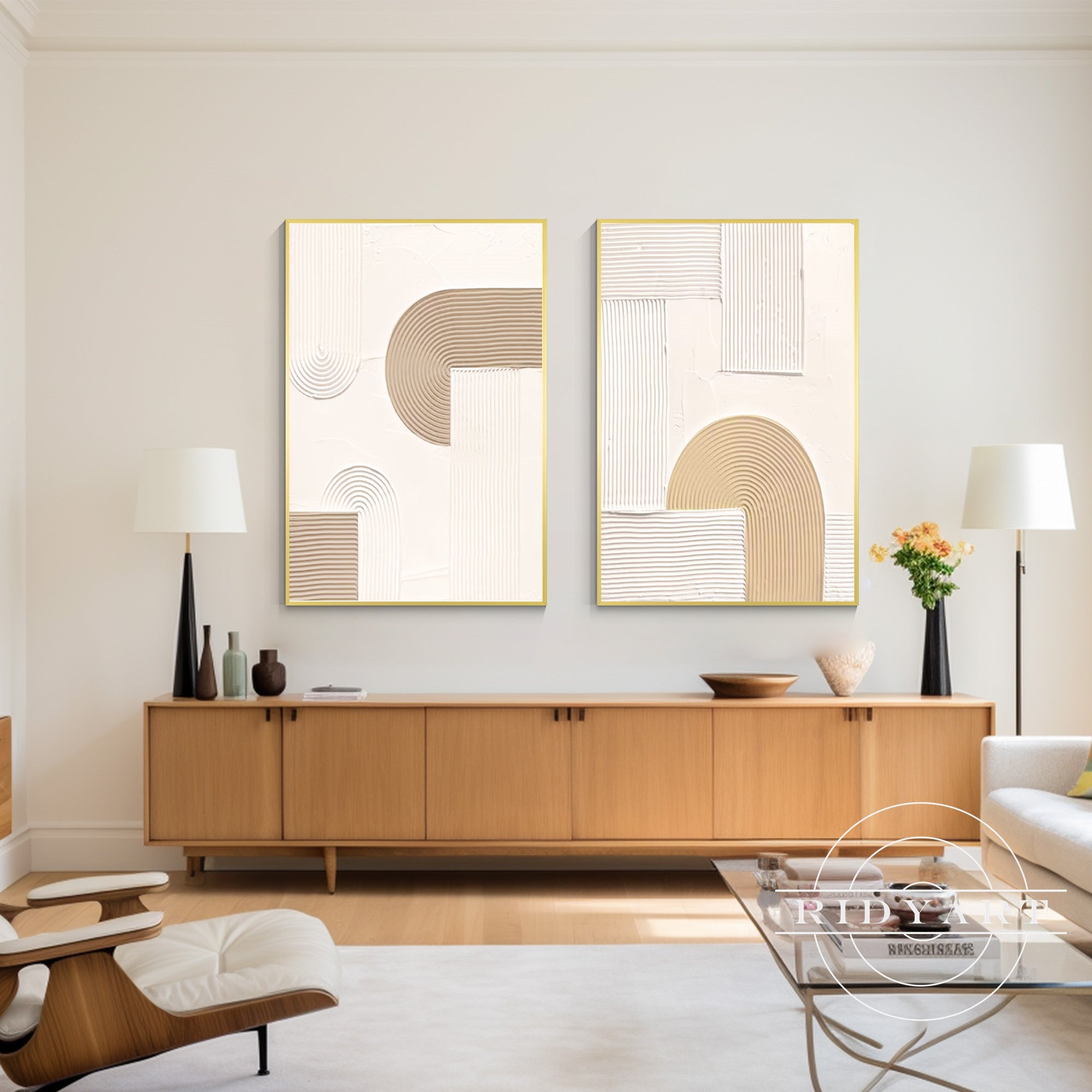
Geometric Wall Art
Contemporary lines,creative expression
Dezeen Interior Trend Reports
Minimal Forms & Textured Surfaces
Modern interiors are moving toward fewer but more meaningful decorative pieces. Textured wall art has become an important design element, adding personality through material, shape, and craftsmanship.
Wabi Sabi art transforms empty walls into calming visual experiences through handmade texture and organic design.
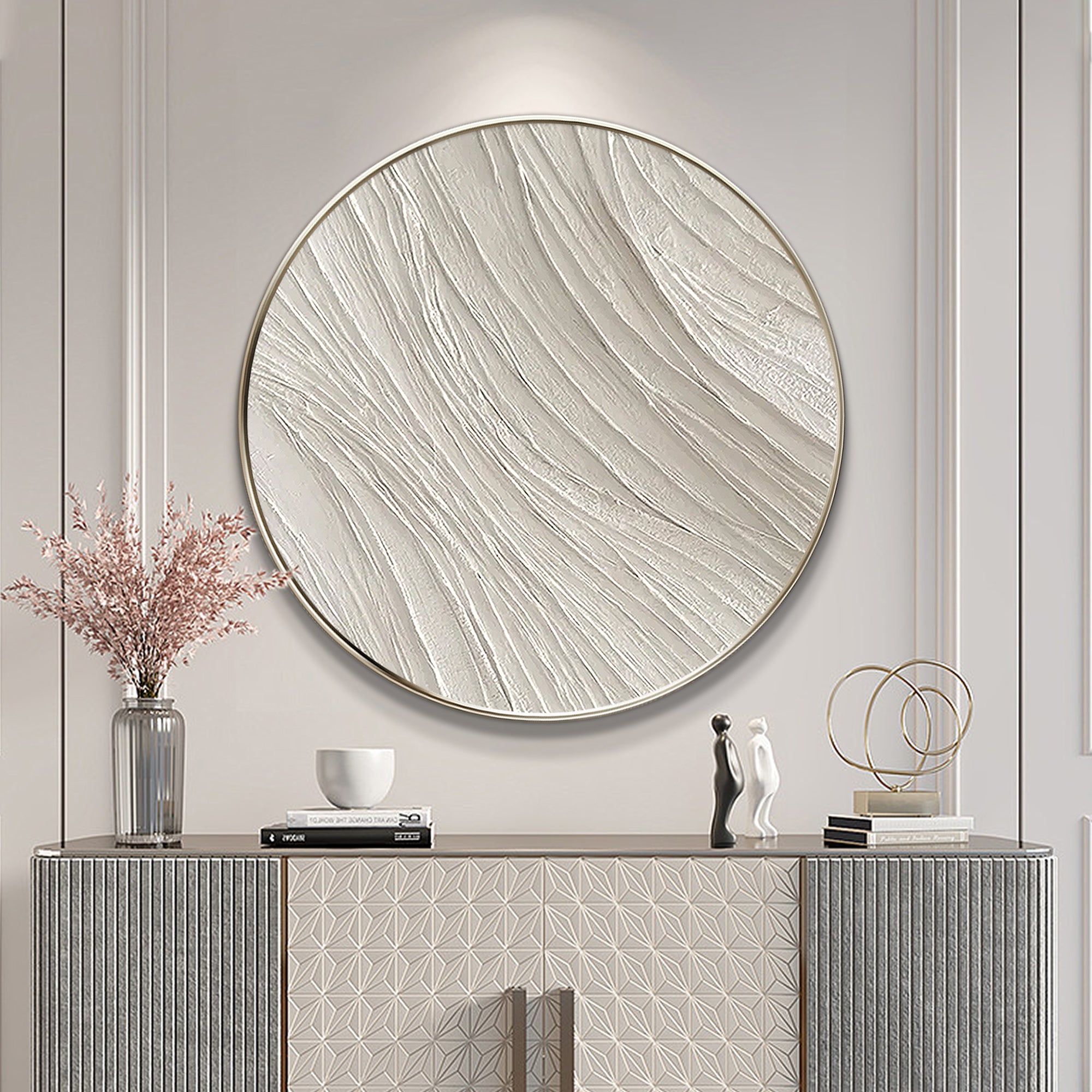
Modern White Painting
Soft tones and peaceful modern spaces
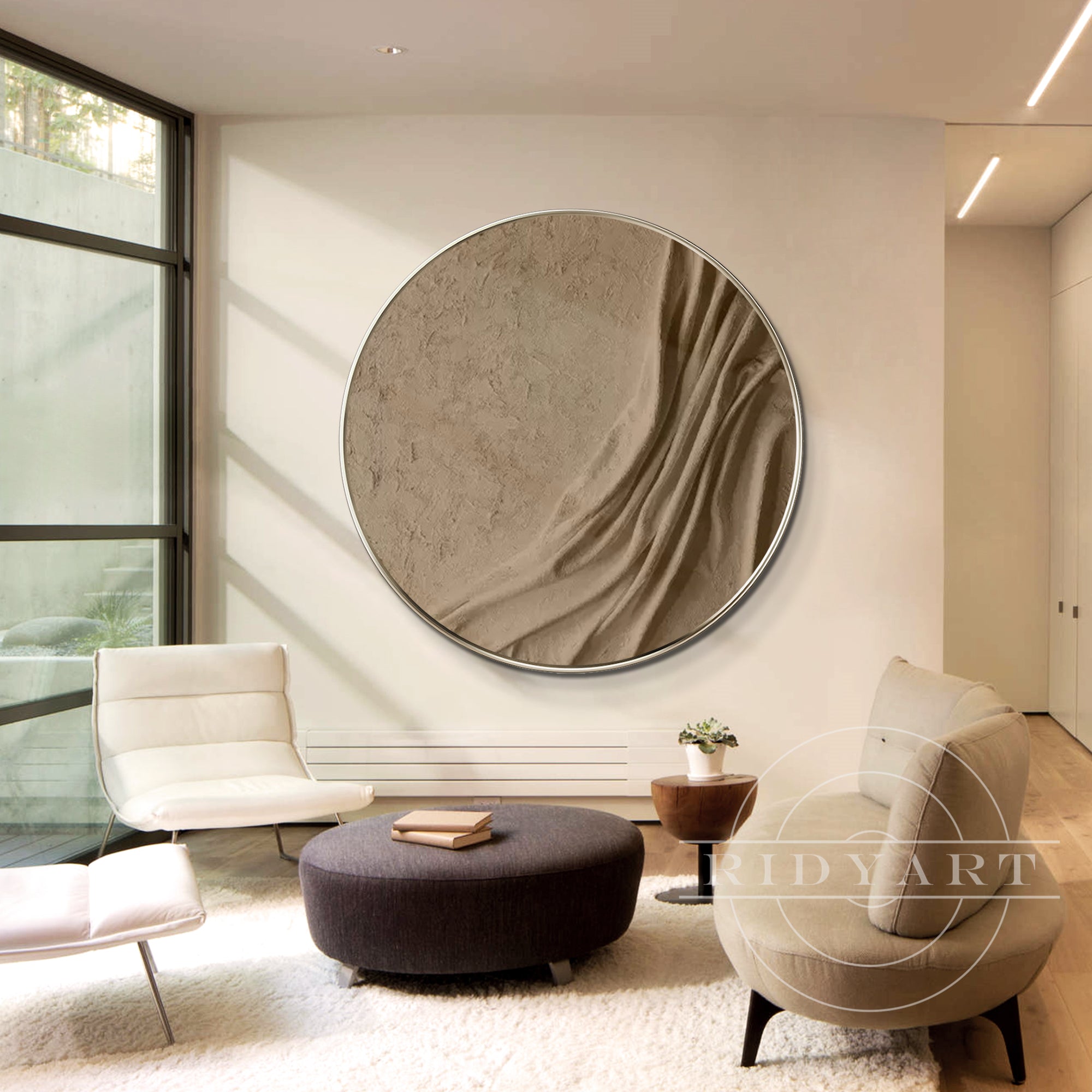
3D Textured Wall Art
Natural tones and sculptural expression
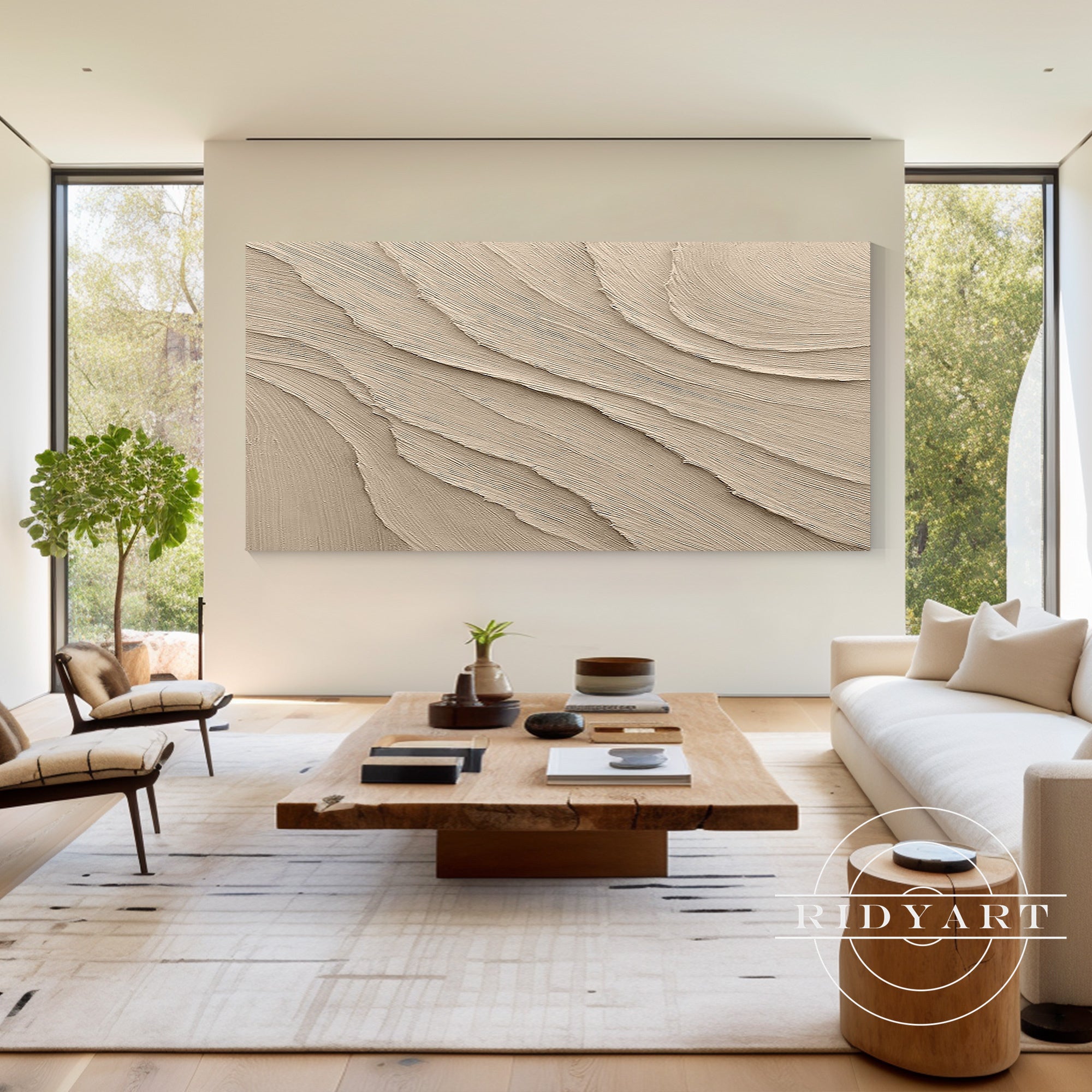
Fluid Abstract Art
Organic flows and artistic expression

Riyart
2026 Global Design Consensus
Wall art is no longer just decoration — it is a reflection of personal style, lifestyle, and the feeling a home creates.
Wabi Sabi artwork brings together natural beauty, handmade craftsmanship, and timeless simplicity, creating spaces that feel warm, balanced, and connected to nature.
Let customers speak for us
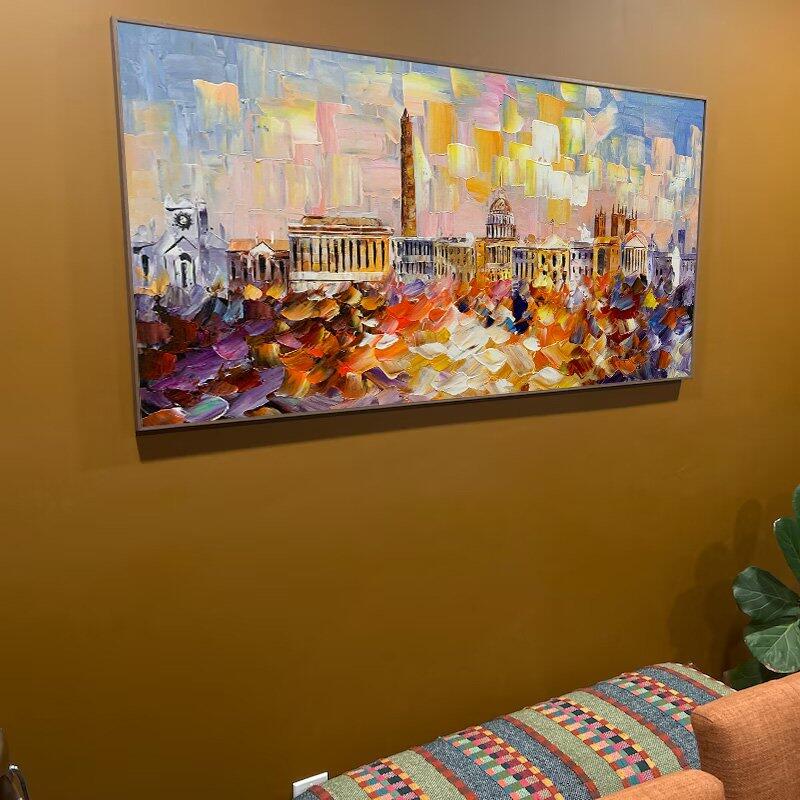
Top-notch quality, excellent service, and fast shipping—highly recommended!
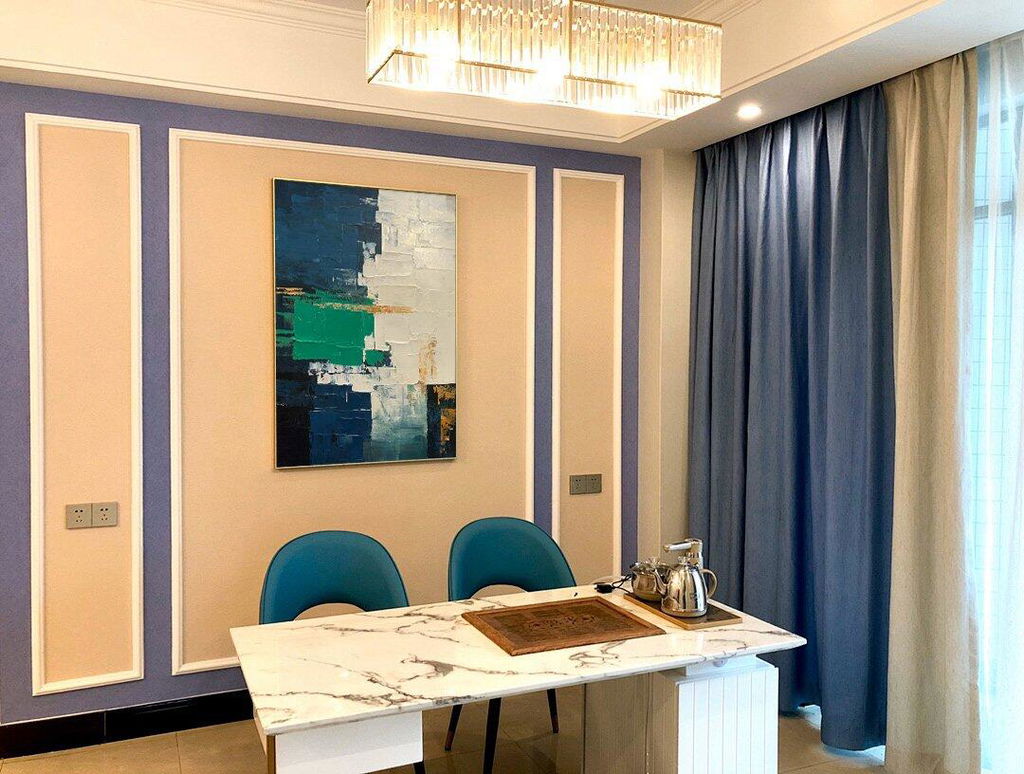
Seller highly recommended. That is how the business should looks like. A+

Painting looks very good , i like it very much
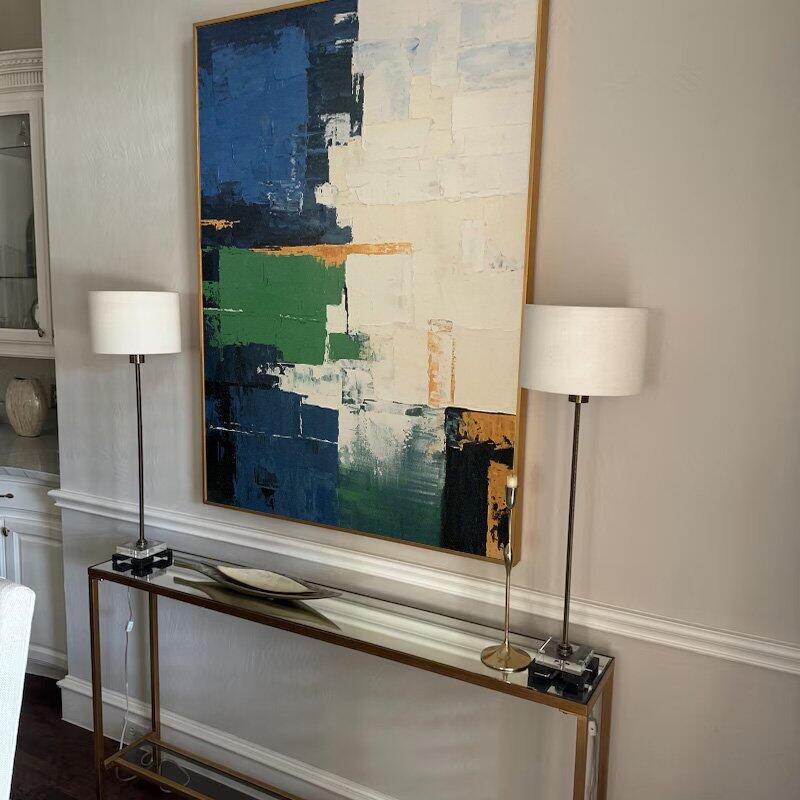
the process was very easy and clear. and the painting looks really nice on my wall
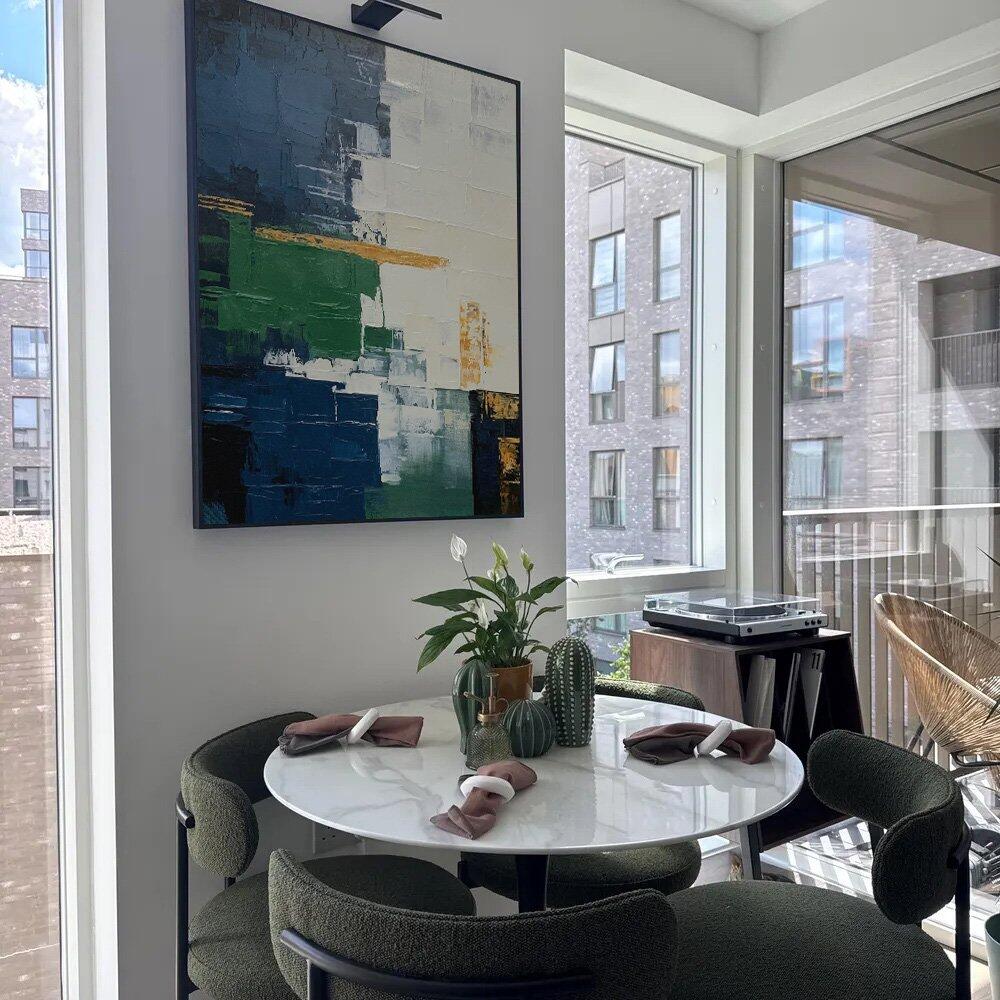
I love it when the artists communicate to ensure I'm happy with the product and it arrived looking amazing.
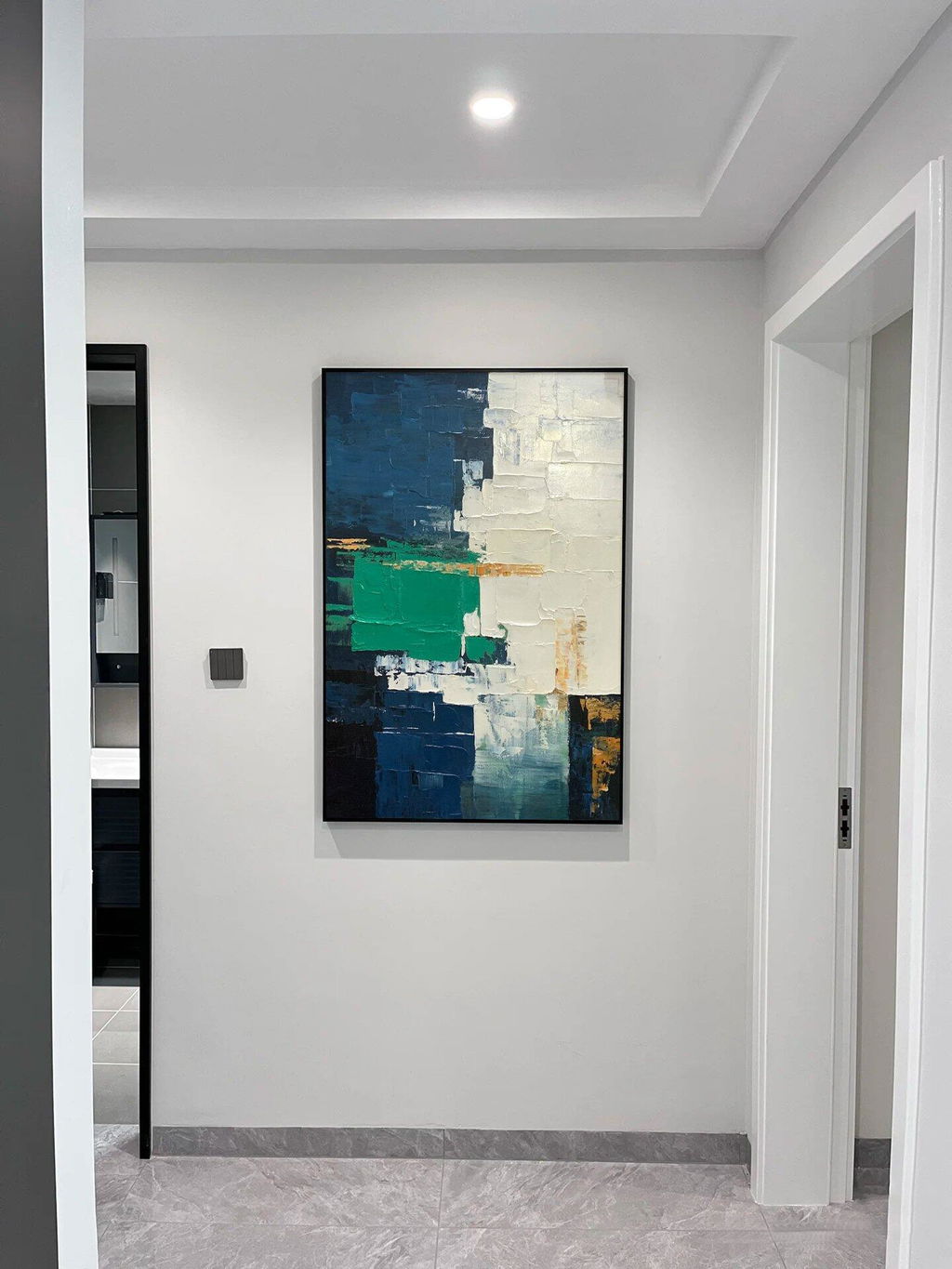
Highly recommend! From communication, to packaging, and the artwork itself were all exceptional. So happy with the product.
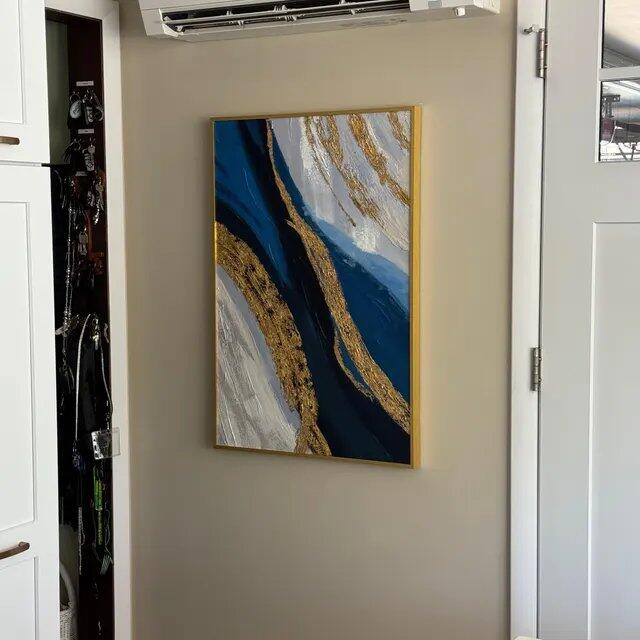
Beautiful painting and perfect for the space we wanted it for.
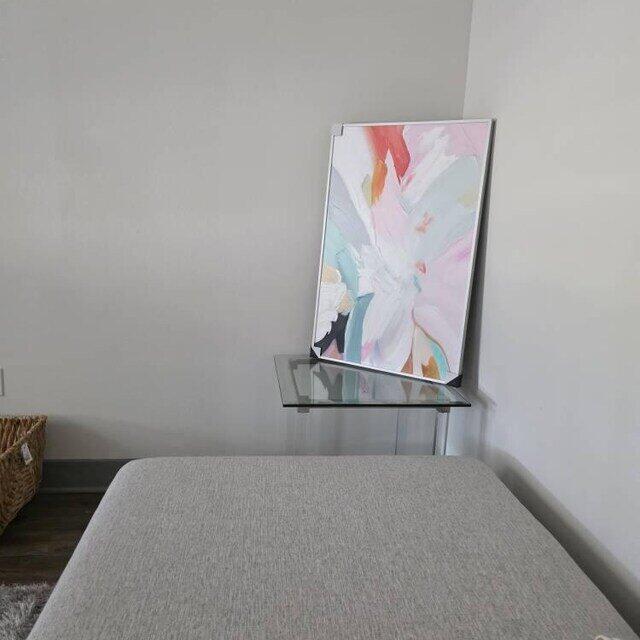
Wow, this painting is absolutely incredible! The quality is seriously top-notch, I'm so impressed. I'll definitely be buying from this seller again in the future, no question. The product is just amazing; I'm so happy with my purchase! Highly recommend!
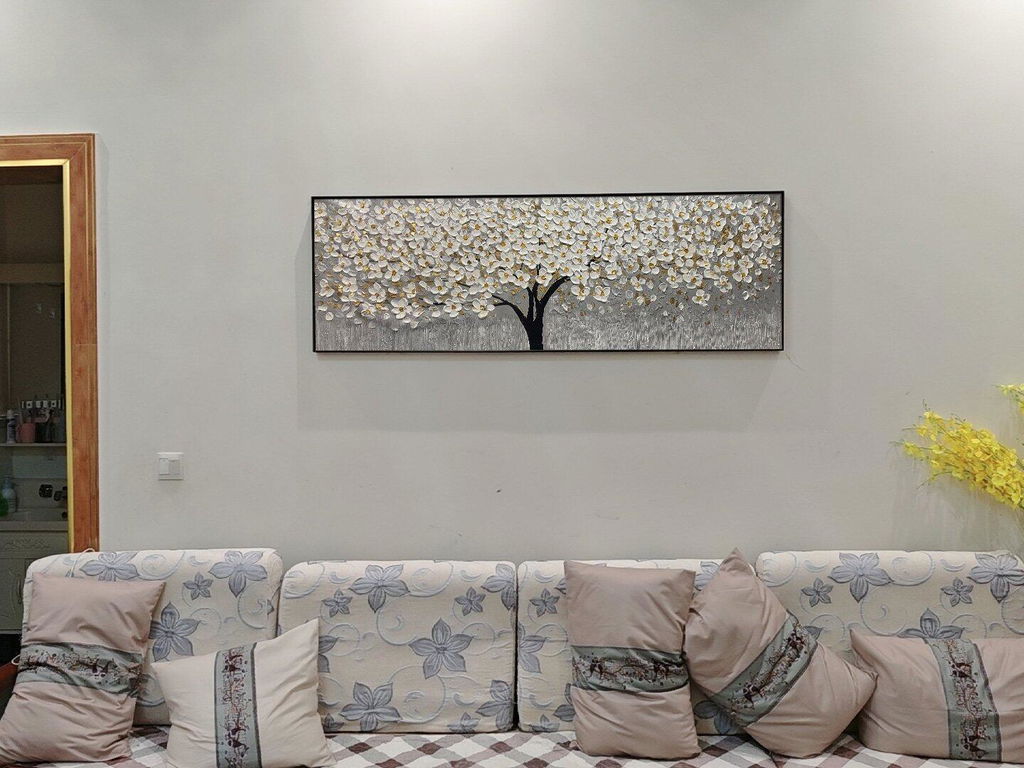
The painting is absolutely beautiful. It came quickly and I had great correspondence with the store. Exceptional. The duty was also reasonable though I'm sure this is different for different sizes. Overall very happy. Thank you so very much.
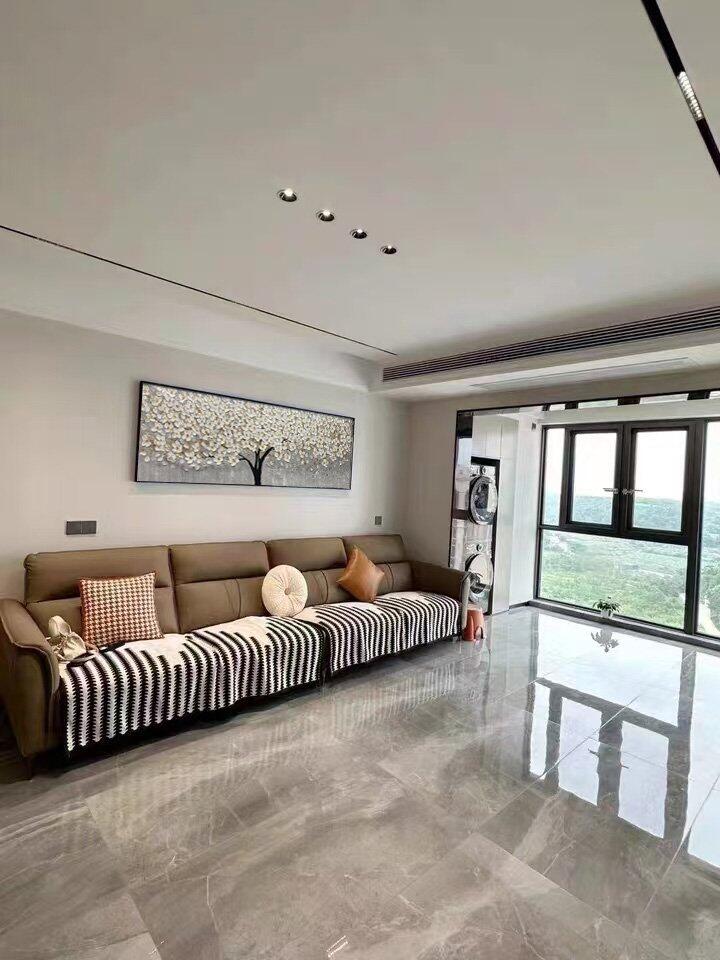
ovely, great quality . Was a good as hoped it would be 👍
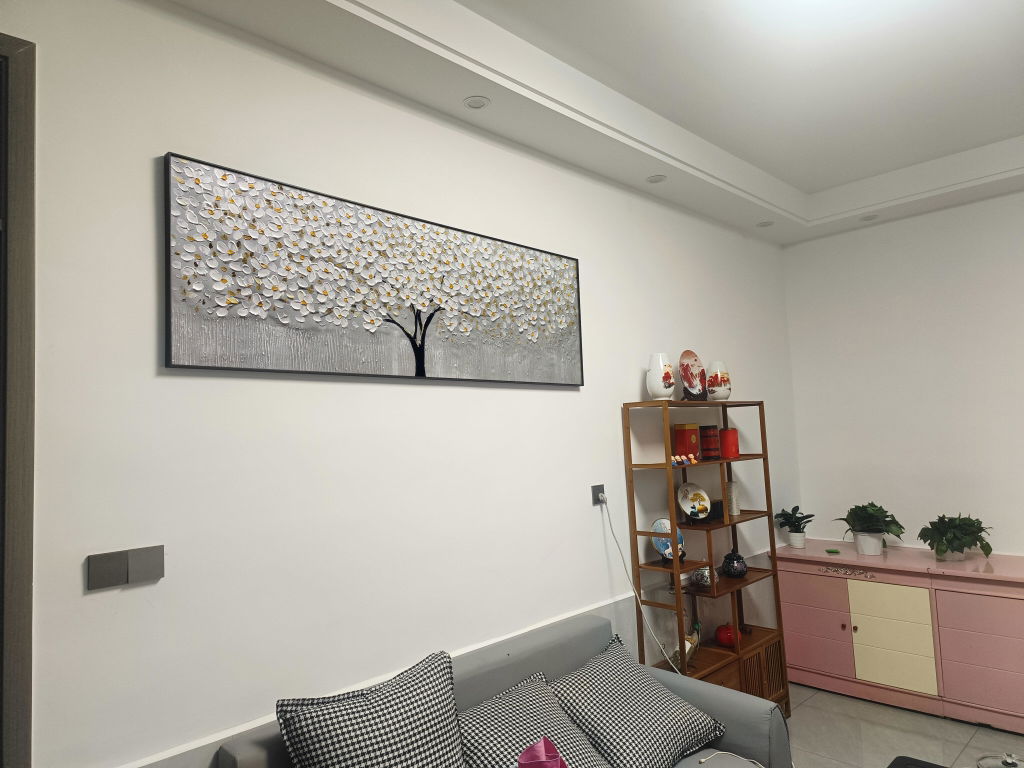
The painting is really good. Justin was a pleasure to deal with . Great service and great painting
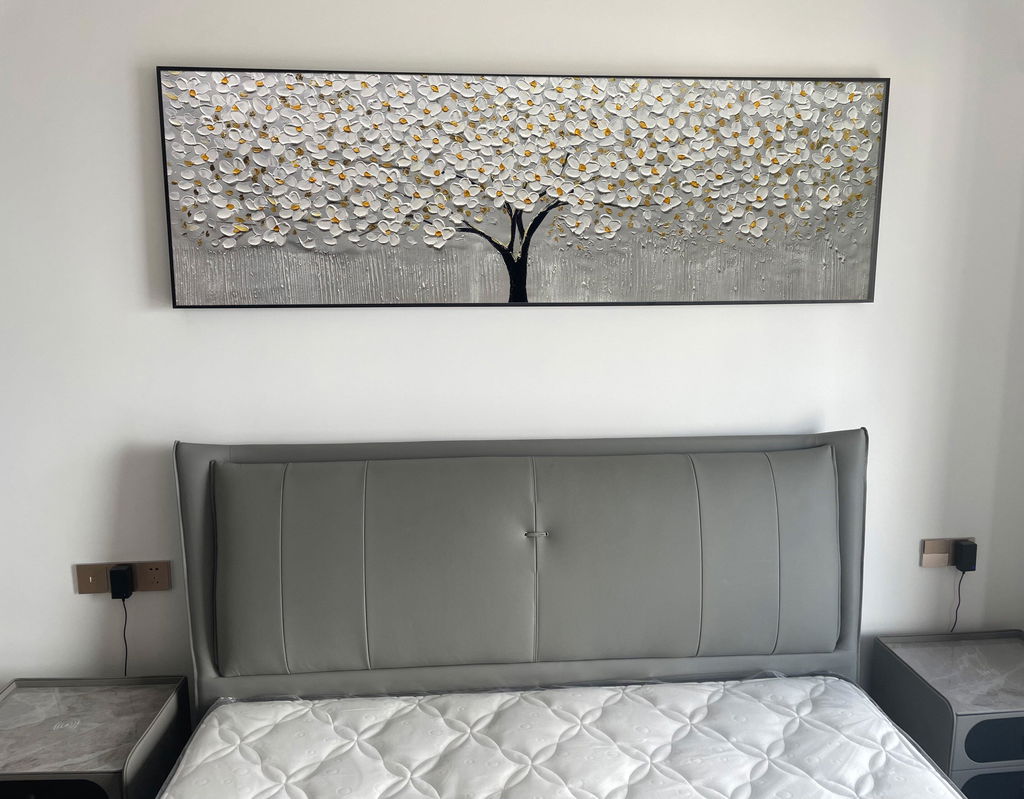
very nice painting really well done and very pretty.
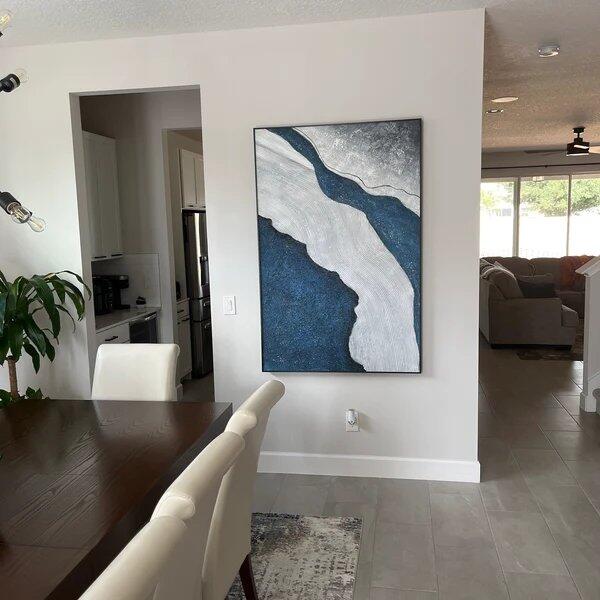
Incredible customer service. They kept me informed and even sent pictures of each step of the process. Awesome company.
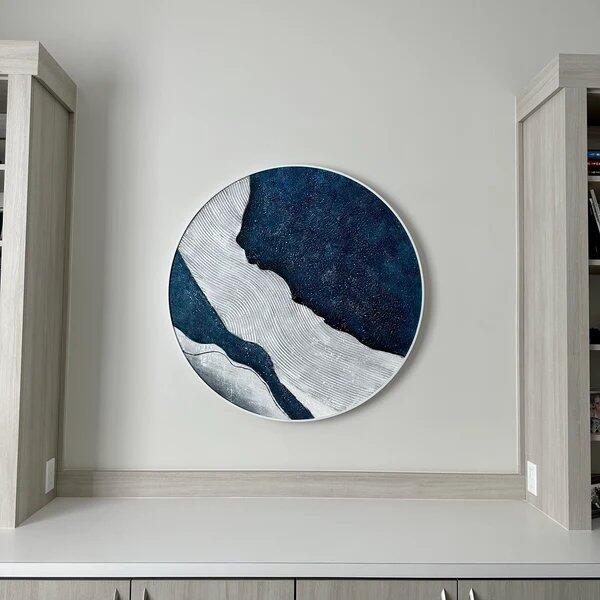
I adore this artwork! Seno was a great communicator from the moment I placed the order and even framed the art in white at my request. The piece is beautiful and well made. It came packaged very securely in a wood crate and shipped faster than I expected. 10/10 recommend!
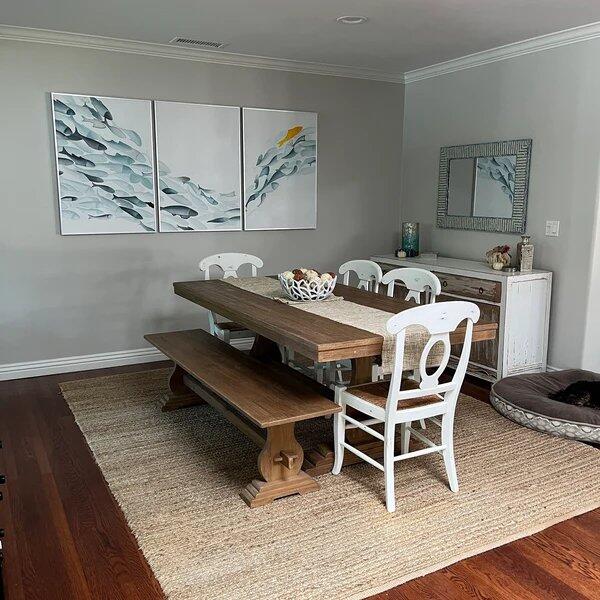
Great communication and I love the finished product! The quality is fantastic, hand painted, and looks so great in my dining room. It took me 3 years to find the perfect piece For this area. Very pleased.
Enjoy art Enjoy life
Original Modern Wall Art for Every Space | RIDYART
Warm neutral wall art features soft beige, cream, taupe, and earthy tones, making it a perfect choice for modern minimalist interiors. These textured abstract paintings are created with heavy texture and palette knife techniques, adding depth, movement, and a handcrafted feel to each piece.
Ideal as large abstract wall art for living room, bedroom decor, or above sofa wall art, warm neutral tones create a calming and sophisticated atmosphere. The combination of organic texture, neutral color palette, and modern abstract design makes these artworks highly versatile and easy to match with contemporary home decor.
Warm neutrals are one of the top interior design trends for 2026, replacing cool gray palettes with more natural, inviting tones. This collection is designed to bring balance, warmth, and modern elegance to any space.

Professional painters
with enthusiasm and creativity.

Free shipping globally
by professionals and safe.

Hassle-free returns
within 30 days after delivery.

Secure payments
by credit card paypal.