

Article: Your Sofa Is Beautiful, but Your Wall Still Feels Empty. Here's Why
Your Sofa Is Beautiful, but Your Wall Still Feels Empty. Here's Why
You have a comfortable sofa, carefully chosen cushions, a beautiful rug, and furniture that fits your style. Yet something still feels unfinished. The wall above your sofa looks bare, and your living room doesn't quite have the warmth or character you imagined.
If this sounds familiar, the problem may not be your furniture. It may be the empty space above it.
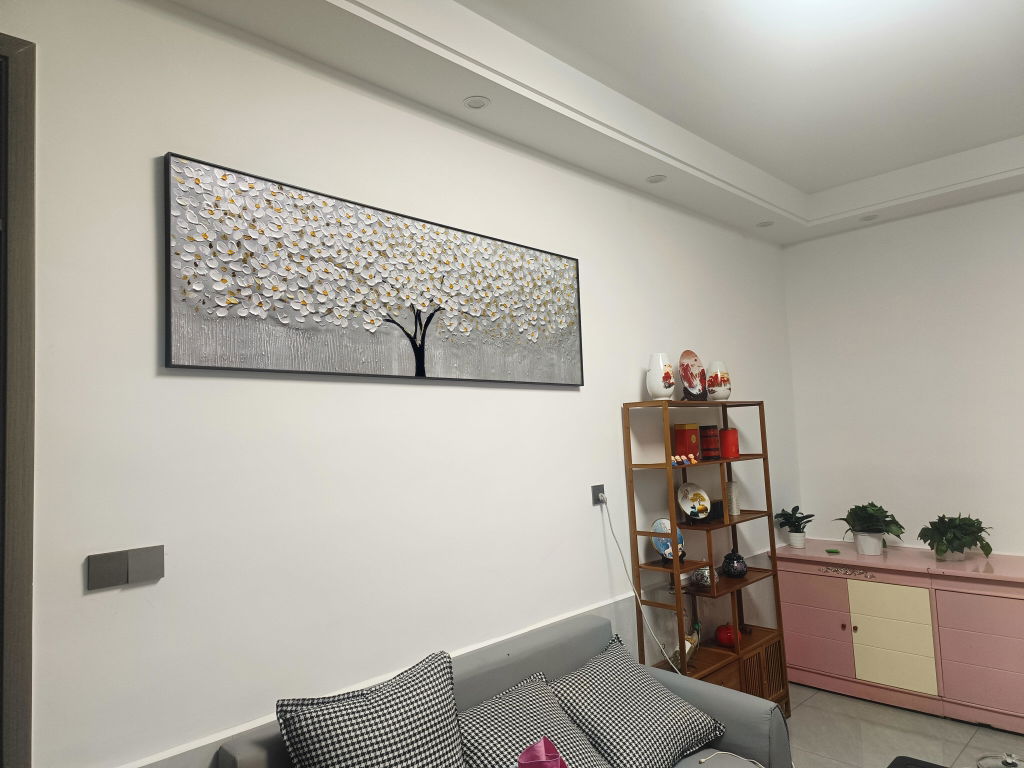
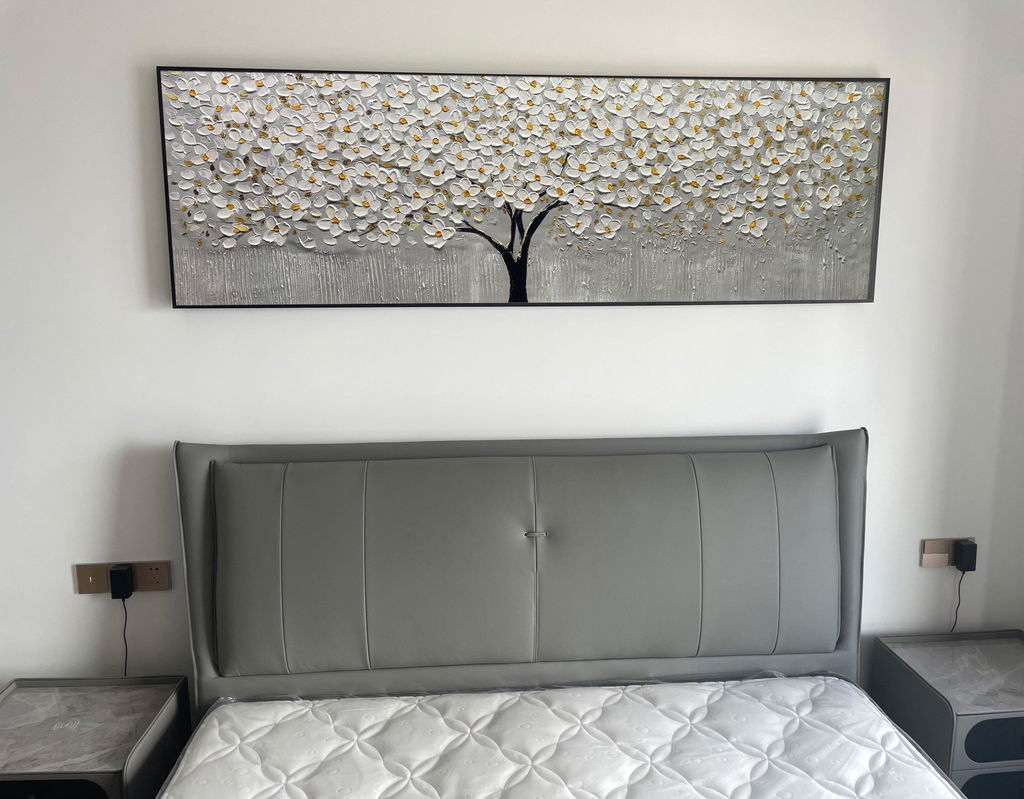
A well-chosen piece of wall art can connect the different elements in a room, introduce color and texture, and create a natural focal point. Whether you prefer neutral interiors, colorful abstract designs, or handmade textured paintings, the right artwork can make your living room feel more complete.
Here are five common reasons your sofa wall may feel empty—and how to fix them.
1. Your Wall Needs a Focal Point
A sofa is often one of the largest pieces of furniture in a living room. Without something visually interesting above it, the wall can feel disconnected from the rest of the space.
Wall art creates a natural focal point, drawing the eye toward the seating area and helping the room feel more balanced. It also gives your interior a sense of personality without requiring you to replace your existing furniture.
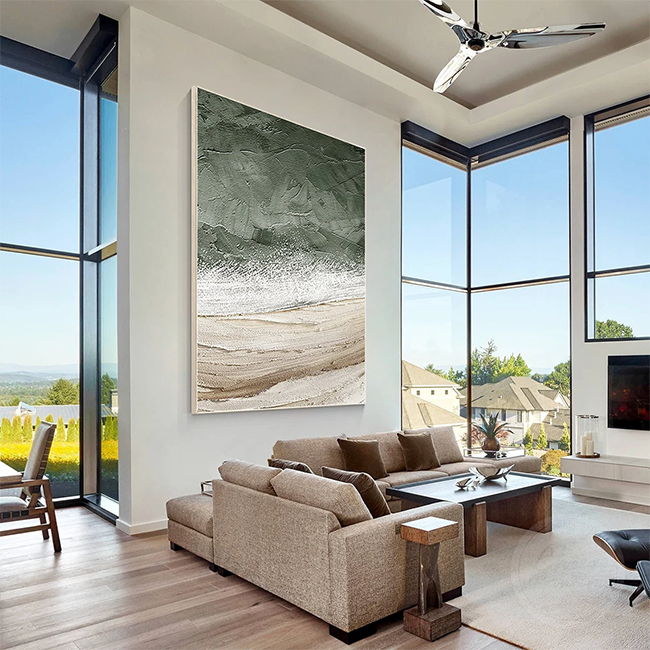
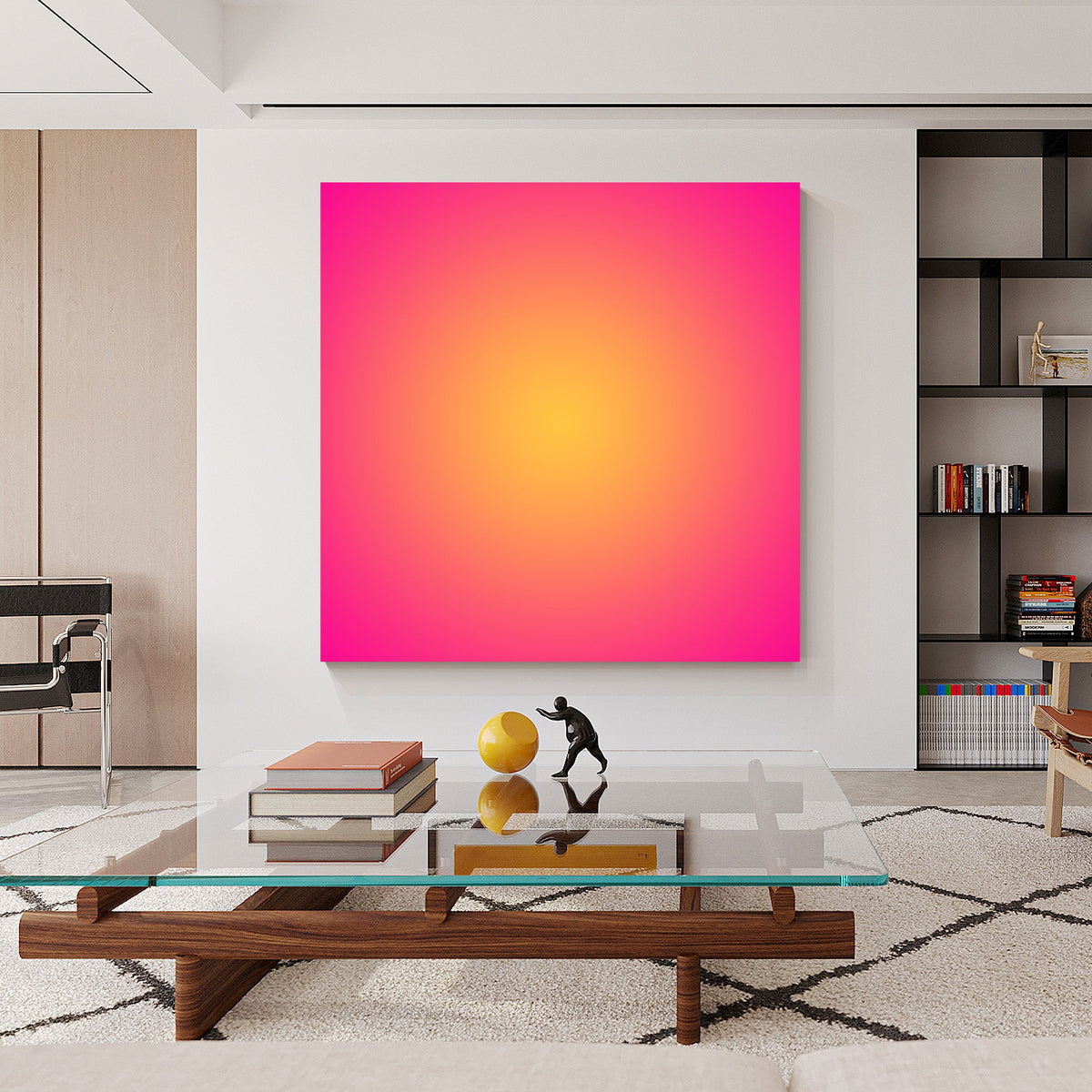
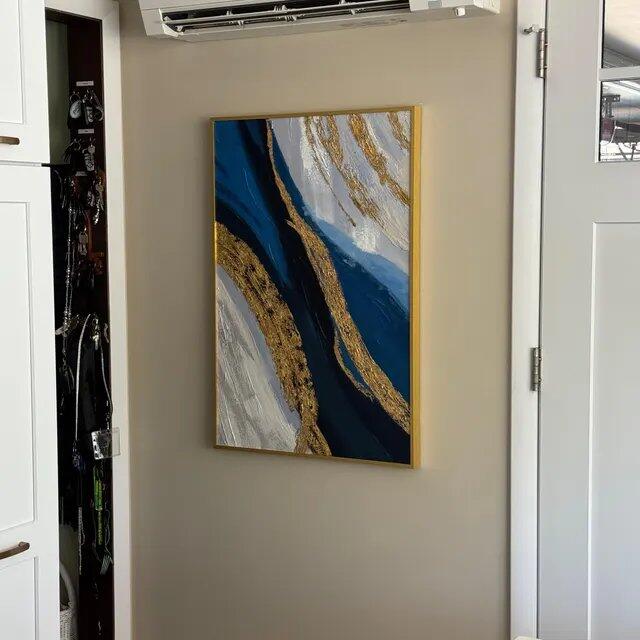
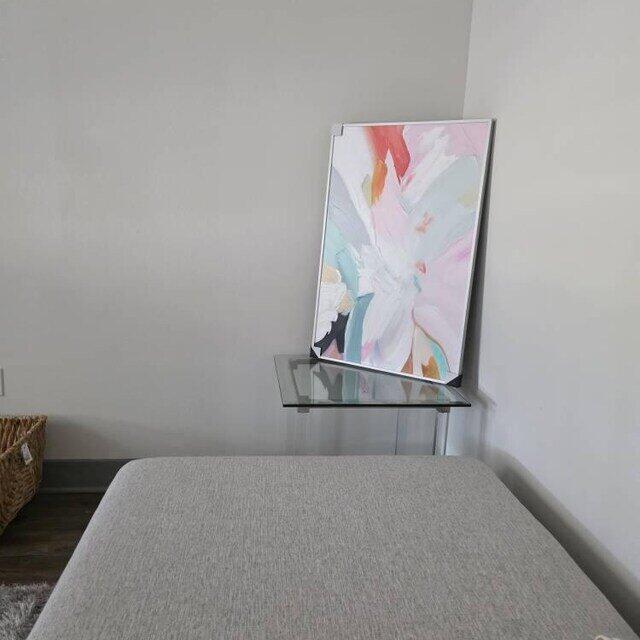
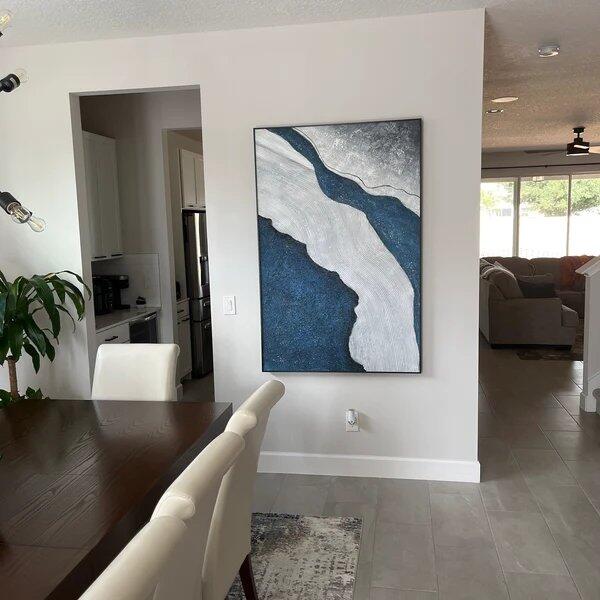
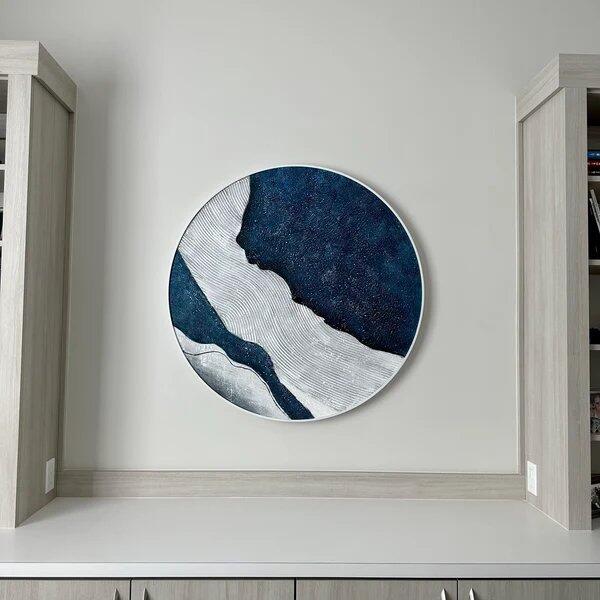
For a simple, modern living room, a large abstract painting can work particularly well. Soft neutral colors create a calm atmosphere, while stronger colors add contrast and energy.

When choosing artwork, consider the colors already present in your room. You don't need to match every cushion or accessory exactly. Instead, look for one or two colors that complement your existing palette.
2. Your Artwork May Be Too Small for the Sofa
One of the most common decorating mistakes is choosing artwork that is too small for the wall.
A small painting above a wide sofa can look disconnected, leaving large areas of empty space on either side. Even a beautiful piece may not have the visual presence needed to balance the furniture below it.
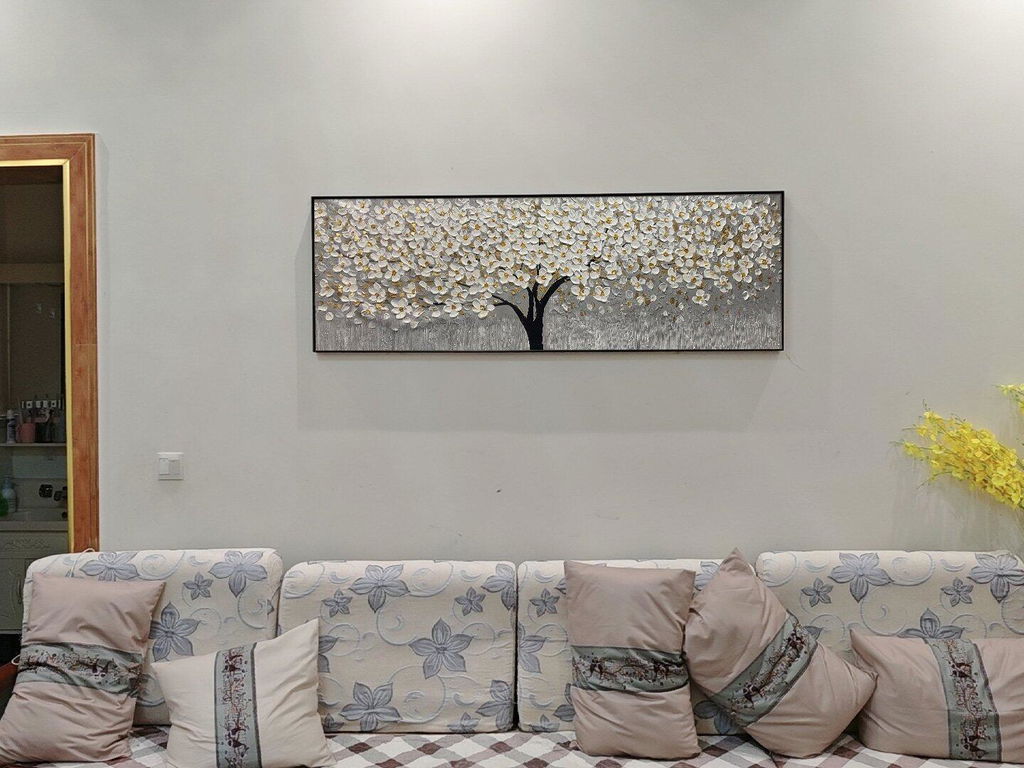
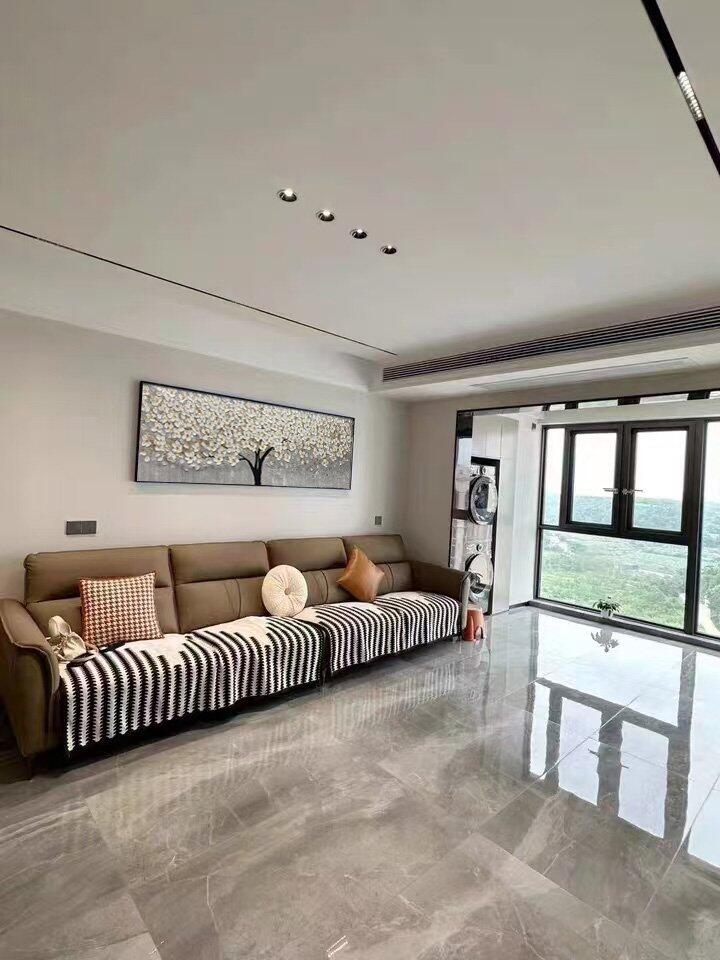
As a general guideline, artwork above a sofa often looks balanced when its overall width is around two-thirds to three-quarters of the sofa's width. This is a starting point rather than a strict rule, since ceiling height, frame size, and the surrounding layout also matter.
For example, a wide sofa may suit a large horizontal canvas, while a narrower seating area may work better with a medium-sized painting or a carefully arranged pair of artworks.
Before buying a painting, measure your sofa and the available wall space. If standard sizes don't fit your layout, consider artwork available in custom dimensions.

The goal is not simply to fill the wall. It is to create a visual relationship between the artwork and the furniture.
3. Your Room Has Color, but Not Enough Texture
A living room can have beautiful colors and still feel flat.
This often happens when most of the visual elements have similar surfaces: smooth walls, plain upholstery, simple furniture, and flat printed artwork. The colors may work well together, but the room lacks depth.
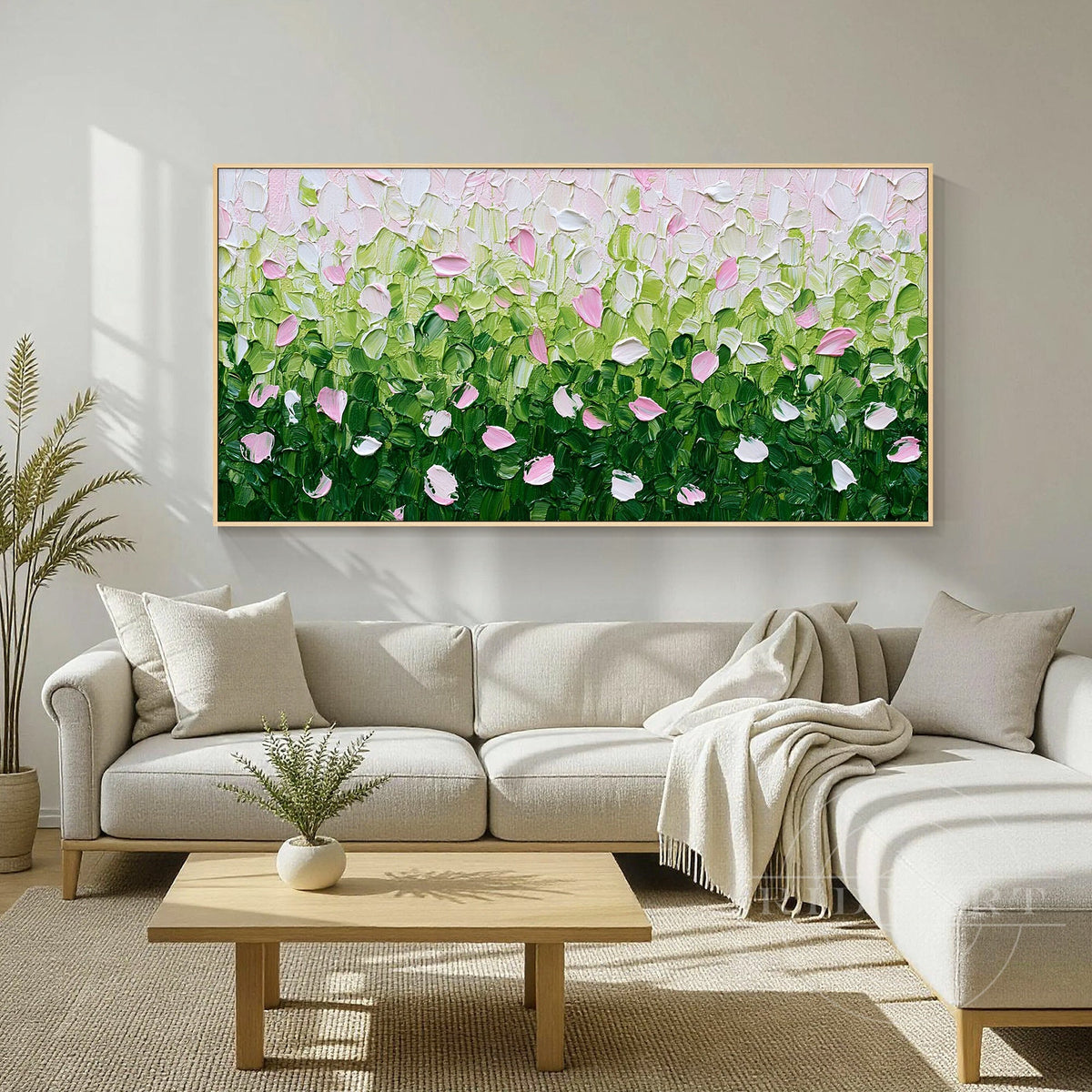
Textured wall art offers a different solution. Raised paint, layered colors, and palette knife marks create a surface that changes subtly with the light. Instead of seeing only a printed image, you can appreciate the physical details of the painting.
Handmade textured paintings can be especially effective in neutral interiors, where subtle differences in surface and shadow help create interest without introducing too many colors.

Consider pairing textured artwork with linen cushions, a wool rug, wooden furniture, or other natural materials. These different surfaces work together to create a room that feels more layered and thoughtfully designed.
If your living room already has a simple color palette, you may not need more color at all. A painting with rich texture could be exactly what the space is missing.
4. Your Wall Art Doesn't Connect with the Rest of the Room
Sometimes the problem isn't the size of the artwork or the amount of empty space. It's the relationship between the painting and everything around it.
A painting can look beautiful on its own but feel out of place when its colors, composition, or style conflict with the room.
The solution is not to match everything perfectly. Instead, choose artwork that complements the overall atmosphere of your interior.
For a warm, neutral living room
Beige, ivory, taupe, and soft brown paintings can complement cream upholstery, wooden furniture, and natural fabrics. Textured neutral artwork adds depth while maintaining a calm appearance.

5. The Artwork Is Hung at the Wrong Height
Even the right painting can look awkward if it is positioned too high or too low.
When artwork is hung too close to the ceiling, it may feel disconnected from the sofa. When it is placed too low, it can compete with the furniture and make the wall feel crowded.
As a starting point, leave approximately 6–10 inches (15–25 cm) between the bottom of the artwork or frame and the top of the sofa. Adjust this distance according to the size of the painting, the height of the sofa, and the proportions of your room.
It also helps to consider the painting and sofa as one visual arrangement rather than two separate objects.
Before putting holes in the wall, try marking the proposed artwork dimensions with painter's tape. This simple step lets you assess the size and placement from different parts of the room.
Remember that the right position should feel balanced with the furniture, not just centered on the wall.
One Painting Can Change the Feeling of Your Living Room
You don't always need new furniture, a different sofa, or a complete room makeover to make your living room feel finished.
Sometimes, the missing element is a piece of artwork that brings everything together.
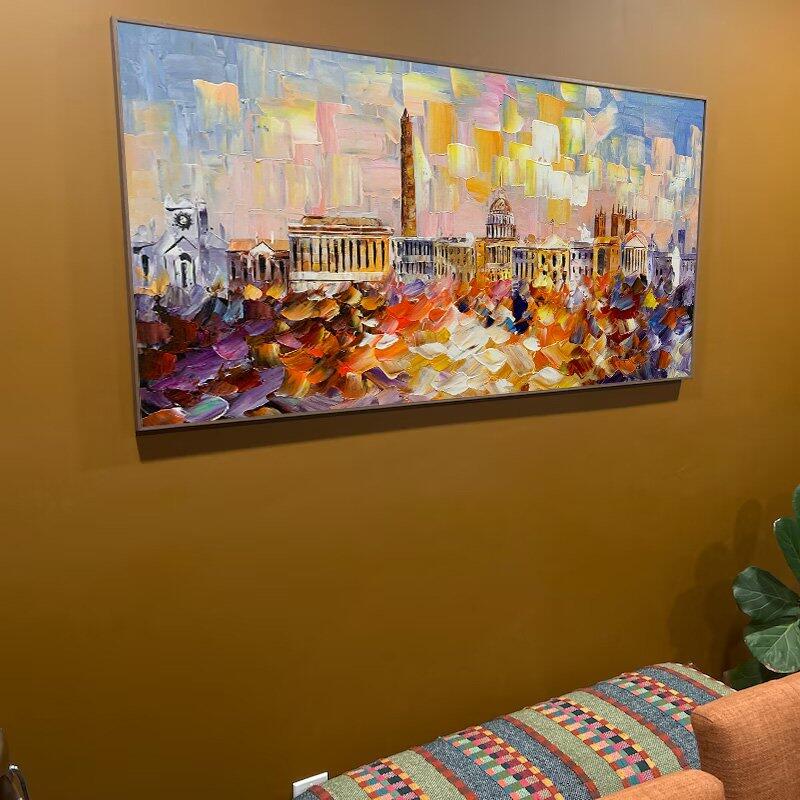
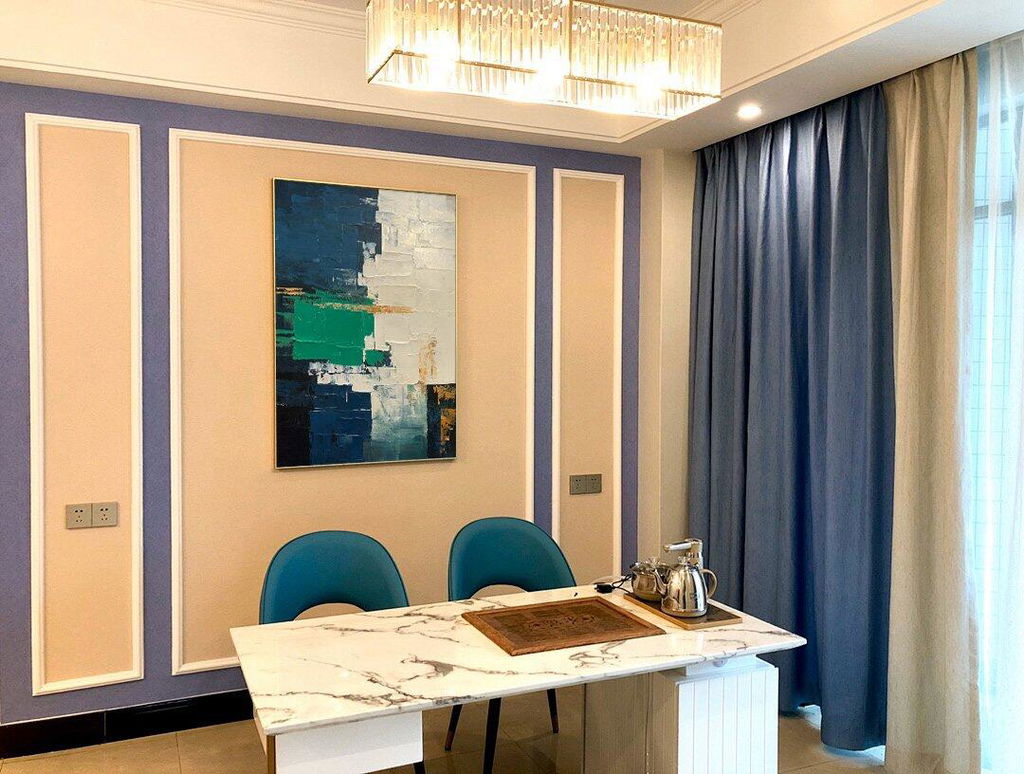
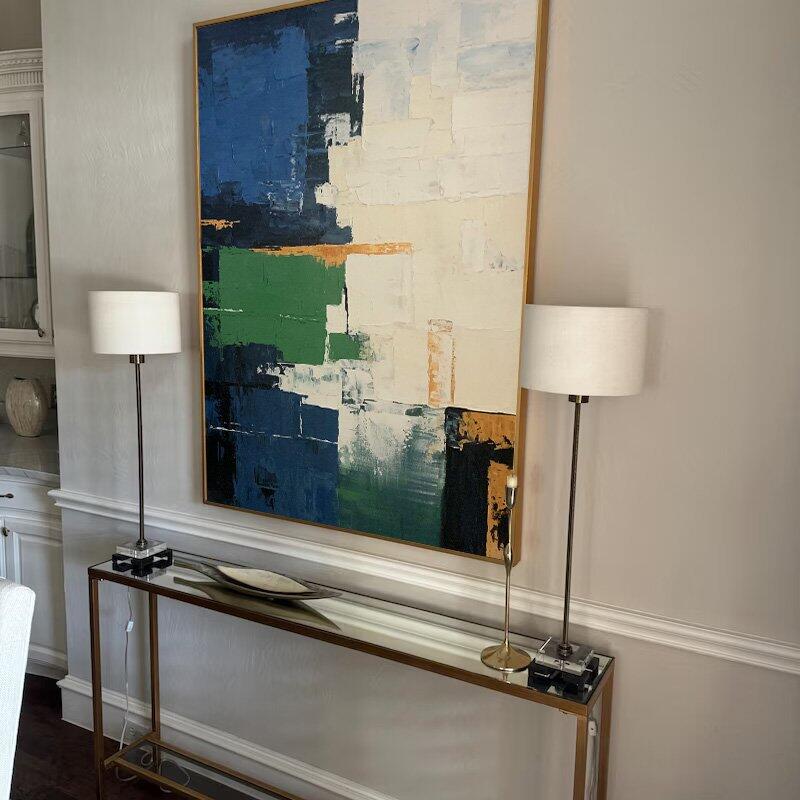
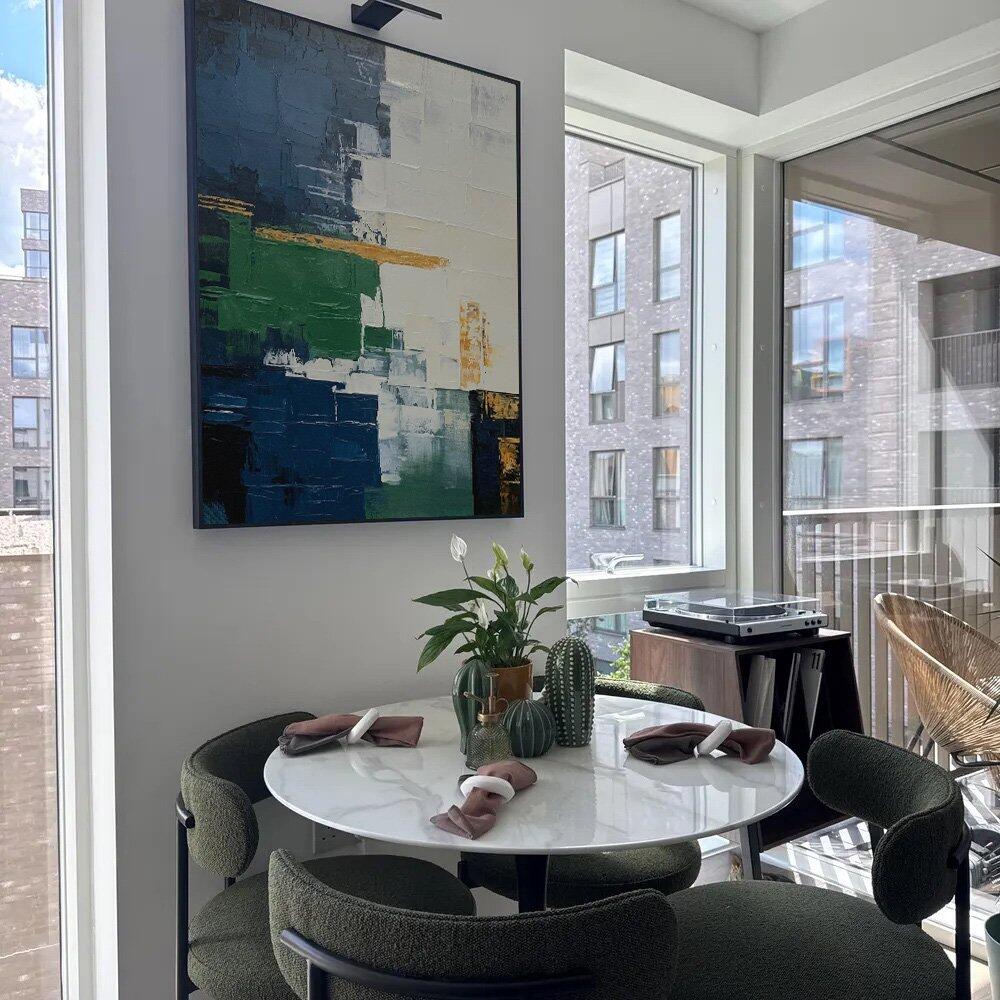
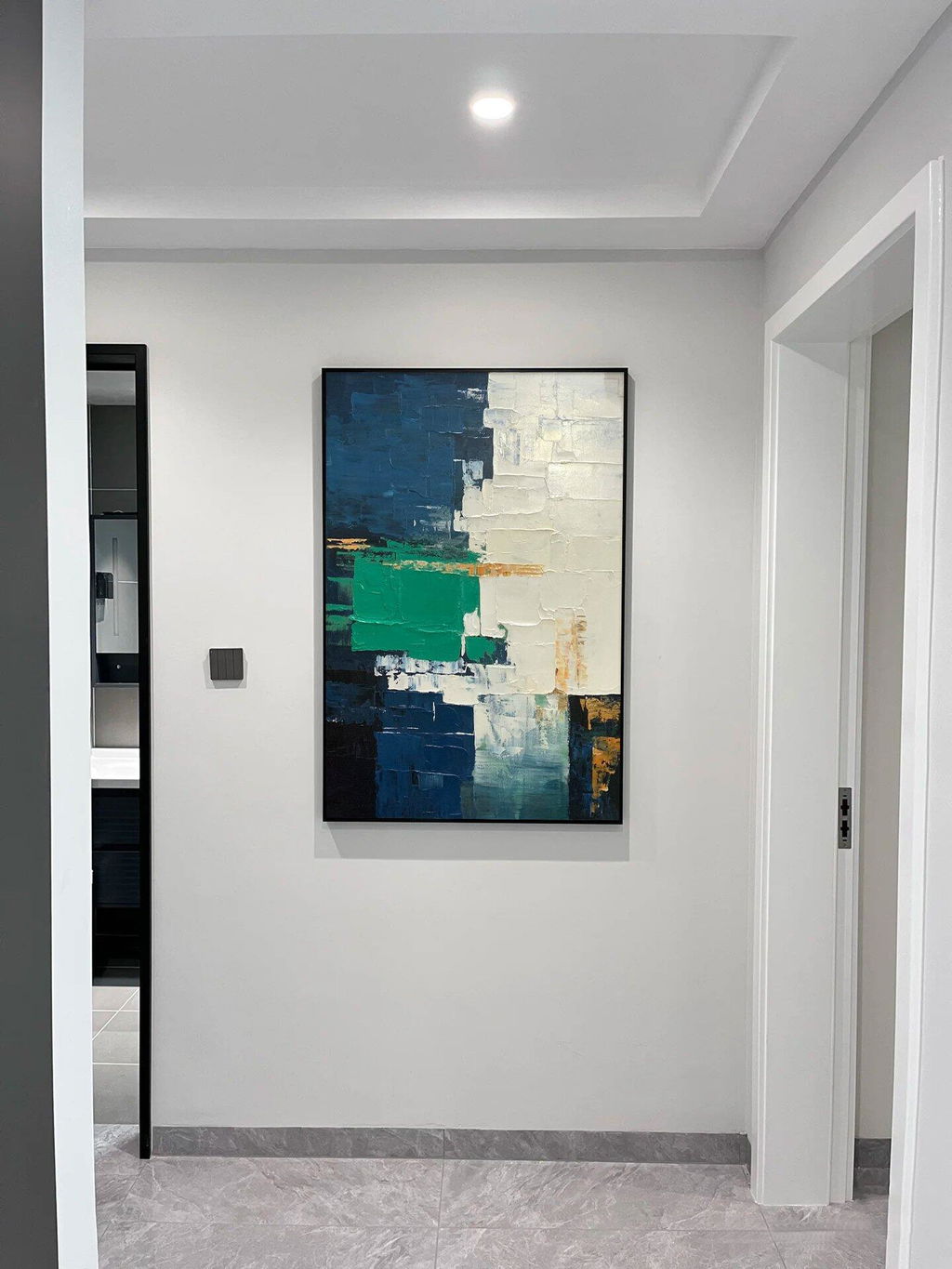
A large abstract painting can establish a focal point. A handmade textured canvas can introduce depth and surface detail. A green or earth-toned painting can add a natural accent, while a more colorful composition can bring energy to a neutral room.
The most suitable artwork depends on your wall dimensions, furniture, color palette, and personal style. Take time to measure your space, explore different compositions, and consider whether you want the painting to blend in or stand out.
At RidyArt, you can explore hand-painted canvas artwork featuring abstract designs, layered colors, and textured details. Selected designs are available with custom-size and framing options, making it easier to find a piece that suits your living room.
Ready to give your sofa wall a new look?
Explore the RidyArt handmade wall art collection and find artwork that brings color, texture, and personality to your space.






Leave a comment
This site is protected by hCaptcha and the hCaptcha Privacy Policy and Terms of Service apply.