

Wabi Sabi and Chinese Aesthetics
Introduction: The Beauty of Imperfection
In a world filled with fast trends and mass-produced decorations, more people are looking for something meaningful — something with character, emotion, and a connection to nature.
Two Eastern philosophies, Wabi Sabi and Chinese aesthetics, share a similar appreciation for simplicity, balance, and the beauty of imperfection. Both encourage us to slow down and appreciate the natural textures, subtle details, and unique stories behind handmade creations.
A carefully chosen piece of artwork can bring this feeling into your home, creating a space that feels calm, warm, and personal.

What Is Wabi Sabi?
Wabi Sabi is a Japanese aesthetic philosophy that celebrates the beauty of imperfection, simplicity, and the passage of time.
Instead of seeking perfection, Wabi Sabi embraces:
- Natural textures
- Organic shapes
- Handmade craftsmanship
- Simple and meaningful designs
- The beauty of change and aging
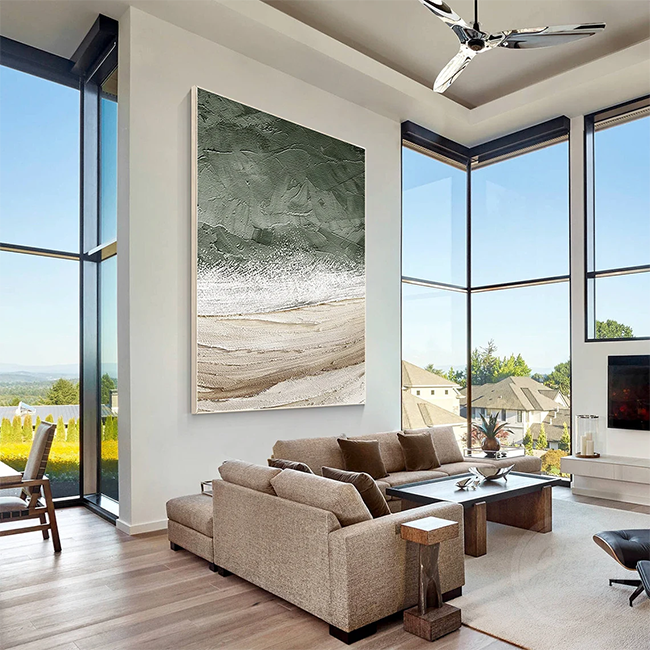
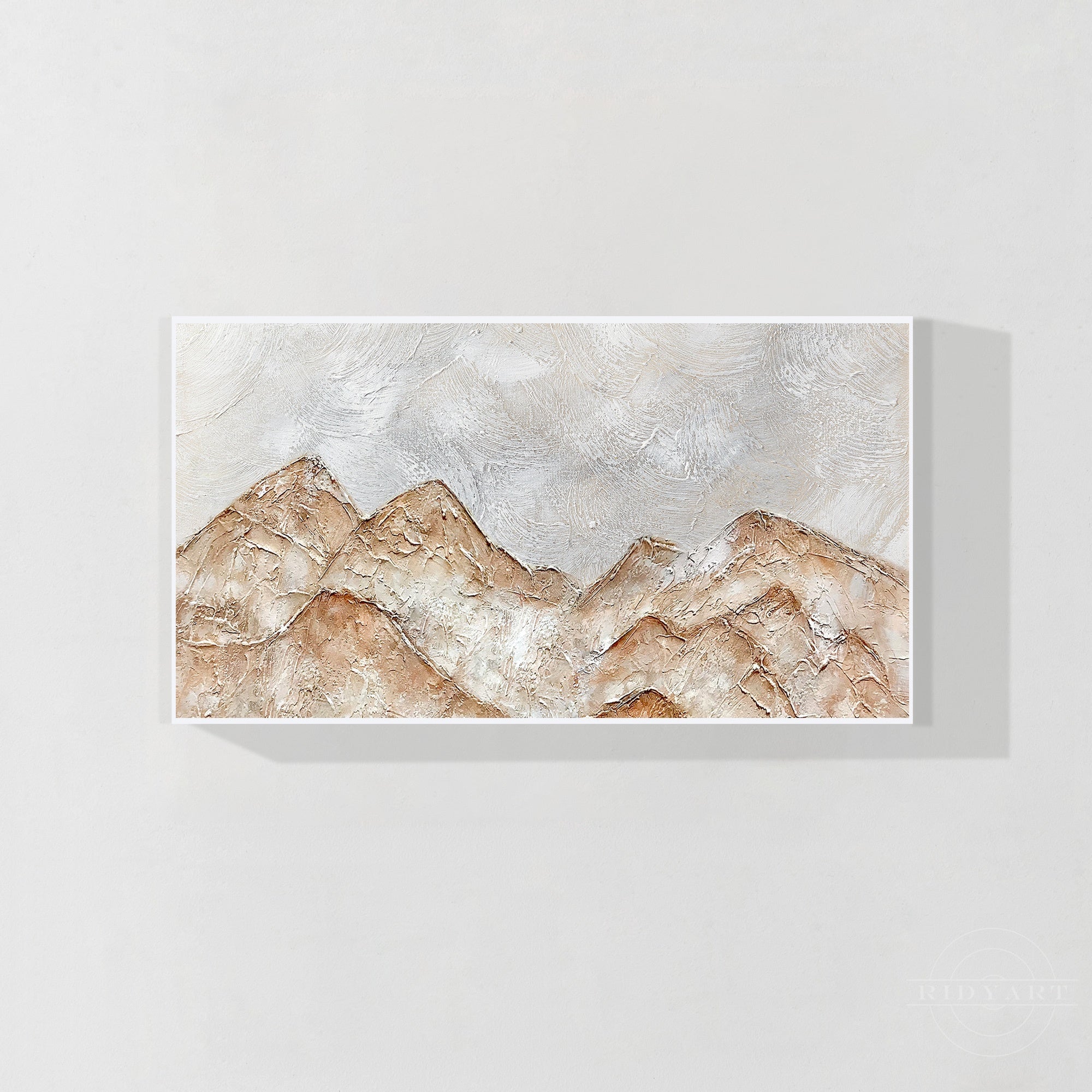
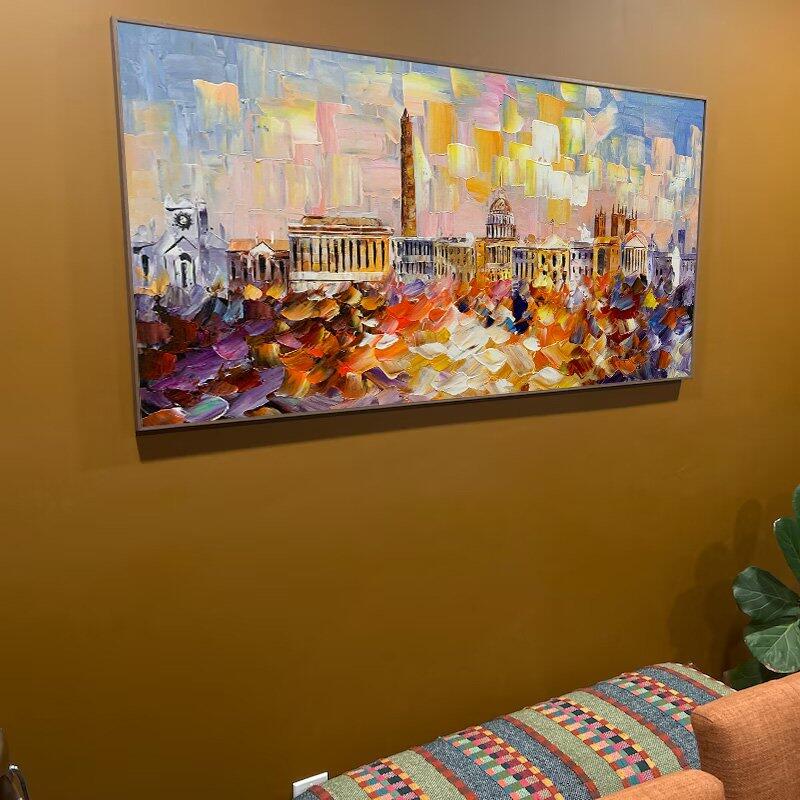
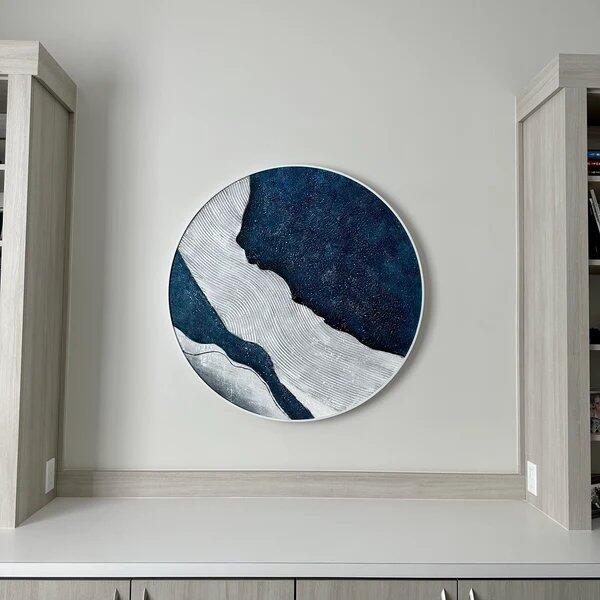
A handmade painting with visible brushstrokes, layered textures, or natural variations reflects the spirit of Wabi Sabi because every piece carries the artist’s personal touch.
The Connection Between Wabi Sabi and Chinese Aesthetics
Although Wabi Sabi comes from Japan, its ideas have deep connections with traditional Chinese artistic philosophy.
Chinese aesthetics has long valued:
Harmony Between Nature and Life
Traditional Chinese art often focuses on the relationship between humans and nature. Mountains, water, flowers, and natural landscapes are not only visual subjects — they represent balance, peace, and emotional expression.

The Power of Simplicity and Empty Space
In Chinese painting, empty space is an important part of the composition. It allows viewers to imagine, reflect, and feel the atmosphere of the artwork.
Modern interior design follows the same principle. A simple wall with a carefully selected artwork can create a feeling of elegance without overwhelming the space.

Why Handmade Textured Art Fits Wabi Sabi Style
Mass-produced artwork often looks identical, but handmade paintings are naturally unique.
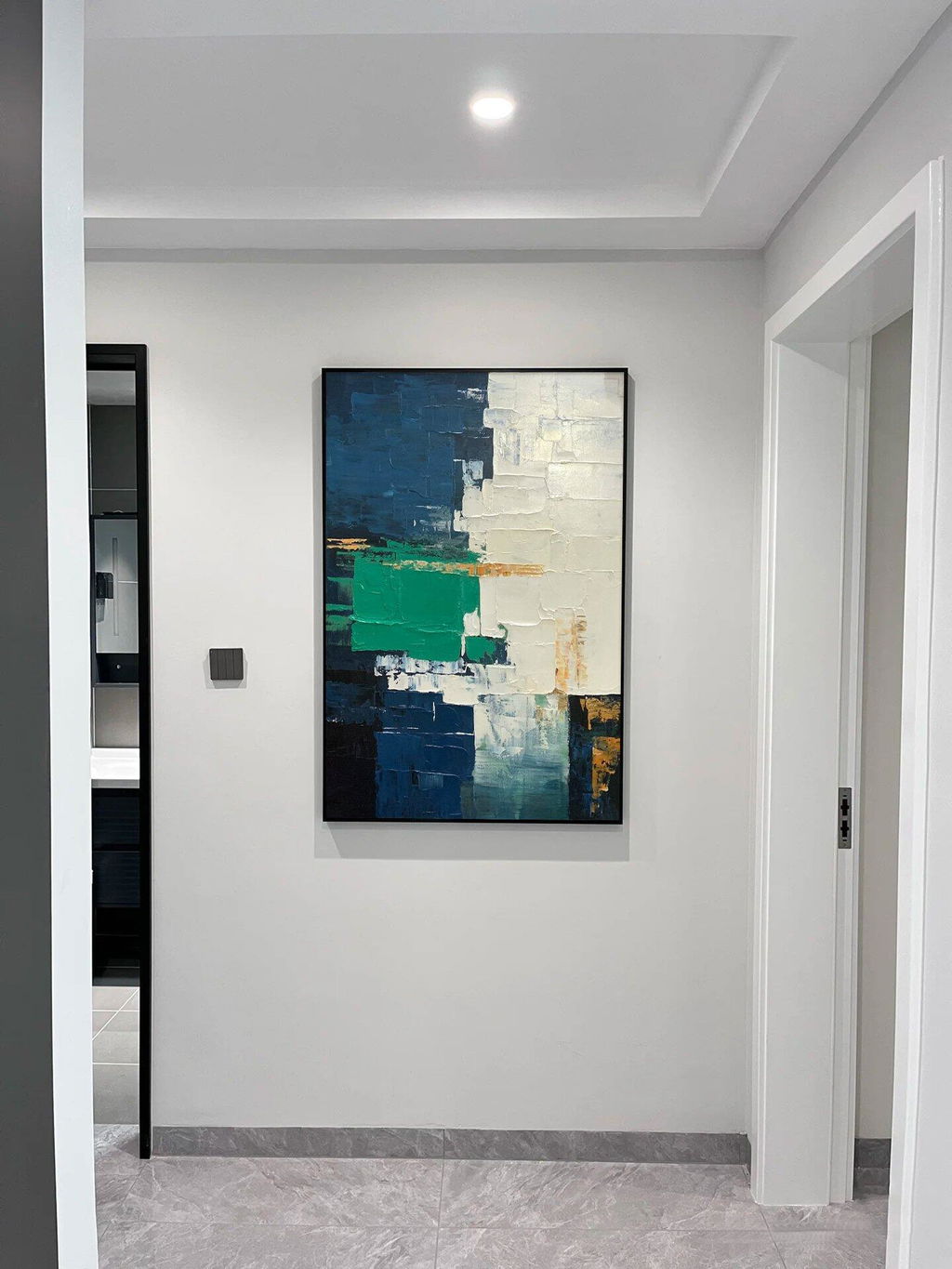
Textured artwork created with palette knife techniques brings:
- Rich surface details
- Organic movement
- A handcrafted feeling
- A sense of individuality
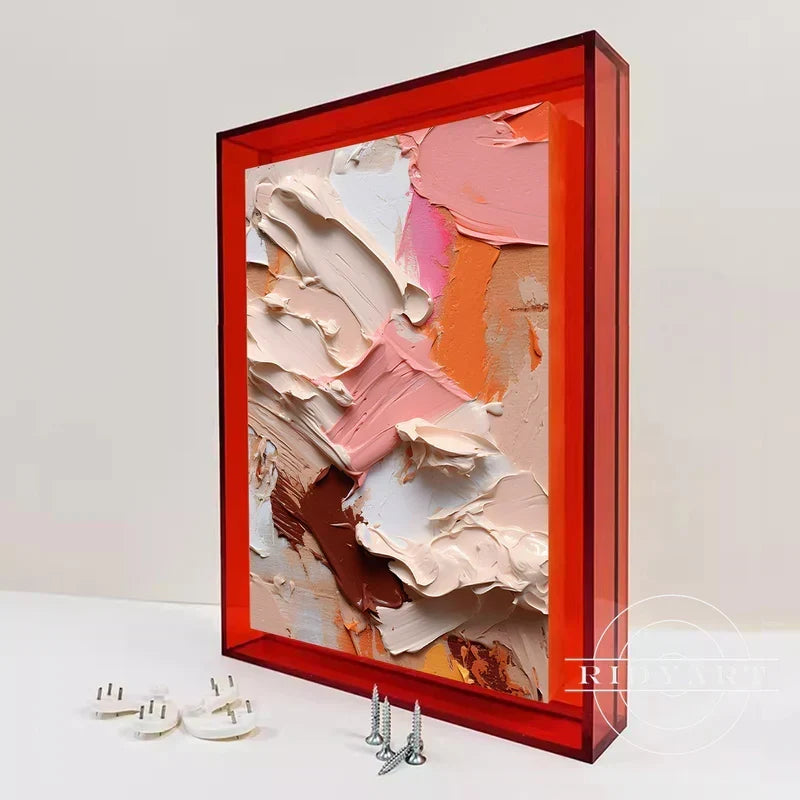
Every raised texture and brushstroke creates small differences, making each artwork one of a kind.
This imperfection is exactly what makes handmade art special.

How to Decorate Your Home With Wabi Sabi and Chinese-Inspired Art
You don't need a completely traditional home to enjoy Eastern aesthetics. A few thoughtful choices can create a peaceful atmosphere.
1. Choose Natural Colors
Colors inspired by nature work beautifully with Wabi Sabi and Chinese aesthetics:
- Warm beige
- Soft white
- Earth tones
- Deep green
- Natural brown
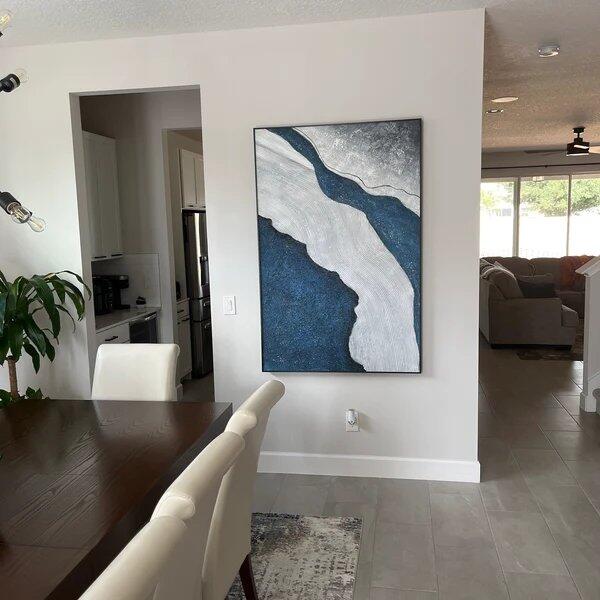
- Muted blue
These colors create a relaxing environment and allow artwork to become the focal point.

2. Focus on Quality Over Quantity
Instead of filling every wall with decorations, choose artwork that creates emotion.
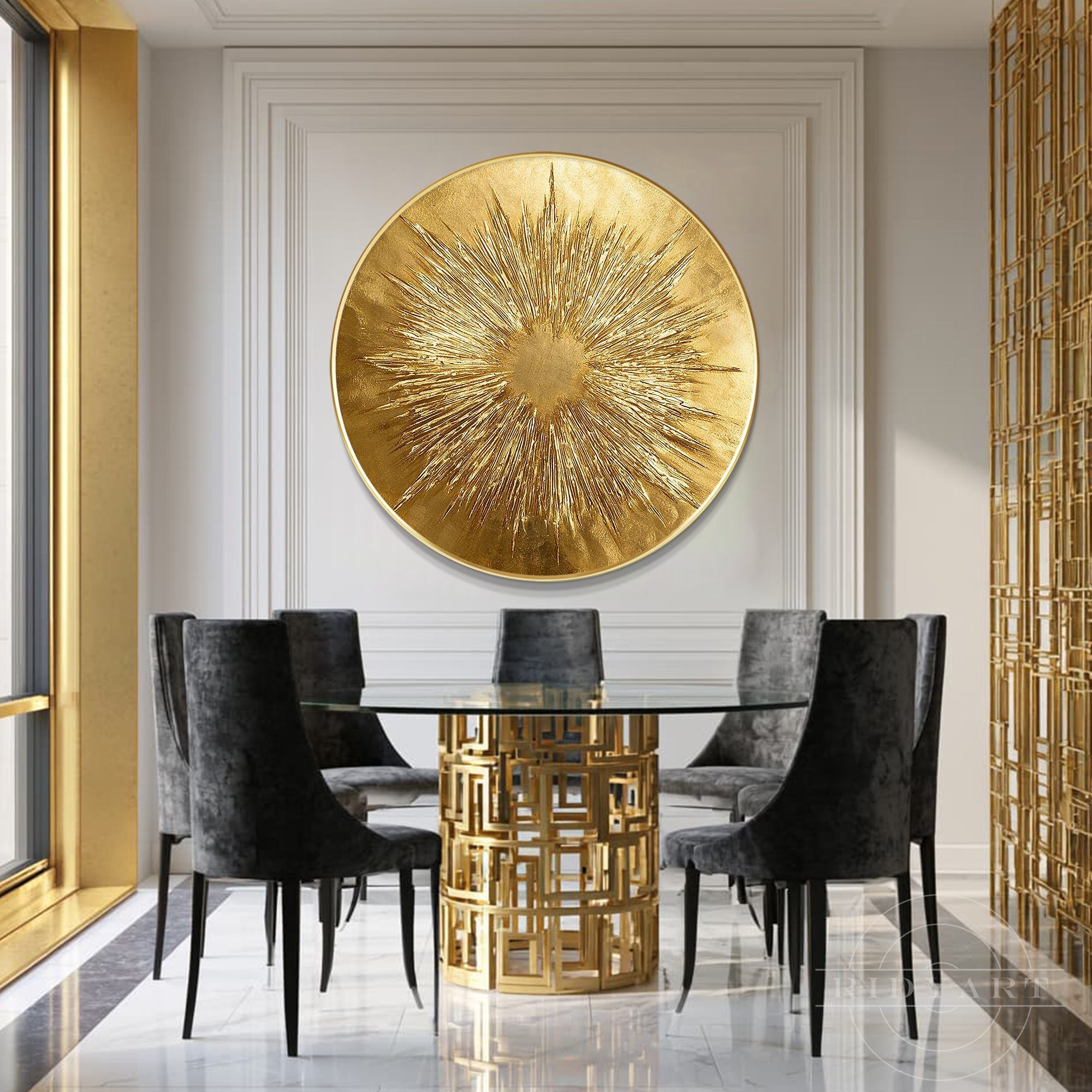
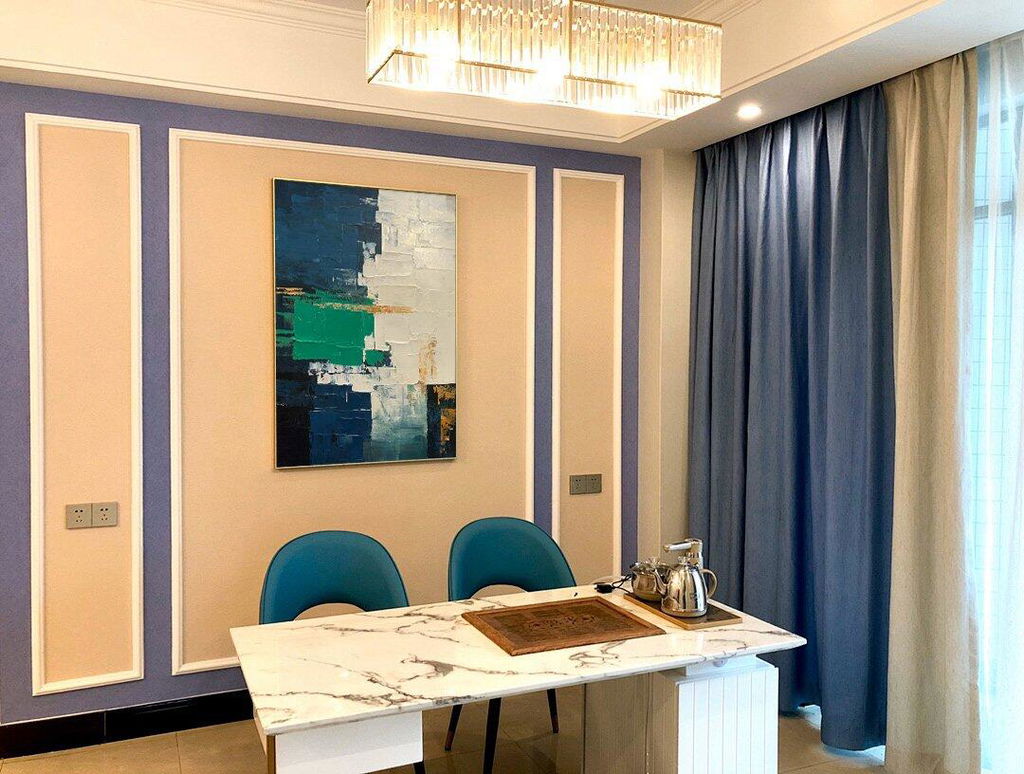
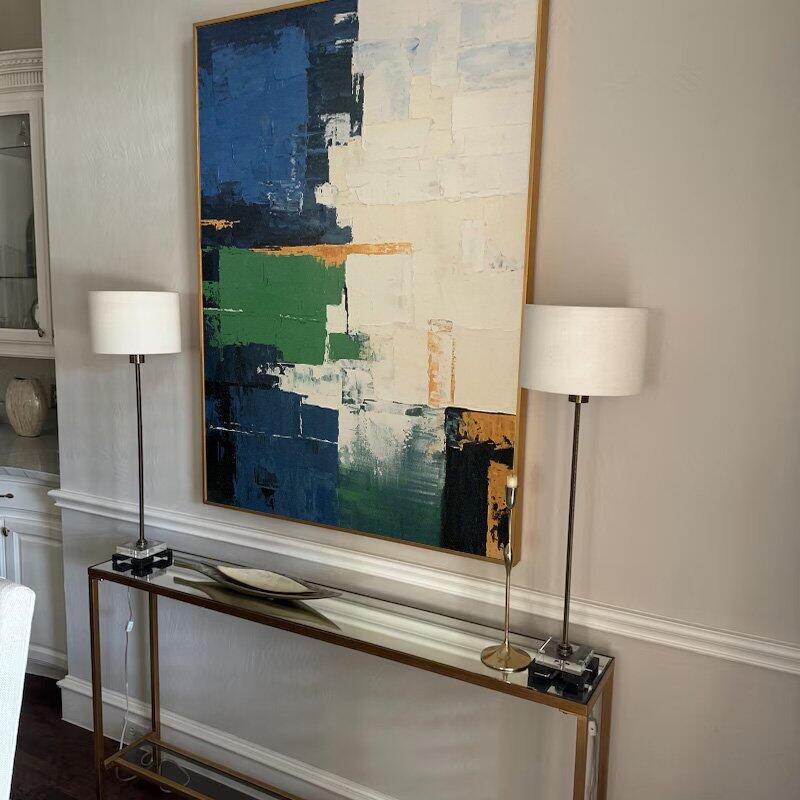
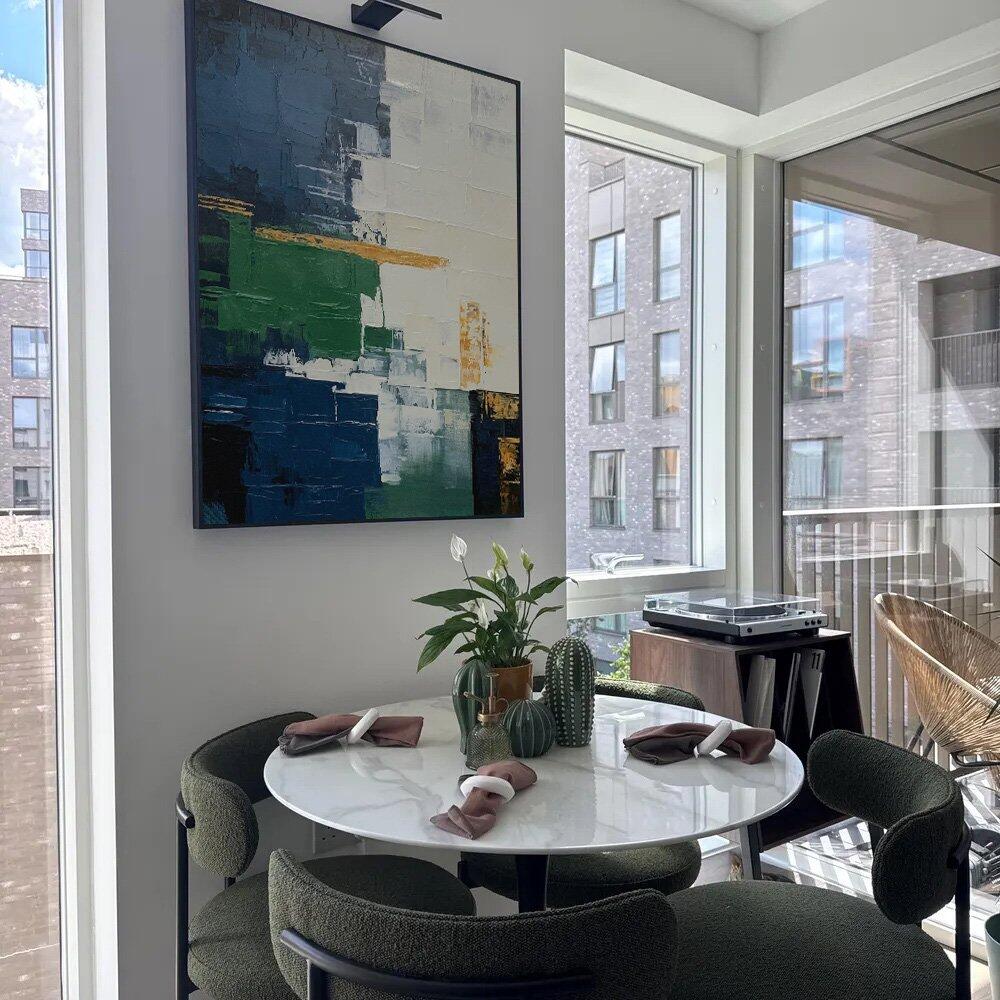
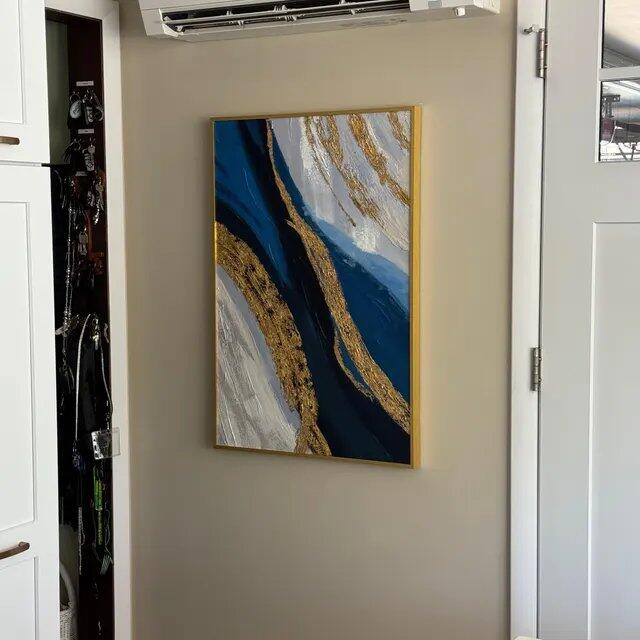
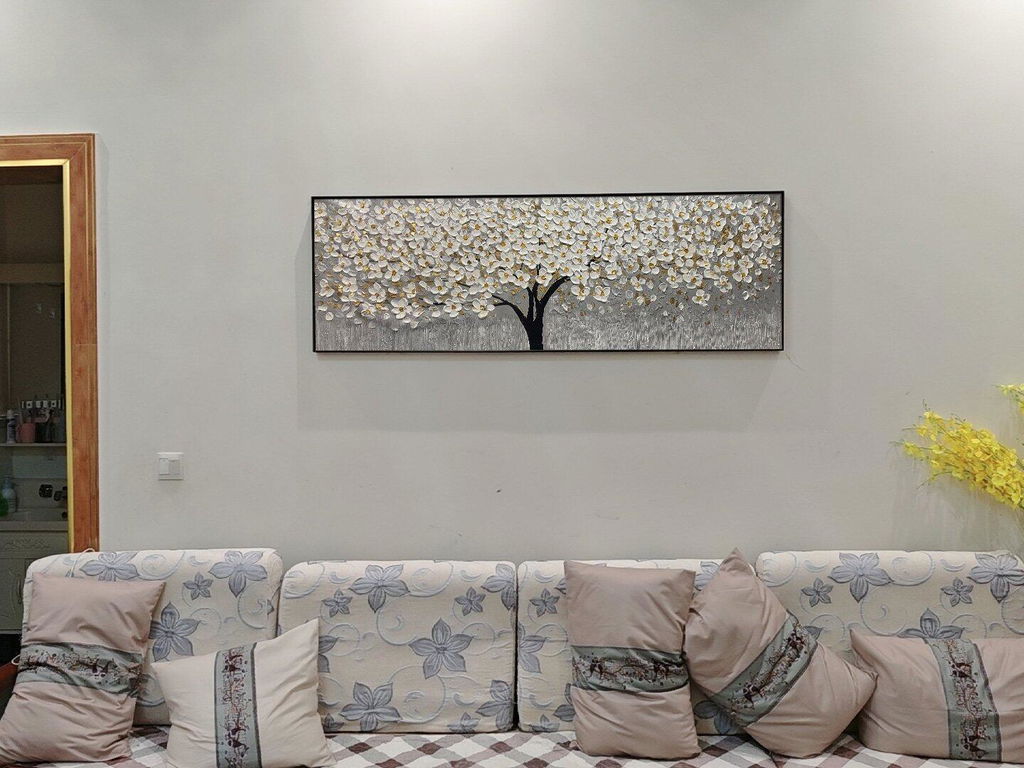
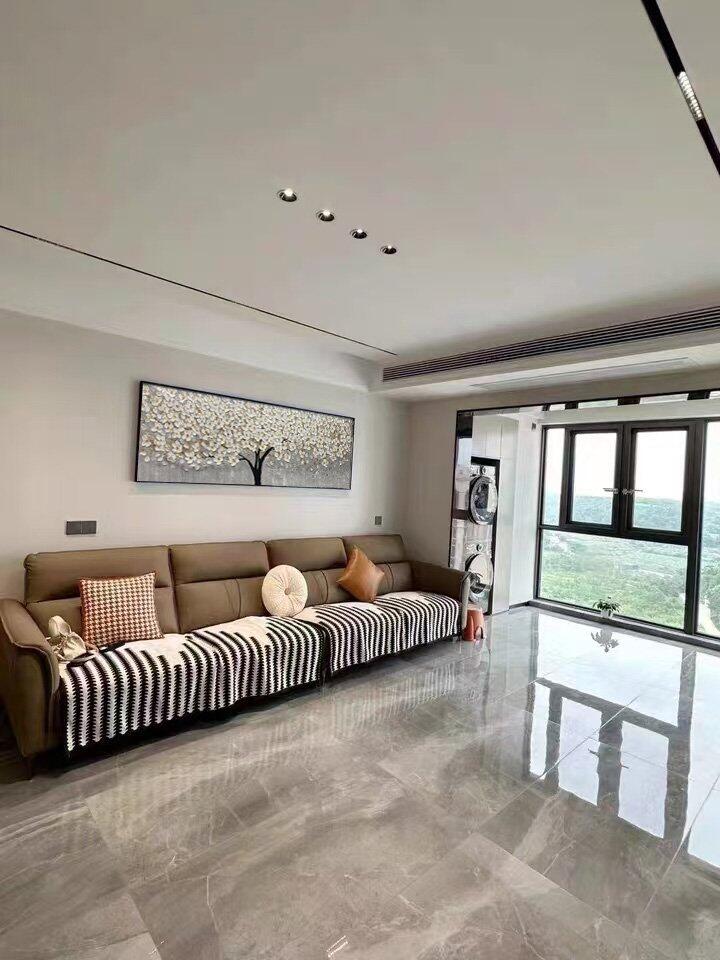
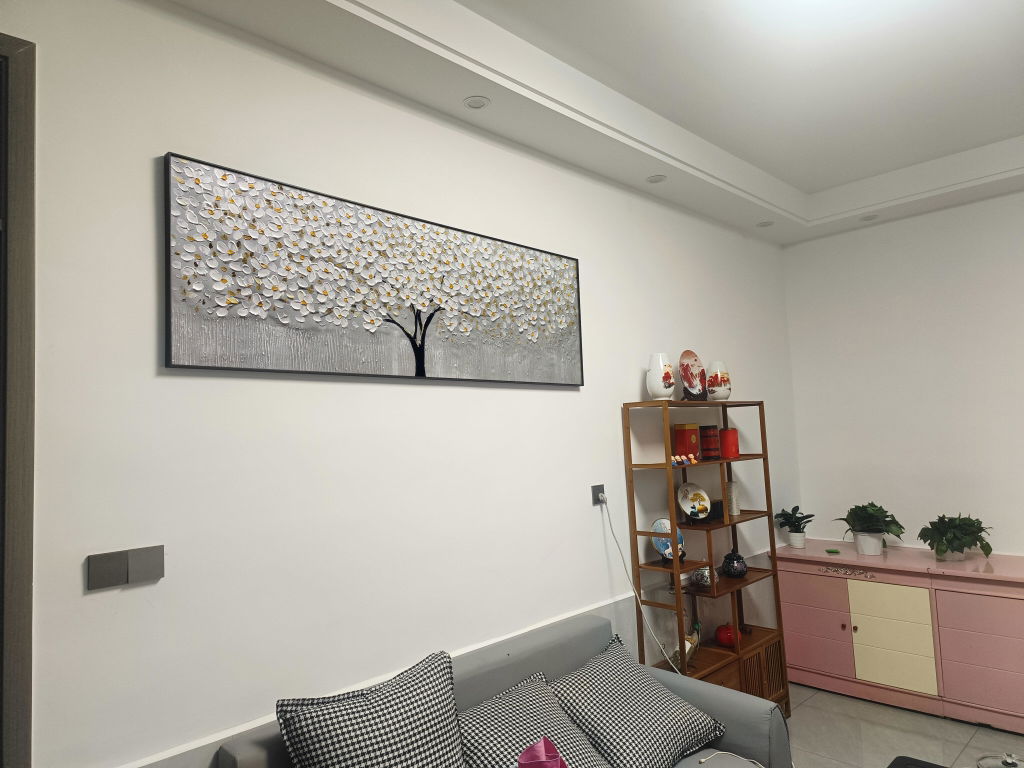
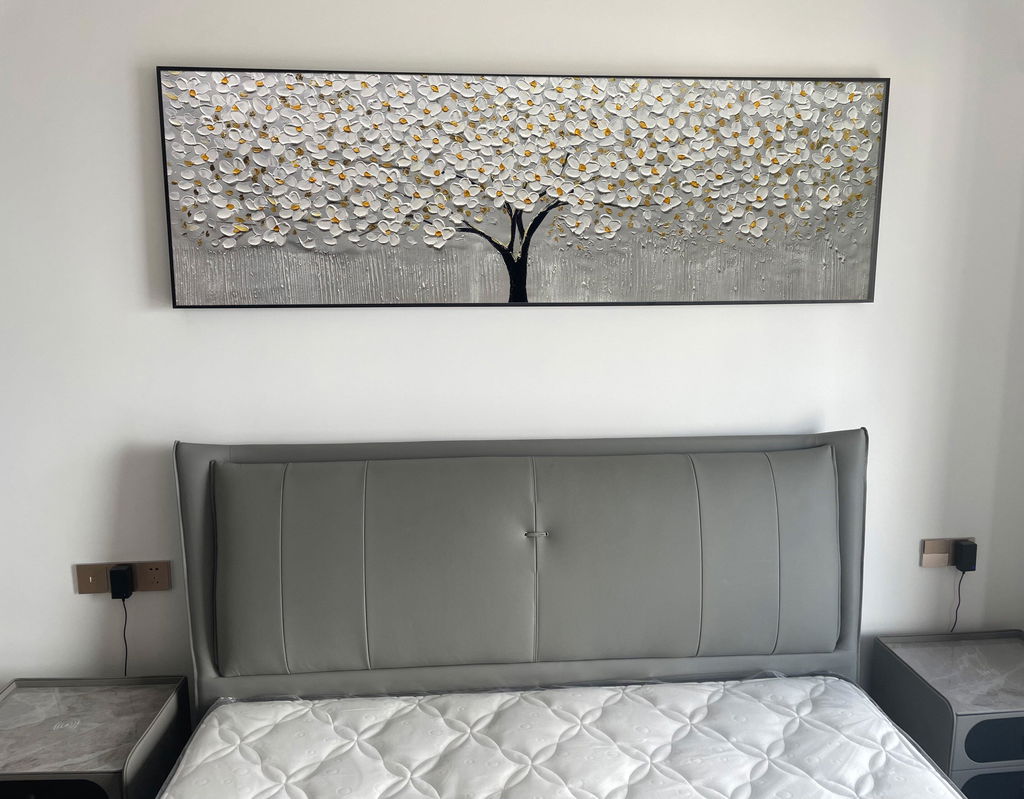
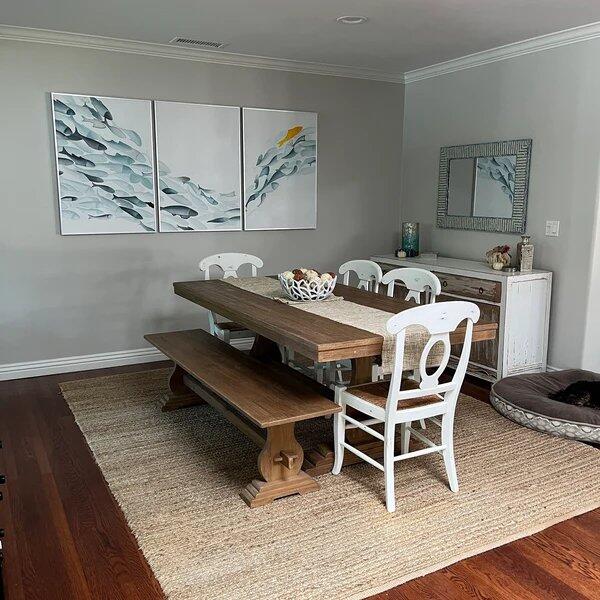
A large statement painting above a sofa, dining table, or bedroom wall can transform the entire room.
A meaningful artwork is not just decoration — it becomes part of your living experience.
3. Mix Modern Furniture With Eastern Art
Wabi Sabi and Chinese-inspired artwork work beautifully with modern interiors.
Try combining:
- Minimalist furniture
- Natural wood elements
- Neutral fabrics
- Handmade paintings
The result is a timeless space that feels both contemporary and connected to tradition.

Handmade Art: A Connection Between Tradition and Modern Living
Chinese artistic traditions have always valued craftsmanship, patience, and the relationship between the artist and the material.
Today, modern handmade paintings continue this idea by combining traditional appreciation for texture and balance with contemporary interior styles.
A textured canvas artwork can bring warmth, depth, and a sense of calm to modern homes.
Final Thoughts
Wabi Sabi and Chinese aesthetics remind us that beauty does not need to be perfect. The small variations, natural textures, and handmade details are what make objects meaningful.
By choosing artwork that reflects simplicity, craftsmanship, and connection with nature, you can create a home that feels peaceful, elegant, and truly personal.
Explore handmade textured wall art designed to bring warmth and timeless beauty into your space.






Leave a comment
This site is protected by hCaptcha and the hCaptcha Privacy Policy and Terms of Service apply.